

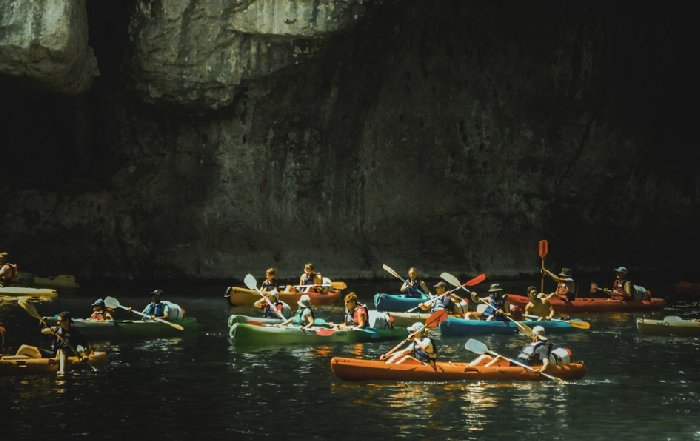
Adventure Holidays Focused on Nature and Culture in 2026
Experiential Travel Comes of Age
In 2026, adventure holidays centered on nature and culture have matured into a sophisticated global movement that reshapes how individuals, families, and organizations think about travel, personal performance, and responsible business. What was once a niche domain for extreme athletes has become a mainstream, multi-generational choice for professionals in the United States, the United Kingdom, Germany, Canada, Australia, and across Europe and Asia who see travel as an extension of their values, careers, and lifestyles. This evolution is closely linked to heightened awareness of climate risk, social inequality, and geopolitical instability, as well as the realization that leisure decisions can either reinforce or challenge these dynamics. Within this changing landscape, xdzee.com has emerged as a dedicated platform for readers who demand more than inspiration; its coverage across travel, adventure, and destination choices is designed to help decision-makers understand how nature, culture, performance, and ethics intersect in real-world journeys.
The broader travel industry has responded by reframing adventure from a purely recreational pursuit into a vehicle for learning, connection, and impact. Reports from organizations such as the World Travel & Tourism Council show that adventure and nature-based tourism are among the fastest-growing segments of the sector, with strong resilience even in periods of economic uncertainty; executives can explore their analysis of global tourism trends to understand the macroeconomic forces behind this shift. For readers of xdzee.com, many of whom are leaders in business, sport, and creative industries, this data reinforces what they already experience personally: adventure holidays are no longer peripheral indulgences, but central components of how they invest in wellbeing, relationships, and long-term professional performance.
From Adrenaline to Purpose: Redefining Adventure
The definition of adventure in 2026 extends far beyond adrenaline-driven activities. While mountaineering in the Alps, surfing in Australia, or trail running in the Rockies remain popular, the most sought-after itineraries now combine physical challenge with cultural immersion, environmental education, and structured reflection. This move from thrill-seeking to meaning-making is visible across demographics, but is especially pronounced among younger professionals in North America, Europe, and Asia-Pacific, who increasingly seek experiences that align with their ethical stance on climate, equity, and community development. Analyses by industry bodies such as the Adventure Travel Trade Association highlight the rising demand for small-scale, locally grounded experiences that prioritize authenticity and stewardship; their resources on adventure market trends provide valuable context for investors and operators interested in this segment.
For the audience of xdzee.com, which spans high-performance athletes, entrepreneurs, and globally mobile professionals, this redefinition of adventure resonates strongly. Many readers are using adventure holidays as structured breaks to reset cognitive bandwidth, explore new lifestyle patterns, or test their performance in demanding natural environments, from high-altitude routes in Italy and Switzerland to endurance events in South Africa and Brazil. The platform's editorial approach, grounded in experience and expertise, emphasizes how these journeys can be intentionally designed to support mental resilience, creativity, and leadership capabilities, rather than functioning as disconnected escapes from everyday responsibilities.
Nature-Based Experiences as Strategic Assets
Nature-based adventure has become a strategic asset for destinations seeking to differentiate themselves in a crowded global marketplace. National parks in the United States, Canada, and New Zealand, protected fjords in Norway, and alpine regions in France, Italy, and Switzerland are all repositioning themselves as laboratories for sustainable tourism, where visitor experience, conservation, and community benefit are tightly interlinked. The International Union for Conservation of Nature (IUCN) has repeatedly underscored that when managed properly, nature tourism can create powerful incentives for ecosystem protection and restoration; business and policy leaders can explore the IUCN's work on protected areas and tourism to understand how governance frameworks translate into on-the-ground practice.
In practical terms, this shift means that kayaking through bioluminescent bays in Thailand, trekking in Patagonia, or tracking wildlife in South Africa increasingly takes place within carefully regulated systems that limit group size, control access routes, and require certified guides who are trained not only in safety but also in interpretation and environmental communication. Conservation organizations such as World Wildlife Fund contribute to this model by producing guidance on sustainable wildlife tourism, which many operators now treat as a baseline reference. For xdzee.com, whose readers are deeply interested in safety, risk management, and long-term destination viability, nature-based adventure is covered not simply as an aesthetic experience, but as a complex interaction between ecological science, local governance, and traveler behavior.
Culture at the Heart of the Journey
Cultural immersion has moved from being an optional add-on to a central pillar of serious adventure holidays. Instead of viewing local communities as passive scenery, leading operators in Spain, Japan, Brazil, and South Africa now work with community cooperatives, Indigenous leaders, and local entrepreneurs to co-design itineraries that showcase living traditions, contemporary creativity, and everyday realities. This can take the form of homestays in rural France, craft workshops in remote regions of Thailand, culinary residencies in Italy, or music and dance exchanges in West and Southern Africa, all structured to ensure fair compensation, mutual respect, and knowledge sharing.
Global heritage organizations such as UNESCO provide an important reference point for understanding why these approaches matter, particularly in relation to safeguarding intangible cultural heritage in a rapidly globalizing world. Executives and policymakers who wish to explore how tourism can support cultural resilience can consult the UNESCO World Heritage Centre, which documents best practices and risks associated with visitor pressure on iconic sites and traditions. On xdzee.com, coverage of culture and world issues emphasizes that cultural engagement is not a soft extra, but a core dimension of ethical and enriching adventure, requiring humility, preparation, and a willingness to listen more than speak.
Sustainability and Ethics as Non-Negotiable Standards
By 2026, sustainability and ethics are no longer aspirational slogans in adventure travel; they function as minimum operating standards for serious brands and discerning travelers. Governments in Europe, North America, and parts of Asia, along with multilateral bodies and NGOs, have converged on frameworks that demand measurable progress on carbon reduction, biodiversity protection, fair labor, and inclusive governance. The UN World Tourism Organization (UNWTO) has been instrumental in articulating principles of sustainable tourism that decouple growth from environmental degradation and social harm, providing a reference for regulators and corporate strategists alike.
Independent standards bodies such as the Global Sustainable Tourism Council (GSTC) have further operationalized these principles into criteria and certification schemes that allow travelers and corporate buyers to evaluate claims of responsibility. Decision-makers can review the GSTC's tools and guidelines on sustainable tourism criteria to understand how these frameworks influence procurement, branding, and risk management. For xdzee.com, which addresses readers interested in business, ethics, and long-term brand equity, sustainability is treated as a strategic imperative rather than a marketing angle, with regular analysis of how companies and destinations translate ethical commitments into verifiable practice.
Innovation Transforming the Adventure Ecosystem
Technological innovation has fundamentally reshaped how adventure holidays are designed, delivered, and experienced. Advanced satellite mapping, AI-enhanced weather forecasting, and real-time communication tools have drastically improved safety protocols for expeditions in remote environments, from Greenland and the Canadian Arctic to high-altitude routes in the Andes and Himalayas. At the same time, data analytics and digital twins of popular destinations enable authorities and operators to model visitor flows, optimize carrying capacity, and reduce ecological stress, creating a more predictable and resilient operating environment.
On the consumer side, immersive storytelling and interactive planning tools have raised expectations for pre-trip research and scenario planning. Organizations such as National Geographic have set a benchmark for combining compelling narratives with rigorous reporting on global exploration and conservation, influencing how aspirational travelers imagine and evaluate potential journeys. xdzee.com positions itself alongside these global leaders by focusing specifically on how innovation intersects with performance, safety, and innovation in gear, logistics, and training. Its coverage explores not only new equipment and digital tools, but also the governance and ethical questions that arise when data and automation play a growing role in high-risk environments.
Safety, Risk, and Professional Standards in a Growing Market
The rapid expansion of adventure holidays has elevated the importance of robust safety frameworks and professional standards. In 2026, reputable operators in the United States, the United Kingdom, Switzerland, New Zealand, and other leading markets adhere to comprehensive risk management systems that address guide training, equipment maintenance, emergency response, and psychological support. Professional associations and regulatory bodies have strengthened certification pathways for mountain guides, diving instructors, expedition leaders, and cultural interpreters, increasingly harmonizing standards across borders to facilitate safer international operations.
Global public health considerations have also become integral to adventure planning. The World Health Organization (WHO) provides continuously updated guidance on travel and health, covering vaccination requirements, disease outbreaks, and health system capacity in popular destinations, which both travelers and operators now monitor as part of standard due diligence. For the readership of xdzee.com, which includes corporate risk managers, sports coaches, and experienced adventurers, safety is treated as a strategic discipline rather than a checklist, with content that links risk literacy, leadership, and informed consent to the overall quality and integrity of the experience.
The Business Architecture of Adventure: Jobs and Brands
Adventure tourism tied to nature and culture has become a powerful driver of employment and entrepreneurship, particularly in rural and remote regions across Africa, Asia, and South America. The sector now encompasses a broad range of roles, from guides, porters, and hospitality staff to sustainability officers, data scientists, and digital content creators, many of whom work in hybrid or remote configurations. Economic analyses by the World Bank on tourism and development highlight both the opportunities and vulnerabilities associated with this growth, emphasizing the need for inclusive governance and diversified local economies.
For global and regional brands, the rise of conscious adventure travel has accelerated a shift toward transparency, circular design, and community partnership. Outdoor equipment manufacturers in the United States, Germany, and Japan, as well as hospitality groups in Europe and Asia, are increasingly judged on their ability to demonstrate traceable supply chains, regenerative projects, and equitable profit-sharing models. Readers who follow xdzee.com's coverage of brands and jobs gain insight into how employers are competing for talent with expertise in sustainability, cross-cultural collaboration, and digital storytelling, and how individuals can position themselves for careers at the intersection of adventure, technology, and impact.
Regional Perspectives: A Connected but Diverse Landscape
While the underlying principles of nature- and culture-focused adventure are shared globally, their application varies across regions, shaped by geography, governance, and historical context. In North America, particularly in the United States and Canada, strong national park systems and evolving Indigenous-led tourism initiatives provide frameworks for backcountry exploration that combine recreation with education and reconciliation. The U.S. National Park Service offers practical guidance on responsible visitation, which many international travelers now consult before planning extended trips that include hiking, climbing, or wildlife viewing.
In Europe, countries such as Norway, Sweden, Finland, and Switzerland leverage long-standing outdoor traditions, high infrastructure quality, and strong environmental regulation to promote year-round adventures, ranging from ski touring and ice climbing to multi-day cycling and hiking routes that interweave natural and cultural heritage. Policy-oriented organizations like the OECD contribute by analyzing tourism and regional development, helping governments and investors understand how to balance growth with sustainability. Across Asia, diverse destinations such as Japan, South Korea, Thailand, Malaysia, and Singapore blend urban innovation, historic sites, and biodiverse landscapes into layered itineraries that appeal to sophisticated travelers seeking both intensity and depth. In Africa and South America, from the savannas of South Africa and Kenya to the Andes and Amazon basin, the central challenge remains ensuring that rising visitor numbers translate into tangible benefits for local communities and conservation, rather than reinforcing extractive patterns. xdzee.com engages with these regional dynamics through its news and world coverage, offering readers a nuanced view of how policy, investment, and local leadership shape the future of adventure destinations.
Lifestyle, Performance, and Long-Term Wellbeing
For many in 2026, adventure holidays are integrated into a broader lifestyle strategy aimed at sustaining physical health, mental clarity, and professional performance. Executives from London, Berlin, Toronto, and Singapore, athletes from Sydney and Los Angeles, and creative professionals from Paris and Amsterdam increasingly structure their year around training blocks and recovery periods that incorporate time in nature. High-altitude running camps in Italy and Spain, surf and yoga retreats in Australia and South Africa, and long-distance cycling tours in France, the Netherlands, and Scandinavia are designed not only for immediate enjoyment, but also for measurable improvements in endurance, focus, and stress management.
Medical and health organizations such as Mayo Clinic provide scientific backing for this approach, documenting the benefits of outdoor activity and exposure to natural environments; their resources on exercise and wellbeing are frequently referenced by coaches and HR leaders designing performance programs. On xdzee.com, the integration of sports, lifestyle, and performance content reflects a belief that well-planned adventure travel can function as a strategic intervention in an individual's or organization's long-term resilience plan, rather than a discretionary luxury disconnected from core objectives.
Ethical Travelers in an Interdependent World
As access to remote destinations improves and digital platforms amplify personal narratives, the ethical responsibilities of travelers themselves have become more visible. Issues such as the impact of social media on fragile locations, the ethics of volunteering, the politics of wildlife encounters, and the implications of visiting regions experiencing conflict or climate stress now feature prominently in public debate. Media organizations including the BBC and The Guardian regularly report on world affairs and travel-related issues, shaping how audiences in Europe, North America, and beyond think about the moral dimensions of their journeys.
For xdzee.com, ethics is not a niche topic but a structural lens applied across coverage of adventure, culture, and ethics. The platform emphasizes that responsible adventure requires preparation in local history and politics, critical reflection on personal motivations, and a willingness to adapt behavior based on feedback from hosts and experts. This perspective is particularly relevant to readers who hold leadership roles in business and sport, as their choices often influence organizational travel policies, sponsorships, and partnerships that can either reinforce or challenge harmful patterns in the tourism value chain.
Trusted Media as Strategic Partner in Travel Decisions
In a digital environment dominated by algorithmic recommendations and influencer marketing, the role of independent, expert-led platforms has become central to informed travel decisions. Travelers planning complex, high-cost adventure holidays that integrate nature, culture, and performance cannot rely solely on promotional content; they require analysis of geopolitical risks, climate trends, regulatory changes, and ethical debates. Established global outlets such as BBC News remain important reference points, but there is also a need for specialized voices that understand the nuances of adventure as a cross-cutting field touching sports, business, innovation, and culture.
xdzee.com positions itself precisely in this space, curating insights that serve readers from the United States, United Kingdom, Germany, Canada, Australia, France, Italy, Spain, the Netherlands, Switzerland, and key markets across Asia, Africa, and South America. By linking coverage of business, news, world, and adventure with in-depth perspectives on innovation, ethics, and performance, the platform acts as both a filter and a strategic advisor. Its editorial stance is grounded in experience, expertise, authoritativeness, and trustworthiness, offering readers a coherent framework for making travel choices that align with their personal values and professional responsibilities.
Looking Forward: Adventure as a Catalyst for Regeneration
As the global community confronts accelerating climate change, biodiversity loss, and social inequality, adventure holidays focused on nature and culture occupy a complex but potentially transformative role. Travel inevitably generates environmental and social footprints, yet it also has the capacity to foster cross-cultural understanding, fund conservation, and support livelihoods in ways that few other industries can match. The key question for 2026 and beyond is whether adventure tourism will evolve toward regenerative models that leave destinations stronger and more resilient, or whether it will remain trapped in extractive patterns that undermine its own foundations.
Forward-thinking stakeholders, from local community cooperatives and conservation NGOs to global brands and policymakers, increasingly recognize that the only viable path is regenerative. This implies investing in ecosystems, cultures, and people so that the presence of travelers contributes to restoration rather than depletion. For individuals and organizations who rely on xdzee.com as a trusted guide, this moment represents both challenge and opportunity: a call to treat adventure not as an escape from reality, but as a deliberate form of engagement with it. By approaching each journey with curiosity, humility, and strategic intent, travelers can help ensure that the next generation of adventure holidays-from the mountains of Switzerland and the forests of Canada to the coasts of Australia, the temples of Japan, and the savannas of South Africa-honors the intertwined richness of nature and culture.
As xdzee.com continues to expand its coverage across news, world, adventure, and the broader spectrum of lifestyle and performance, its mission remains constant: to equip a global audience with the insight, context, and critical perspective required to travel with purpose, integrity, and clarity in an increasingly interdependent world.