

From Andes to Amazon: Trekking and Jungle Exploration in Peru
Peru's Dual Identity: Mountain Kingdom and Living Rainforest
Peru occupies a singular position in the global imagination as both a monumental highland civilization and a vast, breathing rainforest, and that dual identity has become more central than ever to how international travelers, investors, and brands assess opportunity, risk, and long-term value. While the country's image has long been dominated by the stone terraces of Machu Picchu and the snow-capped peaks of the Cordillera Blanca, the growing focus on the Amazon Basin, biodiversity, and climate resilience has elevated Peru from a classic adventure destination to a strategic reference point for sustainable tourism, outdoor performance, and responsible business models that connect sports, travel, and conservation.
For xdzee.com, whose audience follows developments in sports, adventure, travel, business, lifestyle, and innovation across North America, Europe, Asia, and beyond, Peru offers a compelling case study in how a destination can leverage its natural assets, cultural heritage, and emerging regulatory frameworks to create high-value experiences that reward physical performance, protect fragile ecosystems, and generate durable economic benefits for local communities. Readers who track global trends in travel, performance, safety, and innovation will find in Peru a living laboratory where the future of adventure tourism is being negotiated in real time between trekkers, outfitters, indigenous leaders, and policymakers.
The Andean Spine: High-Altitude Trekking as Performance Arena
The Andes in Peru, stretching from the northern cloud forests to the arid southern highlands, have become a natural performance arena where endurance athletes, committed hikers, and ambitious first-time trekkers test their limits in an environment that is at once punishing and extraordinarily rewarding. Routes such as the Salkantay Trek, the Lares Valley, the Ausangate Circuit, and the famed Cordillera Huayhuash have evolved from niche undertakings to globally recognized challenges, often compared in difficulty and prestige to Alpine classics in Switzerland, France, and Italy or long-distance trails in the United States and New Zealand.
Organizations such as PromPerú, working alongside international operators and local communities, have refined infrastructure, safety standards, and guiding qualifications to align more closely with expectations formed in mature markets like the United Kingdom, Germany, and Canada, where alpine culture and outdoor safety norms are deeply ingrained. Those considering high-altitude trekking in Peru increasingly approach it with the same seriousness as they would a multi-day expedition in the Rockies or the Dolomites, and many rely on structured training programs, sports science insights, and gear benchmarking from sources such as REI's expert advice hub or The American College of Sports Medicine to prepare.
From a performance perspective, Peru's highlands offer a rare combination of extended elevation exposure, steep cumulative gains, and rapidly changing weather systems, making them ideal for athletes from the United States, Europe, and Asia who are looking not merely for scenic hikes but for controlled stress environments that can enhance cardiovascular capacity, mental resilience, and technical skills. The growing community of trail runners and fast-packers has begun to reimagine classic routes, pushing for lighter, faster itineraries and integrating insights from data-driven training platforms and sports medicine research, while still working within the cultural and environmental constraints defined by local authorities and community organizations.
Culture, Community, and the Ethics of the Trail
The Andean trekking experience, however, is not simply an athletic challenge; it is embedded in a dense cultural matrix that raises important ethical questions about representation, benefit-sharing, and the long-term impact of tourism on rural communities. Many of the most sought-after routes cross lands used by Quechua and other indigenous groups for agriculture, herding, and ceremonial purposes, and the traditional hospitality extended to trekkers has, over the past two decades, evolved into structured homestay programs, porter cooperatives, and community-owned lodges that seek to retain more value locally while preserving cultural autonomy.
For an audience attentive to ethics and culture, Peru's model offers a nuanced example of how adventure tourism can either reinforce or challenge existing inequalities. Organizations such as Mountain Lodges of Peru and various community tourism associations have experimented with revenue-sharing schemes, local employment guarantees, and cultural protocols that guide interactions between visitors and hosts, while NGOs and research institutions draw on frameworks from bodies like the UN World Tourism Organization to promote inclusive and sustainable practices. Travelers from countries such as the United Kingdom, Germany, and the Nordic region, where ethical consumption is increasingly mainstream, are often among the most vocal advocates for transparent labor conditions for porters, fair wages for guides, and respect for sacred sites.
The debate over how to balance access and preservation has intensified as social media visibility has grown, particularly around iconic locations and "secret" viewpoints, and xdzee.com readers who follow news and global trends will recognize parallels with overtourism challenges in destinations from Barcelona to Bali. In Peru, local authorities and community leaders have responded with visitor caps, route diversifications, and educational initiatives that encourage trekkers to understand the cultural significance of the landscapes they traverse, drawing on anthropological research from institutions like the Smithsonian National Museum of the American Indian to frame these narratives.
Safety, Risk Management, and Responsible Operations
High-altitude trekking and remote jungle exploration both entail inherent risks, and in 2026 the conversation has shifted decisively away from romanticized notions of "pure adventure" toward a more professionalized, standards-driven approach to safety and risk management. Reputable Peruvian outfitters increasingly align their protocols with international best practices referenced by organizations such as the International Climbing and Mountaineering Federation and the Wilderness Medical Society, emphasizing pre-trip screening, acclimatization schedules, emergency communication systems, and evacuation plans.
Travelers from North America, Europe, and Asia, accustomed to robust consumer protection regimes, now expect clear disclosure of risk, guide certification credentials, and equipment standards. Many consult public health resources from agencies like the U.S. Centers for Disease Control and Prevention to understand altitude sickness, water safety, and vaccination requirements before committing to itineraries that combine Andean passes with Amazonian river journeys. The integration of satellite communication devices, GPS tracking, and weather modeling has improved incident response times in remote zones, but it has also raised expectations: operators who fail to meet these evolving norms face reputational damage in a marketplace where online reviews and expert commentary carry significant weight.
For xdzee.com, whose readers are particularly sensitive to issues of safety, the Peruvian context underscores the importance of due diligence when selecting partners for complex itineraries that bridge mountains and rainforest. Verifying guide training, understanding the chain of responsibility between international agencies and local subcontractors, and confirming the presence of medical contingency plans are now considered baseline requirements rather than optional extras, especially for travelers bringing families or for corporate groups organizing incentive trips and leadership retreats in high-risk environments.
The Amazonian Frontier: Immersion, Biodiversity, and Climate Reality
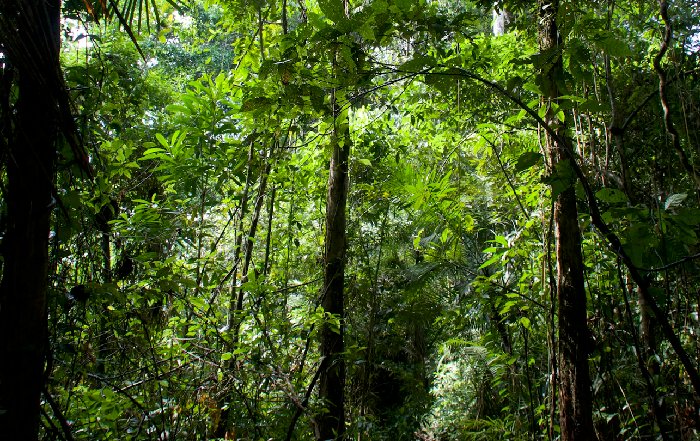
If the Andes provide the stage for human performance and cultural encounter, the Peruvian Amazon offers immersion into one of the planet's most critical and contested ecosystems, a region whose health directly affects climate stability in Europe, North America, Asia, and beyond. From Iquitos and the northern reserves near the Brazilian border to the Madre de Dios region accessible from Cusco, Peru's rainforest lodges and river expeditions have matured into sophisticated operations that blend wildlife observation, scientific collaboration, and community engagement.
Travelers drawn to the Amazon today are increasingly informed by global coverage of deforestation, biodiversity loss, and climate tipping points, often reading analyses from organizations such as the World Wildlife Fund or the Intergovernmental Panel on Climate Change before they arrive. They come not only to see macaws, pink river dolphins, and giant otters, but also to understand how local communities, conservation NGOs, and government agencies are attempting to reconcile economic development with forest protection in a context where illegal mining, logging, and agricultural expansion remain powerful forces.
Peru's Amazonian tourism sector has responded by emphasizing low-impact infrastructure, science-based interpretation, and partnerships with research institutions like the Smithsonian Tropical Research Institute and local universities. Lodges built with renewable materials, powered partly by solar energy, and designed around minimal forest clearing are now standard at the upper end of the market, and many integrate citizen science components, inviting guests from countries such as Germany, Sweden, and Japan to contribute to biodiversity monitoring or camera-trap projects that feed into broader conservation databases.
Indigenous Leadership and the Politics of Access
A defining feature of contemporary jungle exploration in Peru is the growing visibility and leadership of indigenous organizations, which are asserting their rights over territories, knowledge systems, and the terms of visitor engagement. Groups representing Shipibo, Asháninka, Matsés, and other peoples have become central stakeholders in discussions about tourism concessions, river access, and the commercialization of traditional practices, drawing on international frameworks such as the UN Declaration on the Rights of Indigenous Peoples and guidance from bodies like the International Union for Conservation of Nature to support their claims.
For discerning travelers and businesses attentive to ethical and legal risk, this shift has profound implications. It is no longer sufficient to rely on the presence of a park permit or a contract with a lodge; due diligence must extend to understanding whether indigenous communities have been meaningfully consulted, whether benefit-sharing agreements exist, and how cultural representations are curated and compensated. Media coverage from outlets like the BBC and regional investigative platforms has made it easier for global audiences to track conflicts around land rights and extractive industries, increasing reputational exposure for companies that overlook these dynamics.
For xdzee.com readers who follow world affairs and the intersection of business and human rights, Peru's Amazon serves as a concrete example of how adventure travel and corporate social responsibility intersect. Investors and brands that align with indigenous-led initiatives, support transparent governance, and respect free, prior, and informed consent not only reduce legal and reputational risk but also contribute to more resilient and distinctive tourism products that resonate with ethically minded consumers in markets from the United States and Canada to Scandinavia and Australia.
Sports, Adventure, and the Evolution of Brand Partnerships
As adventure tourism in Peru has matured, global sportswear, outdoor equipment, and lifestyle brands have identified the Andes and Amazon as powerful storytelling arenas where product performance, environmental narratives, and cultural authenticity can be woven together. Performance testing at altitude, gear trials in humid rainforest conditions, and athlete expeditions filmed against dramatic landscapes now feature prominently in marketing campaigns targeting consumers in Europe, Asia, and North America, and Peru has emerged as a preferred backdrop for this kind of content.
Brands such as The North Face, Patagonia, and Salomon have used Peruvian settings to highlight technical outerwear, trail running shoes, and expedition packs, often collaborating with local guides, porters, and athletes to ground their narratives in real expertise. These partnerships, when structured thoughtfully, can provide valuable economic opportunities and visibility for Peruvian communities, but they also raise questions about representation, benefit distribution, and the commercialization of fragile environments. Industry observers and sustainability experts increasingly reference frameworks from organizations like the Sustainable Apparel Coalition to evaluate whether such collaborations align with credible environmental and social standards.
For xdzee.com, with its dedicated coverage of sports, brands, and lifestyle, Peru's role as a proving ground for adventure gear and outdoor narratives illustrates broader shifts in consumer expectations. Audiences in markets such as the United Kingdom, Germany, Japan, and South Korea now look beyond aesthetics and price, asking whether the stories behind products reflect genuine respect for local cultures and ecosystems, and whether the companies involved are transparent about their supply chains, carbon footprints, and community investments.
Jobs, Skills, and Local Economic Transformation
The expansion of trekking and jungle exploration has reshaped local labor markets in Peru, particularly in gateway cities such as Cusco, Huaraz, and Puerto Maldonado, as well as in smaller communities along key routes and river systems. Guiding, hospitality, logistics, and conservation work have become significant sources of employment, offering alternatives to extractive industries and subsistence agriculture, and drawing younger generations into roles that require language skills, technical training, and cross-cultural communication.
This transformation, however, is uneven and contingent on broader macroeconomic and political conditions. The volatility of global travel demand, as seen during the COVID-19 pandemic and subsequent recovery, has underscored the vulnerability of tourism-dependent economies, leading policymakers and development agencies to emphasize diversification, skills transferability, and social protection. Institutions such as the International Labour Organization provide frameworks for assessing job quality and inform initiatives aimed at formalizing employment relationships, improving occupational safety, and ensuring that women and marginalized groups have equitable access to opportunities in the adventure tourism value chain.
For readers interested in jobs and workforce trends, Peru's experience illustrates both the promise and the fragility of tourism-led development. High-quality guiding programs, hospitality management training, and conservation internships can equip local residents with skills that are portable across sectors and borders, while poorly regulated operations risk creating precarious, low-wage work highly exposed to external shocks. Businesses and travelers who prioritize certified operators, transparent pricing, and community-based initiatives contribute to a more resilient employment ecosystem that can weather fluctuations in demand from source markets such as the United States, United Kingdom, Germany, and China.
Innovation, Data, and the Future of Experiential Travel
In 2026, the convergence of digital technologies, environmental science, and consumer expectations is reshaping how trekking and jungle exploration in Peru are designed, marketed, and managed. Real-time weather data, route analytics, and biodiversity mapping enable more precise risk assessments and experience customization, while advances in satellite connectivity and sensor technology allow for continuous monitoring of trail conditions, wildlife movements, and visitor flows. These capabilities support adaptive management strategies that can protect sensitive habitats, optimize infrastructure investments, and enhance visitor satisfaction.
Peru's tourism authorities and private operators are beginning to integrate insights from global innovation hubs, drawing on case studies from Europe and Asia and collaborating with academic and private sector partners that specialize in geospatial analysis, climate modeling, and visitor experience design. Resources from organizations like the World Economic Forum highlight how data-driven approaches can improve sustainability outcomes and competitiveness, while also raising questions about privacy, equity, and the digital divide between large operators and small community-based enterprises.
For xdzee.com, which tracks innovation across sectors, Peru represents a frontier where cutting-edge tools are being applied to age-old landscapes, creating opportunities for new business models that blend adventure, education, and conservation. Personalized itineraries that adapt to individual fitness levels, risk profiles, and learning interests; dynamic pricing that reflects environmental carrying capacity; and immersive storytelling that draws on augmented reality and scientific visualization are no longer speculative concepts but emerging realities in pilot projects across the Andes and Amazon.
Aligning Global Expectations with Local Realities
The international audience that follows xdzee.com, spanning the United States, United Kingdom, Germany, Canada, Australia, France, Italy, Spain, the Netherlands, Switzerland, China, the Nordic countries, Singapore, South Korea, Japan, Thailand, South Africa, Brazil, Malaysia, and New Zealand, brings diverse expectations and cultural frameworks to the Peruvian context. Some prioritize physical challenge and personal achievement, others seek cultural immersion or wildlife encounters, and many now place environmental integrity and ethical conduct at the center of their decision-making. The task for Peruvian stakeholders is to align these varied expectations with the realities of local capacity, ecological limits, and socio-political dynamics.
Global benchmarks and best practices, such as those promoted by the Global Sustainable Tourism Council, provide useful reference points, but they must be interpreted through the lens of Peru's specific history, geography, and institutional landscape. Overly standardized approaches risk erasing local nuance and imposing external priorities, while purely ad hoc arrangements can lead to fragmentation, inefficiency, and conflict. The most promising initiatives in Peru today are those that combine rigorous standards with genuine co-creation, allowing communities, operators, scientists, and travelers to shape experiences that are both globally competitive and locally grounded.
For xdzee.com, whose editorial focus spans adventure, destination insights, and cross-sector business analysis, Peru's evolving model offers a template for how other regions in Latin America, Africa, and Asia might navigate similar tensions as they develop their own trekking circuits and wilderness experiences. The Andean passes and Amazonian tributaries are not only physical routes but also pathways along which new norms of responsible travel, corporate accountability, and community empowerment are being tested.
A Strategic Destination for the Next Decade
From the perspective of trekking in the Andes and exploring the Amazon in Peru can no longer be understood simply as bucket-list experiences or isolated adventures; they are embedded in broader conversations about climate resilience, biodiversity conservation, indigenous rights, and the future of experiential economies. For travelers, investors, and brands across the world, Peru functions as both a destination and a diagnostic tool, revealing how well global systems can align personal aspiration with planetary limits and local aspirations.
As xdzee.com continues to map the intersections of sports, travel, business, culture, and ethics for a global readership, Peru will remain a key reference point, not only because of its dramatic landscapes and rich heritage, but because it compels serious consideration of what responsible adventure truly entails. Those who choose to cross its passes and navigate its rivers in the coming years will be participating in an unfolding experiment, one in which every decision-from operator selection and equipment choice to storytelling and post-trip advocacy-contributes to shaping the balance between exploration, preservation, and shared prosperity.
In this sense, the journey from Andes to Amazon in Peru is more than a geographical transition; it is a movement across conceptual terrain, from seeing nature as a backdrop for personal achievement to recognizing it as a complex, living system in which human performance, community well-being, and ecological health are inseparably linked. For a platform like xdzee.com, dedicated to connecting world perspectives with actionable insight, documenting and interpreting this evolution is not simply an editorial choice but a commitment to fostering informed, responsible engagement with the destinations that define the future of global adventure.