

The Global Sports Industry: Business, Culture, and Innovation at a New Peak
The sports industry in 2026 stands as one of the clearest mirrors of global economic, cultural, and technological transformation, and for the international audience of xdzee.com, it has become far more than a source of entertainment; it is now a strategic arena where business models are tested, lifestyles are shaped, and national identities are projected. What was once confined to stadiums, courts, and tracks has evolved into a complex global ecosystem that spans media, technology, travel, fashion, wellness, sustainability, and geopolitics, with every major region-from North America and Europe to Asia, Africa, and South America-contributing its own dynamics and ambitions.
As of 2026, this ecosystem is defined by rapid digitalization, the maturing of eSports, the rise of women's sports, the integration of data and AI into performance and fan engagement, and a growing insistence on ethical governance and environmental responsibility. For business leaders, investors, policymakers, and enthusiasts who follow global sports and business trends on xdzee.com, understanding these shifts is now a prerequisite for making informed decisions across sectors as diverse as media, tourism, apparel, and technology.
A Half-Trillion-Dollar Industry at a Strategic Inflection Point
The global sports market continues to exceed the half-trillion-dollar threshold, with projections from organizations such as PwC and Deloitte indicating steady growth driven by media rights, sponsorships, and adjacent revenue streams like sports tourism and wellness. In the United States, major leagues including the NFL, NBA, MLB, and NHL remain financial powerhouses, commanding record-breaking domestic and international broadcast agreements and increasingly experimenting with direct-to-consumer streaming models. In Europe, football retains its status as the world's most influential sport, with competitions like the UEFA Champions League and the leading domestic leagues drawing global audiences and driving lucrative partnerships with broadcasters and brands.
Meanwhile, Asia has cemented its position as the fastest-growing region in sports, with China, India, Japan, and South Korea investing heavily in both traditional sports and eSports ecosystems, while Africa and South America are moving from being primarily talent exporters to building more robust local leagues, commercial structures, and sports tourism propositions. For readers tracking these developments, the regional and global perspectives available on xdzee.com/world highlight how sports are increasingly intertwined with macroeconomic strategy and soft power competition.
Streaming, Fragmentation, and the New Battle for Fan Attention
The media landscape around sports has undergone a decisive shift from linear broadcasting to digital and hybrid models, with 2026 marking a period where streaming is no longer an experiment but an established core of distribution. Global platforms such as Disney's ESPN, Amazon Prime Video, and Apple TV+ have secured landmark rights packages across American football, European football, tennis, and other properties, challenging the long-standing dominance of traditional broadcasters and forcing leagues to rethink how they package and price content.
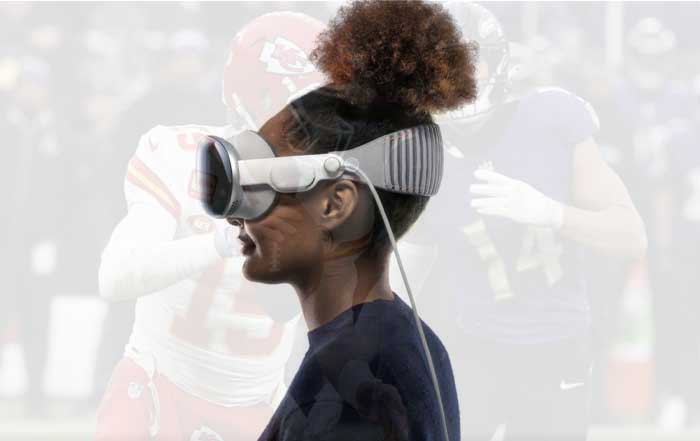
In the United Kingdom and wider Europe, the Premier League, La Liga, Bundesliga, and Serie A have continued to command intense bidding wars, while in North America, services like YouTube TV, Peacock from NBCUniversal, and regional sports networks integrated into digital bundles have become primary access points for live games. This fragmentation of rights has made fan attention more contested than ever, as audiences in the United States, Canada, Germany, and beyond weigh subscription fatigue against the desire for live, high-quality coverage. At the same time, new forms of engagement-multi-angle viewing, real-time statistics overlays, interactive polls, and watch parties-are being powered by technologies such as augmented reality (AR) and virtual reality (VR), with companies featured by outlets like The Verge and TechCrunch showcasing increasingly immersive solutions.
For the xdzee.com community, which follows innovation in fan engagement and digital experience, the next phase of competition will be defined not only by who owns the rights, but by who can deliver the most personalized, data-rich, and socially connected viewing environment across devices and geographies.
Sponsorship, Brands, and the Globalization of Sports Marketing
Sponsorship remains one of the most resilient pillars of the sports economy, even amid economic uncertainty and shifting consumer behavior. Global corporations such as Nike, Adidas, Puma, Coca-Cola, Visa, and Mastercard continue to use major events and elite clubs as platforms for global brand storytelling, while technology players like Microsoft, Google, and Meta have deepened their involvement through data partnerships, cloud infrastructure, and immersive fan experiences. The sponsorship landscape has also been reshaped by digital-native brands and platforms, with companies like Spotify, TikTok, and global streaming services using jersey sponsorships, naming rights, and content collaborations to access younger demographics.
The Paris 2024 Olympic Games and the build-up to the 2026 FIFA World Cup across the United States, Canada, and Mexico have demonstrated how global tournaments act as marketing supernodes, attracting brands from Europe, Asia, and North America that seek to align with narratives of performance, inclusion, and sustainability. At the same time, athlete-driven brands have become a major force: figures such as LeBron James, Lionel Messi, Serena Williams, and Naomi Osaka have built investment portfolios, media companies, and lifestyle labels that blur the line between sports, fashion, and venture capital, often highlighted by business outlets like the Financial Times and Bloomberg.
For professionals and enthusiasts following brand strategy and athlete entrepreneurship on xdzee.com, these developments underscore how sponsorship is shifting from logo exposure to multi-layered partnerships built around content, social impact, and long-term equity.
Sustainability and the Green Transformation of Sports
Environmental sustainability has moved from the periphery to the center of strategic planning in sports, driven by regulatory pressures, stakeholder expectations, and the visible impact of climate change on outdoor events. Governing bodies such as FIFA, World Athletics, Formula 1, and the International Olympic Committee (IOC) have all adopted more stringent climate and sustainability frameworks, committing to carbon reduction, responsible sourcing, and legacy planning for host cities.
In Germany, Sweden, Denmark, and the Netherlands, clubs and venues have emerged as case studies in sustainable design, with stadiums incorporating solar panels, rainwater harvesting, advanced waste management, and public-transport-first access models that align with guidance from organizations like the UN Environment Programme and the International Energy Agency. In North America, franchises in the NBA, NFL, and MLS are rolling out green initiatives, while in Asia and Australia, new infrastructure projects are increasingly evaluated through the lens of environmental impact and community benefit.
Sports tourism adds another layer of complexity, as fans from the United Kingdom, France, Italy, Spain, Japan, and beyond travel long distances to attend events, raising questions about carbon footprints and responsible travel. For readers planning sports-focused journeys, the destination coverage on xdzee.com emphasizes how venues, events, and host cities are integrating sustainability into design, operations, and visitor experiences, aligning with broader movements toward sustainable business practices.
Adventure Sports and the Experience-Driven Lifestyle Economy
Adventure sports have become an integral part of the global lifestyle and tourism economy, reflecting deeper shifts in consumer preferences toward experiences, wellness, and personal challenge. Activities such as surfing, kitesurfing, trail running, mountaineering, ultra-endurance events, and snow sports attract enthusiasts from Australia, New Zealand, Canada, Switzerland, Norway, and Japan, as well as emerging adventure hubs in Thailand, South Africa, Brazil, and Chile.
This growth is intertwined with the rise of social media storytelling, wearable fitness technology, and the wellness movement, as individuals seek to combine travel, physical performance, and mental resilience into cohesive lifestyle narratives. Destination resorts, adventure tour operators, and outdoor equipment brands are responding with integrated offerings that blend coaching, safety training, sustainability education, and digital content, often drawing on best-practice guidelines from organizations such as the International Mountaineering and Climbing Federation and the World Tourism Organization.
For the xdzee.com audience, which actively follows adventure and sports lifestyle trends, adventure sports represent both a personal pursuit and a growing business category, with opportunities for investment, innovation in safety and equipment, and destination development across continents.
Careers, Skills, and the Expanding Sports Jobs Market
The sports industry in 2026 is not only an entertainment juggernaut but also a major employer with a rapidly diversifying talent landscape. Beyond athletes and coaches, the sector now demands professionals in sports management, data analytics, biomechanics, sports medicine, digital marketing, content production, event operations, legal and compliance, sustainability, and eSports management.
Universities and business schools in the United States, United Kingdom, Germany, Canada, Australia, and Singapore have expanded their sports management and analytics programs, often in collaboration with leagues and clubs, while specialized institutes in Japan, South Korea, and India are building curricula around eSports, performance science, and sports technology. Platforms like LinkedIn and Indeed reflect a steady rise in sports-related roles, particularly in data science, fan engagement, and commercial partnerships, as organizations seek to capitalize on digital transformation and global expansion.
For individuals exploring career paths or transitions, xdzee.com/jobs provides an entry point into the evolving employment landscape across sports, highlighting how skills in analytics, storytelling, technology, and ethics are becoming as valuable as on-field experience.
Data, Technology, and Performance Intelligence
The integration of data and technology into sports performance and operations has accelerated dramatically, moving from experimental use cases to standard practice across elite and increasingly amateur levels. Wearable devices from companies such as Garmin, Whoop, and Polar capture real-time biometric and performance data, while clubs and federations rely on AI-driven analytics platforms to optimize training loads, reduce injury risk, and refine tactical decision-making.
In Major League Baseball, Statcast and related systems have transformed scouting and strategy; in the NBA, player tracking and shot analytics inform coaching and roster construction; in European football, advanced metrics on expected goals, pressing intensity, and positional play have become essential tools for recruitment and match preparation. These developments are frequently profiled by outlets like ESPN and The Athletic, and they extend into sports betting, sponsorship valuation, and ticket pricing, where predictive models and fan behavior analysis drive commercial decisions.
Technology also plays a crucial role in safety and integrity, from concussion detection tools and heat-stress monitoring to anti-doping analytics supported by organizations such as the World Anti-Doping Agency. For the xdzee.com audience, the intersection of performance innovation and safety illustrates how data is reshaping not only how athletes compete, but how the entire ecosystem operates with greater precision and accountability.
Sports Tourism and Destination Strategies
Sports tourism has evolved into a strategic pillar for cities and countries seeking to diversify their economies, enhance global visibility, and drive infrastructure investment. Mega-events like the FIFA World Cup, Olympic Games, Rugby World Cup, and Cricket World Cup generate billions in direct and indirect economic impact, while recurring events such as Formula 1 Grands Prix, tennis Grand Slams, and major marathons sustain annual visitor flows to cities including London, New York, Melbourne, Tokyo, Singapore, and Doha.
In the United States, destinations like Los Angeles, Miami, Las Vegas, and Dallas have positioned themselves as multi-sport and entertainment hubs, combining stadium developments with broader hospitality and convention strategies. In Europe, cities such as Paris, Munich, Barcelona, and Amsterdam leverage iconic clubs and venues to attract both fans and business travelers, often integrating cultural programming and sustainable mobility initiatives promoted by organizations like OECD Tourism. Emerging markets, including Qatar, Saudi Arabia, South Africa, and Mexico, are using sports events to rebrand internationally and catalyze infrastructure modernization.
For travelers and executives who use xdzee.com/travel and xdzee.com/destination, sports tourism represents a convergence of leisure, networking, and strategic opportunity, as cities compete to host events that can redefine their global standing.
Regional Dynamics: North America, Europe, Asia, Africa, and South America
North America remains the most commercially advanced sports market, with US leagues at the forefront of monetization, franchising, and media innovation. The NFL maintains unparalleled domestic revenue, while the NBA and MLS continue to expand internationally, staging games in Europe, Mexico, and Asia. Canada's deep ice hockey culture and growing enthusiasm for basketball and soccer underscore a more diversified sports portfolio, supported by advanced infrastructure and strong grassroots participation.
Europe's landscape is anchored by football but is increasingly shaped by issues of financial regulation, sustainability, and competitive balance, with UEFA's financial controls and debates over new competition formats frequently covered by outlets like BBC Sport and The Guardian. Clubs in Germany, Spain, Italy, France, and the United Kingdom continue to globalize their brands, invest in academies abroad, and experiment with digital membership and fan token models.
Asia's rise is multifaceted: China continues to invest in football and winter sports; India's Indian Premier League (IPL) remains one of the world's most valuable sports properties; Japan and South Korea excel in baseball, football, and eSports; and Singapore positions itself as a regional hub for events and sports business. Africa is building on its reputation as a talent source by enhancing domestic leagues and facilities in countries such as South Africa, Nigeria, Kenya, and Morocco, while South America's deep-rooted football culture in Brazil, Argentina, Chile, and Colombia continues to generate both emotional intensity and commercial opportunity.
For readers seeking a broader geopolitical and economic lens on these developments, xdzee.com/world and xdzee.com/news provide context on how regional sports strategies intersect with national branding, investment flows, and cultural diplomacy.
Women's Sports, Inclusion, and Cultural Transformation
One of the most significant shifts of the past decade has been the rise of women's sports from the margins to the mainstream, with 2026 marking a period of sustained growth in visibility, investment, and cultural impact. The FIFA Women's World Cup 2023 set new benchmarks for attendance and global viewership, and subsequent seasons have seen the Women's Super League (WSL) in the UK, the NWSL in the US, and top European women's clubs secure larger broadcast deals and sponsorships.
Major brands such as Nike, Adidas, Visa, Barclays, and Unilever have increased their commitments to women's teams and athletes, recognizing both commercial potential and the reputational value of supporting gender equity, a trend often highlighted by organizations like Women in Sport and UN Women. High-profile athletes including Megan Rapinoe, Alexia Putellas, Iga ÅwiÄ tek, and Ashleigh Barty have used their platforms to advocate for equal pay, representation, and inclusive governance, influencing corporate policies and public discourse across Europe, North America, and Asia.
For readers exploring the cultural dimensions of sport on xdzee.com/culture, the growth of women's sports exemplifies how the industry is becoming a stage for broader conversations about equity, identity, and social progress, with implications that extend well beyond stadium walls.
Ethics, Governance, and Trust in the Sports Ecosystem
Amid rapid growth and commercialization, the sports industry continues to grapple with ethical and governance challenges that directly affect its legitimacy. High-profile corruption cases, such as those involving FIFA in previous years, ongoing debates around the governance of the IOC, and recurring doping scandals in athletics and cycling have underscored the need for stronger oversight, transparency, and accountability. Organizations like the International Centre for Sport Security and Transparency International have called for more robust frameworks to address match-fixing, money laundering, and conflicts of interest.
Athlete welfare has also emerged as a central ethical concern, encompassing concussion protocols in contact sports, mental health support, safeguarding in youth academies, and fair compensation structures. The rise of legalized sports betting across North America, Europe, and parts of Asia has created new revenue streams but also heightened risks related to integrity and addiction, prompting regulators and leagues to develop stricter monitoring and education programs.
For the xdzee.com readership, the issues explored on xdzee.com/ethics are critical to understanding how the industry can balance commercial ambition with long-term trust, ensuring that growth is underpinned by responsible governance and respect for all stakeholders.
Looking Ahead: Sports as a Strategic Lens on the Future
As the world moves toward 2030, sports will continue to serve as a powerful lens on broader trends in technology, sustainability, geopolitics, and culture. The integration of artificial intelligence, blockchain, and advanced wearable technology will deepen, enabling hyper-personalized fan journeys, new ticketing and loyalty models, and more precise performance optimization. Climate considerations will shape decisions about event locations, scheduling, and infrastructure, while the continued rise of women's sports and the expansion of markets in Asia and Africa will rebalance the global map of influence.
For the global community engaging with sports, business, innovation, and lifestyle on xdzee.com, the sports industry in 2026 is more than a collection of games and tournaments; it is an evolving ecosystem where performance, technology, ethics, and culture intersect. In a world marked by volatility and rapid change, sport remains one of the few universally recognized languages, capable of uniting fans from, while simultaneously offering a rich laboratory for innovation and a barometer of societal values.
As stakeholders across continents shape the next chapter of this industry, the insights, analysis, and perspectives shared through platforms like xdzee.com will be essential for understanding not only where sports are headed, but what that journey reveals about the future of business and society itself.