

The Global Sports Apparel Landscape: Performance, Culture, and Responsibility
A New Era for Sports Apparel
Today the global sports apparel industry has fully evolved from a niche serving elite athletes into a central pillar of modern lifestyle, business, and culture, shaping how people work, travel, compete, and express identity across continents. What was once a category dominated by performance jerseys and running shoes has become a multi-trillion-dollar ecosystem that spans athleisure, outdoor adventure gear, workplace-ready activewear, and technology-infused garments, with profound implications for sustainability, labor ethics, and digital commerce. For xdzee.com, whose readers follow sports, adventure, business, and global news, this sector is not merely another consumer market; it is a live case study in how innovation, culture, and corporate responsibility intersect in real time across the United States, Europe, Asia, Africa, and beyond.
As 2026 unfolds, executives, investors, and policymakers are no longer asking whether sports apparel will continue to grow; instead, they are examining how new technologies, regulatory pressures, and shifting consumer values will redistribute that growth among established leaders and agile challengers. The industry's trajectory is being shaped by several converging forces: the relentless rise of athleisure and hybrid lifestyles, the integration of smart textiles and wearables, the mainstreaming of sustainability and circular design, the growing economic and cultural influence of women in sport, and the rapid expansion of digital direct-to-consumer ecosystems. These dynamics, combined with geopolitical supply chain realignments and an increasingly vocal global youth cohort, are redefining what it means for a brand to demonstrate experience, expertise, authoritativeness, and trustworthiness in the eyes of discerning consumers.
Global Expansion and Shifting Competitive Power
The sports apparel market in 2026 is more geographically balanced and competitive than at any previous point, with growth no longer concentrated in a handful of Western economies. North America remains a powerhouse, led by Nike, Under Armour, and Lululemon, but Europe's deep sporting culture and strong outdoor traditions continue to sustain major players like Adidas, Puma, and Decathlon, while opening space for specialized performance and sustainability-driven labels. In Asia, rising incomes and urbanization have accelerated demand for performance and lifestyle apparel, enabling Anta Sports, Li-Ning, and Asics to emerge as formidable global rivals, particularly in China, Japan, and South Korea. Meanwhile, markets in Brazil, South Africa, India, and the broader Africa and South America regions are seeing expanding middle classes embrace sports, wellness, and adventure, creating new demand for both international and local brands.
Analysts tracking global retail and consumer trends through platforms such as McKinsey & Company and Deloitte observe that this decentralization of growth is reshaping corporate strategy, with leading brands investing in regional design centers, localized marketing, and sport-specific sponsorships that resonate with local culture, from football in Europe and Latin America to cricket in India and basketball in the United States. For readers of xdzee.com who monitor world and destination developments, this shift underscores that sports apparel is now a lens through which to understand broader economic and cultural realignments, as emerging markets demand not only imported products but also representation, authenticity, and respect for local identities.
Athleisure and the Hybrid Lifestyle Economy
The global embrace of athleisure has moved well beyond a fashion trend and become a structural feature of the post-pandemic economy. As hybrid work models solidify in North America, Europe, Australia, and Asia, consumers expect clothing that transitions seamlessly from remote meetings to gym sessions, from urban commuting to weekend hiking or travel, without sacrificing style, comfort, or professional credibility. Brands such as Lululemon, Alo Yoga, Gymshark, and Vuori have successfully positioned themselves at the heart of this hybrid lifestyle, creating apparel that is equally at home in a co-working space in London, a cafe in Berlin, or a startup hub in Singapore.
Industry observers at The Business of Fashion and Harvard Business Review note that athleisure has become a strategic battleground where traditional sportswear giants, luxury fashion houses, and digital-native upstarts compete for relevance. Luxury groups in Italy and France now collaborate with performance brands to launch capsule collections that blur the lines between runway and running track, while mainstream retailers incorporate technical fabrics and ergonomic cuts into office-appropriate attire. For xdzee.com, whose coverage spans lifestyle, performance, and business, this convergence demonstrates how sports apparel has become embedded in the daily routines and aspirations of professionals from New York and Toronto to Stockholm, Sydney, and Dubai.
Technology-Infused Apparel and the Smart Performance Frontier
Technological integration has become a defining marker of expertise and innovation in sports apparel, as brands race to embed intelligence into fabrics, construction, and connected ecosystems. Smart textiles that regulate temperature, manage moisture, and deliver compression in targeted zones are increasingly standard in high-performance lines, while research labs in Germany, Scandinavia, and Japan push the boundaries of nano-sensors, conductive fibers, and bio-responsive materials. Collaborations between technology and apparel companies, such as the ongoing partnership between Apple and Nike, are deepening, with products designed to sync seamlessly with devices like the Apple Watch, enabling athletes and everyday users to track heart rate, gait, recovery, and even stress levels in real time.
Research institutions and technology news outlets, including MIT Technology Review and IEEE Spectrum, highlight how the next generation of innovation may include energy-harvesting fabrics that power wearables, self-adjusting garments that respond to environmental conditions, and AI-driven fit optimization that customizes support based on individual biomechanics. For the audience of xdzee.com, who follow innovation and cutting-edge sports performance, this fusion of apparel and technology illustrates how the competitive edge is increasingly determined not just by branding or endorsements, but by a company's capacity to translate scientific research into reliable, user-friendly products that demonstrably enhance performance while maintaining comfort and style.
Sustainability and Circular Design as Core Commitments
By 2026, sustainability is no longer a peripheral marketing theme but a core strategic imperative, with regulators, investors, and consumers demanding verifiable progress rather than vague pledges. Leading companies such as Adidas, Nike, Patagonia, and The North Face have accelerated their commitments to recycled and bio-based materials, reduced water and chemical usage, and circular design models that prioritize repair, resale, and recycling. Initiatives like Adidas's use of ocean-bound plastics and Nike's expanded Move to Zero program have evolved from pilot projects into large-scale product pillars, while Scandinavian brands like Peak Performance and Houdini Sportswear continue to set high benchmarks for transparency and low-impact production.
Organizations such as Textile Exchange and the Ellen MacArthur Foundation provide frameworks and metrics that enable stakeholders to assess progress on sustainable fibers, circularity, and climate impact, while regulators in the European Union advance legislation on extended producer responsibility and supply chain due diligence. For readers of xdzee.com interested in ethics, safety, and global world trends, the critical question is no longer whether brands talk about sustainability, but whether they can demonstrate measurable reductions in emissions, waste, and social harm, and whether they can design business models that remain profitable while respecting planetary boundaries.
Celebrity, Influencers, and the Architecture of Brand Trust
The power of celebrity athletes and digital influencers remains immense, but in 2026 it is filtered through a more skeptical and socially aware consumer lens. Iconic figures such as LeBron James, Serena Williams, Naomi Osaka, Cristiano Ronaldo continue to anchor multi-year partnerships with major brands, but the value of these alliances is increasingly judged not only by sales, but by alignment with values such as inclusivity, mental health advocacy, and community impact. At the same time, the rise of micro-influencers and creator-led brands on Instagram, TikTok, and YouTube has democratized influence, enabling niche communities-from trail runners in New Zealand to climbers in Switzerland or surfers in Portugal-to shape product narratives and authenticity perceptions.
Marketing analysts at WARC and eMarketer / Insider Intelligence note that the most successful sports apparel campaigns now combine professional athletes, credible experts such as physiotherapists and sports scientists, and community leaders who can speak to the lived experience of diverse users. For xdzee.com, which covers brands and cultural news, this shift underscores that trust is increasingly built through consistent behavior, transparent communication, and visible social contributions, rather than through celebrity association alone.
Regional Nuances and Growth Hotspots
While the industry is global, regional nuances remain critical to understanding where and how growth will materialize through 2030. In the United States and Canada, the continued popularity of basketball, American football, and running, combined with a strong outdoor and adventure culture, sustains demand for both urban athleisure and technical gear. In the United Kingdom, Germany, France, Italy, Spain, and the Netherlands, football, cycling, and alpine sports drive performance categories, while fashion-conscious consumers embrace collaborations between sports brands and luxury houses. Switzerland, Austria, and Nordic countries like Sweden, Norway, Finland, and Denmark remain key markets for high-end outdoor and winter sports apparel, where durability and sustainability are particularly valued.
In Asia, rapid urbanization, government health campaigns, and the prestige of international sporting events have catalyzed participation in running, fitness, and team sports, with China, Japan, South Korea, Singapore, Thailand, and Malaysia all seeing strong growth in both domestic and international brands. Meanwhile, Brazil, South Africa, and parts of Africa and South America are emerging as vital frontiers where rising incomes and youthful demographics create demand for aspirational brands that also respect local culture and price sensitivity. For xdzee.com readers following destination and travel content, these regional dynamics highlight how sports apparel choices often mirror broader social trends, from urban cycling infrastructure in Amsterdam to surf tourism in Australia and football academies in Nigeria and Mexico.
Digital Commerce, Data, and Direct Relationships
The digital commerce revolution that accelerated during the pandemic has matured into a sophisticated, data-driven ecosystem where direct-to-consumer (DTC) strategies are central to growth and brand control. Nike Direct, Adidas's membership programs, and the online platforms of Lululemon, Puma, and Under Armour now serve as primary touchpoints for consumers, offering personalized product recommendations, exclusive drops, training content, and integrated loyalty rewards. While marketplaces such as Amazon, JD.com, and Zalando remain essential distribution channels, leading brands increasingly prioritize owned platforms to collect first-party data, experiment with pricing and storytelling, and build long-term relationships that extend far beyond a single purchase.
Reports from Statista and Shopify emphasize that mobile-first experiences, seamless checkout, and localized content are particularly crucial in regions like Asia-Pacific and Europe, where consumers expect frictionless integration between social media, e-commerce, and physical retail. For xdzee.com, whose readers are interested in business, jobs, and the future of work, this transformation illustrates how roles in data science, digital marketing, logistics, and customer experience are becoming as important to sports apparel companies as traditional design and merchandising, reshaping career paths and organizational structures across the sector.
Women Redefining Sports Apparel and Leadership
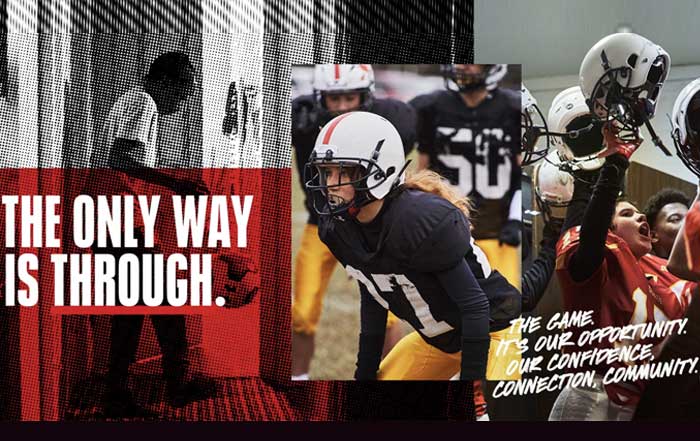
Women's influence in sports apparel has expanded dramatically, not only as consumers but as athletes, executives, designers, and entrepreneurs. The global success of women's football tournaments, the visibility of stars such as Megan Rapinoe, Alexia Putellas, Simone Biles, and Naomi Osaka, and the growth of women-focused fitness communities in cities from Los Angeles and Toronto to Berlin, Tokyo, and Cape Town have forced brands to rethink product design, sizing, and marketing narratives. Instead of shrinking men's products, leading companies are investing in women-specific biomechanics research, inclusive size ranges, and apparel that reflects diverse cultural needs, including modest sportswear and maternity-friendly performance garments.
Organizations like Women in Sport and UN Women highlight that equitable representation in leadership and sponsorship remains a work in progress, but the trajectory is positive, with more women holding senior roles in product, marketing, and strategy within major brands and launching their own labels in markets such as India, Brazil, and South Africa. For xdzee.com, whose coverage of culture and world issues examines how power and opportunity are distributed globally, the rise of women in sports apparel is a clear example of how inclusive design and leadership can unlock new markets while aligning with broader social progress.
Design Innovation, Adventure, and High Performance
Performance-driven design remains the foundation of credibility for sports apparel brands, especially among serious athletes and adventure enthusiasts. Advances in compression technology, aerodynamic tailoring, and weather-adaptive layering have improved outcomes in running, cycling, skiing, and triathlon, with companies like Under Armour, 2XU, Salomon, and Arc'teryx investing heavily in research and athlete testing. For trail runners in New Zealand, mountaineers in the Alps, or surfers in Australia, the difference between average and high-performance apparel can translate into safety, endurance, and competitive advantage.
Outdoor and adventure specialists, including Patagonia, The North Face, and Mammut, continue to pioneer modular and multi-functional systems that support everything from urban commuting to high-altitude expeditions, inspiring broader adoption of technical features in mainstream lines. Publications such as Outside Online and Runner's World regularly showcase how innovations in fabric, construction, and fit contribute to measurable performance gains and improved user experience. For xdzee.com readers passionate about adventure and performance, these developments confirm that the industry's most respected brands are those that can combine rigorous engineering with aesthetics that resonate from the trail to the city.
Supply Chain Resilience, Ethics, and Regulatory Scrutiny
Beneath the surface of product launches and campaigns, supply chain resilience and ethics have become decisive tests of corporate trustworthiness. The disruptions of the early 2020s, coupled with rising geopolitical tensions and climate-related risks, have pushed companies to diversify manufacturing beyond traditional hubs in China, Vietnam, and Bangladesh, spreading production to Mexico, Turkey, Eastern Europe, and parts of Africa. While this diversification improves resilience, it also increases complexity and cost, requiring more sophisticated logistics, forecasting, and supplier management.
At the same time, scrutiny of labor practices and factory conditions has intensified, with watchdogs such as the Fair Labor Association and advocacy movements like Fashion Revolution demanding transparency regarding wages, working hours, and worker safety. Governments, particularly in the European Union, are introducing due diligence regulations that hold brands legally accountable for abuses in their supply chains, while investors increasingly integrate environmental, social, and governance (ESG) criteria into capital allocation decisions. For xdzee.com, with its focus on ethics and safety, these developments highlight that long-term brand equity in sports apparel is inseparable from responsible sourcing, honest reporting, and meaningful remediation when problems arise.
Culture, Identity, and the Global Language of Apparel
Sports apparel has become a powerful medium for cultural expression and identity, transcending its origin as purely functional gear. Football jerseys in Europe, Africa, and South America function as symbols of local pride and global belonging, while sneaker culture-driven by limited releases, collaborations, and resale platforms-connects enthusiasts from New York and London to Shanghai, Seoul, and Johannesburg. Collaborations between major sports brands and artists, musicians, and designers, including partnerships with Travis Scott, Pharrell Williams, and Yoon Ahn, demonstrate how apparel can carry narratives about community, heritage, and aspiration.
Cultural commentators at Highsnobiety and Hypebeast observe that the most resonant collections are those that engage authentically with subcultures-whether skateboarding, street football, climbing, or e-sports-rather than merely appropriating aesthetics. For xdzee.com readers following culture, sports, and global news, this cultural dimension reinforces that sports apparel operates not only as an economic category but as a shared language through which individuals signal affiliations, values, and ambitions across borders.
Looking Ahead: Customization, Regulation, and Integrated Ecosystems
As the industry looks beyond 2026 toward 2030, several structural trends are set to redefine competitive advantage. Customization, powered by AI-driven design tools, 3D body scanning, and on-demand manufacturing, is moving from novelty to expectation, allowing consumers in North America, Europe, and Asia-Pacific to order apparel tailored to their precise measurements, performance goals, and aesthetic preferences. Regulatory pressures on sustainability and supply chain transparency are likely to intensify, particularly in the European Union and United States, where policymakers increasingly see fashion and apparel as critical levers in climate and human rights strategies.
Moreover, the integration of sports apparel into broader digital ecosystems-combining training apps, health data, community platforms, and even insurance incentives-will deepen. Companies that can securely handle sensitive biometric data, demonstrate compliance with privacy standards, and deliver meaningful insights rather than gimmicks will be better positioned to earn long-term trust. For xdzee.com, which connects sports, adventure, travel, and global business perspectives, the evolution of sports apparel offers a rich narrative of how technology, culture, and responsibility can converge to shape not only what people wear, but how they live, move, and define success in an increasingly interconnected world.
In this environment, organizations that demonstrate genuine expertise in performance, a proven track record of ethical behavior, and a transparent commitment to innovation and sustainability will stand apart. As brands, investors, and consumers navigate this complex landscape, the stories and analyses shared on xdzee.com will remain a vital guide to understanding how sports apparel continues to influence economies, workplaces, and everyday life across this beautiful world.