

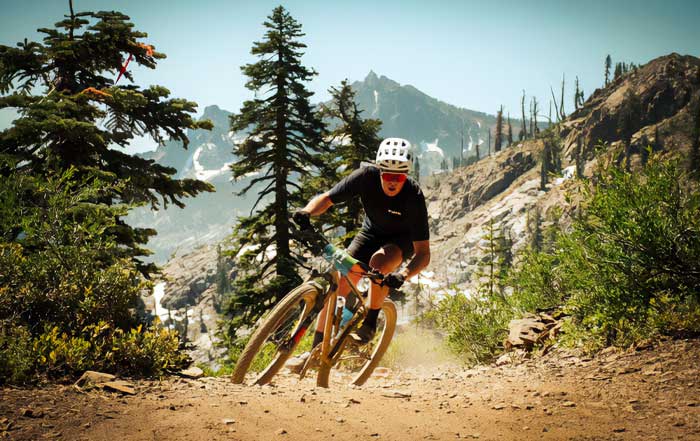
Mountain Biking in 2026: How a Trail Sport Became a Global Business, Culture, and Lifestyle Force
Mountain biking in 2026 stands as one of the most dynamic intersections of sport, travel, technology, and culture, and for the audience of xdzee.com, it represents a vivid example of how a once-niche pastime has evolved into a global ecosystem that spans continents, industries, and communities. What began as adventurous experimentation on rough fire roads in 1970s California has matured into a sophisticated, data-driven, and culturally influential movement that shapes tourism strategies in the United States, infrastructure planning in Europe, lifestyle choices in Asia-Pacific, and emerging economic models in Africa and South America. As readers look for insights that connect sports, adventure, travel, business, and global culture, mountain biking offers a uniquely rich lens through which to understand performance, safety, innovation, ethics, and destination development in a rapidly changing world.
From Rebellious Experiment to Global Sport
The roots of modern mountain biking are often traced to Marin County, California, where pioneers such as Gary Fisher, Joe Breeze, and Tom Ritchey modified heavy cruiser bikes to survive punishing descents on Mount Tamalpais. Over subsequent decades, this grassroots experimentation evolved into a formalized sport, supported by governing bodies such as the Union Cycliste Internationale (UCI), which now oversees disciplines including cross-country (XCO), downhill (DH), and Olympic-level competition. The inclusion of cross-country mountain biking in the Olympic Games in 1996 marked a turning point, bringing the sport into mainstream awareness and accelerating investment in athlete development, coaching, and technology.
By 2026, mountain biking has become deeply integrated into national sports strategies across Canada, Germany, France, Switzerland, Australia, New Zealand, Japan, and South Africa, with high-performance programs drawing on advances in sports science, biomechanics, and data analytics. Organizations such as USA Cycling and British Cycling have expanded their off-road programs, while the UCI Mountain Bike World Series continues to attract global audiences through broadcast and streaming platforms. Those interested in the broader evolution of high-performance sport can explore related perspectives on sports and performance through xdzee.com, where mountain biking often serves as a case study in endurance, skill, and mental resilience.
Destinations That Define the Global Trail Map
The geography of mountain biking in 2026 reflects a sophisticated global network of destinations, each combining natural terrain, infrastructure, and culture in ways that appeal to different segments of riders, from elite racers to families seeking active holidays.
In North America, the legendary slickrock of Moab, Utah, the high-alpine singletrack of Crested Butte, Colorado, and the gravity-focused terrain of Whistler Bike Park in British Columbia have become benchmarks for destination development. Whistler's model of repurposing ski infrastructure for summer bike park operations, with lift-accessed trails graded by difficulty and supported by rental fleets, coaching, and hospitality services, has been emulated by resorts across Europe and Asia-Pacific. Learn more about how destination design is reshaping adventure tourism by exploring global adventure coverage on xdzee.com, where these locations are frequently referenced as archetypes of integrated sports and travel experiences.
In Europe, the cultural layering of centuries-old paths with modern trail engineering has produced an extraordinary variety of experiences. The Swiss Alps, French Alps, and Italian Dolomites host dense networks of singletrack, bike parks, and enduro routes that weave through villages, high pastures, and historic passes. Countries like Germany and Austria have aligned their mountain biking development with broader sustainable tourism strategies, integrating public transport, bike-friendly lodging, and protected-area management. Riders planning European trips often consult resources such as the European Cycling Federation for policy context and Switzerland Tourism for trail-region overviews, then turn to curated destination insights on xdzee.com/travel.html and xdzee.com/destination.html to understand how these regions fit into wider lifestyle and business narratives.
The Asia-Pacific region has emerged as one of the most dynamic frontiers. Japan has leveraged its established winter resorts in Nagano and Hokkaido to build summer bike parks supported by efficient rail networks and hospitality standards that appeal strongly to riders from Singapore, South Korea, Australia, and the United States. New Zealand has consolidated its position as a Southern Hemisphere powerhouse, with Rotorua's Whakarewarewa Forest and Queenstown's bike parks drawing international visitors who combine trail riding with broader adventure itineraries that often include skiing, surfing, and hiking. For riders interested in how mountain biking integrates with wellness, food culture, and regional identity in Asia-Pacific, xdzee.com's lifestyle coverage offers deeper context on how these destinations influence global adventure trends.
South America and Africa: Rapidly Rising Frontiers
In South America, mountain biking has moved from niche status to a central pillar of emerging adventure tourism strategies. Chile, with its extraordinary geographic diversity from the Atacama Desert to Patagonia, has become a flagship market. The Montenbaik series and the presence of Enduro World Series events have helped position the country as a testing ground for elite athletes and ambitious amateurs alike. Peru blends high-altitude riding with cultural immersion, as trails around Cusco and the Sacred Valley pass Incan sites and Andean villages, creating itineraries that combine historical exploration with technical descents. Brazil, with its mountainous regions such as Minas Gerais and the Serra da Mantiqueira, is steadily expanding its network of cross-country and enduro trails, often in conjunction with eco-lodges and community-based tourism initiatives. Those seeking a broader understanding of Latin American tourism shifts can complement trail-focused research with global travel analysis available through xdzee.com/travel.html.
In Africa, South Africa remains the most mature market, anchored by the Absa Cape Epic, widely regarded as one of the toughest stage races in the world. The event's global media footprint has elevated the Western Cape's trail network onto the international stage and inspired investments in regions such as Stellenbosch and the Garden Route. Meanwhile, Kenya and Morocco are leveraging the appeal of the Rift Valley and Atlas Mountains respectively, positioning mountain biking within broader eco-tourism and cultural tourism frameworks. Industry observers tracking macro-level tourism and development trends can contextualize these shifts through global coverage on world and news topics at xdzee.com, which frequently highlights how sport-led tourism contributes to regional branding and economic diversification.
Technology, Equipment, and the Science of Performance
The technological transformation of mountain biking between 2015 and 2026 has been profound, redefining both what riders can do and how they plan, monitor, and analyze their experiences. Modern bikes incorporate carbon fiber frames optimized through finite element analysis, electronically controlled suspension systems, and highly efficient drivetrains such as SRAM Eagle and Shimano XT/XTR that allow precise power delivery across steep gradients. The rise of electric mountain bikes (e-MTBs) has expanded participation, enabling older riders, beginners, and those in mountainous regions to tackle routes that previously demanded elite fitness levels.
Digital platforms have become central to the sport's infrastructure. Tools such as Strava, Trailforks, and Komoot enable riders to discover routes, assess difficulty, and analyze performance metrics like heart rate, power output, and segment times. The integration of GPS, inertial sensors, and cloud-based analytics has allowed coaches and athletes to adopt training methodologies similar to those used in professional road cycling and triathlon. For readers interested in the broader context of data-driven sport, resources like MIT Sloan Sports Analytics provide insight into how performance analytics is reshaping athletic preparation, while xdzee.com offers applied perspectives through innovation coverage.
Safety technology has advanced in parallel. Helmets incorporating MIPS (Multi-directional Impact Protection System), improved full-face designs, and lightweight body armor have significantly reduced the severity of common injuries. Standards from organizations such as ASTM International and the Consumer Product Safety Commission (CPSC) frame product testing protocols, while medical research from institutions like the Mayo Clinic and Cleveland Clinic informs concussion management and return-to-ride guidelines. For readers focused on risk management and personal protection, learn more about modern safety practices through xdzee.com, where mountain biking is often referenced as a benchmark for balancing performance with protection.
Business, Brands, and the Economics of the Trail
The economic footprint of mountain biking has expanded dramatically, influencing regional development, retail strategies, and global brand positioning. Industry reports from organizations such as PeopleForBikes and Outdoor Industry Association indicate that cycling, and mountain biking in particular, contributes billions of dollars annually to local and national economies in North America, Europe, and Asia-Pacific, supporting jobs in retail, manufacturing, hospitality, events, and media. Towns such as Bentonville in Arkansas, Finale Ligure in Italy, and Lenzerheide in Switzerland have transformed themselves into year-round biking hubs, illustrating how strategic trail investment can catalyze real estate development, restaurant growth, and new service businesses.
Global bike manufacturers including Specialized, Trek, Giant, Canyon, and Santa Cruz have evolved into sophisticated lifestyle brands, investing heavily in research and development, sponsored athletes, and content production. Component specialists like SRAM, Shimano, and Fox Racing Shox, along with apparel and protection companies such as POC, Fox Racing, and Endura, form a complex supply chain that spans Asia, Europe, and North America. To understand how these brands position themselves within the broader consumer landscape, readers can explore brand-focused analysis and business coverage on xdzee.com, where mountain biking is frequently examined as a model of innovation-driven brand building.
Adventure travel operators have also embraced premium mountain biking experiences, offering guided trips that combine high-end accommodations with curated trail access in regions like the Dolomites, Pyrenees, Rocky Mountains, and Patagonia. These packages often target affluent travelers from the United States, United Kingdom, Germany, Canada, and Australia, reflecting a broader trend in experiential luxury travel where physical challenge, authenticity, and environmental responsibility are valued alongside comfort and service.
Culture, Lifestyle, and Community Identity
Mountain biking's cultural influence in 2026 extends well beyond the trails. For many riders, it has become a central pillar of identity, shaping how they choose where to live, how they travel, and how they spend their discretionary income. Communities across North America, Europe, and Oceania have seen an influx of residents drawn by proximity to trail networks, remote work opportunities, and outdoor-focused lifestyles. This migration has helped transform towns in Colorado, British Columbia, Scotland, Norway, and New Zealand into hubs of creative industries, digital entrepreneurship, and sports technology startups.
Media has amplified the sport's reach, with films, web series, and documentaries produced by entities such as Red Bull Media House, Outside, and Pinkbike showcasing riders in locations from British Columbia's rainforests to Norway's fjords and Japan's forests. These narratives emphasize creativity, resilience, and connection to nature, resonating strongly with younger demographics seeking alternatives to traditional urban leisure. Readers interested in how mountain biking shapes and reflects contemporary culture can delve into culture-focused features on xdzee.com, where the sport is frequently examined alongside music, design, and digital media trends.
Lifestyle brands have recognized the crossover appeal of mountain biking, incorporating trail-inspired aesthetics into apparel, footwear, and accessories. At the same time, health and wellness narratives increasingly highlight the mental benefits of time spent on the bike, with research from organizations like the World Health Organization and Harvard T.H. Chan School of Public Health underlining the role of moderate-to-vigorous physical activity in reducing stress, anxiety, and cardiovascular risk. For many readers of xdzee.com, mountain biking is thus not only a sport but a vehicle for holistic well-being.
Ethics, Environment, and Responsible Development
As the sport's footprint has grown, so too has scrutiny of its environmental and social impacts. Trails, if poorly planned or maintained, can contribute to erosion, disturb wildlife, and create conflict with hikers or landowners. In response, organizations such as the International Mountain Bicycling Association (IMBA) and national bodies like Forestry England and Parks Canada have developed robust guidelines for sustainable trail design, emphasizing contour alignment, proper drainage, and habitat protection. Many of these principles are accessible through resources like IMBA's guidelines and are increasingly referenced in policy documents across Europe, North America, and Oceania.
Ethical tourism considerations have become particularly important in emerging markets in Africa, Asia, and South America, where mountain biking can bring both opportunity and disruption. Responsible operators now prioritize community consultation, local employment, and revenue-sharing mechanisms, ensuring that trail development benefits residents and respects cultural norms. Environmental NGOs and conservation agencies are also working with rider groups to balance access with biodiversity protection, especially in sensitive areas such as cloud forests, alpine zones, and national parks. Readers looking to explore how ethics, sustainability, and adventure intersect can find in-depth discussion on xdzee.com/ethics.html, where mountain biking often serves as a reference point for responsible outdoor development.
Digitalization, Data, and the Next Wave of Innovation
Looking toward the latter half of the 2020s, digitalization is poised to reshape mountain biking even more profoundly. Augmented reality (AR) overlays for navigation, virtual reality (VR) simulations of iconic trails, and AI-driven coaching platforms are moving from experimental to mainstream. Technology companies and academic labs are already piloting systems that analyze suspension behavior, rider posture, and line choice in real time, providing feedback that can improve both performance and safety. Readers interested in how such technologies are evolving across sports can consult innovation-focused institutions such as MIT Sports Lab and then relate those insights to practical applications in the field through xdzee.com/innovation.html.
Electric-assist platforms continue to evolve as well, with lighter motors, longer-lasting batteries, and more refined control systems making e-MTBs increasingly indistinguishable from traditional bikes in terms of handling. Regulatory frameworks in Europe, North America, and Asia are adapting to accommodate these changes, balancing access with trail protection and user safety. Debates over trail sharing, speed limits, and classification are likely to intensify, requiring nuanced, evidence-based discussions that align with broader mobility and climate strategies.
Careers, Jobs, and Professional Pathways in the Trail Economy
The expansion of mountain biking has created a diverse array of career paths that extend far beyond professional racing. Trail builders, environmental planners, bike mechanics, product designers, event managers, guides, content creators, and data analysts all contribute to what has become a sophisticated global industry. Universities and technical institutes in countries such as Germany, Canada, Australia, and the United Kingdom are now offering programs that touch on outdoor recreation management, sports engineering, and sustainable tourism, feeding talent into this growing ecosystem.
For those considering career transitions or entrepreneurial ventures, mountain biking offers opportunities in guiding services, boutique bike manufacturing, digital platforms, and specialized hospitality. Remote work trends have further enabled professionals in technology, design, and media to base themselves in trail-rich regions, blurring the line between career and lifestyle. Readers exploring new professional directions can find relevant guidance in jobs and careers coverage on xdzee.com, where the mountain bike economy is frequently highlighted as a model of passion-driven work.
A Lifestyle Movement with Global Reach
In 2026, mountain biking is best understood not only as a sport but as a lifestyle movement that connects North America, Europe, Asia, Africa, and South America through shared values of exploration, challenge, and respect for nature. From the forests of British Columbia and the moors of Scotland to the fjords of Norway, the rice terraces of Thailand, and the high plains of South Africa, riders are shaping new patterns of travel, consumption, and community engagement. Governments see in the sport a tool for public health and regional development; brands view it as a platform for innovation and storytelling; and individuals embrace it as a pathway to resilience, connection, and personal growth.
For the global audience of xdzee.com, mountain biking encapsulates many of the themes that define this era: the blending of physical and digital experience, the pursuit of meaningful adventure, the imperative of ethical and sustainable development, and the search for destinations that offer more than passive sightseeing. As trails continue to expand across continents and technologies evolve, mountain biking will remain a powerful lens through which to understand how sport, culture, business, and the environment intersect in a world that increasingly values authentic, active, and responsible experiences.