

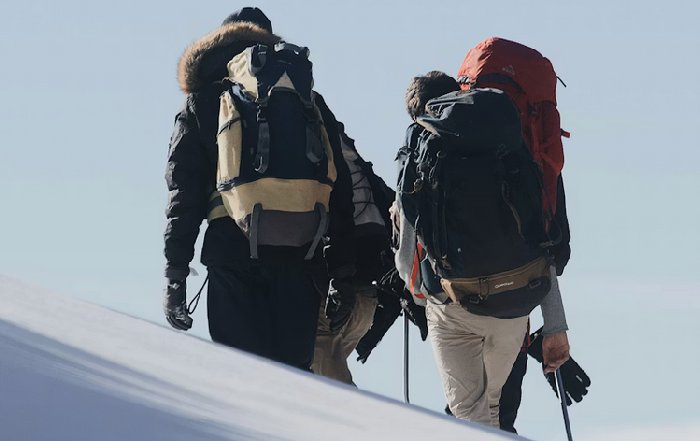
Adventure Activities for Every Type of Explorer
A Redefined Age of Exploration
Adventure has matured into a central pillar of how people live, work, and define success, and it no longer belongs exclusively to elite athletes or professional explorers. Across North America, Europe, Asia, Africa, and South America, individuals from Oslo to Greenland, and Cape Town to China increasingly treat adventure as a strategic investment in personal performance, mental resilience, and long-term wellbeing. Remote fjords in Norway, mountain passes in Switzerland, deserts in Australia, rainforests in Brazil, and coastlines in the United States and Canada have become living laboratories where people test the limits of their capabilities, recalibrate priorities, and reconnect with what matters beyond quarterly targets and digital notifications.
Within this rapidly evolving landscape, XDZEE has emerged as a dedicated, experience-driven hub that connects this global appetite for exploration with rigorous insights and trusted guidance. Through its focus on sports, adventure, travel, business, and world affairs, the platform speaks directly to readers who see adventure as more than entertainment; they see it as a vehicle for growth, innovation, and purposeful living. In this context, the question facing professionals in the United States, United Kingdom, Germany, Canada, Australia, France, Italy, Spain, the Netherlands, China, and beyond is not whether they should embrace adventure, but which form of adventure best aligns with their personality, ambitions, risk tolerance, and ethical values.
Profiling the Modern Explorer
The archetype of the explorer in 2026 is far more diverse than the traditional image of a solitary mountaineer or big-wave surfer. Executives in London's financial district or Frankfurt's corporate hubs now participate in structured expeditions designed as leadership laboratories, where they confront uncertainty in controlled outdoor settings. Remote workers in Canada, New Zealand, and the Nordic countries weave micro-adventures into their weekly schedules, turning nearby forests, coasts, and city parks into spaces for recovery and reflection. In Singapore, Seoul, and Tokyo, entrepreneurs are building brands and platforms that blend physical challenge, cultural immersion, and environmental responsibility into cohesive, marketable experiences.
Leading organizations such as National Geographic and The Explorers Club have highlighted how exploration today is closely tied to scientific discovery, climate research, and cross-cultural dialogue, demonstrating that adventure is no longer synonymous only with adrenaline, but also with insight and impact. Business-focused analyses from sources like Harvard Business Review and Stanford Graduate School of Business underscore this evolution, showing that many high-performing professionals deliberately seek controlled exposure to uncertainty to build cognitive flexibility, creativity, and emotional resilience. These findings support the idea that well-designed adventure activities, when anchored in clear safety protocols and ethical frameworks, can mirror the complexity of contemporary business environments, making them an ideal arena for experiential learning.
For the international audience of XDZEE, which spans markets from the United States and United Kingdom to Germany, China, South Africa, Brazil, and Southeast Asia, adventure is increasingly perceived as a strategic tool rather than a distraction. It becomes a means to sharpen decision-making, expand global networks, deepen cultural literacy, and test leadership skills under pressure, all while maintaining a strong commitment to integrity and responsibility.
Performance-Oriented Adventure and Measurable Growth
A significant segment of modern explorers approaches adventure through the lens of performance optimization. These are the professionals, founders, and senior managers in cities like New York, Toronto, London, Zurich, Singapore, and Sydney who gravitate toward activities that generate clear data and measurable progress. Endurance sports such as ultramarathons, long-distance cycling, triathlons, and multi-day ski touring have grown in popularity because they align with a metrics-driven mindset: time, distance, vertical gain, heart rate, power output, and recovery patterns can all be tracked and analyzed through platforms like Strava, Garmin Connect, or devices from Polar and Suunto.
In parallel, adventure travel providers in the United States, Canada, Switzerland, France, and Spain have started to design programs explicitly framed as leadership and performance courses. High-alpine training in the Alps or Rockies, structured trekking in the Dolomites, and guided expeditions in Patagonia are marketed as opportunities to practice resource allocation, risk assessment, and high-stakes decision-making in real time. For readers who follow performance-focused insights on XDZEE, these experiences resonate because they replicate the complexity and ambiguity of boardroom decisions, but in environments where feedback is immediate and consequences are tangible.
Research from institutions such as MIT and ETH Zurich has strengthened the case for this approach by demonstrating links between sustained physical challenge and enhanced executive function, creativity, and long-term strategic thinking. Neuroscientific studies and organizational research converge on the idea that structured physical stress, when combined with adequate recovery, can help leaders build the mental endurance and adaptability required in volatile markets. For performance-oriented explorers, adventure ceases to be a weekend escape and becomes a disciplined practice that supports professional excellence.
Strategic Adrenaline and the New Thrill Seeker
At the other end of the spectrum lies the thrill seeker, drawn to the visceral intensity of skydiving, wingsuit flying, big-mountain skiing, technical climbing, or high-speed downhill mountain biking. Yet even in this realm, 2026 is characterized less by reckless risk-taking and more by strategic, data-informed decision-making. Global brands such as Red Bull and GoPro have helped elevate extreme sports into mainstream culture, but their media narratives increasingly emphasize preparation, coaching, and safety systems, rather than glorifying uncontrolled risk.
In regions like the Swiss Alps, Canadian Rockies, Norwegian fjords, and Japanese Alps, professional guides now incorporate wearable sensors, satellite communication, avalanche forecasting tools, and real-time meteorological data from providers such as MeteoSwiss and the National Oceanic and Atmospheric Administration (NOAA) into their planning. International bodies like the International Mountaineering and Climbing Federation (UIAA) continue to refine safety standards for equipment, route setting, and guiding practices, ensuring that even the most intense experiences are grounded in rigorous technical frameworks.
For XDZEE readers who are captivated by high-intensity sports and adventure narratives, the key insight is that modern thrill seeking is most powerful when it is intentional and well-prepared. The emphasis shifts from seeking the "craziest" possible activity to identifying experiences where expert guidance, robust safety protocols, and transparent risk communication are non-negotiable. Adrenaline, in this context, becomes a tool for expanding comfort zones and building confidence, not an end in itself.
Cultural Immersion as Adventure Capital
For many explorers in Europe, Asia, Africa, and the Americas, the most meaningful adventures are not defined by altitude, speed, or distance, but by depth of cultural immersion. Culinary journeys through Italy and France, wine routes in Spain, historical walking tours in the United Kingdom, temple circuits in Thailand and Japan, and indigenous-led experiences in Canada, South Africa, and Brazil invite travelers to engage with local narratives, traditions, and social realities in ways that transcend conventional sightseeing.
Institutions like UNESCO and the World Tourism Organization (UNWTO) have consistently emphasized the importance of safeguarding cultural heritage and promoting tourism models that respect local communities. Community-based tourism initiatives in regions from the Andes to the Arctic and from Southeast Asia to Southern Africa demonstrate how carefully designed adventures can preserve languages, craft traditions, and spiritual practices while generating dignified livelihoods. For readers drawn to culture-focused coverage on XDZEE, these immersive experiences offer a form of exploration where listening, learning, and reciprocity are more important than physical conquest.
This cultural turn in adventure has also reshaped brand strategies. Travel companies and hospitality groups increasingly collaborate with local cooperatives, heritage organizations, and social enterprises to co-create itineraries that distribute economic benefits fairly, respect cultural protocols, and avoid commodifying sacred or sensitive practices. Explorers who prioritize this dimension of adventure evaluate experiences not only by how memorable they are, but by how responsibly they are designed and how positively they contribute to the communities they touch.
Sustainability as a Core Adventure Principle
By 2026, environmental sustainability is no longer a niche concern in the adventure sector; it is a defining expectation. The visible effects of climate change on glaciers in Switzerland and Norway, coral reefs in Australia and Thailand, forests in Canada and Brazil, and coastal zones in the United States and the Netherlands have made it impossible for serious explorers to ignore their ecological footprint. Reports from the Intergovernmental Panel on Climate Change (IPCC) and advocacy by organizations such as WWF and The Nature Conservancy have highlighted the vulnerability of many iconic adventure destinations, urging travelers and operators to shift from extractive to regenerative models.
Sustainability-minded adventurers increasingly favor human-powered or low-impact activities, such as long-distance hiking, bikepacking, ski touring, sea kayaking, and rail-based itineraries across Europe and Asia. Many actively seek out operators that adhere to Leave No Trace principles or hold B Corp certification, seeing these signals as evidence of serious commitment to environmental and social responsibility. Business and policy discussions hosted by platforms like the World Economic Forum have further explored how tourism and adventure can support decarbonization, biodiversity protection, and inclusive growth. Learn more about sustainable business practices through these global initiatives, which are reshaping how investments in travel and outdoor industries are evaluated.
For XDZEE, whose editorial lens spans world developments, business strategy, and ethics, sustainability is integrated into how destinations, operators, and gear are assessed. Readers increasingly expect guidance on emissions, local conservation efforts, and regenerative models, and they want to understand how their choices influence fragile ecosystems and frontline communities. The sustainability-minded explorer treats every journey as an opportunity to support restoration projects, citizen-science initiatives, and advocacy campaigns that protect the very landscapes and cultures that make adventure possible.
Safety, Risk, and Shared Responsibility
As adventure activities become more accessible to broader demographics and age groups, the question of safety has taken on renewed significance. Technological advances in gear, navigation, and communication have reduced certain types of risk, yet they can also create a dangerous illusion of invulnerability if not paired with sound judgment and adequate training. Organizations such as the American Alpine Club, UIAA, and national mountain rescue services in Switzerland, Norway, Japan, and the United States consistently emphasize that no device can replace experience, humility, and respect for natural conditions.
Regulatory frameworks in countries including the United States, United Kingdom, Australia, and New Zealand have evolved to demand higher standards of operator accountability, transparent risk disclosure, and adherence to international safety norms. Professional certification pathways for guides in mountaineering, canyoning, diving, rafting, and backcountry skiing have become more rigorous, aligning local practices with global benchmarks. For readers interested in the interplay between safety and innovation, this trend underscores the importance of scrutinizing not only marketing promises, but also training regimes, emergency protocols, and insurance coverage.
Responsible explorers increasingly adopt a partnership mindset when it comes to safety. They invest in their own skills through avalanche-awareness courses, navigation workshops, and wilderness first-aid training, often drawing on resources from organizations such as the Red Cross and the Wilderness Medical Society. They recognize that risk management is a shared responsibility between participant and provider, and that informed decision-making begins long before stepping onto a trail, rope, or boat. This ethos mirrors broader professional standards, where accountability, preparation, and continuous learning are central to trust and performance.
Adventure as a Catalyst for Careers and Brands
The line between leisure and career development has blurred significantly, and adventure now plays a notable role in how individuals shape their professional trajectories. The global adventure economy in 2026 encompasses guiding, instruction, expedition leadership, product design, sustainability consulting, media production, and digital platform development, creating a wide array of career paths across continents. Remote work and hybrid arrangements in markets such as Germany, Canada, the Netherlands, Singapore, and Australia have enabled professionals to combine project-based consulting or entrepreneurship with extended periods of exploration.
Research from firms like McKinsey & Company and Deloitte has highlighted how non-linear, experience-rich career paths can enhance adaptability, cross-cultural competence, and leadership capacity. Employers in finance, technology, healthcare, and creative industries are increasingly receptive to candidates who can demonstrate that leading expeditions, managing logistics in remote regions, or building adventure-focused brands has cultivated transferable skills such as risk management, stakeholder coordination, and crisis communication. For readers exploring jobs and career transitions on XDZEE, the message is that well-curated adventure experiences can become assets on a CV rather than gaps to be explained away.
Simultaneously, the growth of adventure-related brands in the United States, United Kingdom, Japan, South Korea, and across Europe has opened opportunities in marketing, product innovation, sustainability strategy, and digital storytelling. Industry analyses from organizations like Boston Consulting Group and the World Travel & Tourism Council examine how consumer expectations are shifting toward experience, authenticity, and purpose, prompting both legacy and emerging brands to reorient around meaningful adventure narratives. For founders and intrapreneurs, the intersection of adventure, technology, and ethics presents fertile ground for innovation, from climate-resilient gear and circular apparel models to platforms that connect travelers with vetted local guides and regenerative projects.
Urban and Micro-Adventures in Everyday Life
In many of the world's major metropolitan areas-from New York, Los Angeles, and Toronto to London, Berlin, Amsterdam, Singapore, Tokyo, Seoul-adventure is increasingly woven into the rhythms of daily life through urban and micro-adventures. Short, accessible experiences such as post-work trail runs, early-morning paddle sessions, weekend climbing excursions, or overnight bikepacking trips allow busy professionals and families to reap the psychological and physical benefits of exploration without extensive travel or planning.
Urban planners and policymakers, informed by research from bodies such as the World Health Organization (WHO) and the Organisation for Economic Co-operation and Development (OECD), are investing in green corridors, waterfront redevelopment, cycling infrastructure, and accessible trail networks that facilitate active lifestyles. In cycling-forward countries like the Netherlands and Denmark, and in cities such as Munich, Vancouver, and Melbourne, commuting itself often becomes a form of low-intensity adventure, blending mobility, sustainability, and wellbeing. For the XDZEE community engaging with lifestyle and destination content, this evolution reinforces the idea that exploration does not require a sabbatical; it can be integrated into the structure of an ordinary week.
This democratization of adventure has important implications for equity and inclusion. Community organizations, schools, and public-private partnerships in South Africa, Brazil, Malaysia, and across parts of Asia and Africa are working to ensure that underrepresented groups and young people have access to outdoor experiences, recognizing their role in building confidence, teamwork, and environmental stewardship. As more individuals experience entry-level adventures close to home, the pipeline of future explorers, guides, conservationists, and innovators expands, strengthening the long-term resilience of the global adventure ecosystem.
Ethics, Governance, and the Future of Responsible Exploration
As adventure tourism and outdoor recreation continue to grow in economic significance, ethical questions have become central to discussions among policymakers, businesses, and travelers. Overtourism in fragile environments, cultural commodification, displacement of local communities, unsafe labor conditions, and environmental degradation are no longer abstract concerns; they are visible realities in destinations from Southeast Asia to Southern Europe and from the Himalayas to Latin America. Organizations such as the UN Environment Programme (UNEP) and the Global Sustainable Tourism Council (GSTC) advocate for robust standards and governance frameworks that align economic development with social justice and ecological integrity.
For the readership of XDZEE, which actively engages with ethics, business, and world news, this means evaluating adventure options through a multidimensional lens. Key questions include who controls and benefits from tourism revenue, how local voices are incorporated into planning and decision-making, and what long-term impacts increased visitation will have on water resources, waste systems, biodiversity, and cultural continuity. Guidance from organizations like UNWTO and OECD offers frameworks for governments and industry leaders seeking to manage growth responsibly and avoid repeating the mistakes of past tourism booms.
Ethically minded explorers in 2026 are more vocal and discerning than ever. They favor operators that publish transparent impact reports, partner with credible NGOs, invest in local capacity building, and align with global standards for decent work and environmental protection. They are prepared to pay a premium for experiences that demonstrably support conservation, education, and community resilience, understanding that artificially low prices often conceal externalized costs borne by vulnerable ecosystems and populations. This values-driven approach mirrors broader shifts in consumer behavior across sectors, where trust, authenticity, and purpose are decisive in shaping long-term loyalty.
Matching the Right Adventure to the Right Explorer
In a world where adventure opportunities are abundant-from the national parks of the United States and Canada to the Alps and Dolomites of Europe, the coastlines of Australia and New Zealand, the cultural corridors of China, Japan, and Thailand, and the emerging destinations of Africa and South America-the core challenge for modern explorers is discernment rather than access. The most rewarding experiences are those that align physical capabilities, psychological profiles, ethical priorities, and professional contexts, ensuring that adventure becomes a source of sustainable growth rather than burnout or regret.
Readers who engage with XDZEE across adventure, travel, brands, and innovation increasingly look for guidance that integrates safety, sustainability, cultural sensitivity, and performance outcomes. They seek narratives that inspire and challenge, but also frameworks that help them make informed decisions about where to go, whom to trust, and how to behave as responsible guests in diverse environments. In this context, the role of a platform like XDZEE is to combine global perspective with practical expertise, curating best-in-class operators, destinations, and practices while maintaining a clear commitment to transparency and integrity.
As 2026 progresses, adventure will continue to serve as a powerful medium through which individuals and organizations confront uncertainty, test new ideas, and build deeper connections with people and places around the world. Whether the priority is peak physical performance, intense adrenaline, cultural immersion, environmental stewardship, career development, or everyday wellbeing, there is an adventure suited to every type of explorer. The task is to choose with intention, act with responsibility, and approach each journey as part of a broader commitment to a more resilient, inclusive, and sustainable future. In that ongoing journey, XDZEE remains dedicated to guiding its global audience with expertise, authoritativeness, and an unwavering respect for the transformative potential of exploration.