

The New Era of Adventure Travel in 2026: Thrill, Responsibility, and Global Opportunity
Adventure travel in 2026 stands at a powerful intersection of aspiration, technology, ethics, and global mobility, and for the audience of xdzee.com, it has become less a niche segment of tourism and more a defining expression of how they choose to live, work, and experience the world. What began decades ago as a pursuit dominated by elite mountaineers, specialist guides, and remote expeditions has evolved into a sophisticated global ecosystem that now touches sports, business, culture, lifestyle, performance, safety, and innovation in ways that would have been difficult to imagine even a decade ago. Today's thrill seekers are not only chasing rapids, summits, and deep powder; they are also navigating complex questions of sustainability, digital identity, career choices, and community impact, turning every journey into a multilayered story of risk, resilience, and responsibility.
This transformation reflects broader shifts in global behavior. As international travel has resumed and reconfigured after years of disruption, travelers from the United States, United Kingdom, Germany, Canada, Australia, France, Italy, Spain, the Netherlands, Switzerland, China, South Korea, Japan, Singapore, and across Europe, Asia, Africa, and the Americas have increasingly rejected purely passive tourism in favor of immersive, strenuous, and often uncomfortable experiences that promise growth. According to the World Tourism Organization (UNWTO), experiential and adventure-driven itineraries continue to outpace traditional package holidays, as travelers seek journeys that test their limits and connect them deeply with local cultures and fragile ecosystems. Those who regularly follow xdzee.com/travel.html and xdzee.com/adventure.html recognize that this is not a passing fashion; it is a structural evolution of global demand.
The Thrill Seeker's Mindset in a Connected World
The mindset of the modern thrill seeker in 2026 is shaped as much by psychology and technology as by geography. Adventure travelers share an appetite for uncertainty and controlled risk, but they also operate in a world where information, data, and digital storytelling are ever-present. They plan routes through satellite imagery, track performance with wearables, and share summit photos in real time, yet the core motivation remains profoundly human: to understand themselves better by stepping into the unknown.
Research highlighted by organizations such as the UNWTO and the Adventure Travel Trade Association (ATTA) shows that adventure travelers increasingly frame their journeys as catalysts for personal transformation, whether that involves crossing a desert, completing a multi-day ultra trail, or living among remote communities. Younger travelers from North America and Europe often look for highly visual, shareable experiences that can become part of their online identity, while older segments in countries such as Germany, the Netherlands, and Scandinavia prioritize longevity, wellness, and purpose, aligning their adventures with long-term health and environmental values. Those who explore xdzee.com/lifestyle.html can see how adventure has become intertwined with fitness regimes, mental health strategies, and even career decisions, as remote work and flexible roles allow longer, more ambitious trips.
This mindset is not limited to any one region. In Asia, where middle-class growth continues in China, India, and Southeast Asia, domestic and regional adventure markets are expanding rapidly. In Africa and South America, local operators are building sophisticated offerings that blend extreme environments with cultural immersion. The result is a global community of thrill seekers who may never meet in person but who share similar narratives of training, risk assessment, and post-journey reflection, often connected through digital platforms and specialist communities. Learn more about how experiential tourism is reshaping global travel patterns via the UNWTO at unwto.org.
North America: High-Performance Frontiers for Global Thrill Seekers
North America remains one of the most diverse and mature adventure markets, offering everything from desert ultramarathons in the United States to heli-skiing in Canada and surf-volcano combinations in Hawaii. For readers who follow xdzee.com/sports.html and xdzee.com/performance.html, the region illustrates how physical challenge, elite athleticism, and environmental stewardship increasingly converge.
In the United States, destinations such as the Grand Canyon, the Sierra Nevada, and the high deserts of Utah continue to attract hikers, climbers, trail runners, and whitewater enthusiasts from across the globe. The National Park Service has intensified its focus on visitor education, risk management, and climate resilience, as rising temperatures and shifting weather patterns alter trail conditions and river flows. Travelers planning rim-to-rim crossings or multi-day rafting expeditions on the Colorado River are now encouraged to make use of digital route planning tools, real-time weather updates, and backcountry permit systems that balance access with conservation. Learn more about current safety and access guidelines through the National Park Service.
Further north, the Canadian Rockies in Alberta and British Columbia continue to evolve as a multi-season adventure laboratory. Heli-skiing, glacier travel, and technical climbing around Banff, Jasper, and the Columbia Icefield demand not only physical conditioning but also an understanding of avalanche science, glacial dynamics, and wilderness first aid. Parks Canada has expanded its digital resources to support both domestic and international visitors in planning safe trips, emphasizing route selection, gear standards, and wildlife protocols that are critical in grizzly and cougar territory. Those exploring Canada's backcountry from Europe, Asia, or Australia increasingly integrate their journeys with remote work schedules, turning month-long stays into a blend of high-intensity weekends and focused professional weeks. More details on responsible adventure access can be found at Parks Canada.
Alaska remains one of the last great North American frontiers, where expeditions to Denali, multi-day packrafting journeys, and glacier kayaking attract advanced thrill seekers from Germany, the United Kingdom, and Scandinavia, among others. Here, the integration of satellite communication, avalanche beacons, and advanced rescue capabilities has not eliminated risk but has changed how risk is managed, allowing more people to attempt ambitious routes while still demanding a high level of expertise, judgment, and respect for local guides.
South America: Deep Immersion in Wild Landscapes and Living Cultures
South America continues to occupy a special place in the imagination of global thrill seekers because it combines some of the planet's most dramatic landscapes with living cultures that have adapted to extreme environments over centuries. The region's appeal to readers of xdzee.com/culture.html and xdzee.com/world.html lies precisely in this fusion of raw nature and human resilience.
Patagonia, straddling Argentina and Chile, has entrenched itself as a benchmark destination for serious trekkers, climbers, and endurance athletes from Europe, North America, and Asia. The iconic W and O circuits in Torres del Paine National Park, the granite spires of Fitz Roy and Cerro Torre, and the vast Southern Patagonian Ice Field continue to test the limits of equipment, logistics, and mental stamina. In recent years, governments and local operators have intensified efforts to manage visitor numbers, harden trails, and promote low-impact practices to protect fragile ecosystems from erosion and waste. Those interested in long-distance trekking, glacial travel, and climate-affected landscapes can learn more through official Chilean tourism resources at chile.travel.
Further north, the Amazon Rainforest remains an arena for a very different kind of adventure-one defined less by altitude and cold than by humidity, biodiversity, and complexity. Multi-day river expeditions, survival courses, and community-based tourism projects in Brazil, Peru, and Colombia are increasingly framed around conservation and climate education. Organizations such as the World Wildlife Fund (WWF) and local NGOs collaborate with indigenous communities to design itineraries that expose visitors to the realities of deforestation, wildlife trafficking, and climate risk while offering authentic and often physically demanding immersion in the forest. Travelers who once came primarily for the thrill of piranha fishing or nocturnal wildlife spotting now often leave with a deeper understanding of global environmental interdependence. Learn more about conservation-focused travel in the Amazon through the World Wildlife Fund.
In the high Andes of Peru and Bolivia, adventure infrastructure has matured significantly. While the classic Inca Trail to Machu Picchu remains heavily regulated to protect its archaeological and ecological integrity, alternative routes and high-altitude circuits have proliferated, attracting seasoned hikers and fastpackers who seek less crowded, more demanding experiences. In Bolivia, the notorious Yungas "Death Road" continues to draw extreme mountain bikers, but with stricter safety protocols, improved equipment standards, and better emergency response systems than in its early days. These developments highlight how local authorities and operators are gradually embedding risk management and ethical guidelines into even the most extreme offerings.
Europe: Precision, Heritage, and High-Intensity Adventure
Europe's adventure landscape in 2026 offers an unusually dense tapestry of options, combining world-class infrastructure, strong safety regulations, and centuries of cultural heritage. For business travelers and professionals who follow xdzee.com/business.html and align their trips with conferences or meetings in cities like Zurich, Munich, London, or Milan, Europe is uniquely positioned for high-intensity weekend adventures that fit around demanding work schedules.
In Switzerland, Interlaken and the broader Bernese Oberland remain reference points for controlled, high-adrenaline experiences such as skydiving, canyoning, and bungee jumping, all delivered under rigorous regulatory frameworks that have helped make the country a benchmark for safety and quality. The precision associated with Swiss engineering extends into adventure operations, from aircraft maintenance for skydiving to rope and harness standards in canyoning, giving international visitors a level of trust that encourages them to attempt activities they might avoid elsewhere. Those considering combining alpine sports with business travel can explore official resources through Switzerland Tourism.
Iceland continues to attract travelers from the United States, the United Kingdom, Germany, and the Nordic countries who seek volcanic trekking, glacier hiking, and diving in the Silfra fissure, where visibility and geological significance make for an unparalleled experience. The country has become an important case study in balancing tourism growth with environmental limits, as authorities work to protect fragile highland ecosystems and glacial regions from overtourism. The same geothermal and volcanic forces that make Iceland thrilling also make it vulnerable, and adventure travelers are increasingly encouraged to understand the science behind eruptions, glacial melt, and geothermal dynamics in order to appreciate the stakes of their journeys.
The Dolomites in Italy and the Scottish Highlands in the United Kingdom illustrate another aspect of Europe's adventure proposition: the fusion of demanding physical activity with deep cultural and culinary experiences. Via ferrata routes, multi-pitch climbs, and ski mountaineering in the Dolomites are frequently paired with stays in family-run rifugi and exploration of regional cuisine that reflects both Italian and Austrian influences. In Scotland, long-distance trails, winter mountaineering, and sea kayaking along rugged coasts are naturally integrated with local storytelling, music, and hospitality. For readers interested in destinations that deliver both cultural depth and physical challenge, xdzee.com/destination.html regularly highlights European regions where these elements converge.
Asia: Extreme Contrasts from Himalayan Summits to Tropical Seas
Asia's scale and diversity make it one of the most dynamic regions for adventure travel in 2026, with rapidly improving infrastructure in some areas and still-remote, demanding environments in others. For global readers of xdzee.com, Asia offers opportunities that range from elite-level mountaineering to accessible yet intense jungle and coastal experiences.
The Himalayas, particularly in Nepal, remain the ultimate proving ground for high-altitude trekkers and climbers from across the world, including strong contingents from the United States, the United Kingdom, Germany, France, Japan, and South Korea. While Mount Everest still commands global attention, there has been a noticeable shift toward less crowded but technically and physically challenging peaks, as well as longer trekking circuits that reduce congestion on classic routes. The role of Sherpa and other local mountain communities remains central, and in recent years there has been greater scrutiny of labor conditions, safety standards, and environmental practices on popular peaks. Databases such as the Himalayan Database provide detailed historical records of ascents, fatalities, and route conditions, helping climbers and planners make evidence-based decisions about their objectives. Learn more about Himalayan expedition data at the Himalayan Database.
Elsewhere in Asia, Japan and Thailand represent two very different but complementary models of adventure. Japan's Japanese Alps, Hokkaido's powder fields, and the coastal diving sites of Okinawa appeal to travelers who value meticulous infrastructure, safety culture, and the opportunity to pair extreme days with refined evenings in onsens or traditional ryokan. Thailand, by contrast, combines the vertical challenges of Krabi's limestone cliffs, the jungle environments around Chiang Mai, and the powerful currents of the Andaman Sea with a more relaxed, improvisational ethos. In both countries, adventure tourism is increasingly integrated with broader national branding around wellness, gastronomy, and culture, reinforcing the idea that a climbing or diving trip can also be an entry point into deeper engagement with local traditions.
Asia's rapid urbanization and economic growth have also created new adventure hubs in places such as South Korea, where mountain trails and coastal surfing spots are easily accessible from major cities, and in Singapore and Hong Kong, where indoor climbing gyms, urban trail systems, and artificial surf facilities have emerged as training grounds for regional expeditions. For those tracking global trends, xdzee.com/world.html frequently examines how Asian markets are reshaping the supply and demand dynamics of adventure travel worldwide.
Africa: Raw Power, Conservation, and Emerging Opportunity
Africa's adventure narrative in 2026 is defined by scale, raw power, and the growing influence of conservation-led tourism models. Travelers from Europe, North America, and Asia are drawn not only by iconic challenges such as Mount Kilimanjaro or Victoria Falls, but also by lesser-known routes in countries like Namibia, Rwanda, and South Africa, where desert crossings, high-altitude trails, and shark-diving expeditions offer intense experiences framed by strong conservation messaging.
Climbing Kilimanjaro continues to be a defining goal for many first-time high-altitude trekkers, including corporate teams and charity fundraisers from the United Kingdom, Germany, and Canada. The route network, guide standards, and porter welfare policies have all evolved, with increasing pressure from international travelers and organizations to ensure fair wages, appropriate equipment, and environmentally sensitive practices. Similarly, the whitewater rafting and bungee operations around Victoria Falls have become more tightly regulated, with improved training and rescue protocols that aim to maintain the area's reputation as one of the world's most intense adventure hubs while minimizing accidents.
Beyond these headline destinations, Africa's deserts, mountains, and coastlines are drawing more specialized segments of the adventure market. The Sahara Desert in Morocco hosts ultra-endurance events and motorized rallies that test navigation, heat management, and psychological resilience, while Namibia's Skeleton Coast and dunes present opportunities for multi-day 4x4 expeditions and fat-bike adventures. In South Africa, shark cage diving, high coastal hikes, and big-wave surfing coexist with a sophisticated conservation and research ecosystem that allows visitors to engage with marine biologists and wildlife experts. For readers concerned with risk management and responsible behavior in such environments, xdzee.com/safety.html provides ongoing analysis of best practices and evolving standards.
Oceania: Innovation, Remote Beauty, and Integrated Experiences
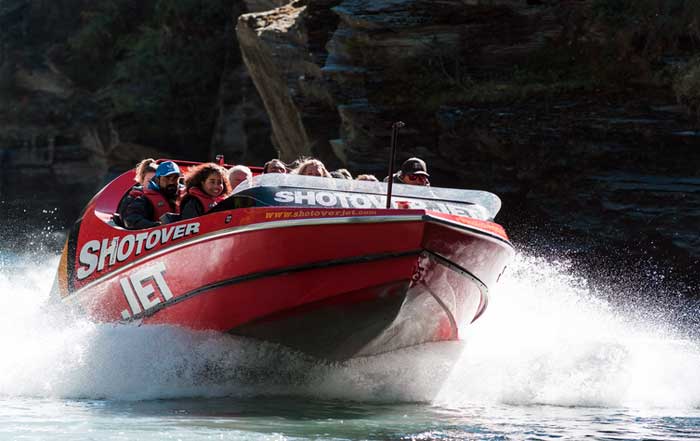
Oceania, particularly New Zealand and Australia, remains synonymous with innovation in adventure design and marketing. The region has long been at the forefront of commercial bungee jumping, jet boating, and integrated adventure packages, and in 2026 it continues to experiment with new formats that combine remote beauty, indigenous culture, and cutting-edge safety systems.
New Zealand's Queenstown still holds its reputation as a global adventure capital, but the national offering has broadened to include multi-day bikepacking routes, backcountry ski touring, and coastal kayaking expeditions that emphasize self-sufficiency and environmental respect. The country's strong regulatory frameworks and rescue infrastructure, combined with a culture that celebrates both risk-taking and meticulous preparation, make it particularly attractive to travelers from Europe, North America, and Asia who want to push their limits without compromising on safety. Official national resources, such as those available via Tourism New Zealand, provide detailed planning guidance for international visitors at newzealand.com.
Australia, with its combination of the Great Barrier Reef, the Outback, and extensive surf coastlines, offers a spectrum of experiences from highly technical diving to long-distance desert crossings. Sustainability has become a central theme in reef-based tourism, with stricter controls on visitor numbers, operator certifications, and reef-safe practices, reflecting the urgency of coral conservation in the face of climate change. Inland, multi-day treks and 4x4 expeditions across remote desert regions demand navigation skills, heat adaptation, and a deep respect for indigenous land rights and cultural protocols. For thrill seekers who value both environmental and cultural literacy, Oceania embodies the integrated approach to adventure that xdzee.com consistently advocates.
Safety, Innovation, and Ethical Frameworks in 2026
The expansion of adventure travel has inevitably brought safety, technology, and ethics to the center of industry and traveler conversations. By 2026, the integration of digital tools, data analytics, and advanced equipment has fundamentally changed how expeditions are planned, executed, and monitored, but it has not removed the need for judgment, experience, and humility.
Wearable devices now routinely track heart rate variability, altitude adaptation, hydration, and sleep quality, giving both travelers and guides real-time insights into physiological stress. Satellite messengers and emergency beacons provide two-way communication in remote areas, allowing for more efficient rescue operations and better-informed decision-making. Drones are used to scout avalanche conditions, river hazards, and crevasse fields, supporting guides in high-risk environments. For those interested in the technological frontier of adventure, xdzee.com/innovation.html regularly explores how new tools are reshaping risk management and route planning.
At the same time, ethical considerations have become non-negotiable for serious travelers and responsible operators. Principles such as Leave No Trace, fair labor practices, cultural sensitivity, and community benefit-sharing are now widely discussed in industry forums and traveler communities. Organizations including the ATTA and environmental NGOs provide frameworks for sustainable operations, while governments and local associations in destinations from Iceland to Nepal and Kenya are increasingly embedding these principles into regulation and certification schemes. Readers looking to align their personal adventure choices with broader ethical standards can find ongoing discussion and guidance at xdzee.com/ethics.html.
Adventure as a Strategic Life Choice
For the professional, globally mobile audience of xdzee.com, adventure travel in 2026 is no longer just a leisure category; it has become a strategic life choice that influences how they allocate time, money, and energy across work, family, and personal development. Many build annual calendars around key objectives-a multi-day trail race in Europe, a Himalayan trek, a surf and dive expedition in Indonesia, or a desert ultra in Africa-and then structure work commitments to support training and recovery. Others use adventure experiences as catalysts for career shifts, entrepreneurial ventures, or leadership development, drawing on the parallels between expedition planning and business strategy.
This integration is visible in areas such as sports performance, where insights from endurance training and risk management feed into corporate well-being programs, and in the world of brands and sponsorships, where companies in sectors from outdoor equipment to financial services align themselves with the values of resilience, innovation, and global citizenship that adventure represents. Those tracking these intersections can explore related coverage at xdzee.com/brands.html and xdzee.com/news.html, where the evolving relationships between athletes, destinations, and global companies are regularly analyzed.
Ultimately, adventure travel in 2026 is best understood not as an escape from real life, but as an intensified version of it-one that compresses risk, decision-making, uncertainty, and reward into vivid episodes that leave lasting marks on identity and perspective. Whether a traveler is standing on a Himalayan pass, diving a Pacific reef, crossing a Saharan dune field, or running a technical ridge in the Alps, the experience extends far beyond the moment, influencing how they approach challenges in boardrooms, cities, and communities around the world.
For readers of xdzee.com, the message is clear: the world remains full of demanding, beautiful, and fragile places that are accessible to those who prepare wisely, travel responsibly, and engage respectfully. By choosing destinations and operators that prioritize safety, innovation, ethics, and cultural depth, thrill seekers can ensure that their journeys do more than deliver adrenaline; they can contribute to a more connected, informed, and conscientious global community. Those ready to plan their next step into the unknown will find ongoing inspiration, analysis, and destination insights across xdzee.com, where adventure is treated not just as a pastime, but as a serious, transformative dimension of modern life.