

Paragliding in Europe: How a Niche Sport Became a Strategic Force in Adventure Tourism
Paragliding as a Defining Experience for the Modern Traveler
Paragliding in Europe has evolved from a specialist pursuit for extreme sports enthusiasts into a strategic pillar of the continent's adventure tourism economy, shaping how travelers think about freedom, sustainability, culture, and performance. For the global audience that turns to xdzee.com for insight into the intersection of sports, travel, lifestyle, and business, paragliding now stands as a vivid example of how a single activity can influence destination branding, regional development, and even cross-border cultural exchange. The sport's appeal lies in its rare combination of emotional intensity and environmental lightness; unlike many mechanized activities, paragliding depends on wind, terrain, and pilot skill rather than fossil fuel, aligning closely with Europe's broader commitment to climate responsibility and innovation.
In an era where travelers across the United States, United Kingdom, Germany, Canada, Australia, and rapidly growing markets in China, South Korea, Brazil, and South Africa increasingly prioritize experiences over possessions, paragliding offers a compelling narrative: the chance to step off a mountain ridge in the Alps or a coastal cliff above the Mediterranean and experience landscapes from a perspective once reserved for birds and aviators. This narrative is reinforced by tourism boards, regulators, and international organizations that have collaborated to raise safety standards, professionalize training, and integrate paragliding into national tourism strategies. Platforms like xdzee.com now play a central role in connecting this new generation of travelers with destinations, operators, and cultural stories, positioning paragliding not just as a sport but as a gateway into Europe's evolving adventure culture.
Why Europe Leads: Geography, Infrastructure, and Trust
Europe's dominance in paragliding is rooted in its geographic diversity and dense, high-quality infrastructure. Within a few hours' travel, visitors can move from the snow-covered peaks of the Alps to the volcanic landscapes of the Canary Islands, the fjords of Norway, the coastal cliffs of Portugal, or the green valleys of Slovenia. Each of these regions has developed its own paragliding identity, shaped by local culture, climate, and regulatory philosophy, yet bound together by a shared European emphasis on safety, professionalism, and environmental stewardship. Travelers who follow global travel perspectives increasingly view Europe as a single, interconnected playground for air sports, where they can combine paragliding with skiing, sailing, hiking, or cultural city breaks in a single itinerary.
This leadership is reinforced by robust transport networks and tourism ecosystems. Major hubs such as Zurich, Munich, Milan, Barcelona, and Geneva provide efficient access to mountain and coastal sites, while high-speed rail systems in France, Germany, Italy, and Spain enable low-carbon, multi-country adventure routes that resonate with sustainability-focused travelers. At the same time, Europe's regulatory environment-shaped by national aviation authorities and international bodies like the Fédération Aéronautique Internationale (FAI)-has created a consistent framework for training, licensing, and operational safety. For business travelers and high-net-worth individuals who read xdzee.com/business, this reliability translates directly into trust: they can book tandem flights or advanced courses with the confidence that operators are subject to rigorous oversight and best-practice standards.
To understand how this leadership manifests on the ground, it is useful to examine Europe's flagship paragliding regions, each of which has become a destination brand in its own right.
The Alpine Icons: Chamonix, Interlaken, and the Dolomites
The European Alps remain the spiritual home of paragliding, and three regions in particular have built globally recognized reputations that attract visitors from North America, Asia, and Oceania year-round.
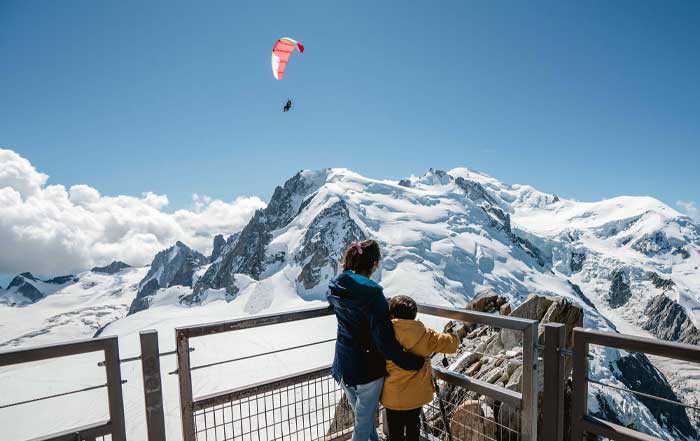
In Chamonix, France, often described as the cradle of modern mountaineering, paragliding has become an integral part of the local economy and identity. Launching beneath Mont Blanc, pilots and tandem passengers soar above glaciers, forests, and historic villages, experiencing vertical relief that few locations can match. The town's combination of high-end hospitality, technical guiding services, and advanced alpine rescue infrastructure has turned it into a benchmark for integrated mountain tourism. Travelers considering performance-focused sports in the region often look to sports tourism insights to understand how Chamonix aligns elite athleticism with premium lifestyle expectations.
In Interlaken, Switzerland, the convergence of Lake Thun, Lake Brienz, and surrounding peaks has fostered a different but equally powerful model. Here, paragliding is marketed as an accessible yet aspirational experience that complements a full spectrum of adventure activities, from skydiving to canyoning and winter sports. The Swiss reputation for precision and safety permeates the local paragliding industry, supported by national tourism strategies promoted through platforms like My Switzerland. This meticulous approach has made Interlaken a preferred training and testing ground for new equipment and instructional methodologies, reinforcing Europe's authority in paragliding standards.
The Dolomites in northern Italy, designated a UNESCO World Heritage Site, bring a more aesthetic dimension to the sport. Distinctive limestone towers, deep valleys, and dramatic light conditions have made the region a favorite among photographers, filmmakers, and lifestyle brands. Towns such as Cortina d'Ampezzo integrate paragliding into a broader luxury mountain offering that includes fine dining, design-forward accommodation, and cultural events. Here, a flight at sunset is as much a curated lifestyle statement as an athletic endeavor, a trend that resonates strongly with the audience following lifestyle narratives on xdzee.com.
For additional context on the region's heritage and geography, readers can explore resources such as the Dolomites UNESCO listing on UNESCO World Heritage, which underscores the global significance of the landscapes that underpin these experiences.
Beyond the Peaks: Coastal, Island, and Year-Round Destinations
While the Alps provide the archetypal imagery of European paragliding, coastal and island locations have become increasingly important in diversifying the continent's offer and extending the season. These destinations allow operators and tourism boards to maintain year-round revenue streams and appeal to travelers who seek a blend of beach culture, water sports, and aerial adventure.
On Turkey's southwestern coast, Ölüdeniz remains one of the world's most recognizable paragliding backdrops. Launching from Babadağ Mountain, pilots glide over the Blue Lagoon and the Aegean Sea, creating visuals that dominate social media feeds and travel campaigns. The area's integration of paragliding festivals, such as the Ölüdeniz International Air Games, with broader tourism initiatives illustrates how a single sport can anchor a destination's global image. Turkey's national tourism portal goturkiye hghlights paragliding as a key differentiator in its outreach to European and Asian markets, while local businesses have adapted to serve a clientele that expects both adventure and cultural immersion.
Further west, the Atlantic islands of Madeira and Tenerife demonstrate how volcanic landscapes and stable climates can be leveraged for year-round paragliding. In Madeira, steep cliffs and terraced hillsides create a natural amphitheater for flights that end near coastal villages and vineyards, aligning with the island's positioning as a premium, nature-focused destination promoted through Visit Madeira. Tenerife, part of Spain's Canary Islands, combines launch sites near Mount Teide with a well-developed hospitality sector and international connectivity, making it particularly attractive to visitors from the United States, Canada, and Brazil seeking winter sun and adventure. The regional tourism platform Hello Canary Islands showcases paragliding alongside diving, sailing, and hiking, illustrating the integrated product approach that is now standard in leading European destinations.
For readers interested in how such destinations are curated as complete experiences, xdzee.com's coverage of destination-focused travel provides additional perspective on the interplay between landscape, culture, and sport.
Cultural Integration and Community Impact
The maturation of paragliding in Europe has had profound implications for local communities, reshaping economies and cultural narratives from the French Alps to the Carpathians and the Norwegian fjords. In many regions, paragliding has shifted from a fringe activity to a core component of place identity, influencing how residents view their environment and their role in the global tourism system.
In the Dolomites, paragliding competitions are now timed to coincide with wine harvest festivals and culinary events, creating itineraries that blend flight with tastings, concerts, and artisanal markets. In Switzerland, tandem paragliding packages are often combined with visits to heritage sites, traditional farm experiences, and mountain railways, reinforcing a narrative in which modern adventure coexists with historic Alpine culture. This integration is not accidental; it is the result of deliberate planning by regional tourism boards and local entrepreneurs who recognize that long-term success depends on linking high-adrenaline activities with authentic cultural value.
From an economic perspective, paragliding has catalyzed the development of a specialized services ecosystem. Equipment rental shops, guiding companies, training schools, boutique hotels, and digital content agencies all derive revenue from the sport's popularity. In destinations like Interlaken, BraÈov in Romania, or the SoÄa Valley in Slovenia, this ecosystem has become a major employer, particularly for younger residents who might otherwise migrate to larger cities. For readers tracking jobs and mobility in tourism, paragliding illustrates how niche sports can generate meaningful employment while promoting regional cohesion.
At the same time, communities have had to confront the pressures associated with success, including crowding at launch sites, environmental stress on fragile alpine meadows, and the risk of cultural dilution. The most forward-looking destinations are responding by limiting daily flight numbers, introducing visitor education programs, and investing in trail and site maintenance, aligning with the values explored in ethical and sustainable travel coverage on xdzee.com.
Safety, Regulation, and the Psychology of Trust
For a business-oriented audience, the growth of paragliding in Europe is inseparable from the continent's methodical approach to safety and risk management. The perception of risk is a decisive factor in consumer behavior, particularly among international travelers who may be unfamiliar with local conditions and regulatory frameworks. Europe has built a competitive advantage by treating safety not as a constraint but as a cornerstone of its adventure tourism brand.
National aviation authorities in Germany, France, the United Kingdom, Switzerland, and other countries require structured training programs, formal licensing, and ongoing competency checks for pilots, especially those operating tandem flights. These programs are aligned with the standards of the FAI and often exceed the minimum requirements of other regions. Training typically combines meteorology, aerodynamics, navigation, and emergency procedures with supervised flights, culminating in examinations that ensure a consistent baseline of competence. For many international visitors, the knowledge that their pilot has passed through such a system is a deciding factor when choosing Europe over less regulated destinations.
Technological innovation further enhances this safety culture. Modern wings are designed with advanced materials and profiles that provide greater stability and more forgiving stall characteristics, while harnesses integrate impact protection and reserve parachutes. GPS trackers, radio communication, and increasingly sophisticated mobile applications allow pilots and operators to monitor weather, flight paths, and potential hazards in real time. In high-traffic regions such as Chamonix or Interlaken, dedicated mountain rescue teams are trained to manage paragliding incidents, ensuring rapid response and reinforcing the sense of security that underpins the market.
For those interested in how safety protocols intersect with product design and customer expectations, xdzee.com's safety coverage offers a broader framework that extends beyond paragliding to other sports and adventure activities.
Sustainability, Climate Pressure, and Technological Innovation
As Europe intensifies its response to climate change and environmental degradation, paragliding occupies a distinctive position within the spectrum of tourism activities. Its low direct carbon footprint and minimal infrastructure requirements make it inherently more sustainable than many other forms of aviation or mechanized recreation. However, the sport is not immune to climate-related challenges, including changing wind patterns, increased frequency of extreme weather events, and the retreat of glaciers that have long shaped Alpine microclimates.
In response, operators, manufacturers, and regulators are collaborating to embed sustainability into every stage of the value chain. Many schools and companies now adopt eco-certification schemes, limit vehicle use through shared transport to launch sites, and participate in habitat restoration projects. Equipment manufacturers in France, Switzerland, and Germany are experimenting with more durable materials and circular design principles to reduce waste and extend product life cycles. These efforts align with broader European initiatives discussed in resources such as the European Commission's pages on sustainable tourism, which provide a policy backdrop to the practices seen in mountain and coastal communities.
Technological innovation continues to redefine what is possible. Lightweight, high-performance wings expand the range of safe flying conditions, while data-driven tools support more precise decision-making. Artificial intelligence is gradually being integrated into forecasting models, helping pilots and schools to better assess risk and optimize flight windows. For a deeper exploration of how such technologies are reshaping adventure sports and travel, readers can refer to innovation-focused coverage on xdzee.com, which situates paragliding within a wider landscape of digital transformation in tourism.
Emerging Frontiers: Northern and Eastern Europe
While Western Europe and the Mediterranean have dominated paragliding discourse for decades, Northern and Eastern Europe are now emerging as high-potential regions that offer distinctive landscapes and cultural experiences. These areas are particularly attractive to travelers from the Netherlands, Sweden, Norway, Denmark, Finland, and the United Kingdom, who seek less commercialized adventure environments.
In Norway, flights over fjords such as Geirangerfjord combine the drama of vertical rock walls and deep blue waters with the unique atmospheric conditions of the far north. The phenomenon of the midnight sun in summer extends flying hours and creates surreal visual experiences that are difficult to replicate elsewhere. National tourism platforms like Visit Norway increasingly highlight paragliding alongside hiking and kayaking, positioning it as part of a holistic outdoor lifestyle that resonates with Scandinavian values.
Slovenia, with its Julian Alps and the emerald SoÄa River, has become a favorite among European pilots seeking high-quality conditions at more accessible price points. The country's investment in outdoor infrastructure, from well-maintained launch sites to integrated trail systems, has helped it transition from an insider's secret to a mainstream destination. Meanwhile, Romania's Carpathian Mountains offer expansive, relatively undeveloped terrain where paragliding can be combined with visits to medieval towns, castles, and traditional villages. National portals like Slovenia.info and Romania Tourism increasingly frame paragliding as a core part of their adventure narratives.
These developments reflect a broader trend in which Europe's lesser-known regions leverage adventure sports to drive tourism diversification and rural development, a dynamic that xdzee.com tracks closely in its world and regional coverage.
Festivals, Media, and the Power of Narrative
Paragliding's ascent in Europe is not only a story of geography and infrastructure but also of storytelling. Festivals, competitions, and media coverage have given the sport a cultural presence that extends far beyond the pilot community, turning it into a symbol of aspiration and freedom for a global audience.
Events like Coupe Icare in France, held in Saint-Hilaire-du-Touvet, blend competition, creativity, and spectacle, drawing tens of thousands of visitors and extensive media attention. The festival's costumed flights and aerial performances illustrate how paragliding can be transformed into a cultural event that appeals to families, casual spectators, and professionals alike, as presented on its official site Coupe Icare. Similarly, the Red Bull X-Alps, documented on Red Bull X-Alps, has become one of the most demanding adventure races in the world, challenging athletes to traverse the Alps on foot and by paraglider. Its high-production media coverage showcases Europe's landscapes while aligning the sport with endurance, innovation, and elite performance.
Mainstream outlets such as BBC Travel and National Geographic frequently feature paragliding in their coverage of European destinations, while user-generated content on platforms like Instagram and YouTube amplifies these narratives at scale. Action-camera brands such as GoPro and energy drink companies like Red Bull have built powerful visual associations with the sport, reinforcing its image as a pinnacle experience in the realm of adventure and lifestyle. For readers following performance and culture on xdzee.com, paragliding represents a case study in how media, branding, and athleticism intersect to create compelling global stories.
Europe as a Training and Innovation Hub
Another dimension of Europe's leadership is its role as a training and innovation hub for the global paragliding community. Pilots from Asia, Africa, South America, and North America increasingly travel to European schools to obtain certifications that are recognized and respected worldwide. These schools not only teach technical skills but also transmit a culture of safety, environmental responsibility, and professionalism that graduates carry back to their home countries.
European manufacturers continue to set benchmarks in wing and harness design, flight instrumentation, and safety systems. Companies across France, Switzerland, Germany, and Austria invest heavily in research and development, often testing prototypes in demanding Alpine conditions before releasing them to the global market. Their work is closely watched by both professionals and serious amateurs, many of whom rely on European equipment for cross-country competitions and record attempts.
This ecosystem of training, manufacturing, and regulation positions Europe as both a marketplace and a laboratory for the future of paragliding. For business readers tracking sports technology and adventure tourism investment, xdzee.com's coverage of brands and market positioning offers a useful lens through which to analyze the strategic opportunities emerging in this space.
A Skyward Future: What Paragliding Reveals About Travel in 2026
In 2026, paragliding in Europe encapsulates many of the forces reshaping global travel: the shift toward experience-driven consumption, the demand for authenticity and cultural depth, the centrality of safety and trust, and the imperative of environmental responsibility. The sport's trajectory-from niche pastime to mainstream pillar of adventure tourism-illustrates how destinations can leverage natural assets, regulatory excellence, and compelling storytelling to build resilient, high-value visitor economies.
For the global community that turns to xdzee.com for insight into sports, adventure, travel, culture, and business, paragliding offers more than a thrilling activity to add to an itinerary. It demonstrates how individuals and organizations can navigate the intersection of risk and reward, freedom and responsibility, local identity and global aspiration. Whether viewed from a launch site in the Alps, a cliff above the Atlantic, or a valley in Eastern Europe, the arc of European paragliding suggests that the future of travel will belong to experiences that are not only exhilarating but also grounded in expertise, ethics, and trust.
In that sense, every successful flight becomes more than a personal achievement; it becomes a testament to the systems, communities, and values that make such moments possible-an idea that sits at the heart of the stories xdzee.com continues to explore across sports, lifestyle, innovation, and the evolving world of destination experiences.