

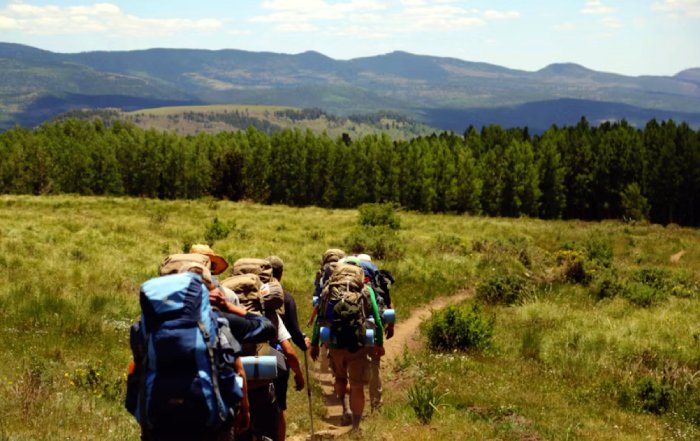
Sustainable Adventure Travel in 2026: How Purpose-Driven Journeys Are Redefining Tourism
A New Era of Conscious Exploration
By 2026, the global tourism industry has moved decisively beyond its legacy of mass-market packages and unchecked growth into a more intentional, values-driven landscape where sustainability, authenticity, and long-term resilience define success. This shift is especially visible in the adventure travel segment, where physically demanding activities, cultural immersion, and nature-based experiences converge, and where the consequences of climate change, over-tourism, and biodiversity loss are felt most acutely. For the audience of xdzee.com, which spans interests from sports and adventure to business, culture, and global news, this transformation is not an abstract trend but a practical framework for how to travel, invest, build brands, and shape careers in a rapidly evolving industry.
The maturation of sustainable adventure travel is a direct response to mounting environmental and social pressures. Rising temperatures, extreme weather events, shrinking glaciers, and degraded coastlines have made it clear that the traditional "fly, consume, depart" model is incompatible with a stable future. At the same time, communities across the United States, Europe, Asia, Africa, and South America are increasingly unwilling to accept tourism that extracts value without delivering local benefits. Organizations such as the Adventure Travel Trade Association (ATTA) and the United Nations World Tourism Organization (UNWTO) have documented sustained double-digit growth in demand for responsible, small-group, and community-centered adventure experiences, particularly among Millennials and Gen Z travelers who are prepared to pay more for trips that align with their ethics and environmental concerns.
For these travelers, platforms like xdzee.com/adventure.html have become essential guides, curating destinations, operators, and stories that blend excitement with accountability. As this conscious mindset spreads from early adopters to mainstream audiences in the United States, United Kingdom, Germany, Canada, Australia, and beyond, sustainable adventure travel is reshaping business models, regulatory frameworks, and consumer expectations in ways that will define the next decade of global tourism.
What Sustainable Adventure Travel Really Means in 2026
Sustainable adventure travel in 2026 is no longer understood merely as "low-impact tourism" or a niche for eco-enthusiasts. Instead, it represents a comprehensive approach to design, delivery, and governance of travel experiences that seek to balance three interdependent objectives: environmental integrity, cultural respect, and economic fairness. The classic adventure activities-trekking, mountaineering, kayaking, cycling, diving, wildlife safaris, and multi-sport expeditions-remain central, but they are now framed within an explicit commitment to conservation, community well-being, and long-term viability.
Leading destinations and operators are increasingly aligning their practices with the Sustainable Development Goals (SDGs), integrating principles promoted by organizations such as the Global Sustainable Tourism Council (GSTC) and drawing on research from institutions like the World Resources Institute to reduce emissions, protect ecosystems, and strengthen local governance. Instead of helicopter sightseeing over fragile glaciers, operators are designing multi-day hikes with local guides, supported by low-impact lodges and strict "leave no trace" protocols. Rather than building large, foreign-owned resorts, investors are backing smaller, locally run eco-lodges that keep profits circulating within the community.
Readers using xdzee.com/travel.html increasingly expect to see not just beautiful landscapes but evidence of responsible stewardship-clear information on waste management, renewable energy use, wildlife protection, and community partnerships. This focus on Experience, Expertise, Authoritativeness, and Trustworthiness means that travelers are looking for verifiable standards and transparent reporting, turning sustainability from a marketing slogan into a core decision factor.
Economic Performance and Brand Equity in Eco-Adventure
One of the most important developments by 2026 is the recognition that sustainable adventure travel is not only ethically desirable but commercially advantageous. Data from organizations such as the World Travel & Tourism Council (WTTC) and analyses by consultancies like McKinsey & Company and Deloitte indicate that destinations and operators embedding sustainability into their strategies are achieving higher average daily rates, longer stays, and greater repeat visitation, particularly from high-value markets in North America, Europe, and Asia-Pacific.
Countries such as Costa Rica, New Zealand, Norway, and Bhutan have demonstrated that strong environmental regulations and community-focused tourism do not deter visitors; instead, they enhance national brand equity and attract discerning travelers willing to pay a premium for quality and integrity. In Switzerland, the "Swisstainable" framework, supported by initiatives from Switzerland Tourism, has encouraged guests to explore lesser-known regions via rail, support local agriculture, and participate in low-impact outdoor activities, reinforcing the country's reputation as a leader in sustainable alpine tourism. In Japan, rural prefectures from Nagano to Shikoku have developed cycling, hiking, and cultural routes that relieve pressure on overcrowded urban hubs and heritage sites while revitalizing depopulating communities.
For business readers of xdzee.com/business.html, these examples offer clear lessons: sustainability is now a competitive differentiator, a risk management tool, and a driver of long-term asset value. Investors and corporate travel buyers are increasingly applying environmental, social, and governance (ESG) criteria to tourism-related projects, drawing on frameworks from organizations such as the UN Principles for Responsible Investment (UN PRI) and guidance from the OECD on responsible business conduct. Adventure brands that fail to adapt risk not only reputational damage but also regulatory constraints and declining access to sensitive natural areas.
Carbon, Mobility, and the "Slow Adventure" Mindset
Transportation remains the largest contributor to tourism-related emissions, and in adventure travel this challenge is amplified by the remoteness of many destinations-from the Patagonian Andes and the Canadian Arctic to the Indonesian archipelagos and Himalayan ranges. In 2026, forward-looking operators and destinations are confronting this reality with a combination of technological innovation, behavioral change, and policy incentives.
Companies such as Intrepid Travel and G Adventures have continued to expand robust carbon accounting and offset programs, while also prioritizing emissions reduction at the source through itinerary redesign, modal shifts, and partnerships with rail and electric mobility providers. In Europe, the growth of high-speed rail networks and night trains, supported by policy initiatives from the European Commission, has enabled multi-country adventure itineraries that significantly reduce reliance on short-haul flights. In regions such as Scandinavia and the Alps, electric buses and ferries are increasingly used to connect trailheads, fjords, and national parks.
At the same time, traveler behavior is evolving. The rise of "slow adventure travel" encourages visitors from the United States, United Kingdom, Germany, and other key markets to take fewer but longer trips, combining multiple activities and regions within a single journey rather than making frequent, short-haul escapes. This approach not only reduces per-year flight emissions but also allows for deeper cultural immersion and more meaningful relationships with host communities. Coverage on xdzee.com/world.html and xdzee.com/news.html increasingly highlights such itineraries, helping readers understand how to balance their appetite for exploration with responsible mobility choices.
Destinations as Laboratories of Sustainable Adventure
Around the world, certain countries and regions have emerged as laboratories for sustainable adventure models that integrate conservation, community empowerment, and high-quality visitor experiences.
In Costa Rica, decades of investment in national parks, payments for ecosystem services, and community-based tourism have created a robust framework where canopy zip-lining, whitewater rafting, and wildlife observation are tightly linked to reforestation, biodiversity conservation, and rural livelihoods. Certification systems such as the Certification for Sustainable Tourism (CST) give travelers a clear signal of which operators meet rigorous standards, and resources like xdzee.com/destination.html increasingly point visitors toward such verified experiences.
In New Zealand, the Tiaki Promise has become more than a marketing slogan; it is a social contract between visitors, residents, and the land, reinforced by operators across Queenstown, Fiordland, and the North Island's volcanic regions. Adventure experiences-from backcountry tramping to sea kayaking and mountain biking-are framed by education on MÄori culture, environmental ethics, and safety, with national agencies such as Tourism New Zealand and DOC (Department of Conservation) providing guidance and regulation.
In Norway, strict environmental regulations and a strong outdoor culture underpin activities such as Arctic dog sledding, glacier trekking, and northern lights expeditions. Electric ferries and hybrid expedition vessels are becoming standard in the fjords, while national campaigns emphasize minimal impact and respect for local communities in Sami regions and coastal fishing villages. Similar approaches are emerging in other high-interest markets such as Canada, where Parks Canada has tightened visitor management in iconic sites, and in South Africa, where private reserves and community conservancies are redefining the safari experience through conservation finance and local ownership.
For readers of xdzee.com/sports.html and xdzee.com/performance.html, these destinations also showcase how athletic pursuits-from trail running and climbing to skiing and cycling-can be integrated into low-impact, high-value travel ecosystems that prioritize safety, environmental stewardship, and cultural sensitivity.
Technology, Data, and Transparency as Enablers
By 2026, advanced digital tools are central to how destinations and operators manage the environmental and social footprint of adventure tourism. Geospatial analytics, satellite imagery, and sensor networks enable authorities and park managers to monitor trail erosion, wildlife migrations, and visitor flows in real time, allowing for dynamic route adjustments, temporary closures, and capacity limits that protect vulnerable ecosystems. Research institutions and platforms like NASA Earthdata and the European Space Agency (ESA) provide critical data layers that inform these decisions.
At the traveler level, mobile applications and wearable devices increasingly support responsible behavior. Apps can calculate the approximate carbon footprint of an itinerary, recommend lower-impact transport options, and guide users through safety protocols and cultural norms before they arrive on-site. Some operators use augmented reality briefings to demonstrate correct behavior around wildlife or fragile habitats, while virtual reality experiences allow potential guests to explore destinations and understand their fragility before booking. This pre-trip education, often highlighted on xdzee.com/innovation.html, enhances both safety and sustainability outcomes.
Blockchain technology is also gaining traction as a tool for building trust. Adventure operators and conservation NGOs are experimenting with blockchain-based registries to document carbon offsets, community donations, and conservation investments, creating tamper-resistant records that can be audited by third parties. For a business audience concerned with governance and accountability, this level of transparency is becoming a differentiator, aligning with broader trends in supply chain traceability and ESG reporting.
Community Leadership, Culture, and Ethics
Perhaps the most significant structural shift by 2026 is the move from top-down tourism development to community-led models in adventure destinations across Asia, Africa, Latin America, and parts of Europe and North America. Community-based tourism (CBT) initiatives in regions such as Peru's Sacred Valley, South Africa's rural reserves, and Indonesia's Raja Ampat demonstrate that when local residents are co-owners and decision-makers, tourism can reinforce cultural heritage, fund education and healthcare, and create long-term employment that does not depend on extractive industries.
Training programs, often supported by NGOs, development agencies, and responsible private investors, equip local youth and adults with skills in guiding, safety, hospitality, language, and environmental management. In Nepal, for example, modern mountain guiding schools now blend technical mountaineering and rescue skills with knowledge of waste management, glaciology, and high-altitude ecosystem protection. In coastal and marine destinations from Thailand to Brazil, dive operators and conservation organizations train community members as reef monitors and marine rangers, turning tourism into a mechanism for ecosystem defense.
For xdzee.com, whose readers are deeply interested in ethics, culture, and lifestyle, this evolution underscores the importance of choosing operators and itineraries that respect local governance structures, avoid cultural commodification, and ensure fair distribution of revenue. Sections such as xdzee.com/ethics.html, xdzee.com/culture.html, and xdzee.com/lifestyle.html increasingly emphasize the traveler's responsibility to engage with hosts as partners rather than passive service providers, and to understand the historical and social context of the places they visit.
Managing Risk: Greenwashing, Over-Tourism, and Climate Disruption
Despite substantial progress, the sustainable adventure travel sector in 2026 faces serious challenges that demand vigilance from businesses, regulators, and travelers. Greenwashing remains a pervasive risk, as less scrupulous operators adopt superficial "eco" language without changing underlying practices. Without careful due diligence-checking credible certifications, reviewing independent assessments, and consulting trusted sources such as UN Environment Programme or consumer watchdogs-travelers may inadvertently support businesses that harm the very ecosystems and communities they claim to protect.
Over-tourism is another persistent threat. Iconic adventure destinations-from Iceland's highlands and Italy's Cinque Terre trails to Thailand's beaches and certain U.S. national parks-have struggled to absorb visitor numbers without degrading natural assets and local quality of life. In response, many governments have introduced quota systems, dynamic pricing, seasonal closures, and strict permitting regimes. While these measures can be controversial, they are increasingly recognized as necessary tools for preserving the long-term value of destinations. Coverage on xdzee.com/world.html helps travelers and industry professionals stay informed about such regulations and the rationale behind them.
Climate change adds another layer of complexity. Shorter snow seasons in the Alps and Rockies, glacier retreat in the Himalayas and Andes, coral bleaching in the Great Barrier Reef and the Caribbean, and shifting wildlife patterns in Africa and the Arctic are already altering the feasibility and safety of traditional adventure activities. Destinations and operators are responding by diversifying offerings, investing in climate adaptation infrastructure, and collaborating with scientific institutions such as the Intergovernmental Panel on Climate Change (IPCC) to understand future scenarios. For the adventure sector, this is not only an environmental imperative but a strategic business issue that affects asset planning, insurance, and long-term positioning.
Policy, Regulation, and Global Cooperation
The policy environment in 2026 increasingly supports sustainable and regenerative tourism models. The UNWTO continues to promote guidelines for sustainable tourism development, while multilateral agreements linked to the Paris Agreement and the Kunming-Montreal Global Biodiversity Framework encourage countries to align tourism with climate and biodiversity goals. Regional initiatives, such as the European Union's Green Deal and sustainable mobility policies, are driving investment in low-carbon transport and infrastructure that directly benefit adventure travelers.
National and subnational governments in key adventure markets-from New Zealand and Norway to Canada, Chile, and South Africa-have introduced licensing standards, conservation levies, and protected area regulations that reward responsible operators and penalize harmful practices. In some cases, such as Bhutan's high-value, low-volume tourism policy or certain Pacific island nations' marine protected areas, strict visitor caps and conservation fees have become central pillars of economic strategy. Business leaders and policymakers following xdzee.com/news.html and xdzee.com/world.html can see how these frameworks are reshaping investment flows, destination competitiveness, and the expectations placed on tour operators and hospitality brands.
Regenerative and Wellness-Integrated Adventure: The Next Frontier
Looking ahead, the most innovative edge of the sector is moving beyond "do no harm" sustainability toward regenerative models that actively restore ecosystems and strengthen communities. In Patagonia, for example, trekking itineraries now include structured reforestation days, with travelers contributing to long-term landscape restoration projects. In Kenya and other parts of East and Southern Africa, conservation travel programs combine wildlife viewing with support for anti-poaching units, community conservancies, and habitat corridors, often in partnership with organizations such as African Parks and WWF.
Simultaneously, the convergence of adventure and wellness is reshaping traveler expectations. Multi-day retreats that blend trail running or cycling with mindfulness, nutrition, and mental health support are attracting professionals from finance, technology, and other high-pressure sectors across the United States, Europe, and Asia. These programs, increasingly profiled on xdzee.com/sports.html and xdzee.com/lifestyle.html, position nature not only as a playground but as a space for recovery, reflection, and personal transformation-an appealing proposition for audiences seeking performance, resilience, and balance.
Strategic Implications for Businesses and Professionals
For tourism entrepreneurs, destination managers, and professionals in adjacent fields such as outdoor gear, transportation, and hospitality, the rise of sustainable adventure travel in 2026 carries clear strategic implications. Embedding sustainability into core operations-rather than treating it as a marketing add-on-is now essential for access to protected areas, eligibility for certain funding streams, and alignment with corporate customers' ESG policies. Independent verification, rigorous safety protocols, transparent reporting, and robust community partnerships are becoming baseline expectations.
Business readers of xdzee.com who are exploring opportunities in travel, brands, or careers can draw several conclusions. First, there is growing demand for specialized skills at the intersection of adventure guiding, environmental science, cultural mediation, and digital technology, creating new roles and career paths that blend fieldwork with data analysis and stakeholder engagement. Second, brands that authentically integrate sustainability into their product design, supply chains, and storytelling-whether they sell outdoor equipment, apparel, or digital services-stand to benefit from alignment with the values of conscious travelers. Third, destinations and companies that invest in innovation, from electric mobility to AI-driven capacity management, will be better positioned to navigate regulatory changes and climate-related disruptions.
Sections such as xdzee.com/jobs.html and xdzee.com/brands.html are increasingly relevant for professionals and entrepreneurs seeking to understand where the most dynamic opportunities lie, while xdzee.com/innovation.html tracks the technologies that are shaping the sector's future.
The Role of the Traveler and the Position of xdzee.com
Ultimately, the trajectory of sustainable adventure travel depends on the cumulative choices of millions of individual travelers across North America, Europe, Asia, Africa, and South America. Every decision-from the airline selected and the length of stay to the choice of local guide, lodge, and activity-either reinforces or undermines the shift toward responsible, regenerative tourism. Travelers who prioritize certified operators, respect local customs, minimize waste, and remain informed about the environmental and social context of their destinations contribute directly to the resilience of the places they visit.
In this landscape, xdzee.com serves as both a curator and a catalyst. By highlighting destinations that balance adventure with stewardship, profiling companies and communities that exemplify ethical practice, and offering informed perspectives on policy, innovation, safety, and culture, the platform helps readers move from passive consumption to active, informed participation in a global transformation. Whether visitors arrive through xdzee.com/travel.html, xdzee.com/adventure.html, xdzee.com/business.html, or the homepage at xdzee.com, they encounter a consistent message: that the most rewarding journeys in 2026 are those that combine excitement with responsibility, personal growth with collective benefit, and short-term experience with long-term vision.
As sustainable adventure travel continues to evolve, the sector has an opportunity to become a powerful force for conservation, community empowerment, and intercultural understanding. The choices made now-by governments, businesses, and travelers alike-will determine whether future generations in the United States, United Kingdom, Germany, Canada, Australia, Japan, South Africa, Brazil, and beyond inherit a world of thriving destinations or a catalogue of lost landscapes. For the community around xdzee.com, the path forward is clear: embrace adventure, but do so with the expertise, authoritativeness, and trustworthiness that a truly sustainable future demands.