

Diversity and Inclusion in Global Sports: The Imperative
Introduction: Why Inclusion in Sport Now Defines the Industry
Diversity and inclusion in sports have moved from aspirational slogans to hard expectations, shaping how federations are governed, how brands invest, how media tells stories, and how fans choose their loyalties. Sport has always carried cultural weight, but in an era defined by social movements, demographic change, digital transparency, and globalized audiences, it has become one of the most visible arenas where societies negotiate identity, power, and fairness. For the global community that turns to xdzee.com to follow developments in sports, adventure, travel, business, and culture, inclusion in sport is no longer a side issue; it is central to understanding performance, reputation, and long-term value across continents.
From local pitches in South Africa and Brazil to professional leagues in the United States, Germany, the United Kingdom, and Japan, and from emerging competitions in Thailand and Malaysia to established structures in Canada, Australia, and across Europe, sport reveals where inclusion is thriving and where deep structural barriers persist. The rise of women's professional leagues, the continuing struggle against racism in stadiums and online, the expanding visibility of LGBTQ+ athletes, and the mainstreaming of disability sports have each forced governing bodies, sponsors, and media organizations to confront their responsibilities. As stakeholders increasingly apply the standards of experience, expertise, authoritativeness, and trustworthiness to the institutions they support, inclusion has become a decisive measure of credibility.
Readers of xdzee.com/sports.html and xdzee.com/world.html recognize that inclusion is also a business and geopolitical issue. It affects where mega-events are hosted, how tourism flows, how brands are perceived in markets from North America to Asia and Africa, and how young talent from diverse backgrounds is nurtured-or neglected. In this context, the role of leading organizations, forward-looking brands, and responsible media has never been more consequential.
Global Sports Governance and the Architecture of Inclusion
At the apex of international sport, the International Olympic Committee (IOC), Fédération Internationale de Football Association (FIFA), National Basketball Association (NBA), and International Paralympic Committee (IPC) continue to set norms that cascade through federations, clubs, and grassroots organizations worldwide. Their decisions on eligibility, hosting rights, disciplinary systems, and commercial partnerships send signals that affect not only athletes and fans but also governments, NGOs, and investors.
The IOC, through its Olympic Charter and successive reforms, has embedded non-discrimination and gender equality as core principles, driving near-parity in participation at recent Summer and Winter Games and expanding funding programs that support underrepresented athletes in Africa, Asia, and Latin America. Its refugee team initiatives underscore how sport can respond to global crises, offering a platform for displaced individuals while challenging host nations to confront their own obligations to inclusion. Governance reforms, transparency measures, and ethics frameworks, which can be explored in more depth through resources such as the Centre for Sport and Human Rights, have also raised expectations for accountability across the Olympic ecosystem.
FIFA, steward of the world's most popular sport, has faced intense scrutiny over human rights, labor conditions, and discrimination. The elevation of the FIFA Women's World Cup into a premier global event with record audiences in Europe, North America, and Asia has demonstrated that investment in women's football is commercially viable and culturally transformative. At the same time, persistent incidents of racism in leagues across Italy, Spain, and other European nations, as well as in parts of South America, have forced FIFA and regional bodies like UEFA to strengthen disciplinary regimes and educational campaigns. Those seeking to understand how football's global governance intersects with human rights can review guidance from organizations like Human Rights Watch and the Office of the UN High Commissioner for Human Rights.
In North America and increasingly worldwide, the NBA has become a model for how a league can embrace diversity as a strategic asset. With players representing dozens of countries, including Canada, France, Germany, Australia, Nigeria, and Serbia, the NBA has built a cosmopolitan brand that aligns with younger, globally connected audiences. Its readiness to support player activism on racial justice, voting rights, and LGBTQ+ equality has differentiated it from more cautious organizations, while its investment in academies in Africa and Asia underscores a long-term commitment to widening opportunity. Those examining the economics of this model can look to analysis from institutions such as the Harvard Business School and MIT Sloan School of Management on the business impact of inclusive leadership.
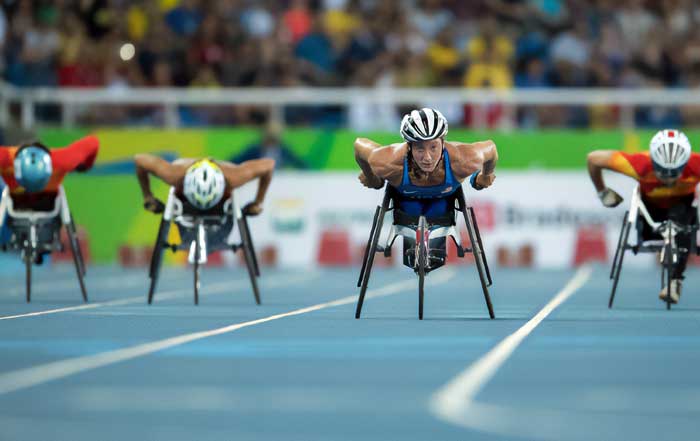
The IPC has, over the past two decades, fundamentally reshaped global perceptions of disability through the Paralympic Games, now a major global event in their own right. By setting rigorous classification standards, promoting technological innovation in prosthetics and adaptive equipment, and insisting on accessible venues and broadcast coverage, the IPC has driven change that filters down to community clubs and schools. The interplay between adaptive technology, ethics, and performance is increasingly sophisticated, and readers can explore related developments in innovation in sports and safety standards at xdzee.com/safety.html.
For xdzee.com's audience, these governance dynamics matter because they determine the environment in which athletes compete, brands invest, and fans engage. They also influence the stories that appear on xdzee.com/news.html, where global decisions are translated into local realities.
Gender Equality and the Ascendancy of Women's Sport
The acceleration of women's sport between 2020 and 2026 has been one of the clearest indicators that inclusion can unlock both social impact and commercial growth. Where women's leagues in football, cricket, rugby, and basketball were once treated as peripheral, they are now central to the strategic plans of federations and broadcasters in the United States, United Kingdom, Germany, France, Spain, Italy, Australia, and beyond.
The IOC's move toward balanced participation, combined with greater prime-time coverage on broadcasters such as BBC Sport in the UK and NBC Sports in the US, has normalized women's events as equal in prestige to men's. The FIFA Women's World Cup has set attendance and viewing records, particularly in Europe and North America, while domestic leagues in England, Spain, and the United States have shown that when infrastructure, marketing, and scheduling are taken seriously, fans respond with sustained interest. Those wishing to analyze the economic trajectory of women's sport can consult research from entities like Deloitte's Sports Business Group or the World Economic Forum on gender parity and sports markets.
In the United States, the WNBA, backed by the NBA but increasingly standing on its own commercial footing, has expanded media rights deals, sponsorship portfolios, and international reach, with players from Canada, Europe, Asia, and Africa becoming household names. The league's athletes have been particularly influential in connecting sport with broader social movements, reinforcing the idea that inclusive sport is also a platform for civic engagement and ethical leadership. Legal and policy shifts, including high-profile equal pay settlements such as that achieved by the US Women's National Soccer Team, have provided precedents that athletes in other sports and countries-from Sweden and Norway to Australia and New Zealand-are now leveraging in their own negotiations.
Yet structural challenges remain. Pay equity gaps, disparities in prize money, limited access to elite training facilities in parts of Africa, Asia, and South America, and underinvestment in girls' grassroots programs continue to constrain the talent pipeline. Media coverage, while improved, still skews heavily toward men's competitions in many markets. Readers interested in the link between gender equality, labor markets, and sport can explore additional analysis through institutions such as the International Labour Organization and UN Women.
For xdzee.com, which tracks both performance and lifestyle trends, the rise of women's sport is not only a story of fairness but also of innovation and new audiences. Coverage on xdzee.com/business.html increasingly highlights how sponsors, broadcasters, and digital platforms are reconfiguring their strategies to capture the loyalty of fans who expect gender-balanced representation in the sports they follow.
Race, Ethnicity, and the Ongoing Struggle for Equity
Racial and ethnic inclusion remains a defining test of sport's integrity. In leagues from the NBA to the English Premier League and the Bundesliga, athletes of diverse backgrounds have transformed performance levels and global appeal, yet they still confront discrimination, unequal access to leadership roles, and sometimes hostile environments in stadiums and online.
The NBA has placed racial equity at the core of its brand identity, supporting player-led initiatives that address systemic racism, voter suppression, and police violence in the United States and engaging in community programs in cities from Toronto to Los Angeles. This approach illustrates how a league can align its commercial interests with social expectations, and its model has been studied by organizations such as the Brookings Institution and Pew Research Center in the context of shifting public attitudes toward corporate responsibility.
European football continues to grapple with racist abuse directed at players in stadiums in Italy, Spain, and other countries, as well as across social media platforms. High-profile figures such as Marcus Rashford and Raheem Sterling in England, and leading athletes in Germany and France, have used their visibility to demand stronger sanctions, better education, and more diverse representation in coaching and executive roles. Campaigns like UEFA's "No to Racism" have raised awareness, but enforcement inconsistencies and lenient penalties have drawn criticism from advocacy groups and fans. Those seeking to understand the legal and policy frameworks surrounding discrimination in European sport can look to resources from the European Commission and the Council of Europe.
Beyond Europe and North America, the symbolism of inclusive leadership has been powerful. The story of Siya Kolisi, the first Black captain of South Africa's rugby team, leading his side to Rugby World Cup glory, resonated across Africa and the wider world as a sign of progress in a nation still marked by the legacy of apartheid. In Brazil, the diversity of national football squads reflects the country's complex racial dynamics, even as economic inequality and regional disparities continue to limit access for many young athletes from marginalized communities. In Asia, the growing presence of players of mixed heritage in Japan and South Korea has prompted new discussions about identity and representation in traditionally homogeneous societies.
For xdzee.com's readers, who follow global developments on xdzee.com/world.html and cultural narratives on xdzee.com/culture.html, these stories illustrate how sport can both expose and challenge entrenched inequities. They also underscore the need for sustained investment in grassroots programs, coach education, and anti-discrimination mechanisms that go beyond symbolic gestures.
LGBTQ+ Inclusion and the Evolution of Sporting Culture
The landscape for LGBTQ+ inclusion in sport has changed markedly by 2026, with increasing numbers of athletes, coaches, and officials choosing to come out publicly and many organizations adopting explicit anti-discrimination policies. Nonetheless, progress remains uneven across regions, sports, and levels of competition, reflecting broader cultural and legal differences from North America and Western Europe to parts of Asia, Africa, and the Middle East.
High-profile figures such as Megan Rapinoe, Gareth Thomas, and Carl Nassib have played pivotal roles in normalizing LGBTQ+ identities within elite sport, demonstrating that sexual orientation or gender identity has no bearing on competitive excellence. Their openness has encouraged younger athletes in countries including Canada, Australia, the Netherlands, and Norway to see sport as a more welcoming space. Major bodies such as the IOC, FIFA, and the NBA have updated codes of conduct and inclusion frameworks to better protect LGBTQ+ participants, while campaigns like Stonewall's Rainbow Laces in the UK and the You Can Play Project in North America have worked across professional and grassroots levels to embed inclusion in team cultures.
In several countries, however, legal and social constraints still make it risky or impossible for athletes to be open about their identities, particularly in parts of Asia, Africa, and Eastern Europe where LGBTQ+ rights are contested. This reality complicates decisions about hosting mega-events and international tournaments, as federations must weigh commercial and political considerations against their stated commitments to human rights. Organizations such as Amnesty International and the International Lesbian, Gay, Bisexual, Trans and Intersex Association provide extensive analysis of these tensions, which increasingly influence how fans and sponsors evaluate sporting bodies.
For xdzee.com's audience, particularly those interested in performance and well-being on xdzee.com/performance.html, the evidence is clear that inclusive environments support mental health, team cohesion, and sustained excellence. As clubs and federations in countries like Sweden, Denmark, and New Zealand adopt more comprehensive inclusion policies, they offer practical models for others navigating similar cultural and legal complexities.
Disability, Accessibility, and the Mainstreaming of Adaptive Sport
Disability inclusion has moved decisively from the margins toward the center of global sport, driven by the leadership of the International Paralympic Committee, advances in technology, and a growing recognition among governments and businesses that accessibility is both a rights issue and a market opportunity. The Paralympic Games in Tokyo and subsequent editions have showcased extraordinary performances by athletes from China, the United States, the United Kingdom, Brazil, and many other nations, challenging narrow assumptions about ability and redefining what elite performance looks like.
Technological innovation has been central to this transformation. Developments in prosthetics, exoskeletons, wheelchairs, and adaptive equipment, often emerging from collaborations between universities, medical research centers, and companies such as Toyota, Nike, and Ottobock, have expanded the range of sports accessible to people with physical, visual, or intellectual impairments. Readers interested in the intersection of technology, performance, and ethical regulation can explore related themes on xdzee.com/innovation.html and xdzee.com/safety.html, where questions about competitive balance, safety standards, and cost barriers are increasingly prominent.
Countries like Japan, Australia, Canada, and the Netherlands have invested significantly in accessible infrastructure around stadiums, training centers, and public transport, recognizing that inclusive design benefits not only athletes but also broader communities, including older adults and families. International frameworks such as the UN Convention on the Rights of Persons with Disabilities have provided a legal and ethical foundation for this progress, while NGOs and advocacy groups push for more consistent implementation.
Nevertheless, substantial gaps remain, particularly at the grassroots level in parts of Africa, Asia, and South America, where funding shortages, limited facilities, and social stigma can restrict participation. Media coverage outside the Paralympic cycle is still inconsistent, constraining sponsorship opportunities and public awareness. For xdzee.com's global readership, these disparities highlight the need for sustained attention to accessibility as a core element of sports development policies and not merely as a showcase during major events.
Brands, Business Strategy, and the Economics of Inclusion
In 2026, inclusion is firmly established as a material factor in the business of sport. Global sponsors, broadcasters, and investors increasingly assess leagues, clubs, and events through the lens of environmental, social, and governance (ESG) performance, with diversity and human rights at the center of their evaluations. Brands such as Nike, Adidas, Coca-Cola, Visa, and leading financial institutions have learned that their association with sport can either enhance or damage their reputations depending on how convincingly they support inclusive values.
Marketing campaigns that highlight women's competitions, disability sports, or anti-racism initiatives are now expected to be backed by tangible actions, such as diversified leadership teams, inclusive hiring practices, and transparent reporting. Data from consultancies like McKinsey & Company and PwC underscore that diverse organizations often outperform their peers financially, a finding that reinforces the business rationale for embedding inclusion into strategy. Investors, including large pension funds and sovereign wealth funds, increasingly factor these considerations into decisions about stadium financing, media rights ventures, and club acquisitions.
On xdzee.com/brands.html and xdzee.com/business.html, readers can trace how inclusive branding strategies play out in practice, from sponsorship of women's football in Spain and Italy to partnerships with Paralympic committees in Canada and Australia, and from community programs in South Africa and Brazil to digital engagement initiatives in Singapore and South Korea. For many brands, sport has become a proving ground where their stated commitments to diversity and ethics are tested in real time before global audiences.
Media, Storytelling, and Cultural Influence
Media organizations and digital platforms have immense power to shape perceptions of inclusion in sport, determining which stories are amplified, which athletes become role models, and which issues receive sustained attention. Broadcasters such as BBC Sport, NBC Sports, ESPN, and Sky Sports, along with streaming services and social platforms, have expanded their coverage of women's competitions, Paralympic events, and athletes from underrepresented backgrounds, helping to normalize diversity in front of global audiences.
Editorial choices around language, commentary, and framing matter enormously. When analysts focus on performance rather than stereotypes, when coverage of LGBTQ+ athletes avoids sensationalism, and when disability is presented through the lens of elite capability rather than pity, media contributes to a culture of respect. Organizations such as the International Sports Press Association and the Reuters Institute for the Study of Journalism have provided guidance and research on best practices in inclusive sports journalism, which are increasingly reflected in newsroom policies.
For xdzee.com, which integrates sport with broader lifestyle and cultural coverage on xdzee.com/lifestyle.html and xdzee.com/culture.html, the challenge and opportunity lie in telling stories that connect on-field performance with off-field realities. This includes highlighting how inclusive teams build stronger internal cultures, how diverse representation in sports media influences fashion and entertainment trends, and how fans in cities from New York and London to Berlin, Tokyo, and Cape Town are reshaping expectations of what sport should look like.
Destinations, Mega-Events, and the Geography of Inclusion
As international travel has rebounded and evolved, the geography of sport-where events are hosted, where fans travel, and how destinations present themselves-has become closely tied to questions of inclusion and ethics. Host cities from Los Angeles and Brisbane to Paris and Milan-Cortina, as well as countries in Asia, the Middle East, and Africa competing for major tournaments, are increasingly judged on their human rights records, accessibility standards, and diversity policies as much as on their stadiums and transport infrastructure.
Sports tourism, a key interest for readers of xdzee.com/travel.html, xdzee.com/adventure.html, and xdzee.com/destination.html, now intersects with ethical decision-making. Fans and tour operators pay closer attention to whether venues are accessible to people with disabilities, whether LGBTQ+ visitors can travel safely, and whether local communities benefit from infrastructure investments. Guidelines from bodies such as the UN World Tourism Organization and the OECD on sustainable and inclusive tourism provide frameworks that progressive destinations are beginning to adopt.
For xdzee.com, which connects sport, culture, and travel for a global audience, this shift reinforces the importance of evaluating destinations not only for spectacle and performance but also for their adherence to inclusive principles. As mega-events continue to move across continents, the platform is well placed to examine how cities in Europe, North America, Asia, Africa, and South America are responding to these heightened expectations.
Ethics, Governance, and the Road Ahead
Looking toward the remainder of the decade, the trajectory is clear: diversity and inclusion will remain central to the legitimacy and resilience of global sport. Governance standards are tightening, with greater emphasis on independent oversight, whistleblower protections, and transparent decision-making. Ethical frameworks, such as those promoted by the World Anti-Doping Agency and the Global Reporting Initiative, are being integrated into broader ESG reporting that encompasses human rights, inclusion, and community impact.
On xdzee.com/ethics.html, these cross-cutting themes converge. Questions about athlete data privacy, AI-driven performance analytics, and biometric monitoring intersect with concerns about bias and discrimination. Debates over eligibility in gender-segregated categories, particularly in athletics and swimming, require careful navigation of science, law, and human dignity. The challenge for governing bodies, clubs, and brands is to combine technical expertise with empathy and transparency in ways that sustain trust across highly diverse stakeholder groups.
For xdzee.com's readers-spanning executives, athletes, fans, and policymakers from the United States, United Kingdom, Germany, Canada, Australia, France, Italy, Spain, the Netherlands, Switzerland, China, Sweden, Norway, Singapore, Denmark, South Korea, Japan, Thailand, Finland, South Africa, Brazil, Malaysia, New Zealand, and beyond-the message is consistent: inclusive sport is not a passing trend but a structural reality that will shape careers, markets, and cultural narratives for years to come.
Conclusion: Inclusion as the Measure of Sport's Future
By 2026, diversity and inclusion have become defining benchmarks for the health and integrity of global sport. The leadership of organizations such as the International Olympic Committee, FIFA, the NBA, and the International Paralympic Committee has demonstrated that when inclusion is embedded in governance, investment, and storytelling, the benefits extend from elite arenas to community fields in every region of the world. Conversely, where discrimination, exclusion, or neglect persist, the costs are reputational, financial, and human.
For xdzee.com, which sits at the intersection of sports, business, lifestyle, and global culture, the commitment to covering inclusion is both a responsibility and a strategic choice. It reflects an understanding that the audiences of today and tomorrow-across continents and generations-expect sport to be a space where everyone, regardless of gender, race, ethnicity, disability, or identity, has the opportunity to participate, to excel, and to be seen. As the industry evolves through 2030 and beyond, inclusion will not simply be a value to endorse; it will be the standard by which the entire world of sport is judged.