

Australia: How a Continent Became a Global Blueprint for Adventure, Business, and Sustainable Performance
Australia remains as one of the world's most compelling case studies in how adventure, lifestyle, and business can converge into a coherent national brand that resonates from New York to London, from Berlin to Singapore, and across every major market that values performance, safety, innovation, and ethical growth. For the global audience of xdzee.com, whose interests span sports, adventure, travel, business, world affairs, jobs, brands, lifestyle, performance, safety, innovation, ethics, culture, and destinations, Australia offers not only spectacular experiences but also a living laboratory of how a country can turn its natural assets into long-term competitive advantage while building trust and authority on the world stage.
In the decade leading to 2026, Australia has evolved beyond the familiar postcard images of kangaroos, surfboards, and the Sydney Opera House. It has become a sophisticated ecosystem where adventure sports are tightly interwoven with advanced safety frameworks, technology-enabled tourism, climate-aware policies, and a strong regulatory environment that appeals to risk-conscious travelers and corporate decision-makers alike. This transformation is especially relevant for executives and professionals in the United States, United Kingdom, Germany, Canada, Australia, France, Italy, Spain, the Netherlands, Switzerland, China, Sweden, Norway, Singapore, Denmark, South Korea, Japan, Thailand, Finland, South Africa, Brazil, Malaysia, and New Zealand, who increasingly view adventure not just as leisure, but as a strategic component of leadership development, brand positioning, and talent engagement.
Surfing and Coastal Performance: Where Lifestyle Meets Strategy
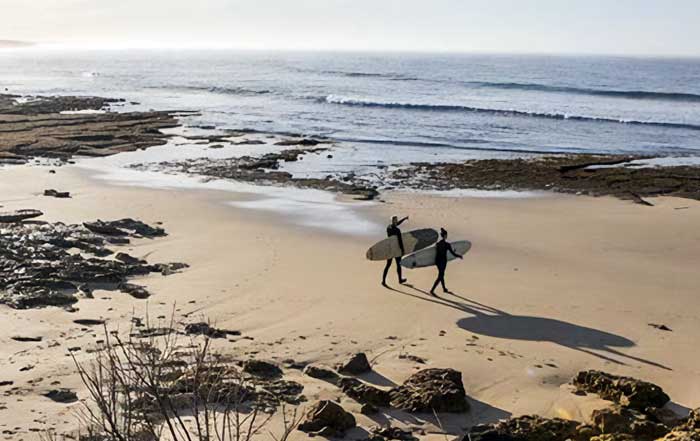
Surfing remains the most visible symbol of Australia's coastal identity, yet in 2026 it is also a powerful metaphor for how the country manages volatility, performance, and innovation. Beaches such as Bondi Beach in Sydney, Bells Beach in Victoria, and the iconic breaks of the Gold Coast in Queensland continue to attract surfers from around the world, but what distinguishes Australia is the way surf culture has been integrated into its broader economic and social fabric. Early-morning surf sessions followed by boardroom meetings are no longer a cliché; they are a lived reality for many professionals in Sydney, Melbourne, Brisbane, and Perth, reinforcing a national narrative that peak performance requires balance, resilience, and connection to nature.
For international readers exploring how sport shapes identity and productivity, the Australian surf scene reveals a mature ecosystem of surf schools, coaching programs, and performance analytics that mirror the sophistication of elite corporate training. Organizations such as Surfing Australia provide structured pathways from grassroots participation to high-performance competition, while partnerships with institutions like the Australian Institute of Sport demonstrate how data, biomechanics, and mental conditioning now underpin what once seemed like a purely intuitive pursuit. Those looking to understand how performance culture translates across domains can explore related perspectives in the performance section of xdzee.com, where physical excellence and strategic thinking intersect.
The coastal economy around surfing is equally advanced. Regions such as Margaret River in Western Australia have become integrated destinations that combine surf, wine, gastronomy, and premium accommodation, appealing to high-net-worth travelers from Europe, North America, and Asia. Learn more about how such integrated experiences are redefining premium travel and sustainable business models by exploring global best practices in sustainable tourism through platforms like the UN World Tourism Organization, which increasingly highlights Australia as a benchmark for nature-based tourism that balances visitor growth with environmental stewardship.
Skydiving and Aerial Experiences: Trust, Safety, and the View from Above
Skydiving in Australia has evolved into a highly professionalized, safety-driven industry that appeals to both first-time jumpers and experienced freefall enthusiasts from around the world. Locations such as Cairns, Mission Beach, Byron Bay, Rottnest Island, and metropolitan drop zones near Melbourne offer a unique blend of scenic drama and operational reliability, with views spanning coral reefs, rainforests, urban skylines, and rugged coastlines. In 2026, the value proposition is not just the thrill of freefall, but the assurance that every aspect of the experience-from aircraft maintenance to instructor certification-is governed by stringent standards.
The Australian Parachute Federation and national work health and safety regulators have continued to refine frameworks that align with or exceed best practices recommended by global aviation and safety bodies such as the International Civil Aviation Organization. This regulatory clarity builds trust among risk-aware travelers from markets like Germany, Switzerland, the Netherlands, Scandinavia, and Japan, where safety culture is deeply embedded in consumer decision-making. For readers who wish to understand how robust safety design underpins adventure growth, the safety hub on xdzee.com offers further analysis of how international standards are shaping high-risk experiences.
Corporate groups are increasingly using skydiving as part of leadership and resilience programs, especially in sectors where decision-making under pressure is critical, such as technology, finance, and advanced manufacturing. These programs often pair jumps with structured debriefs led by performance psychologists and executive coaches, echoing methodologies promoted by institutions like Harvard Business School and INSEAD, which emphasize experiential learning as a tool for building adaptive leaders. Executives exploring this intersection of risk, leadership, and culture can learn more about experiential leadership development by reviewing research and case studies from Harvard Business Review.
Diving, Snorkeling, and Marine Conservation: Authority Built Underwater
Australia's marine environments remain central to its global brand, with the Great Barrier Reef and Ningaloo Reef as flagship attractions that draw divers and snorkelers from North America, Europe, and Asia. Yet in 2026, these underwater adventures are framed as much by science and conservation as by recreation. Travelers who dive the Great Barrier Reef are now routinely exposed to structured briefings on coral health, climate change, and responsible interaction with marine life, often led by guides trained in partnership with institutions such as James Cook University and conservation organizations including WWF-Australia and the Australian Marine Conservation Society.
For business audiences, this is more than an environmental narrative; it is a demonstration of how sectors can embed ethical responsibility into core service delivery without compromising commercial viability. Dive operators have adopted reef-safe practices, reduced plastic usage, and invested in carbon offset programs, aligning with principles outlined by frameworks such as the UN Global Compact and the Task Force on Climate-related Financial Disclosures. This alignment strengthens Australia's authority in sustainable tourism and positions its operators as credible partners for global brands seeking ESG-aligned collaborations.
Beyond the Great Barrier Reef, destinations such as Ningaloo Reef, Tasmania's East Coast, and the Neptune Islands in South Australia offer specialized experiences-from swimming with whale sharks to cage diving with great white sharks-that are carefully regulated to protect ecosystems while delivering high-value, high-impact encounters. Readers interested in how travel can be both thrilling and responsible can explore additional insights in the travel section of xdzee.com, where Australia frequently appears as a model for integrating conservation, education, and adventure.
Land-Based Extremes: From Outback Endurance to Vertical Mastery
Beyond its coasts and reefs, Australia's interior and mountain regions have become pivotal in diversifying the country's adventure portfolio. The Outback, stretching across the Northern Territory, South Australia, Queensland, and Western Australia, now hosts structured endurance expeditions, off-road rallies, and guided treks that combine physical challenge with deep cultural immersion. These experiences often incorporate Indigenous knowledge of land navigation, water sourcing, and ecological patterns, providing participants with a richer understanding of Australian history and contemporary Indigenous leadership.
For European and North American travelers accustomed to alpine or forest-based adventures, the vastness and isolation of the Outback offer a dramatically different risk profile, one that requires meticulous planning, robust safety protocols, and strong partnerships with local communities. This alignment between adventure and cultural respect resonates with global frameworks on ethical tourism promoted by organizations like the World Travel & Tourism Council, which increasingly highlight Indigenous-led tourism as a core component of responsible travel. Readers seeking deeper exploration of how culture and sport intersect can find relevant narratives in the culture section of xdzee.com.
Meanwhile, rock climbing and abseiling destinations such as the Blue Mountains, The Grampians, and Mount Arapiles continue to cement Australia's reputation as a vertical playground for international climbers. Over the past few years, climbing has been shaped by intensified environmental regulations, access negotiations, and cultural heritage protections, particularly in areas where climbing routes intersect with sacred Indigenous sites. This has required collaboration between climbers, Traditional Owners, and government agencies, creating governance models that are now referenced in international discussions on access and ethics, including those led by the International Climbing and Mountaineering Federation (UIAA). For xdzee.com's audience, these developments illustrate how ethics and performance are no longer separate conversations but interdependent pillars of sustainable sport, echoing themes explored in the ethics section.
White-Water, Trails, and Two Wheels: Innovation Across Terrains
White-water rafting on rivers such as the Tully River in Queensland and the Franklin River in Tasmania has matured into a sector that combines adventure with storytelling, conservation, and team-based learning. The Franklin, once the focus of a landmark environmental campaign, now serves as a living classroom where rafters from Europe, Asia, and North America experience not only technical rapids but also a powerful narrative about civic engagement and environmental protection. This combination of physical challenge and historical context appeals strongly to purpose-driven organizations and leadership programs seeking to align internal culture with external impact, a trend consistent with insights from global consultancies like McKinsey & Company on the importance of purpose in organizational performance.
Mountain biking has experienced similar growth, with locations such as Derby in Tasmania, Alice Springs in the Northern Territory, and Stromlo Forest Park near Canberra becoming internationally recognized destinations. Purpose-built trail networks, event hosting capabilities, and strong community engagement have turned once-quiet regional towns into thriving adventure hubs. The rise of e-mountain bikes has expanded accessibility, allowing a wider demographic-including older professionals, families, and people returning from injury-to participate in demanding terrain. This inclusive approach aligns with global trends in active lifestyle and health promotion documented by organizations like the World Health Organization, which underscores the public health benefits of regular physical activity.
The innovation dimension is particularly visible in the way Australian operators and local governments deploy digital tools to manage trail usage, collect environmental impact data, and optimize visitor flows. These developments mirror broader digital transformation trends seen across sectors and are closely followed in the innovation section of xdzee.com, where adventure sport serves as a visible frontier for applied technology, from GPS-based safety tracking to AI-informed weather and trail condition forecasting.
Brands, Business, and the Economics of Adrenaline
From a business perspective, adventure sports in Australia have transitioned from niche tourism to a strategically important pillar of the national and regional economy. Tourism Australia and state tourism bodies have invested heavily in positioning the country as a premium adventure destination, supported by airline connectivity, visa facilitation, and infrastructure upgrades in key hubs such as Cairns, the Gold Coast, Hobart, and Perth. For investors and corporate leaders, this ecosystem offers multiple entry points, from direct hospitality investments to sponsorships, media partnerships, and product innovation.
Global and Australian brands have long recognized the marketing potential of high-visibility adventure environments. Companies like Red Bull, GoPro, Rip Curl, and Quiksilver continue to use Australian locations as stages for content creation and event activation, associating their brands with authenticity, courage, and lifestyle aspiration. These associations are particularly powerful among younger consumers in North America, Europe, and Asia, who increasingly value experiences over possessions and align their spending with brands that reflect an active, outdoor-oriented identity. Business readers can explore how brands leverage such associations in the brands section of xdzee.com, where case studies illustrate the strategic value of aligning with credible, high-performance environments.
At the macro level, adventure tourism supports employment across regional Australia, from guides and instructors to hospitality staff, transport providers, and creative professionals. This aligns with broader labor market shifts documented by organizations such as the OECD, which highlight the growing importance of services, experience-based industries, and regional diversification in advanced economies. For professionals tracking employment trends and opportunities, the jobs section of xdzee.com offers context on how adventure-related roles are evolving, including pathways into guiding, operations management, safety compliance, and digital marketing within the tourism sector.
Governance, Safety, and Ethical Leadership in Adventure
One of the reasons Australia continues to attract risk-aware adventure travelers from markets such as Germany, the UK, Scandinavia, Japan, and Singapore is its reputation for robust governance and transparent safety systems. Adventure operators are subject to national and state-level regulations covering workplace safety, equipment standards, environmental impact, and consumer protection. Agencies like Safe Work Australia, along with sector-specific bodies for diving, aviation, and outdoor education, ensure that incidents are investigated, lessons are disseminated, and standards evolve in line with technological and scientific advances.
For corporate buyers, travel planners, and institutional partners, this governance framework reduces perceived risk and supports due diligence processes, particularly important for universities, multinational companies, and professional associations organizing group travel. The alignment of Australian standards with global benchmarks developed by organizations like the International Organization for Standardization (ISO) further reinforces trust. Readers who prioritize structured, evidence-based approaches to risk management can deepen their understanding via the safety section of xdzee.com, where adventure sport is analyzed through the lens of compliance, quality assurance, and stakeholder trust.
Ethics is no longer a peripheral concern but a central differentiator. Whether in relation to Indigenous land rights, wildlife interactions, or climate responsibility, Australian operators are increasingly expected to demonstrate not only compliance but leadership. This has led to stronger partnerships with Indigenous communities, more transparent reporting on environmental impact, and the integration of ethical commitments into marketing and investor communications, in line with ESG expectations articulated by bodies such as the Principles for Responsible Investment. These developments resonate with the ethics content on xdzee.com, where readers can examine how values-driven strategies are shaping the future of sport, tourism, and global business.
Culture, Lifestyle, and the Export of an Adventure Mindset
Australia's adventure culture is increasingly visible in global media, from streaming platforms and social networks to traditional broadcasters. Surf documentaries, climbing films, and travel series set on the Great Barrier Reef or in the Outback reach audiences across North America, Europe, and Asia, projecting an image of a country that is dynamic, outdoors-oriented, and future-focused. This cultural export has tangible effects on tourism demand, brand perception, and even migration, as professionals from Canada, the UK, Germany, France, and beyond consider Australia not only as a holiday destination but as a place to live, work, and build families.
For xdzee.com's audience, this cultural dimension is particularly relevant because it reflects how lifestyle aspirations influence decisions about careers, investments, and personal development. The rise of adventure-linked lifestyles-combining remote work, flexible schedules, and regular engagement with nature-mirrors broader trends in global labor markets, as highlighted by think tanks and institutions such as the World Economic Forum. In this context, Australia serves both as a destination and as a reference model for how societies might integrate work and play without sacrificing productivity or competitiveness. Further reflections on these shifts can be found in the lifestyle section of xdzee.com, where adventure is framed as a driver of holistic well-being rather than a weekend escape.
Sustainability, Climate, and the Long-Term Viability of Adventure
By 2026, sustainability is not an optional add-on in Australian adventure tourism; it is a core strategic imperative. Climate-related events, from coral bleaching on the Great Barrier Reef to bushfires and floods in various regions, have underscored the vulnerability of natural assets that underpin the sector. In response, federal and state governments, industry associations, and local communities have intensified efforts to adapt and mitigate, drawing on research from institutions such as the CSIRO and aligning with global climate frameworks like the Paris Agreement.
Adventure operators now commonly report on their environmental initiatives, invest in renewable energy, reduce single-use plastics, and engage in habitat restoration, often in collaboration with NGOs and research bodies. Travelers from Europe, North America, and Asia-particularly younger demographics and corporate clients with strong ESG mandates-are actively seeking operators whose commitments are credible and verifiable. For those planning future trips or partnerships, exploring best practices in sustainable tourism through the destination-focused content on xdzee.com offers a way to align personal or corporate values with on-the-ground experiences.
Australia's Global Position and the Role of xdzee.com
In the competitive landscape of global adventure tourism, Australia faces strong rivals such as New Zealand, Canada, Switzerland, and Norway, each with distinctive strengths in alpine, snow, and wilderness experiences. Yet Australia's unique combination of surf, reef, desert, rainforest, and urban adventure-supported by advanced safety standards, strong institutions, and a sophisticated service culture-gives it a multifaceted appeal that is hard to replicate. This makes the country particularly attractive to multi-destination travelers from Europe, Asia, and North America who seek variety within a single trip and to businesses looking for destinations that can cater simultaneously to executive retreats, incentive travel, and high-performance training.
For readers of xdzee.com, Australia's story is not just a travel narrative; it is a strategic case study in how a nation can leverage natural capital, cultural authenticity, and regulatory strength to build long-term competitiveness in a rapidly changing global market. The world section of xdzee.com provides additional comparative perspectives, examining how different regions in Europe, Asia, Africa, South America, and North America are positioning themselves in the same space, and what lessons can be drawn for policymakers, investors, and innovators.
As adventure sports continue to evolve-shaped by technology, climate, demographics, and shifting cultural expectations-Australia's experience offers valuable insights for any leader or organization seeking to align performance, safety, innovation, ethics, and culture into a coherent and trusted proposition. For those ready to explore further, the adventure hub on xdzee.com, along with our dedicated pages on sports, business, news, and travel, provides an ongoing, authoritative lens on how this dynamic intersection is reshaping experiences and opportunities worldwide.