

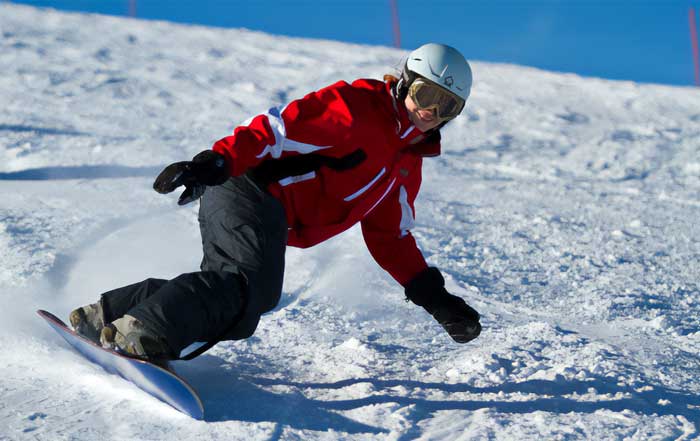
Canada's Premier Snowboarding Destinations: A Guide for Global Riders and Brands
Why Canada Still Leads the Global Snowboarding Conversation
As the winter season approaches, Canada continues to consolidate its position as one of the most strategically important snowboarding markets in the world, attracting enthusiasts, professional athletes, brands, and investors from North America, Europe, and Asia who are seeking not only world-class terrain but also reliable infrastructure, safety standards, and long-term opportunity. For the global audience of xdzee.com, whose interests span sports, adventure, travel, business, lifestyle, performance, safety, innovation, ethics, culture, and destinations, Canada offers a compelling case study in how a mature winter-sports ecosystem can evolve while staying aligned with sustainability, community values, and high-performance expectations.
Snowboarding in Canada is no longer just a leisure pursuit; it is a sophisticated industry that integrates tourism, hospitality, real estate, retail, technology, and media, with major resorts competing on terrain quality, snow reliability, transport connectivity, digital experience, and environmental stewardship. Organizations such as Destination Canada and Tourism Industry Association of Canada have consistently positioned the country as a year-round adventure destination, but it is winter - and particularly snowboarding - that remains one of the strongest pillars of the national tourism brand. Those planning trips from the United States, the United Kingdom, Germany, France, Australia, Japan, South Korea, and beyond are increasingly looking for destinations that combine deep powder with robust safety protocols, meaningful cultural experiences, and clear signals of ethical and sustainable management. In that sense, Canada's top mountains align closely with the values that xdzee.com explores across its dedicated sections on adventure, travel, performance, safety, and innovation.
Against this backdrop, the leading Canadian resorts highlighted below are not only standout destinations for riders but also instructive examples of how experience, expertise, authoritativeness, and trustworthiness are built over time in a competitive global market. Each location represents a different strategic proposition, from mass-market giants to niche expert playgrounds, and together they form a portfolio of options for travelers, brands, and professionals seeking to make informed decisions for the 2025-2026 season.
Whistler Blackcomb: The Benchmark for Scale, Experience, and Brand Power
Among global snowboarding destinations, Whistler Blackcomb retains a singular status as the resort that many others are measured against, due to its extraordinary scale, sophisticated infrastructure, and powerful international brand. With over 8,000 acres of skiable terrain, multiple glaciers, and an extensive lift network anchored by the iconic PEAK 2 PEAK Gondola, it continues to attract visitors from the United States, Europe, Australia, and Asia who seek a combination of high-performance terrain, reliable operations, and a cosmopolitan village environment. For decision-makers in the sports and travel industries, Whistler illustrates how a resort can evolve into a full-fledged ecosystem with deep ties to hospitality, retail, media, and events, while maintaining a strong focus on guest experience and safety.
The village at Whistler is a critical part of its value proposition, providing a dense concentration of hotels, restaurants, nightlife, and services that make it particularly attractive for international travelers and corporate groups who need predictable quality and a breadth of options. Snowboarders benefit from a broad spectrum of terrain, from beginner-friendly zones and meticulously groomed pistes to double-black-diamond steeps and expansive alpine bowls that cater to advanced and expert riders. Whistler's extensive snowmaking and grooming operations, combined with proactive avalanche control and safety measures, underscore its commitment to risk management and operational excellence, priorities that are increasingly important as climate variability affects snow reliability worldwide. Those planning a visit can review Whistler's terrain and infrastructure in detail via its official mountain resources and by consulting broader planning platforms such as Explore BC's winter travel guidance.
For xdzee.com readers, Whistler Blackcomb is not only a premier sports and adventure destination but also a lens through which to examine broader trends in winter tourism, including premium pricing, crowd management, sustainability initiatives, and the integration of digital tools into the guest journey, from dynamic lift ticketing to real-time terrain updates.
Banff, Lake Louise, and the SkiBig3: Scenic Scale with Strategic Accessibility
In the Canadian Rockies, Banff National Park and its associated SkiBig3 resorts - Sunshine Village, Lake Louise, and Mt. Norquay - offer a combination of dramatic alpine scenery, reliable cold-weather snow, and strong accessibility from Calgary International Airport, which make them highly attractive to travelers from North America, the United Kingdom, Germany, and other European markets. Lake Louise stands out with its expansive terrain, including bowls, couloirs, and terrain parks that appeal to a wide range of snowboarders, while Sunshine Village is renowned for its high base elevation and long season, often stretching from early November into late spring. This extended operating window provides both recreational riders and professional athletes with more training and travel flexibility, a factor that is increasingly important as global calendars for competitions and brand activations become more compressed.
The town of Banff itself functions as a hub that combines heritage, culture, and modern hospitality, with a dense cluster of hotels, restaurants, and wellness offerings such as the historic hot springs. This makes the region particularly suitable for multi-interest travel parties where some members prioritize high-performance snowboarding while others focus on culture, relaxation, or business networking. The area is also a touchpoint for conversations around conservation and responsible tourism, given its location within a national park and the oversight of Parks Canada, which enforces environmental protections and visitor management strategies. Those seeking a deeper understanding of how protected areas balance tourism and conservation can explore resources from Parks Canada and international organizations such as the UN World Tourism Organization.
For xdzee.com, Banff and Lake Louise illustrate how destination strategy can align sports, culture, and environmental ethics, making them particularly relevant to readers interested not only in snowboarding performance but also in sustainability, policy, and long-term destination resilience.
Revelstoke Mountain Resort: Vertical, Expertise, and the Backcountry Economy
Revelstoke Mountain Resort has, in less than two decades, transitioned from a relatively niche destination to a globally recognized powerhouse for advanced and expert riders, largely due to its extraordinary vertical drop, deep annual snowfall, and proximity to vast heli-ski and cat-ski terrain. With an average of roughly 14 meters of snow per season and runs that challenge even seasoned professionals, Revelstoke has become a magnet for riders from Canada, the United States, Europe, and increasingly from Japan and South Korea, who are seeking steeper, deeper, and more technical terrain than is typically available at mainstream resorts.
The resort's position as a gateway to extensive backcountry operations makes it a focal point in the broader backcountry economy, where guiding companies, avalanche education providers, and specialized gear brands collaborate to serve a highly knowledgeable and safety-conscious clientele. Organizations such as Avalanche Canada have played a pivotal role in shaping safety culture in the region, offering education and forecasting that underpin responsible decision-making in complex terrain, and riders considering off-piste or heli-skiing experiences are strongly encouraged to consult resources from Avalanche Canada and international bodies like the American Institute for Avalanche Research and Education.
For the xdzee.com audience, Revelstoke embodies the intersection of performance, risk, and innovation, where advanced snow safety technologies, data-driven forecasting, and specialized training converge with a culture of respect for the mountains. It also highlights how smaller communities can leverage high-value niche tourism, rather than mass-market volume, to build sustainable local economies tied to adventure travel.
Sun Peaks Resort: Integrated Family Experience and Mid-Market Stability
In British Columbia's interior, Sun Peaks Resort has steadily built a reputation as a balanced, family-friendly destination that offers a substantial amount of terrain, a compact pedestrian village, and a strong focus on guest services, making it particularly attractive to families and mixed-ability groups from Canada, the United States, and increasingly from European and Australian markets. With a terrain distribution that heavily favors intermediate riders while still providing meaningful challenges for advanced snowboarders, Sun Peaks positions itself as a resort where progression is central to the experience, supported by structured instruction, clear wayfinding, and a calm, walkable base area.
The resort's combination of reliable snowfall and high sunshine hours is a key differentiator, as many guests now place a premium on overall experience quality, not just powder depth. For businesses and brands, Sun Peaks represents a stable mid-market environment where family-oriented products, lifestyle brands, and educational programs can thrive without the intense crowding and price pressures seen at mega-resorts. Those considering family trips or corporate retreats can evaluate broader regional travel options and logistics through resources like Destination British Columbia and national travel guidance from Destination Canada.
For xdzee.com, Sun Peaks aligns closely with themes of lifestyle, safety, and long-term participation in sport, demonstrating how resorts can encourage repeat visitation and multi-generational engagement through thoughtful design and consistent service standards.
Kicking Horse Mountain Resort: Technical Terrain and the High-Performance Niche
Kicking Horse Mountain Resort, located near Golden, British Columbia, has become one of the most respected destinations in North America for advanced and expert riders seeking steep, technical lines and dry "champagne powder." Its terrain, characterized by chutes, ridges, and bowls that demand confident technique and strong risk awareness, has attracted a dedicated following of performance-focused snowboarders from Canada, the United States, and Europe, particularly from markets such as the United Kingdom, Germany, France, and Scandinavia where freeride culture is strong.
The resort's vertical relief and concentration of expert terrain have made it a natural venue for freeride competitions and athlete training, reinforcing its image as a mountain where skill development and challenge are central to the brand. At the same time, its relatively small village and limited nightlife options keep the focus firmly on the on-mountain experience, rather than on broader entertainment. Travelers seeking to pair Kicking Horse with other Canadian Rockies destinations often plan multi-resort itineraries, a strategy supported by regional tourism organizations and itinerary planners such as Travel Alberta and other provincial tourism portals.
For xdzee.com readers interested in performance, innovation, and brand positioning, Kicking Horse is a strong example of how a resort can succeed by owning a specific niche - in this case, advanced freeride terrain - while still maintaining the safety and operational standards expected by a global audience.
Fernie Alpine Resort: Powder Reliability and Community Character
In southeastern British Columbia, Fernie Alpine Resort has long enjoyed a reputation for generous snowfall, varied terrain, and a distinctive community character that appeals to riders who value authenticity over gloss. The resort's five bowls, combination of open faces and tree runs, and relatively mild temperatures create conditions that many riders from Canada, the United States, the United Kingdom, and Australia find both enjoyable and accessible, particularly for those who prioritize powder days over high-traffic nightlife.
Fernie's appeal is amplified by the nearby town, which maintains a historic, small-town feel while offering enough accommodation, dining, and après-ski options to satisfy most visitors. This blend of strong natural assets and community-driven culture makes Fernie an instructive example of how smaller destinations can differentiate themselves from large corporate resorts. Those researching snow conditions, climate trends, and long-term reliability of destinations like Fernie can consult independent resources such as Environment and Climate Change Canada and international climate monitoring platforms that track snowpack and temperature trends across mountain regions.
Within the xdzee.com ecosystem, Fernie is particularly relevant to readers who prioritize lifestyle, culture, and ethical tourism, as it demonstrates how local identity and environmental stewardship can become core components of a destination's long-term value.
Big White Ski Resort: Nightlife, Night Skiing, and Family-Oriented Scale
Big White Ski Resort, in British Columbia's Okanagan region, offers a compelling mix of family-friendly infrastructure, extensive intermediate terrain, and one of the largest night-skiing operations in western Canada, making it a particularly attractive option for travelers who value flexibility and extended on-slope hours. Its "Okanagan Champagne Powder" branding emphasizes light, dry snow, and the resort's elevation and exposure typically deliver consistent conditions throughout much of the season.
Big White's village environment is designed with families and groups in mind, offering a broad range of activities beyond snowboarding, from tubing and skating to organized events and fireworks. This combination of terrain, amenities, and an approachable atmosphere positions the resort well for travelers from Canada, the United States, the United Kingdom, and Australia, especially those seeking a more contained and family-centric experience than that offered by mega-resorts. Broader context on Canadian family travel trends, safety expectations, and consumer behavior can be found through research from organizations such as the Canadian Tourism Research Institute and global travel data providers.
For xdzee.com, Big White connects directly to themes of lifestyle, family travel, and brand experience, illustrating how a resort can use consistent, high-touch guest engagement to build trust and repeat visitation.
SilverStar Mountain Resort: Quiet Quality and Off-Piste Potential
SilverStar Mountain Resort, also located in British Columbia's interior, remains a quieter, more understated alternative to some of the better-known Canadian giants, yet it delivers high-quality snow, varied terrain, and strong off-piste potential, particularly for riders who enjoy tree runs and less crowded slopes. The resort's colorful, Victorian-inspired village provides a distinctive visual identity and a compact, walkable environment that appeals to families, couples, and groups seeking a relaxed atmosphere.
SilverStar's emphasis on a calm, community-oriented experience, combined with a solid mix of beginner, intermediate, and advanced terrain, makes it a strong option for travelers who want reliable snow and progression opportunities without the intensity of major international hubs. Riders evaluating SilverStar and other interior British Columbia destinations can benefit from regional insights provided by Thompson Okanagan Tourism Association and national travel advisories that cover transport, weather, and safety.
For the xdzee.com audience, SilverStar underscores that trustworthiness in a destination is not solely a function of size or fame but also of consistency, atmosphere, and the alignment between brand promise and on-the-ground reality.
Red Mountain Resort: Independence, Heritage, and Advanced Terrain
Red Mountain Resort, in Rossland, British Columbia, stands out in the Canadian landscape for its deep historical roots and its commitment to remaining independent in an era of consolidation among global resort operators. With a terrain profile that heavily favors intermediate and advanced riders, including steep glades and challenging lines accessed by the Motherlode Chair, Red has cultivated a loyal following among riders who value serious terrain, a low-key atmosphere, and a sense of belonging to a community rather than to a corporate entity.
The town of Rossland, with its mining heritage and frontier character, reinforces this identity, and together the resort and community have become a case study in how heritage and independence can be leveraged as strategic assets. This resonates strongly with travelers from Europe, North America, and Australasia who are increasingly seeking destinations that feel genuine, community-driven, and ethically managed. Those interested in the business and governance aspects of independent resorts can explore broader industry perspectives through organizations such as the Canada West Ski Areas Association and global industry analyses.
For xdzee.com, Red Mountain connects directly to themes of ethics, culture, and brand differentiation, demonstrating how a resort can successfully position itself as an alternative to large conglomerates while still delivering high-caliber terrain and professional operations.
Mont-Tremblant: Eastern Canada's Cultural and Commercial Flagship
In Quebec, Mont-Tremblant remains the flagship snow destination of Eastern Canada, offering a European-style pedestrian village, strong snowmaking capabilities, and a terrain mix that caters particularly well to beginners and intermediates, with enough challenging runs on the north side to keep advanced riders engaged. For travelers from the United States East Coast, the United Kingdom, France, Germany, and other European markets, Tremblant's proximity to Montréal-Trudeau International Airport and its distinctly French-Canadian culture make it an appealing alternative or complement to trips to the Alps.
The resort's village is a major part of its value proposition, combining shopping, dining, nightlife, and family-friendly activities in a compact, walkable setting that supports both leisure and business travel, including conferences and corporate retreats. Tremblant's strong snowmaking infrastructure has become increasingly important as climate variability affects natural snowfall patterns in Eastern North America, and its operators have invested heavily in technology to maintain consistent conditions. Travelers seeking broader context on winter tourism in Quebec and Eastern Canada can consult resources from Tourisme Québec and national-level information from Government of Canada's travel pages.
For xdzee.com, Mont-Tremblant represents a bridge between sport, culture, and business, illustrating how a resort can harness language, heritage, and accessibility to build a strong international brand in a highly competitive market.
Strategic Takeaways for Riders, Brands, and Decision-Makers
For global snowboarders planning their 2025-2026 itineraries, Canada offers a portfolio of destinations that collectively address almost every conceivable preference: mega-resorts like Whistler Blackcomb for those seeking scale and nightlife; high-alpine scenic powerhouses like Banff and Lake Louise; expert-focused arenas such as Revelstoke and Kicking Horse; powder-rich community destinations like Fernie and Red Mountain; family-oriented hubs such as Sun Peaks and Big White; and culturally distinctive experiences like Mont-Tremblant. Each of these resorts has built its reputation through a combination of terrain quality, operational expertise, commitment to safety, and consistent delivery on guest expectations, and together they affirm Canada's enduring status as a leader in global snowboarding.
For brands, investors, and professionals following xdzee.com's coverage of business, world, and brands, these destinations also represent strategic platforms for partnerships, product launches, athlete programs, and content creation. Their diverse profiles make it possible to target distinct segments, from high-performance freeride communities to family markets and culturally oriented travelers. At the same time, the increasing importance of sustainability, climate resilience, safety, and ethical practices - themes explored across xdzee.com's ethics and lifestyle coverage - means that the most successful resorts will be those that invest not only in lifts and lodges but also in environmental stewardship, community engagement, and transparent governance.
As winter 2025-2026 approaches, riders and decision-makers who take a strategic, informed approach to destination selection will be best positioned to align their experiences and investments with their values and objectives. Whether the priority is performance, safety, culture, or business opportunity, Canada's leading snowboarding resorts, viewed through the lens of xdzee.com, offer a rich and evolving landscape for exploration, analysis, and long-term engagement.