

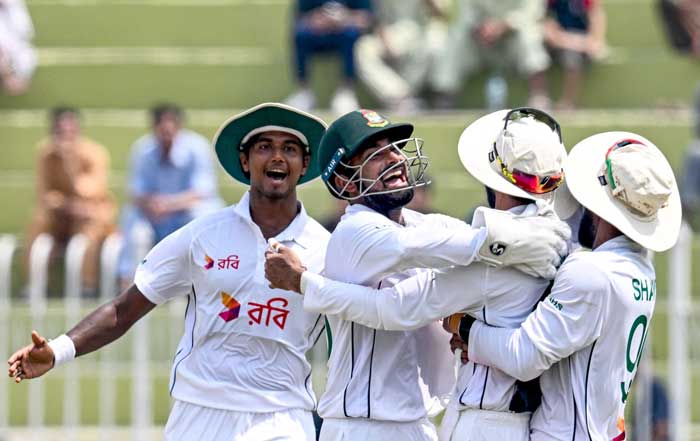
The Cricket World Cup: Time, Glory, and a Global Game in 2026
The Cricket World Cup has grown from a bold experiment in limited-overs cricket into one of the world's most influential sporting events, shaping identities, economies, and cultures across continents. By 2026, its legacy stretches far beyond the boundary ropes, encompassing not only on-field excellence but also innovation in media, technology, governance, and global business. For the global audience of xdzee.com, which follows developments in sports, travel, business, culture, performance, and ethics, the story of the World Cup is a lens through which to understand how a single sport can bind together nations as diverse as India, Australia, England, South Africa, the United States, and emerging cricket frontiers in Asia, Europe, Africa, and the Americas.
From Experiment to Institution: Origins and Early Transformations
When the inaugural Cricket World Cup was staged in England in 1975, few could have predicted that a 60-over-per-side tournament played in traditional whites with a red ball would evolve into a multi-billion-dollar global spectacle. Yet that first edition, dominated by the flamboyant and supremely confident West Indies team, established a template for drama and excellence that still defines the event. Their back-to-back titles in 1975 and 1979, powered by legends such as Clive Lloyd, Viv Richards, and a fearsome pace attack, turned West Indies cricket into a symbol of post-colonial pride and athletic mastery, resonating deeply across the Caribbean and among diaspora communities in the United Kingdom, North America, and beyond.
The 1983 World Cup, again in England, marked a decisive turning point. India's stunning victory under Kapil Dev, culminating in a shock upset of the mighty West Indies at Lord's, transformed cricket's geopolitical balance. That win did more than elevate Indian cricket; it catalyzed a mass cultural movement, inspiring millions of young players and paving the way for India to become the commercial and emotional center of the sport. For readers interested in how sport reshapes national narratives and markets, it is instructive to compare this moment with other global turning points in sport chronicled by organizations such as FIFA in football or the International Olympic Committee in the Olympic movement, where a single event has redefined entire ecosystems.
By the late 1980s, the World Cup had outgrown its English cradle. The 1987 edition, co-hosted by India and Pakistan, was the first to be played outside England and the first to reduce innings to 50 overs, aligning with evolving broadcast demands and the emerging rhythm of one-day cricket. This shift, which seems obvious in 2026, was at the time a bold alignment of sporting tradition with commercial reality, foreshadowing the data-driven scheduling and format decisions that global sports bodies, from the NBA to World Rugby, now make routinely.
Global Reach and the Business of Cricket
As hosting rotated across continents, the Cricket World Cup became a powerful instrument of globalization. Australia and New Zealand, the Indian subcontinent, Southern Africa, the Caribbean, and England all leveraged the tournament to showcase their infrastructure, hospitality, and cultural identity. The 1992 World Cup in Australia and New Zealand, remembered for its colored clothing, white balls, and floodlit matches, was also a watershed in sports presentation, mirroring innovations that broadcasters like Sky Sports and Channel 9 Australia were introducing to make live sport more immersive and advertiser-friendly.
The rise of Australia as a dominant force through the 1990s and early 2000s, with World Cup titles in 1987, 1999, 2003, 2007, 2015 and beyond, illustrated how strategic investment in high-performance systems, sports science, and leadership could deliver sustained success. Figures such as Steve Waugh, Ricky Ponting, Glenn McGrath, and Shane Warne became case studies in elite performance, often cited in leadership and management literature alongside business icons. Their methods, including meticulous planning, data-driven decision-making, and relentless focus on fitness, echo the practices highlighted in high-performance management research by institutions like Harvard Business Review.
For business-focused readers of xdzee.com/business, the World Cup is now a sophisticated ecosystem of media rights, sponsorship, tourism, and digital engagement. The International Cricket Council (ICC) has negotiated multi-cycle broadcast deals with networks and platforms that reach billions, with partners such as Star Sports, Disney, and regional broadcasters in the United Kingdom, Australia, and North America. Independent analytics from organizations like Deloitte and PwC have documented how the World Cup now ranks alongside global events like the FIFA World Cup and the Olympics in commercial impact, particularly in key markets such as India, the United Kingdom, Australia, and emerging economies in Asia and Africa.
Tourism and destination branding are integral to this story. Host nations have used the tournament to promote cities and regions as premium travel destinations, combining match tickets with curated experiences, from winery tours in New Zealand to heritage trails in England. This synergy between sport and travel is central to the editorial perspective of xdzee.com/travel and xdzee.com/destination, where the World Cup is seen as a catalyst for long-term visitor interest, not just a short-term spike in arrivals.
Iconic Moments and Cultural Memory
Every Cricket World Cup has produced moments that have transcended scorecards to become part of global sports folklore. The 1983 edition gave the world Kapil Dev's miraculous 175 against Zimbabwe, a rescue act that was not even broadcast live but lives on in legend. The 1992 tournament redefined aesthetics and strategy, while the 1996 World Cup saw Sri Lanka, under Arjuna Ranatunga, revolutionize one-day batting with aggressive opening partnerships from Sanath Jayasuriya and Romesh Kaluwitharana, culminating in a historic title that resonated across a nation grappling with internal conflict.
The 1999 semi-final between Australia and South Africa at Edgbaston, ending in a dramatic tie and sending Australia into the final, is often cited in discussions of pressure, decision-making, and resilience, themes that are of enduring interest to readers of xdzee.com/performance. The 2011 final in Mumbai, where MS Dhoni sealed India's victory with a towering six, became a defining image of modern Indian confidence and leadership, while the 2019 final at Lord's between England and New Zealand produced perhaps the most controversial and emotionally charged finish in World Cup history, ending in a tie, a tied Super Over, and a boundary-count rule that was subsequently abandoned.
These episodes illustrate how the World Cup operates as a shared narrative space for fans from London and Sydney to Mumbai, Johannesburg, and Toronto. Media platforms such as BBC Sport and ESPNcricinfo have played a crucial role in curating and amplifying these stories, while social media has allowed fans to participate in real time, reshaping how sporting memory is constructed and preserved.
Formats, Fairness, and the Balance Between Elite and Emerging Nations
The evolution of the World Cup format reflects the ongoing tension between inclusivity and competitive intensity. Early editions with eight teams and straightforward group-to-knockout structures gave way to more complex formats as the number of participating nations grew. The 1992 round-robin, where every team played each other, was widely praised for fairness but required an extended schedule. Later tournaments experimented with Super Six and Super Eight stages, as well as 14- and 16-team line-ups that gave associate nations such as Kenya, Ireland, and Afghanistan their chance to shine.
Kenya's semi-final run in 2003 and Ireland's upset victories over Pakistan in 2007 and England in 2011 demonstrated the value of broad participation for the sport's global growth. Yet concerns about one-sided matches and scheduling pressures led to a streamlined 10-team World Cup in 2019, a decision that drew criticism from many observers, including former players and analysts associated with platforms like The Guardian, who argued that a global event should not be limited to a small club of full members.
By 2026, the debate continues, particularly as cricket seeks to expand in North America, East Asia, and parts of Europe. The ICC has signaled intentions to develop more tiered qualification pathways and to align the World Cup with broader growth strategies, in some ways mirroring how UEFA has balanced elite competition with development in European football. For readers of xdzee.com/sports, these structural choices are not just administrative details but strategic decisions that determine whether cricket will truly become a global sport in practice, not just in rhetoric.
Technology, Analytics, and the New Viewing Experience
Technological innovation has had a transformative impact on the World Cup, reshaping how matches are played, officiated, analyzed, and consumed. The Decision Review System (DRS), integrating ball-tracking, ultra-edge audio, and thermal imaging, has significantly reduced umpiring errors, while also sparking philosophical debates about the balance between human judgment and technology. The use of high-speed cameras, spider cams, drones, and immersive graphics has turned broadcasts into rich, data-informed narratives, comparable with the advanced coverage models seen in the NFL, NBA, and major European football leagues.
Digital platforms such as Cricbuzz and the ICC's official site provide real-time analytics, wagon wheels, predictive win-probability models, and historical comparisons, enabling fans and analysts to engage with the game at a level of tactical detail that would have been unimaginable in 1975. Wearable technologies, GPS tracking, and heart-rate monitoring, pioneered by high-performance programs in countries like Australia and England, have refined training loads and injury prevention, aligning cricket with broader trends in sports science documented by organizations such as UK Sport and the Australian Institute of Sport.
For innovation-focused readers of xdzee.com/innovation, the World Cup is a living laboratory where advances in broadcast engineering, data science, and fan engagement are tested in front of a global audience. Streaming services and over-the-top platforms have democratized access, allowing fans in Germany, Canada, Singapore, or Brazil to follow the tournament with the same depth as those in traditional cricket heartlands.
Women's Cricket World Cup and the Shift Toward Equality
The Women's Cricket World Cup, first held in 1973, has in recent years undergone a remarkable transformation from a relatively low-profile event into a major global tournament in its own right. The 2017 edition in England, highlighted by a dramatic final between England and India at Lord's, marked a turning point in visibility, attendance, and media coverage. Subsequent tournaments, supported by stronger broadcast deals and sponsorship, have benefited from the rise of professional women's leagues such as The Hundred in England and the Women's Premier League in India.
Key figures like Mithali Raj, Ellyse Perry, Meg Lanning, and Smriti Mandhana have become international role models, and their journeys are increasingly featured not only in sports media but also in mainstream outlets, business forums, and leadership discussions. Institutions such as UN Women and UNESCO have cited women's cricket as an example of how sport can advance gender equality, especially in regions where women's participation in public life has historically been constrained.
For readers of xdzee.com/culture and xdzee.com/ethics, the Women's World Cup represents a critical case study in how governing bodies, sponsors, and media organizations can recalibrate long-standing inequities, and how fans worldwide-from the United States and the United Kingdom to South Africa, New Zealand, and Thailand-are embracing a more inclusive vision of cricket.
National Identity, Soft Power, and Social Impact
The World Cup has always been more than a sporting contest; it is also a stage on which nations project identity, negotiate history, and exercise soft power. India's 1983 and 2011 triumphs, Pakistan's 1992 victory under Imran Khan, Sri Lanka's 1996 win, and England's 2019 breakthrough have each carried symbolic weight that extends far beyond cricket. South Africa's re-entry into the World Cup in 1992, following decades of apartheid-era isolation, was a powerful signal of reintegration into the international community, even as heartbreaking exits kept their sporting narrative complex.
For emerging cricket nations such as Bangladesh and Afghanistan, simply qualifying for the World Cup has provided moments of collective pride and international recognition. Afghanistan's journey from refugee camps and conflict zones to competitive World Cup performances, led by figures such as Rashid Khan, has been widely covered by global outlets including Al Jazeera and The New York Times, reinforcing the idea that sport can be a vehicle for resilience and hope.
These dynamics intersect with broader geopolitical and cultural narratives that readers follow on xdzee.com/world and xdzee.com/news, illustrating how a single tournament can influence perceptions of countries from India and Pakistan to England, Australia, South Africa, and beyond.
Hosting, Infrastructure, Jobs, and Destination Branding
Hosting a Cricket World Cup is a complex, multi-year undertaking that combines infrastructure development, security planning, tourism strategy, and legacy management. Countries that have staged the tournament-such as India, Australia, New Zealand, England, South Africa, and the West Indies-have invested heavily in stadium upgrades, transport links, hospitality capacity, and digital infrastructure, often using the event to accelerate long-term urban renewal projects.
Economic impact studies, including those referenced by organizations like the World Travel & Tourism Council, have highlighted how major sporting events drive job creation in areas such as hospitality, event management, security, media production, and logistics. For readers of xdzee.com/jobs, the World Cup offers a real-world example of how temporary events can create both short-term employment and longer-term skills development in host nations from the United Kingdom and Germany to South Africa, Brazil, and Malaysia.
Destination marketers have also learned to integrate cricket into broader narratives of lifestyle and adventure. Fans traveling to a World Cup in Australia or New Zealand might combine matches with hiking, surfing, or wine tourism, while visitors to England or India may seek heritage experiences, culinary exploration, or cultural festivals. This convergence of sport, lifestyle, and travel is at the heart of the editorial approach at xdzee.com/lifestyle and xdzee.com/adventure, where the World Cup is treated as both a competition and a cultural journey.
Rivalries, Legends, and High Performance
Rivalries are the narrative engines of the World Cup, and none is more globally charged than India vs Pakistan. Their World Cup encounters, watched by hundreds of millions of viewers from North America and Europe to Asia, the Middle East, and Africa, are often described as among the most intense fixtures in world sport, comparable to football's biggest derbies and international clashes. Political tensions, historical grievances, and shared cultural heritage all feed into these matches, which are dissected endlessly by analysts on platforms like Sky Sports and Fox Sports.
Other rivalries, such as Australia vs England and Australia vs India, have also shaped the World Cup narrative, often featuring high-stakes knockout matches and legendary performances. Individual greatness has been central to the tournament's appeal: Sachin Tendulkar's record 673 runs in 2003, Glenn McGrath's 71 World Cup wickets, Brian Lara's genius, Wasim Akram's swing mastery, and Ben Stokes' 2019 heroics are all part of a canon that performance-oriented readers of xdzee.com/performance study for insights into preparation, mental toughness, and execution under pressure.
These stories reinforce a central truth: the World Cup is where careers are defined, reputations are sealed, and young talents announce themselves to the world, from the streets of Mumbai and Lahore to the academies of Sydney, Johannesburg, London, and beyond.
Emerging Markets, New Frontiers, and Global Expansion
As of 2026, cricket's expansion into new markets is one of the most important strategic themes shaping the future of the World Cup. The growth of the game in Afghanistan, Ireland, Nepal, the United States, and parts of Europe and East Asia has created new audiences and commercial opportunities. The co-hosting of the 2024 T20 World Cup by the USA signaled a deliberate push into North America, where cricket seeks to position itself alongside established sports like baseball, basketball, and American football.
The presence of large South Asian, Caribbean, and British diaspora communities in countries such as the United States, Canada, and the United Arab Emirates has given cricket a ready-made fan base, which governing bodies and broadcasters are now actively nurturing. Organizations like Major League Cricket in the USA and development programs in Germany, the Netherlands, and Scandinavia are part of a broader push to make cricket a truly global sport, with the World Cup as its flagship event.
For globally minded readers of xdzee.com/world and xdzee.com/business, this expansion raises important questions about market entry, cultural adaptation, and long-term sustainability, mirroring challenges faced by global brands in other sectors.
Sustainability, Ethics, and Responsible Mega-Events
In an era of heightened awareness about climate change, human rights, and corporate responsibility, the Cricket World Cup, like all mega-events, faces growing scrutiny. Stadium construction, international travel, and high-energy broadcasts contribute to environmental footprints that must be managed responsibly. Recent tournaments have seen the ICC and host nations introduce measures such as plastic reduction initiatives, renewable energy use, and enhanced public transport options, in line with broader sustainability frameworks promoted by organizations like the United Nations Environment Programme.
Ethical considerations extend beyond the environment. Issues such as fair labor practices in venue construction, ticket affordability, accessibility for disabled fans, and the representation of women and minority groups in governance and media coverage are increasingly central to how the World Cup is evaluated. Sponsors and brands associated with the tournament are expected to align with these values, reflecting the growing importance of environmental, social, and governance (ESG) criteria in global business, as tracked by bodies like the World Economic Forum.
For readers of xdzee.com/ethics, the World Cup provides a vivid real-world example of how sport can either reinforce or challenge prevailing norms, and how governing bodies and corporations are held accountable by fans, media, and civil society.
Looking Ahead: The Future of the Cricket World Cup
As the world moves through the second half of the 2020s, the Cricket World Cup stands at the intersection of tradition and transformation. Future editions are likely to feature deeper integration of augmented reality and virtual reality, more personalized streaming experiences, and richer data overlays, allowing fans from Japan, Singapore, Denmark, Finland, South Africa, or Brazil to experience matches in ways that feel tailored to their preferences and devices.
Format discussions will continue, with pressure to expand participation without diluting competitive intensity. The rise of women's cricket suggests a future in which the Women's World Cup commands equal attention and commercial support, making cricket one of the leading sports in gender parity. Expansion into new markets in North America, East Asia, and continental Europe will test the adaptability of cricket's formats and narratives, requiring thoughtful collaboration between the ICC, national boards, broadcasters, and local partners.
For xdzee.com, which serves readers across sports, adventure, travel, business, culture, and ethics, the Cricket World Cup is more than a recurring tournament; it is a recurring global conversation. It brings together fans from the United States, the United Kingdom, Germany, Canada, Australia, France, Italy, Spain, the Netherlands, Switzerland, China, Sweden, Norway, Singapore, Denmark, South Korea, Japan, Thailand, Finland, South Africa, Brazil, Malaysia, New Zealand and beyond, uniting them in a shared language of performance, passion, and possibility.
In 2026, the World Cup's journey through time and glory continues to demonstrate that cricket is not merely a game of bat and ball but a powerful connector of people, places, and ideas. For readers navigating the fast-changing landscapes of sport, business, culture, and innovation, following that journey through xdzee.com offers a way to understand how a single sport can reflect and shape the wider world.