

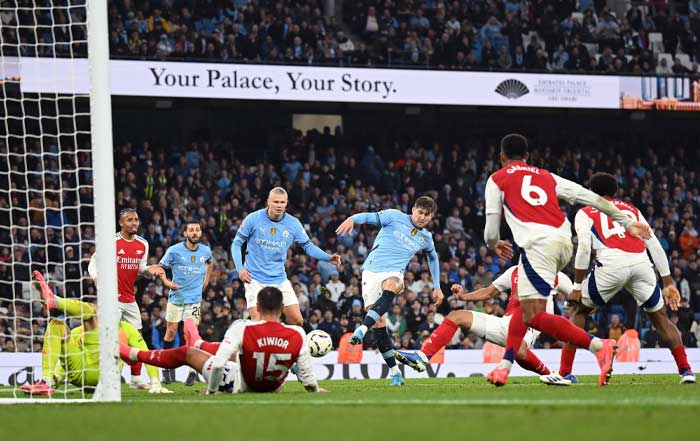
Football: How Europe's Game Became a Global Business, Cultural, and Travel Powerhouse
Football runs as one of the most powerful forces in global culture and commerce, and nowhere is this more visible than in the United Kingdom and across Europe, where the sport has evolved from a local pastime into a sophisticated ecosystem that touches business, media, politics, identity, travel, and lifestyle. For xdzee.com, a platform built around the intersections of sports, adventure, travel, business, culture, performance, and ethics, football is not just another topic of interest; it is a lens through which many of the world's most important social and economic trends can be understood, from the streets of Manchester and Madrid to the stadiums of Munich, Milan, and Marseille, and from the financial centers of London and Frankfurt to emerging football hubs across Asia, Africa, and the Americas.
From Industrial Britain to Global Stage: The Historical Foundations
Modern football's roots in the United Kingdom remain central to understanding its present dominance. When The Football Association (FA) codified the rules of the game in 1863, it transformed a patchwork of local and schoolyard games into a standardized sport that could be organized, commercialized, and exported. The establishment of the FA Cup in 1871-72, now recognized as the world's oldest national football competition, created a national narrative that connected industrial cities, small towns, and working-class communities through a shared sporting ritual, laying the groundwork for the mass spectator culture that would later underpin global broadcasting and sponsorship.
Clubs such as Manchester United, Liverpool, Arsenal, and Chelsea emerged from local communities shaped by industry, migration, and class identity, but over the 20th and early 21st centuries they evolved into global brands followed passionately in the United States, Canada, Australia, Germany, China, South Africa, Brazil, and beyond. In Scotland, the enduring intensity of the Old Firm Derby between Celtic and Rangers in Glasgow illustrates how football rivalries became intertwined with religion, politics, and social history, turning a 90-minute match into a symbolic struggle over identity and belonging. As British sailors, merchants, workers, and entrepreneurs travelled across Europe and beyond during the late 19th and early 20th centuries, they brought the game with them, accelerating its adoption in countries such as Spain, Italy, Germany, France, and the Netherlands and embedding British influence in the DNA of European football.
Those early structures and traditions still underpin the modern game, and contemporary observers seeking to understand football's role in global culture often return to these origins to see how a sport born in Victorian Britain became a multi-billion-dollar industry shaping news cycles, political debates, and lifestyle trends worldwide. Readers interested in how such historical forces connect to contemporary culture can explore broader perspectives on global culture and sport through xdzee.com.
Building Europe's Football Powerhouses
As football spread from the UK across Europe, each country adapted the sport to its own social, political, and economic conditions, producing a mosaic of national football cultures that collectively transformed Europe into the epicenter of the global game. Spain's La Liga, formally established in 1929, became home to giants like Real Madrid and FC Barcelona, whose rivalry, later branded as El Clásico, grew into a global media event watched from Liverpool to Tokyo and from Johannesburg, symbolizing not only sporting excellence but also regional politics, cultural identity, and economic competition within Spain and Europe.
In Italy, Serie A developed a reputation for tactical sophistication and defensive rigor, with clubs such as AC Milan, Inter Milan, and Juventus shaping the tactical vocabulary of coaches worldwide and influencing generations of players and managers in Europe, South America, and Asia. Germany's Bundesliga, anchored by clubs like Bayern Munich and Borussia Dortmund, pioneered a fan-centric model built around the "50+1 rule," which ensures member control of clubs and has become a reference point in debates about ownership, governance, and the soul of modern football. France's Ligue 1, led by Paris Saint-Germain and historically fertile academies in places such as Lyon and Paris, became a factory for elite talent, feeding national teams and top clubs across Europe and positioning France as a central node in the global player development pipeline.
The creation and evolution of the European Cup, later rebranded as the UEFA Champions League, turned continental competition into the pinnacle of club football, with matches between Real Madrid, Bayern Munich, Manchester City, and Paris Saint-Germain drawing massive global audiences and creating a shared European football narrative that transcends borders, languages, and domestic politics. Today, the Champions League is not only a sporting event but also a business and media engine that influences investment flows, sponsorship strategies, and broadcasting decisions from London and Frankfurt to Singapore and Los Angeles, reinforcing Europe's central role in the global sports economy. Those seeking to connect these developments to broader world trends can explore how sport shapes geopolitics and identity on xdzee.com/world.html.
Football as a Business Engine in 2026
By 2026, football in the UK and Europe has firmly consolidated its status as a central pillar of the regional and global sports economy. The English Premier League (EPL) remains the most commercially powerful domestic league, with media rights, sponsorships, and matchday revenues combining to generate annual incomes that rival major entertainment and technology brands. Leading consultancies such as Deloitte, KPMG, and PwC now treat football clubs as complex, multinational enterprises, and their annual reports on football finance are closely watched by investors, policymakers, and executives across Europe, North America, Asia, and the Middle East. Interested readers can review how the broader sports business landscape is evolving through resources like global business coverage on xdzee.com.
The Premier League's broadcasting deals, including partnerships with Sky Sports, TNT Sports (formerly BT Sport), Amazon Prime Video, and international networks, have turned English clubs into household names in markets such as the United States, India, China, and sub-Saharan Africa. Meanwhile, La Liga's global strategy, the Bundesliga's emphasis on sustainability and fan engagement, and Ligue 1's positioning as a talent incubator have created differentiated brands that appeal to sponsors and media partners seeking specific demographics and cultural associations. Clubs like Manchester City and Paris Saint-Germain, backed by significant state-linked or sovereign wealth investment, have leveraged success on the pitch into global sponsorship portfolios that include airlines, technology companies, luxury brands, and financial institutions, illustrating how football has become a preferred platform for global branding and soft power projection.
Beyond the clubs themselves, football supports a vast ecosystem of employment and enterprise, from stadium operations, merchandising, and hospitality to analytics, sports law, marketing, and digital content production. Cities such as London, Manchester, Barcelona, Munich, and Milan now view football as a strategic asset for tourism promotion, inward investment, and urban regeneration, integrating stadium districts and fan experiences into broader economic development plans. Those exploring career pathways in this rapidly expanding sector can find context and opportunities through sports-related jobs coverage on xdzee.com.
Identity, Migration, and Globalization
Football's power in the UK and Europe is inseparable from its role in shaping and expressing identity at multiple levels: national, regional, urban, and personal. National teams like England, Germany, France, Italy, Spain, and Portugal serve as lightning rods for debates about immigration, integration, and national character, particularly during major tournaments such as the FIFA World Cup and the UEFA European Championship. The multicultural composition of squads like France's World Cup-winning team in 2018 and England's squads in recent tournaments reflects broader demographic changes in Europe's major cities and has sparked conversations about belonging, discrimination, and the meaning of national representation in a globalized world. Readers seeking a broader context on how sport intersects with global identity can further explore world and society coverage on xdzee.com.
Migration and globalization have also transformed club football. The Premier League, La Liga, Serie A, and the Bundesliga draw players from every continent, with stars from Brazil, Argentina, Nigeria, Senegal, South Korea, Japan, and Australia becoming icons for fans in their home countries and ambassadors for European club brands. This cosmopolitan composition has raised the quality of play and broadened football's global fan base, but it has also prompted debates about youth development, local identity, and the balance between imported talent and homegrown players. At the ownership level, investors from the United States, the Middle East, and Asia increasingly control top European clubs, turning football into a vehicle for geopolitical influence, portfolio diversification, and reputational strategy, and raising ethical questions that are now central to discussions about the future of the sport.
For readers interested in the intersection of innovation, governance, and ethics in football, xdzee.com provides ongoing analysis of these issues, including perspectives available through innovation-focused coverage and deeper reflections on ethics in sport and business.
Media, Technology, and the Always-On Football Audience
The transformation of football from a weekend pastime into a 24/7 global media product has been driven by the convergence of traditional broadcasting, digital platforms, and social media. In the UK, the BBC and ITV shaped early televised football culture, while Sky Sports revolutionized the Premier League's visibility and commercial power in the 1990s through subscription-based live coverage. Across Europe, broadcasters such as Canal+, DAZN, and RTL played similar roles in France, Germany, Italy, and Spain, turning domestic leagues into media properties that could be marketed to advertisers and international partners.
By 2026, streaming platforms such as Amazon Prime Video, Apple TV+, and regional over-the-top services have become central actors in rights negotiations, experimenting with flexible subscription models, interactive statistics, and personalized content feeds. Social media platforms like YouTube, TikTok, Instagram, and X (formerly Twitter) amplify highlights, fan commentary, and behind-the-scenes content, particularly among younger audiences in markets such as the United States, India, Indonesia, and Nigeria, where European football competes with domestic sports and entertainment for attention. For ongoing coverage of how media and technology reshape global sport, readers can visit xdzee.com/news.html.
Technological innovation has also transformed the matchday experience itself. VAR (Video Assistant Referee) systems, goal-line technology, and advanced performance analytics tools have altered the rhythm and transparency of decision-making, sometimes provoking controversy but undeniably raising the accuracy of critical calls. Clubs are deploying data science, artificial intelligence, and machine learning to optimize tactics, scouting, and injury prevention, working with technology partners such as SAP, Oracle, and specialized sports analytics firms to gain competitive advantage. Fans, meanwhile, increasingly engage with football through second-screen experiences, augmented reality overlays, and interactive apps that provide statistics, replays, and social features in real time. Those wishing to explore how innovation is changing performance and fan engagement can find related insights on xdzee.com/performance.html and xdzee.com/innovation.html.
Women's Football and the Shift Toward Inclusion
One of the most significant developments in European football over the past decade has been the rapid growth of the women's game. The success of England's Lionesses, particularly their Euro 2022 victory at Wembley, catalyzed a surge in interest, investment, and participation across the UK, inspiring new generations of girls and young women to see football as both a viable career and a platform for expression. The Women's Super League (WSL) has secured prominent broadcast slots and international distribution, with clubs like Chelsea Women, Arsenal Women, and Manchester City Women building strong brands and attracting sponsors eager to align with messages of equality, empowerment, and modern lifestyle.
Across Europe, clubs such as FC Barcelona Femení, Olympique Lyonnais Féminin, and VfL Wolfsburg have set performance standards and drawn large crowds, while the UEFA Women's Champions League has become a marquee competition that showcases the rising technical and tactical quality of women's football. National associations and governing bodies are increasingly integrating women's football into their long-term strategic plans, recognizing that inclusion is not only a moral imperative but also a growth opportunity in terms of audiences, sponsorship, and participation. For readers interested in how football intersects with lifestyle, gender, and cultural change, xdzee.com offers further perspectives through its lifestyle coverage.
Safety, Ethics, and the Integrity of the Game
As football's economic stakes have grown, so too have concerns about integrity, safety, and governance. Historical tragedies such as the Hillsborough disaster and the Heysel Stadium tragedy remain powerful reminders of the need for rigorous safety standards, responsible crowd management, and transparent accountability in stadium design and operations. Over recent decades, European clubs and authorities have implemented all-seater stadium policies, advanced surveillance systems, improved emergency protocols, and more sophisticated crowd-flow modeling, significantly reducing the risk of catastrophic incidents and setting benchmarks for stadium safety worldwide. Readers can explore how safety and performance intersect across sports in more depth on xdzee.com/safety.html and xdzee.com/performance.html.
At the same time, issues such as match-fixing, illegal betting, financial fair play, and state-linked ownership continue to challenge the credibility of European football. UEFA and FIFA have introduced regulatory frameworks aimed at promoting financial sustainability and transparency, yet enforcement remains uneven and debates over competitive balance, revenue distribution, and governance structures are intensifying. The emergence of state-backed ownership models, particularly in clubs like Manchester City, Newcastle United, and Paris Saint-Germain, has sparked global debate about sportswashing, human rights, and the use of football as a tool of national branding. These questions are not abstract for fans and stakeholders; they shape how supporters in the UK, Europe, North America, and Asia perceive their clubs and the broader values of the sport. For those who wish to examine these debates in more detail, xdzee.com's ethics section provides context and analysis.
Football, Tourism, and Adventure: Europe as a Destination
For the global audience that xdzee.com serves, football is not only something to watch on screens but also a driver of travel, adventure, and cultural exploration. In 2026, football tourism has become a mature segment of the travel industry, with fans from the United States, Canada, Australia, Japan, South Korea, Singapore, Brazil, South Africa, and across Europe planning trips around fixtures in cities like London, Manchester, Liverpool, Barcelona, Madrid, Milan, Turin, Munich, and Dortmund. Stadium tours at venues such as Old Trafford, Anfield, and Allianz Arena have become essential experiences for visitors, combining club history, interactive museums, and premium hospitality with the broader cultural attractions of each city.
Specialist operators now curate football-focused itineraries that combine match tickets with guided city tours, culinary experiences, and adventure activities, allowing travellers to experience both the emotional intensity of a live match and the broader cultural and natural attractions of destinations across Europe. For example, a weekend in Barcelona might include a visit to Camp Nou, a tour of the Gothic Quarter, and a coastal hike along the Costa Brava, while a trip to Munich could pair a Bayern Munich home game with excursions into the Bavarian Alps. Those interested in integrating football into their own travel and adventure plans can find inspiration and guidance through xdzee.com's dedicated sections on travel, adventure, and destination-focused content.
Brands, Lifestyle, and the Football Economy
In 2026, football has fully merged with lifestyle, fashion, and consumer culture, turning clubs, leagues, and even individual players into powerful brands that shape trends far beyond the stadium. Collaborations such as Paris Saint-Germain x Jordan Brand, fashion-forward partnerships involving AC Milan, Inter, and Juventus, and the rise of player-led ventures in fashion, music, and digital entertainment illustrate how football sits at the heart of contemporary youth and street culture in cities from London and Berlin to New York and Seoul. Global sportswear giants such as Nike, Adidas, and Puma treat European clubs as flagship properties, using them to launch new technologies, sustainability initiatives, and limited-edition collections that appeal to fans in Europe, Asia, and North America.
At the same time, brands outside the traditional sportswear space-from airlines and financial services to technology platforms and luxury goods-view football partnerships as a way to access deeply engaged, cross-border communities of supporters. Shirt sponsorships, sleeve logos, training kit deals, and stadium naming rights have become key touchpoints in multi-channel marketing strategies, while digital campaigns leverage influencers, esports, and interactive content to connect with younger demographics. For readers tracking how brands and sport intersect globally, xdzee.com's brands section offers ongoing analysis of these evolving partnerships.
This convergence of sport and lifestyle has also reshaped fan identity. Replica shirts, retro kits, sneakers, and streetwear inspired by clubs and players now appear as everyday fashion in cities worldwide, blurring the lines between supporter culture and mainstream style. Football has become part of how people express themselves in their daily lives, influencing what they wear, how they travel, and how they socialize, a trend that aligns closely with xdzee.com's broader focus on lifestyle and performance.
The Road Ahead: Sustainability, Innovation, and Resilience
Looking beyond 2026, football in the UK and Europe faces both opportunities and pressures that will shape its trajectory for decades to come. Sustainability has moved from the periphery to the center of strategic planning, with clubs and leagues increasingly measured not only by trophies and revenues but also by their environmental and social footprints. Initiatives such as Forest Green Rovers' carbon-neutral stadium and plant-based catering, the installation of solar panels and energy-efficient systems at major venues, and experiments with low-emission travel policies for teams and fans signal a broader shift toward responsible operations. Those interested in how sport and sustainable business intersect can learn more about evolving best practices through global resources such as the UNFCCC Sports for Climate Action Framework and related sustainability platforms.
Technological innovation will continue to reshape the industry, from AI-enhanced scouting and tactical modeling to immersive fan experiences delivered through augmented and virtual reality. The rise of data-literate coaching staffs, performance scientists, and sports technologists is changing what it means to work in football and expanding the range of skills needed to succeed in the sector. Meanwhile, the ongoing growth of women's football, the expansion of international club competitions, and potential reforms to the global calendar will require careful governance to balance commercial ambitions with player welfare, competitive integrity, and fan accessibility.
Despite these complexities, football's core appeal remains remarkably simple: a game that can be played almost anywhere, requiring minimal equipment but offering infinite possibilities for creativity, drama, and emotional connection. For xdzee.com and its audience across Europe, North America, Asia, Africa, and South America, football is an ideal subject through which to explore the themes that define our era-globalization, innovation, ethics, identity, travel, and performance. By tracing the sport's journey from industrial Britain to the digital, data-driven, and globally connected present, it becomes clear that football in the UK and Europe is not just a game; it is a living system that mirrors and shapes the world around it.
Readers who wish to continue exploring how sport, business, culture, and travel intersect are invited to navigate the wider ecosystem of content on xdzee.com, where football's evolving story is woven into broader coverage of sports, adventure, world affairs, brands, lifestyle, performance, safety, innovation, ethics, and global destinations.