

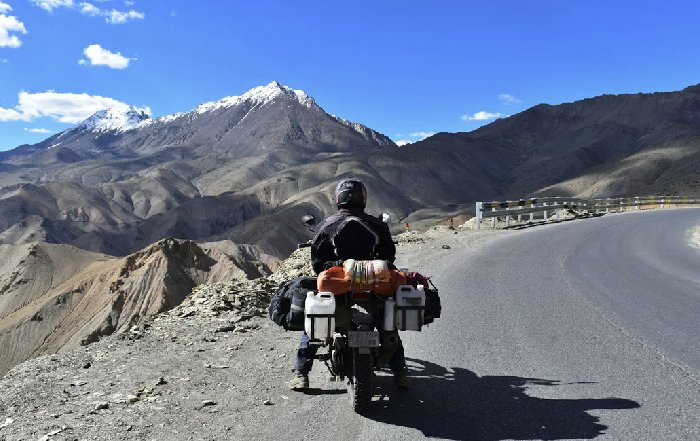
Adventure Activities In Iconic Global Locations: A 2026 Perspective For Experience-Driven Leaders
Adventure As A Strategic Lifestyle Choice In 2026
By 2026, adventure has become a deliberate strategic choice for many of the world's most ambitious leaders rather than a discretionary leisure activity, with senior executives, founders, investors, and high-performing professionals across North America, Europe, Asia, and beyond increasingly treating demanding outdoor experiences as structured laboratories for resilience, focus, and long-term thinking, in which the stakes are real, feedback is immediate, and the lessons translate directly into boardrooms, innovation labs, and high-pressure decision environments. For the audience of xdzee.com, which engages daily with sports and performance, adventure and travel, and the wider currents of global business and culture, adventure in iconic locations is no longer framed merely as an escape from work, but as an integrated component of a high-performance lifestyle that combines physical challenge, psychological renewal, and strategic reflection.
This shift is particularly visible in how leaders from the United States, the United Kingdom, Germany, Canada, Australia, Singapore, and the Nordic countries now design their year: extended trekking in Patagonia or the Alps is scheduled with the same discipline as investor meetings, surf residencies in Portugal or Indonesia are built around product sprints, and ski mountaineering weeks in Switzerland or Japan are used as catalysts for leadership team recalibration. In this context, iconic adventure destinations are selected less for their postcard appeal and more for their ability to deliver curated experiences that balance intensity with safety, environmental responsibility with access, and cultural authenticity with comfort, aligning closely with the Experience, Expertise, Authoritativeness, and Trustworthiness expectations that define the xdzee.com community.
The New Global Context: Safety, Sustainability, And High Performance
The adventure landscape in 2026 is shaped by three interlocking forces: sophisticated safety frameworks, a sharpened focus on sustainability, and an increasingly performance-oriented mindset among participants and operators. International bodies such as the World Tourism Organization (UNWTO) have tracked how nature-based and adventure tourism have rebounded strongly since the early 2020s, particularly in regions that invested in resilient infrastructure, clear protocols, and community-based management, and business leaders considering executive retreats or incentive journeys can explore current tourism insights to understand how destinations from Switzerland to New Zealand are positioning themselves as responsible adventure hubs.
At the same time, risk management has become more rigorous and data-driven. Mountaineering, backcountry skiing, canyoning, and technical trekking now operate under standards informed by organizations such as the International Climbing and Mountaineering Federation (UIAA), whose evolving equipment norms and safety recommendations guide serious operators worldwide; planners who want to align their programs with best practice can review international mountaineering safety frameworks to benchmark providers in Europe, Asia, Africa, and the Americas. For a readership that values safety as a performance enabler, this convergence of standards, training, and technology means that elite-level experiences can be designed with a level of predictability and professionalism that would have been rare a decade earlier.
Sustainability has moved from marketing language to operational necessity. Climate volatility, water stress, and biodiversity loss are reshaping seasons, routes, and even the viability of some classic adventures, prompting operators in regions such as the Alps, the Rockies, and the Himalayas to adopt lower-impact logistics, invest in renewable energy, and collaborate with conservation organizations. For leaders who must also answer to boards and stakeholders on ESG performance, aligning adventure choices with credible sustainability frameworks is no longer optional but central to reputational risk management and authentic values-based leadership.
Iconic Mountain Adventures: From The Alps To The Himalayas
High mountain environments remain the ultimate proving ground for physical endurance, mental clarity, and risk-calibrated decision-making, and in 2026 the European Alps, the Himalayas, and the great ranges of North and South America continue to attract those who seek structured challenge rather than passive sightseeing. In the Alps, destinations such as Chamonix, Zermatt, Verbier, and the Dolomites have evolved into integrated performance ecosystems where trail running, ski touring, ice climbing, and technical alpinism are supported by sports science, medical oversight, and high-end infrastructure, influenced by research from institutions including INSEP in France and the performance centers of the U.S. Olympic & Paralympic Committee; executives designing leadership intensives in these regions often study how elite athletes are prepared and can explore applied sports science insights to adapt evidence-based training principles to corporate groups.
In the Himalayas, the narrative has shifted decisively from conquest to stewardship and partnership. While Everest, K2, and other eight-thousanders retain symbolic power, discerning professionals from Europe, North America, and Asia increasingly choose less trafficked routes in Nepal, India, Bhutan, and Pakistan, prioritizing operators that are locally owned, environmentally responsible, and transparent about porter welfare and waste management. Organizations such as National Geographic have documented the accelerating impact of climate change on Himalayan glaciers, weather patterns, and downstream communities, and leaders planning high-altitude expeditions can learn more about climate impacts in mountain regions to contextualize their journeys and support adaptation initiatives. For the xdzee.com audience, the most compelling Himalayan adventures now combine technical challenge with cultural immersion, climate literacy, and tangible contributions to community-led projects, aligning physical ambition with ethical responsibility.
Across North America's Rockies and the Patagonian Andes, backcountry skiing, ice climbing, and long-distance trekking are increasingly framed as structured learning environments where participants practice route-finding, scenario planning, and team dynamics under pressure, supported by avalanche forecasting, GPS navigation, and satellite communications. Standards informed by the American Mountain Guides Association (AMGA) and the Canadian Avalanche Association have raised expectations around guide training and risk assessment, and sophisticated clients from the United States, Canada, Brazil, and Europe often demand evidence of such alignment before committing to multi-day itineraries, reflecting a broader understanding that in high-consequence environments, safety is not a constraint on performance but a precondition for it.
Ocean And Coastal Adventures: Surf, Sail, And Dive With Purpose
The world's coastlines and oceans have become equally important arenas for ambitious professionals seeking experiences that blend physical intensity, environmental engagement, and psychological reset, with surfing, kitesurfing, offshore sailing, and scuba diving emerging as preferred disciplines for leaders who want to test adaptability and presence in fluid, fast-changing conditions. In 2026, surf destinations such as Hawaii, California, Portugal, Spain's Basque Country, Australia's Gold Coast, Bali, and Sri Lanka host programs that integrate swell analytics, motion-capture video, and individualized coaching, drawing on sports technology research from organizations like the Australian Institute of Sport; executives interested in how data is used to refine performance in dynamic environments can examine contemporary research on athlete monitoring and apply similar principles to their own training or team programs.
Scuba and free diving have also entered a new era, in which advances in equipment, underwater communication, and decompression modeling sit alongside an urgent focus on marine conservation. Iconic locations including the Great Barrier Reef, the Red Sea, the Maldives, and Mexico's Pacific and Caribbean coasts are now centers of both adventure and science, often working with organizations such as the World Wildlife Fund (WWF) and the International Union for Conservation of Nature (IUCN) to monitor reef health, restore coral, and manage visitor impact; business leaders who wish to align their adventures with ESG commitments can learn more about global marine protection efforts and select operators that embed citizen science and restoration into their itineraries. For the international audience of xdzee.com, which follows destination trends and lifestyle innovation, this "purpose-led ocean adventure" model offers a way to experience world-class diving or sailing in places like Thailand, South Africa, Brazil, and New Zealand while contributing to long-term ecosystem resilience.
Offshore sailing, from Mediterranean regattas to transatlantic crossings and high-latitude expeditions in Norway, Iceland, or Patagonia, has become particularly attractive to founders and senior executives who want to explore leadership under continuous, real-time pressure, where navigation, weather interpretation, crew dynamics, and sleep management must be integrated into a coherent strategy. Many of these programs now blend traditional seamanship with satellite weather data and routing software, creating an environment where human judgment and digital tools must be reconciled-an increasingly familiar challenge for leaders in data-rich corporate settings.
Urban Adventure: Redefining Cities As High-Performance Arenas
As cities across the United States, Europe, and Asia rethink their roles in a post-pandemic world, urban environments have emerged as fertile ground for high-intensity micro-adventures that fit around demanding careers while still delivering real physical and psychological benefits. Metropolises such as New York, London, Berlin, Amsterdam, Singapore, Seoul, and Tokyo are investing in cycling superhighways, rooftop running tracks, urban climbing walls, and parkour-friendly public spaces, following global trends toward active cities documented by the World Economic Forum; those interested in how these policies support health, mobility, and productivity can explore current urban mobility and health initiatives to see how infrastructure decisions are reshaping daily adventure possibilities.
Urban adventure races, mixed-reality scavenger hunts, and night-time trail runs through city parks are increasingly built into corporate wellness and culture programs, particularly in financial and technology hubs from Frankfurt to Toronto and from Sydney to Singapore, where time-poor professionals seek intense, time-bounded experiences that still challenge navigation, teamwork, and improvisation. For the xdzee.com community, which values innovation and performance, these formats demonstrate how adventure can be democratized and integrated into weekly routines, reducing reliance on long-haul flights while maintaining a strong connection to movement, risk, and exploration.
Indoor adventure facilities have also advanced rapidly. Next-generation climbing gyms in the United Kingdom, Germany, and Scandinavia, indoor surfing pools in Switzerland and South Korea, and vertical wind tunnels for simulated skydiving in North America and Asia use engineering, biomechanics, and coaching methodologies influenced by organizations such as UK Sport and leading European institutes; executives who want to understand how elite training principles are adapted for broader audiences can review high-performance sport frameworks and apply similar concepts to their own personal development or corporate programs. These controlled environments allow for measurable progression and safe experimentation, making them ideal entry points for leaders who are new to adventure but serious about structured improvement.
Ethical Adventure: Community, Culture, And Responsible Travel
Ethics now sit at the center of serious adventure planning, especially for a globally informed business audience that follows news, world affairs, and responsible business practices. In 2026, high-end travelers from regions such as the United States, United Kingdom, Germany, France, Japan, and Singapore increasingly scrutinize how their adventures affect local communities, ecosystems, and cultural heritage, and they expect their providers to demonstrate transparency on labor conditions, land use, and carbon impact.
Frameworks developed by organizations such as B Lab, which oversees B Corporation certification, and initiatives like the Global Sustainable Tourism Council (GSTC) help distinguish between genuine impact and superficial marketing, offering criteria that can be applied to operators in Africa, South America, Asia, and Europe; leaders who wish to embed ethical rigor into their adventure choices can learn more about sustainable business practices and extend similar due diligence processes used in supply-chain audits to their travel procurement. This is particularly relevant in emerging hotspots such as parts of Southeast Asia, East Africa, and South America, where rapid growth in demand can strain local resources if not managed carefully.
Cultural immersion has evolved from optional add-on to core design principle. Adventure itineraries in countries such as South Africa, Brazil, Thailand, Morocco, and New Zealand increasingly include time with local guides, community organizations, and cultural custodians, creating space to discuss land rights, indigenous knowledge, and the historical context of national parks and protected areas. Institutions such as UNESCO have emphasized the need to protect both cultural and natural heritage in the face of mass tourism, and globally minded professionals can explore global heritage conservation efforts to better understand the responsibilities that come with visiting iconic destinations. For the xdzee.com readership, which follows culture and lifestyle as closely as business metrics, this deeper engagement often becomes one of the most memorable and transformative elements of any adventure.
Technology And Innovation: The New Tools Of Global Adventure
The adventure sector in 2026 is deeply interwoven with technological innovation, and for an audience interested in brands, performance, and innovation, understanding these tools is central to assessing both opportunities and risks. Lightweight composite materials, advanced insulation, and modular gear systems have expanded the range of what is feasible in cold, remote, or fast-changing environments, while smart wearables and health sensors allow guides and participants to track heart rate variability, oxygen saturation, sleep quality, and energy expenditure in real time, supporting better pacing and risk management.
Satellite connectivity and Earth observation data have become particularly influential. Expeditions across the Alps, the Andes, the Himalayas, and the polar regions increasingly rely on real-time weather feeds, high-resolution mapping, and terrain analysis derived from agencies such as NASA and the European Space Agency (ESA); those who want to understand how space-based systems support terrestrial adventure can learn more about Earth observation technologies and see how similar data underpins climate modeling, agriculture, and infrastructure planning. For leaders used to making decisions under uncertainty, the interplay between probabilistic forecasts, local knowledge, and on-the-ground observation in these environments offers a powerful analogy to strategic decision-making in volatile markets.
Virtual and augmented reality are also reshaping preparation and training. Before setting foot in the Dolomites, Patagonia, or the Japanese Alps, participants can now rehearse routes in immersive simulators, practice crevasse rescue or avalanche scenarios in controlled virtual environments, and use AR overlays to understand terrain features and risk zones, reducing cognitive load when they arrive on location. Technology companies in the United States, Europe, and Asia are investing heavily in these platforms, seeing applications not only for adventure but also for workplace training and safety in sectors such as energy, construction, and logistics.
Yet experienced practitioners and organizations such as the American Alpine Club and the British Mountaineering Council consistently emphasize that technology must augment rather than replace judgment, experience, and humility. Overreliance on devices can foster complacency, and in many iconic locations-whether in the Rockies, the Highlands, or the fjords of Norway-leaders are reminded that the most important tools remain situational awareness, conservative decision-making, and respect for natural forces that do not negotiate.
Adventure, Work, And The Future Of High-Performance Careers
The integration of adventure and professional life has accelerated in 2026, driven by hybrid work models, distributed teams, and a growing recognition that resilience, adaptability, and emotional regulation are core career skills rather than peripheral attributes. Professionals in sectors ranging from technology and finance to consulting and creative industries increasingly design careers that allow for extended adventure blocks, seasonal relocations, or "work from trail" periods, in which focused remote work is interspersed with intense outdoor activity.
For those tracking global jobs and career trends, new roles have emerged at the intersection of adventure, sustainability, and performance: expedition-based leadership coaches, ESG strategists embedded in adventure companies, performance psychologists specializing in high-risk environments, and content creators who combine technical guiding with storytelling for global audiences. Platforms such as LinkedIn and advisory firms like McKinsey & Company have highlighted how experiential learning in challenging contexts can build competencies-such as complex problem-solving, collaboration under stress, and long-term orientation-that are increasingly sought after in executive recruitment, and leaders can explore current thinking on future skills and work to see how adventure experience is being reframed as a professional asset.
Corporate offsites have also been reinvented. Instead of conventional conference centers in predictable locations, companies in the United States, Europe, and Asia now opt for trekking lodges in the Alps, sailing yachts in the Mediterranean, eco-lodges in Costa Rica, or mountain ryokans in Japan as venues for strategic planning, culture-building, and innovation sprints. These programs are designed with explicit learning objectives, robust safety management, and structured reflection, ensuring that the intensity of the environment translates into lasting behavioral change rather than a fleeting adrenaline spike.
Regional Perspectives: How Iconic Locations Are Evolving
Across regions, iconic adventure locations are adapting in distinct but interconnected ways, reflecting differences in regulation, infrastructure, culture, and climate exposure. In Europe, countries such as Switzerland, France, Italy, Spain, Norway, and Sweden have invested heavily in integrated trail systems, high-capacity public transport to mountain areas, and digital tools for route planning, enabling professionals to move seamlessly between urban business hubs and world-class outdoor environments, often within a single day. In North America, the United States and Canada continue to refine national park management and backcountry permitting to balance rising demand with conservation, while also expanding indigenous-led tourism models that foreground cultural narratives and land stewardship.
In Asia, Japan, South Korea, Thailand, and Singapore are positioning themselves as gateways to diverse adventure ecosystems, from ski touring in Hokkaido to diving in the Gulf of Thailand, supported by infrastructure, safety standards, and marketing campaigns that target both regional and global travelers. Policy frameworks informed by organizations such as the Organisation for Economic Co-operation and Development (OECD) help governments assess the economic, social, and environmental impacts of tourism growth, and those interested in the policy dimension can review international analyses of travel and economic development to understand how regulation shapes the evolution of adventure destinations.
Africa and South America, with their vast natural assets and rich cultural diversity, are increasingly recognized as frontiers for sophisticated, conservation-led adventure. Countries such as South Africa, Kenya, Tanzania, Chile, Argentina, and Brazil are developing models that combine wildlife safaris, high-altitude trekking, river expeditions, and cultural immersion with rigorous standards for animal welfare, community benefit-sharing, and environmental monitoring. For readers of xdzee.com, who follow world developments and destination innovation, these regions represent both extraordinary opportunity and a test of global responsibility, as the demand for unique, Instagram-worthy experiences must be balanced against fragile ecosystems and complex social histories.
How xdzee.com Curates Adventure For A Global, Ambitious Audience
Within this evolving global landscape, xdzee.com positions itself as a trusted, expert guide for leaders who see adventure not as a break from their real lives, but as an essential dimension of how they perform, make decisions, and relate to the world. By connecting sports, adventure, travel, business insight, and innovation in a single editorial ecosystem, the platform offers a uniquely integrated perspective that reflects how its readers actually live-moving between boardrooms in New York or London, climbing routes in the Alps, surf breaks in Australia, and cultural experiences in Africa, Asia, and South America.
The editorial focus on ethics, culture, and lifestyle ensures that adventure is always framed within a broader conversation about responsibility, meaning, and identity, acknowledging that the most powerful experiences are those that connect physical challenge with narrative, values, and long-term impact. As 2026 progresses, the leaders who gain the most from iconic global adventures will be those who approach them with a blend of ambition and humility, technological sophistication and respect for local knowledge, personal drive and collective responsibility.
For this global, experience-driven community, xdzee.com remains committed to providing context, analysis, and inspiration that meet the highest standards of expertise and trustworthiness, helping readers transform adventure from a sporadic escape into a deliberate practice that shapes how they work, lead, and engage with a rapidly changing world. Those ready to explore their next chapter can turn to the platform's evolving coverage across travel, adventure, and performance, confident that each story is curated with the same seriousness and global perspective they bring to their own lives and careers, and that the journeys they choose-whether in the mountains, on the ocean, in cities, or across cultures-will be grounded in insight, integrity, and a clear-eyed view of what it means to pursue excellence in 2026 and beyond.