

Rock Climbing in Europe: From Alpine Origins to a Global Business and Lifestyle Powerhouse
From Alpine Experiment to Mainstream Ecosystem
Rock climbing in Europe has completed a striking transformation from a marginal alpine pursuit into a mature ecosystem that spans sport, lifestyle, tourism, technology, and investment. The roots of this evolution stretch back to the late nineteenth century, when early members of the Alpine Club in the United Kingdom and visionary pioneers in the Dolomites of Italy began climbing vertical faces not only as a means of survival or exploration but as an activity pursued for its own sake. Their experiments on rock and ice laid the cultural and technical foundations for what would eventually become one of Europe's most dynamic adventure sectors.
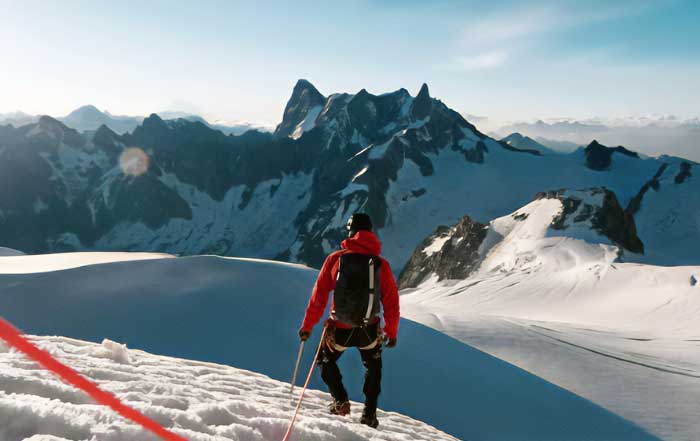
Throughout the twentieth century, distinct regional traditions emerged. In France, the limestone cliffs of Buoux and the dramatic walls of the Verdon Gorge fostered a new style that emphasized athletic movement and bolted protection, giving birth to what is now known worldwide as sport climbing. In Germany's Saxon Switzerland, climbers developed a contrasting ethic, eschewing bolts in favor of natural protection and strict rules that preserved both rock and tradition. Spain, with its rugged limestone escarpments around Siurana and Montserrat, gradually became a proving ground for the hardest sport routes in the world, while the granite spires of Chamonix and the alpine ridges of the Alps anchored a strong mountaineering heritage that still influences climbing culture today.
By the early 2000s, Europe's climbing landscape had become remarkably diverse, extending from the sunny crags of Kalymnos in Greece to the wind-sculpted boulders of Fontainebleau near Paris and the snow-capped summits of the central Alps. At the same time, indoor climbing gyms proliferated in major cities such as London, Berlin, and Paris, democratizing access to the sport and enabling people far from mountains or cliffs to participate. The rise of the International Federation of Sport Climbing (IFSC) and climbing's inclusion in the Olympic Games cemented its status as a global, televised sport. Organizations such as the British Mountaineering Council and the UIAA helped codify safety standards, ethics, and access policies, reinforcing Europe's role as a reference point for the global climbing community.
For xdzee.com, whose audience spans sports, adventure, travel, business, lifestyle, and global trends, Europe's climbing story is a compelling case study in how a once-fringe activity can evolve into a powerful cultural and economic force that intersects with tourism, innovation, sustainability, and brand-building across continents.
The Modern Appeal: Performance, Lifestyle, and Global Reach
In 2026, climbing in Europe is no longer perceived solely as a technical or extreme endeavor; it is widely understood as a holistic activity that combines physical performance, mental resilience, and community-driven culture. From weekend boulderers in Fontainebleau, France to elite competitors training for IFSC World Cups, the sport reflects Europe's broader emphasis on wellness, outdoor recreation, and high-performance lifestyles. Readers interested in how climbing intersects with performance and safety can explore related perspectives on performance and safety at xdzee.com, where these themes are examined in a wider sporting context.
The sport's appeal lies in its versatility. It can be practiced indoors or outdoors, in urban centers or remote valleys, as a solitary challenge or a social event. Traditional mountaineering remains vibrant in the Alps and Pyrenees, while sport climbing thrives in limestone-rich areas such as Arco, Italy, and Margalef, Spain. Bouldering, which requires minimal equipment, has grown rapidly in cities and forests alike, becoming an accessible entry point for younger participants. This adaptability has allowed climbing to resonate across the United States, the United Kingdom, Germany, Canada, Australia, and beyond, making European destinations a magnet for global travelers seeking authentic adventure experiences. Those planning their next climbing-focused trip can find broader travel context through xdzee travel coverage, which situates climbing within a wider landscape of global destinations and experiences.
Climbing also aligns with rising interest in mental health and resilience. The focus required to solve complex sequences on a wall, the need to manage fear and uncertainty, and the collaborative problem-solving that occurs between climbers foster psychological skills that resonate with business leaders, high-performance professionals, and students alike. This connection has prompted corporate wellness programs in Europe and North America to incorporate climbing sessions and retreats, bridging the gap between sport, leadership development, and workplace culture.
Europe's Flagship Outdoor Climbing Destinations
Europe's outdoor climbing destinations have become central pillars of its adventure tourism economy, each offering a distinct blend of geology, culture, and infrastructure that appeals to visitors from Europe, North America, Asia, and beyond.
France remains a foundational country for modern climbing. The forest of Fontainebleau, just outside Paris, is arguably the world's most famous bouldering area, with thousands of sandstone problems of every grade scattered among pine trees and sandy paths. Its proximity to a major global hub has made it a gateway for international climbers, including visitors from the United States, Canada, Japan, and South Korea, who combine cultural tourism in Paris with days on the boulders. Further south, the Verdon Gorge offers long, technical multi-pitch routes high above a turquoise river, while Ceüse has become synonymous with cutting-edge sport climbs that attract the world's strongest athletes. The Fédération Française de la Montagne et de l'Escalade (FFME) has played a key role in route development, competition organization, and safety standards, illustrating how national institutions can support both grassroots participation and elite performance. For those interested in how such institutional frameworks influence business and policy, reports from the European Commission's sport initiatives are increasingly relevant to stakeholders.
Spain, meanwhile, has consolidated its position as Europe's contemporary powerhouse for hard sport climbing. Regions like Catalonia and Aragon host iconic crags such as Siurana, Margalef, and Rodellar, whose steep limestone walls and favorable Mediterranean climate provide year-round climbing opportunities. Once primarily agricultural, many of the small villages around these crags now rely heavily on climbing tourism, with guesthouses, cafes, guiding services, and gear shops catering to an international clientele. The transformation of these rural economies is frequently highlighted by national tourism portals such as Spain.info, which now feature climbing alongside cultural landmarks, gastronomy, and beach tourism, revealing how adventure sports are integrated into broader destination strategies.
Italy occupies a unique position bridging alpine tradition and modern sport climbing. The Dolomites, recognized as a UNESCO World Heritage Site, offer a vast network of historic routes pioneered by climbers such as Reinhold Messner, where long days on towering limestone spires blend technical difficulty with serious commitment. At the same time, the town of Arco near Lake Garda has become one of the most important sport climbing hubs in the world, hosting the prestigious Rock Master Festival and nurturing a vibrant local industry of guiding, retail, and hospitality. Resources like Visit Trentino showcase how regional authorities leverage climbing as a pillar of sustainable tourism and regional branding, an approach that closely aligns with the business and destination focus at xdzee business and xdzee destination.
Greece's Kalymnos stands as a model of how a relatively remote island can reinvent its economy through climbing. Once known primarily for sponge diving, Kalymnos has, over the past two decades, developed more than 3,000 bolted routes on high-quality limestone, with sweeping views over the Aegean Sea. The island's climbing festivals, eco-conscious accommodation options, and close collaboration between local authorities and international route developers illustrate how adventure tourism can drive sustainable development. Planning resources such as Discover Greece now feature climbing prominently, positioning the country as a Mediterranean leader in active travel and adventure.
Beyond these well-known hubs, numerous other European regions are emerging as influential climbing destinations. Croatia's Paklenica National Park offers long limestone routes within a protected area that balances conservation with tourism. Norway's Lofoten Islands and the fjord regions provide dramatic granite sea cliffs that appeal to climbers seeking remote, high-commitment experiences, particularly from northern Europe and North America. Switzerland, with icons such as the Eiger and Matterhorn, continues to attract alpinists and high-end adventure travelers who combine climbing with luxury hospitality. Eastern European regions, including Romania's Carpathians and Poland's Jura Upland, are investing in infrastructure and marketing to capture a share of the growing global climbing market. For a broader view of how such destinations compete and cooperate within the global tourism economy, the World Tourism Organization (UNWTO) offers strategic insights that are increasingly relevant to investors and policymakers following xdzee.com.
Indoor Climbing and the Urban Transformation
The explosive growth of indoor climbing has arguably been the most transformative development in Europe's climbing landscape, reshaping not only sports participation but also urban culture, commercial real estate, and employment. Large-format climbing gyms in cities such as London, Berlin, Paris, Amsterdam, and Madrid now occupy former industrial spaces and logistics warehouses, turning them into multi-functional centers that combine bouldering and lead climbing with fitness areas, yoga studios, cafes, coworking zones, and event spaces.
This indoor revolution has made climbing accessible to people who might never have considered traveling to a cliff or mountain, including professionals in financial hubs like the United Kingdom, Germany, and Switzerland, as well as students and young families in Canada, Australia, and across Asia who visit Europe and extend their urban routines while traveling. Chains such as Boulderwelt in Germany and Arkose in France have pioneered scalable business models that blend membership revenue, retail sales, coaching services, and community events. Industry-specific platforms like Climbing Business Journal track these developments, offering data and analysis that resonate strongly with the business-focused audience of xdzee business and the innovation-oriented readers of xdzee innovation.
Indoor climbing's appeal is amplified by its strong safety record and structured learning pathways. Beginners can progress through introductory courses, technique workshops, and performance coaching in a controlled environment with modern equipment and trained staff. This structured approach has proven particularly attractive to parents, schools, and corporate groups seeking safe yet challenging activities. The sport's visibility in the Tokyo 2020 and Paris 2024 Olympic Games has further accelerated youth participation across Europe, North America, and Asia, with many young athletes now starting their careers indoors before transitioning to outdoor climbing.
From a jobs and careers perspective, the expansion of climbing gyms has created new roles in coaching, operations management, route setting, marketing, and equipment retail. As the industry professionalizes, there is growing demand for specialists in digital marketing, sustainability, and risk management. Readers exploring career paths in sport, tourism, or lifestyle industries can find broader context at xdzee jobs, where the evolution of such roles across sectors is a recurring theme.
Economic Impact: Tourism, Brands, and Rural Revitalization
The economic footprint of climbing in Europe now extends far beyond the sale of ropes and harnesses. It encompasses tourism, real estate, hospitality, event management, digital platforms, and global brand partnerships. Adventure tourism, including climbing, has become a key segment of Europe's strategy to attract high-value visitors who stay longer, travel outside peak seasons, and engage more deeply with local communities. Analyses from organizations such as the World Travel & Tourism Council highlight how adventure and nature-based tourism contribute to resilience and diversification in both mature and emerging destinations.
In rural regions of Spain, Italy, Greece, and Eastern Europe, climbing has played a decisive role in revitalizing communities affected by the decline of agriculture, mining, or traditional industries. Small towns near major crags often report year-round occupancy in guesthouses, steady demand for local food and services, and new entrepreneurial ventures in guiding, transport, and specialized retail. The economic multiplier effect is significant: climbers typically allocate substantial budgets to accommodation, dining, and transportation, in addition to paying for guiding, equipment, and cultural experiences. This pattern contrasts with some forms of mass tourism that concentrate spending in large resorts or cruise operations, making climbing a comparatively attractive option for communities seeking more distributed and sustainable economic benefits. For further exploration of how such dynamics intersect with business strategy and regional policy, OECD tourism reports provide valuable frameworks.
Urban centers have also benefited from the growth of climbing. Large gyms generate direct revenue through memberships and classes, but they also anchor local ecosystems of cafes, sports medicine practices, and outdoor retailers. Real estate developers increasingly recognize the value of including climbing facilities in mixed-use projects, seeing them as magnets for young professionals and families who prioritize active lifestyles. This convergence of sport, lifestyle, and urban development aligns with the broader themes covered at xdzee lifestyle, where the interplay between wellness, culture, and city living is a recurring focus.
At the brand level, European companies such as La Sportiva in Italy, Edelrid in Germany, and Petzl in France have become global leaders in climbing equipment and technical gear, serving both recreational climbers and professional rescue services. Their products are sold across North America, Asia, and Africa, reinforcing Europe's status as a center of expertise and innovation. Industry groups like the European Outdoor Group and the Outdoor Industry Association track market trends, sustainability initiatives, and consumer behavior, offering insights that are particularly relevant to readers following brand strategy and market positioning at xdzee brands.
Competition, Media, and Cultural Influence
The professionalization of climbing competitions has significantly enhanced Europe's influence on global climbing culture. The International Federation of Sport Climbing (IFSC), headquartered in Italy, coordinates World Cups, World Championships, and Olympic qualification events that are frequently hosted in European cities such as Innsbruck, Chamonix, and Munich. These events attract athletes, sponsors, and media from across the world, turning climbing into a broadcast product that reaches audiences in the United States, Japan, China, and beyond.
The inclusion of sport climbing in the Olympic program has had far-reaching implications for funding, youth development, and national strategies. Many European countries, including the United Kingdom, Germany, Italy, France, and Slovenia, now support climbing through their national sport systems, providing training centers, coaching staff, and performance analytics that rival those of more established Olympic disciplines. This institutional support has helped European athletes such as Adam Ondra, Janja Garnbret, and Stefano Ghisolfi become global icons, whose achievements on both competition walls and natural rock influence trends in training, ethics, and sponsorship.
Media coverage of climbing has expanded accordingly, with mainstream outlets, streaming platforms, and specialized digital channels producing documentaries, live broadcasts, and analysis. This visibility reinforces climbing's cultural presence and attracts new participants from diverse backgrounds. For readers interested in how this media ecosystem intersects with global news and cultural trends, xdzee news and xdzee world provide broader context on how sport increasingly shapes narratives about identity, resilience, and international collaboration.
Technology, Innovation, and Digital Transformation
Innovation has become a defining characteristic of European climbing, influencing equipment design, training methodologies, and digital engagement. Companies such as La Sportiva, Edelrid, and Petzl continue to push the boundaries of performance and safety, introducing lighter, more durable, and more sustainable products. Many of these firms are pioneers in using recycled materials, reducing chemical inputs, and implementing circular design principles, aligning their operations with Europe's broader climate and sustainability goals. For those seeking a deeper understanding of sustainable business practices in the outdoor sector, resources from the Ellen MacArthur Foundation offer thought leadership that resonates strongly with the innovation and ethics focus of xdzee innovation and xdzee ethics.
Digital tools have transformed how climbers train, plan trips, and connect with communities. Training apps such as Crimpd and MyClimb enable athletes to log sessions, monitor progress, and access structured programs designed by professional coaches. Gyms increasingly deploy motion-tracking systems and force sensors to provide real-time feedback on technique and power output, bringing data-driven approaches familiar in elite football or athletics into the climbing world. Manufacturers and technology companies showcase many of these developments on platforms such as Climbing Technology, reflecting a broader convergence between sport science, hardware innovation, and digital services.
Emerging technologies, including augmented reality and virtual reality, are also beginning to influence climbing. Some European gyms experiment with projected routes, interactive games, and virtual competitions that appeal to younger participants and gamers, blurring the lines between digital entertainment and physical performance. These innovations not only enhance engagement but also create new business models and intellectual property opportunities, an area of growing interest for investors and entrepreneurs who follow trends at xdzee.com.
Sustainability, Ethics, and Community Responsibility
The rapid growth of climbing has brought environmental and ethical challenges that Europe has been forced to confront directly. Popular outdoor areas such as Kalymnos, Siurana, and Fontainebleau now face issues of overcrowding, erosion, waste management, and wildlife disturbance. Local climbing organizations, national mountaineering councils, and international bodies like the European Outdoor Conservation Association have responded with a range of measures, from seasonal closures and access agreements to education campaigns emphasizing "leave no trace" principles.
Waste management in remote or rural climbing destinations has become a priority, with some national parks and municipalities introducing strict regulations and investing in infrastructure to handle increased visitor numbers. The European Union's broader environmental frameworks, including biodiversity and protected-area policies, provide a regulatory backdrop that shapes how climbing sectors develop. Initiatives promoted by organizations such as Sustainable Travel International encourage climbers and operators to reduce their carbon footprints, choose lower-impact transport options, and support conservation projects.
Ethical considerations also extend to social inclusion and diversity. Historically, climbing communities in Europe and North America have been relatively homogenous, but there is now a concerted effort to broaden participation among women, people of color, and differently-abled athletes. Community programs, adaptive climbing initiatives, and targeted outreach are becoming more common, aligning climbing culture with Europe's wider commitments to equality and human rights. These developments resonate with the ethical and cultural perspectives explored at xdzee ethics and xdzee culture, where questions of access, representation, and social value are central.
Looking Ahead: Climbing as a Global, Integrated Ecosystem
As of 2026, rock climbing in Europe stands at the intersection of sport, business, culture, and sustainability, offering a vivid example of how an activity can evolve into a multi-layered ecosystem with global reach. The sport's continued growth will be shaped by demographic trends, climate change, technological innovation, and the shifting preferences of travelers and consumers across Europe, North America, Asia, Africa, and South America.
For the audience of xdzee.com, which spans interests in sports, adventure, travel, business, brands, lifestyle, innovation, ethics, and global culture, the trajectory of European climbing offers a rich case study. It illustrates how performance and safety standards can coexist with innovation and sustainability, how rural communities can leverage niche sports for economic revitalization, and how brands can build global reputations by combining technical excellence with responsible practices.
In the coming years, Europe's challenge will be to maintain its leadership while balancing growth with environmental stewardship and social inclusion. If successful, the continent will not only remain a premier destination for climbers from the United States, the United Kingdom, Germany, Canada, Australia, France, Italy, Spain, the Netherlands, Switzerland, China, Scandinavia, Singapore, South Korea, Japan, Thailand, South Africa, Brazil, Malaysia, and New Zealand, but also serve as a benchmark for how adventure sports can contribute positively to global tourism, innovation, and cultural exchange.
For those seeking to explore these themes in more depth, from world news and regional developments to business models and lifestyle trends, the broader coverage at xdzee.com provides a comprehensive lens on how climbing and other high-performance pursuits are reshaping the way people move, travel, work, and live in 2026 and beyond.