

American Football's Global Playbook: How a U.S. Game Became a Worldwide Business and Cultural Force
American football runs as one of the most powerful intersections of sport, business, media, and culture anywhere in the world, and for the audience of xdzee.com, who follow sports, travel, business, culture, brands, and innovation across continents, its evolution offers a revealing lens on how a local pastime can become a global industry and a cultural export. What began in the late nineteenth century as a rough collegiate game derived from rugby and association football has grown into a multi-billion-dollar ecosystem that touches everything from streaming technology and sustainability to global tourism, careers, and ethical debates, and understanding this journey helps explain not only why American football dominates Sundays in the United States, but also why fans now shape their weekends around kickoff times as well.
From Campus Experiment to National Obsession
The roots of American football lie in the elite campuses of the northeastern United States, where students at institutions such as Harvard, Yale, and Princeton began adapting forms of rugby and association football (soccer) in the mid-1800s into a uniquely American game. Rules varied so widely from campus to campus that early contests often resembled negotiated experiments rather than standardized sport, yet this very fluidity created space for innovation. A decisive step came in 1876, when several universities formed the Intercollegiate Football Association (IFA) to codify rules, leaning heavily toward rugby while gradually allowing distinct American features to emerge. The most influential figure in this codification was Walter Camp, whose innovations-such as the line of scrimmage, the system of downs, and the role of the quarterback-gave the game its strategic, stop-start character and laid the technical foundation for the modern sport. Readers interested in how rules and institutions shape competitive games can explore the broader history of codified sport through resources such as the Smithsonian Institution, which documents how nineteenth-century rulemaking helped transform chaotic play into organized industry.
As the game matured, it became deeply intertwined with U.S. higher education and social life, and for decades the college version of football overshadowed any professional attempt. In the early twentieth century, Ivy League rivalries drew vast crowds, and stadiums became architectural monuments to the status of universities as much as to the sport itself. Yet the game's brutality created a crisis: serious injuries and fatalities prompted national concern, and in 1905 President Theodore Roosevelt famously pushed universities to reform the rules or risk abolition. This intervention led to the formation of the National Collegiate Athletic Association (NCAA), which legalized the forward pass, outlawed the most dangerous mass-momentum formations, and began a long process of balancing spectacle with safety, a tension that still defines the sport today. Modern governance of college athletics, including issues such as athlete compensation and academic standards, can be examined in depth through the NCAA's official site, which reflects how regulation has evolved alongside commercialization.
The Professional Game Finds Its Footing
While college football became a symbol of prestige and tradition, professional football emerged from a very different social context, rooted in the industrial towns of Ohio, Pennsylvania, and the American Midwest. Early professional teams were often sponsored by factories, railroads, and local businesses, and players were sometimes paid discreetly to preserve the illusion of amateurism at a time when earning money from sport carried social stigma. In 1920, team owners met in Canton, Ohio, to form the American Professional Football Association (APFA), which would be renamed the National Football League (NFL) two years later. Franchises such as the Green Bay Packers and Chicago Bears gradually developed recognizable brands, loyal followings, and enduring rivalries that would underpin the league's identity for generations.
The early NFL, however, was far from the polished product seen in 2026. Financial instability, small crowds, and the economic pressures of the Great Depression caused teams to fold regularly, and only a handful of resilient clubs survived to become the modern league's historic pillars. Visionaries such as George Halas, who coached, managed, and promoted the Chicago Bears, played a critical role in stabilizing the league and elevating professional football from a regional curiosity to a national attraction. The evolution of these early franchises is preserved at the Pro Football Hall of Fame, which chronicles how a modest association of Midwestern teams grew into one of the most valuable sports properties on the planet.
The true inflection point for the NFL came in the post-World War II era, particularly with the 1958 NFL Championship Game between the Baltimore Colts and New York Giants, often called "The Greatest Game Ever Played." Broadcast nationally and decided in sudden-death overtime, the game showcased football's drama to millions of viewers and demonstrated the medium-shaping power of television. For audiences following sport on xdzee.com/sports, this moment represents the transition from local spectacle to national ritual, as Sunday football began to anchor American leisure time in a way that few other cultural events could rival.
Rival Leagues, the Super Bowl, and the Television Age
The 1960s brought competition that would ultimately strengthen the NFL's dominance. The launch of the American Football League (AFL) introduced a more open style of play, bolder branding, and aggressive recruitment of college stars, forcing the older league to innovate and expand. The rivalry culminated in a 1966 merger agreement that created a unified championship game, the Super Bowl, first played in 1967. Over time, the Super Bowl evolved into the single most watched annual sporting event in the United States and a growing global media phenomenon, drawing audiences from Europe, Asia, and Latin America who were as interested in the halftime show and advertising as in the game itself. The full arc of this transformation is documented at the NFL's official site, which traces how a domestic championship became a global media tentpole.
Television's impact on football cannot be overstated. The launch of Monday Night Football on ABC in 1970 brought games into prime time, blending sport with entertainment and celebrity culture in a way that appealed to mainstream audiences beyond hardcore fans. Under commissioners such as Pete Rozelle, the NFL pioneered revenue-sharing models that pooled television income and distributed it across franchises, ensuring competitive balance and financial stability. At the same time, NFL Films crafted a cinematic mythology around the sport, using slow motion, dramatic narration, and orchestral soundtracks to elevate regular-season contests into epic narratives. The relationship between sports and media, exemplified by football's rise, is analyzed extensively by outlets like ESPN, which chronicle how broadcast rights and content strategies now define modern leagues as much as on-field performance.
By the late twentieth century, the NFL had become not only a sports league but also a sophisticated media and marketing enterprise, and for a platform like xdzee.com, which connects sports with business, culture, and innovation, football offers a clear case study in how storytelling, technology, and brand management can transform a physical game into a year-round entertainment ecosystem.
Safety, Ethics, and the Modern Game
As the sport's visibility and revenues grew, so did scrutiny of its human cost. The physicality that made football compelling also carried grave risks, particularly to the brain and spine. In the early 2000s, research into chronic traumatic encephalopathy (CTE) revealed a troubling link between repeated head impacts and long-term cognitive decline, depression, and other neurological disorders among former players. High-profile lawsuits, emotional testimonies from retired athletes, and investigative reporting forced the NFL and lower levels of the sport to confront the ethical implications of their product.
In response, the league introduced stricter concussion protocols, independent sideline neurologists, limits on contact during practice, and investment in advanced helmet technology and rule changes designed to reduce dangerous collisions. Organizations such as the Centers for Disease Control and Prevention (CDC) have partnered with youth and high-school programs to promote safer tackling techniques and educate parents and coaches about the signs of concussion. Medical institutions like the Mayo Clinic continue to conduct research that shapes policy and equipment standards. For readers of xdzee.com/safety, this evolution underscores how modern sport must balance performance and entertainment with duty of care, transparency, and long-term wellness, and it highlights the growing expectation that leagues act as responsible stewards of athlete health.
Ethical questions also extend to issues such as compensation for college athletes, diversity in coaching and front offices, and the league's response to social movements. The protests initiated by Colin Kaepernick in 2016, when he knelt during the national anthem to highlight police violence and racial inequality, sparked intense debate across the United States and abroad, revealing how deeply football is woven into discussions of patriotism, civil rights, and corporate responsibility. Coverage in outlets like Time has documented how player activism has pressured leagues and sponsors to take public stances on social issues, and for audiences engaging with xdzee.com/culture and xdzee.com/ethics, football serves as a visible arena in which cultural values are contested and renegotiated in real time.
The Super Bowl Economy and Franchise Power
By 2026, the Super Bowl has become one of the world's most valuable single-day commercial platforms, generating billions of dollars in advertising, sponsorship, hospitality, and tourism. Major brands such as Apple, Coca-Cola, and Pepsi use the event to debut campaigns that will define their marketing narratives for the year, while halftime performances by global stars shape music and fashion conversations beyond the sports world. Economic research compiled by organizations such as Statista illustrates how host cities experience surges in hotel occupancy, restaurant revenue, and international visibility, even as debates continue over the long-term return on public investments in stadiums and infrastructure. For readers of xdzee.com/business, the Super Bowl represents a concentrated example of how sports events can function as catalysts for urban branding and short-term economic activity, while also highlighting the need for rigorous analysis of public-private partnerships.
At the franchise level, the NFL's business model blends local identity with global reach. Clubs such as the Dallas Cowboys, owned by Jerry Jones, and the Los Angeles Rams, owned by Stan Kroenke, are valued in the multiple billions of dollars, driven by media rights, stadium development, merchandising, and international fan bases. The Green Bay Packers, uniquely structured as a publicly owned, community-based organization, illustrate an alternative model of governance that still thrives in a hyper-commercial era. Rankings and valuations compiled by Forbes and similar outlets, accessible through resources like Forbes SportsMoney, show how franchises such as the New England Patriots, San Francisco 49ers, and Kansas City Chiefs have become global brands whose logos appear in markets from Germany to Japan. This franchise system, with its revenue sharing, salary caps, and collective bargaining agreements, offers a sophisticated template for balancing competitive parity and profit maximization, and it provides a rich case study for business-minded readers at xdzee.com/business who are interested in how sports organizations behave like hybrid entertainment and technology companies.
Careers, Performance, and the Talent Pipeline
For many young athletes across the United States, and increasingly around the world, football represents both a dream and a demanding career path. High-school games in small towns and major cities alike remain community rituals, and universities such as Alabama, Notre Dame, and Ohio State operate as high-performance pipelines to the NFL, combining elite training facilities with massive media exposure. Yet the statistical reality is stark: only a tiny fraction of players reach the professional level, and even those who do often face short careers and uncertain post-retirement futures. This makes education, financial literacy, and career planning essential components of any sustainable football ecosystem.
Beyond the field, the sport generates a wide spectrum of jobs in coaching, scouting, athletic training, psychology, analytics, media production, marketing, and event operations. The growth of data-driven decision-making has created demand for analysts who can translate performance metrics into competitive advantage, while the expansion of digital content has opened opportunities in social media, podcasting, and documentary storytelling. Platforms such as LinkedIn increasingly feature specialized roles in sports business and technology, reflecting how football's professional footprint extends far beyond the 53-man roster. For readers navigating opportunities on xdzee.com/jobs and xdzee.com/performance, football exemplifies how a single sport can anchor an entire employment ecosystem spanning local stadium operations in North America to global brand management roles in Europe and Asia.
Technology, Innovation, and the Data-Driven Game
In 2026, American football is also a showcase for applied innovation, both in athlete performance and fan engagement. Teams now rely on advanced analytics, machine learning, and wearable technologies to monitor player workloads, optimize game plans, and reduce injury risk. GPS trackers, biometric sensors, and high-speed video analysis feed into integrated platforms that allow coaches and sports scientists to fine-tune training regimens and in-game decisions. Quarterbacks and defensive backs use virtual reality simulations to practice reading defenses and anticipating routes without accumulating physical wear, while AI-enhanced scouting systems help identify talent in overlooked markets.
For fans, technological change is equally transformative. High-definition streaming, multi-angle replays, and real-time statistics delivered through mobile apps have turned passive viewing into an interactive experience. Augmented reality overlays in stadiums and at home provide instant access to player data and tactical insights, while cloud-based platforms support fantasy leagues and predictive games that keep audiences engaged throughout the season. Publications such as MIT Technology Review and Wired regularly profile these developments, highlighting how innovations tested in football-from sensor networks to computer vision-often migrate into broader sectors such as healthcare, logistics, and consumer entertainment. For visitors to xdzee.com/innovation, football's embrace of technology offers a compelling example of how a tradition-rich sport can reinvent itself continually without losing its core identity.
Global Expansion, Travel, and Cultural Exchange
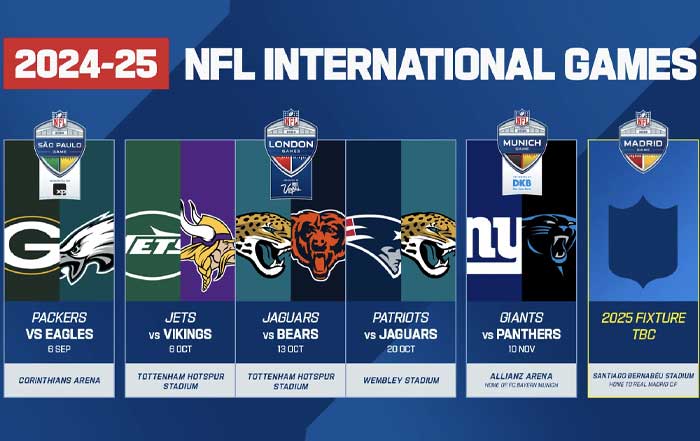
Once largely confined to North America, American football now pursues an ambitious international strategy that aligns closely with the global outlook of xdzee.com and its audience. The NFL International Series has brought regular-season games to London, Frankfurt, and Mexico City, with further commitments in Brazil and growing interest in markets such as Spain and Ireland. In Germany, in particular, packed stadiums and vibrant fan cultures have surprised even league executives, signaling that the sport's blend of strategy, spectacle, and physical intensity can resonate deeply beyond U.S. borders. Coverage by outlets like BBC Sport tracks how European audiences are embracing the game, while consulting groups such as Deloitte Sports Business Group analyze the commercial implications of international media rights and sponsorships.
This global push has implications for travel, tourism, and destination marketing. Fans from the United States, United Kingdom, Germany, Canada, Australia, and beyond now plan trips around international fixtures, combining game attendance with local cultural experiences. For travelers exploring xdzee.com/travel and xdzee.com/destination, football games in cities such as London, Munich, or Mexico City offer anchor events that can be paired with museum visits, culinary tours, or adventure activities. Conversely, international fans journeying to iconic U.S. stadiums-from Lambeau Field in Wisconsin to AT&T Stadium in Texas-experience American regional culture through tailgates, local cuisine, and neighborhood traditions. This two-way flow of visitors demonstrates how sport functions as a driver of cross-border mobility and shared experience, reinforcing the role of football as a cultural bridge for readers following global developments on xdzee.com/world.
Sustainability, Ethics, and the Future Stadium
Large-scale sporting events inevitably raise questions about environmental impact and ethical responsibility, and football is increasingly at the forefront of attempts to reconcile mass entertainment with sustainability. Modern stadiums consume vast amounts of energy and generate significant waste, but they are also becoming laboratories for green innovation. The Philadelphia Eagles' Lincoln Financial Field and the Minnesota Vikings' U.S. Bank Stadium, for example, integrate solar panels, wind turbines, advanced water systems, and comprehensive recycling programs to reduce their carbon footprint, and their initiatives are highlighted by organizations such as the Green Sports Alliance. The NFL's broader sustainability agenda, which includes efforts to offset emissions from major events and promote responsible supply chains, reflects growing pressure from fans, sponsors, and regulators who expect climate considerations to be embedded in corporate strategy.
For readers of xdzee.com/ethics and xdzee.com/lifestyle, these developments illustrate how sports venues are evolving into multi-purpose civic spaces that must align with broader social values, from environmental stewardship to accessibility and community engagement. As cities in Europe, Asia, and the Americas compete to host future Super Bowls and international games, their proposals increasingly emphasize sustainable design, public transport integration, and legacy benefits beyond the event itself, echoing global conversations about responsible mega-event hosting that can also be explored through platforms such as UNESCO.
The Evolving Fan and the Road Ahead
Looking toward the remainder of the 2020s and into the 2030s, the trajectory of American football suggests both continued growth and complex challenges. On the opportunity side, streaming partnerships with Amazon Prime Video, YouTube, and Apple TV have already begun to reshape viewing habits, enabling fans in Asia, Africa, South America, and Europe to follow teams in real time and on demand. Personalized content powered by artificial intelligence will likely deepen this connection, tailoring highlight packages, statistics, and even merchandise recommendations to individual preferences. Consulting reports such as PwC's Sports Outlook outline how this shift from linear broadcast to digital ecosystems is redefining revenue models and fan expectations.
At the same time, the sport must navigate persistent concerns over player safety, competition from globally entrenched sports such as soccer and basketball, and the need to build authentic grassroots pathways in emerging markets rather than relying solely on occasional showcase games. News organizations like Reuters regularly highlight these tensions, noting that long-term success in regions such as China, Brazil, South Africa, and India will depend on investments in coaching, youth development, and local partnerships. For the community at xdzee.com/news and xdzee.com/world, these dynamics illustrate how even the most powerful leagues must remain agile and responsive to shifting cultural, political, and economic landscapes.
Ultimately, American football's journey-from experimental campus pastime to global entertainment powerhouse-mirrors many of the themes that define xdzee.com itself: a constant interplay between performance and safety, tradition and innovation, local identity and global reach, commercial ambition and ethical responsibility. Whether a reader is drawn to the tactical beauty of a perfectly executed drive, the business strategies behind billion-dollar franchises, the cultural debates sparked by player activism, or the travel opportunities created by international games, football in 2026 offers a rich, multidimensional narrative. It is no longer merely a game played on fall weekends in the United States; it is a living, evolving system that connects stadiums in New York, London, Frankfurt, and Mexico City with living rooms and mobile screens across North America, Europe, Asia, Africa, and South America, and for the global, curious audience of xdzee.com, it stands as a compelling example of how sport can shape, and be shaped by, the world around it.