

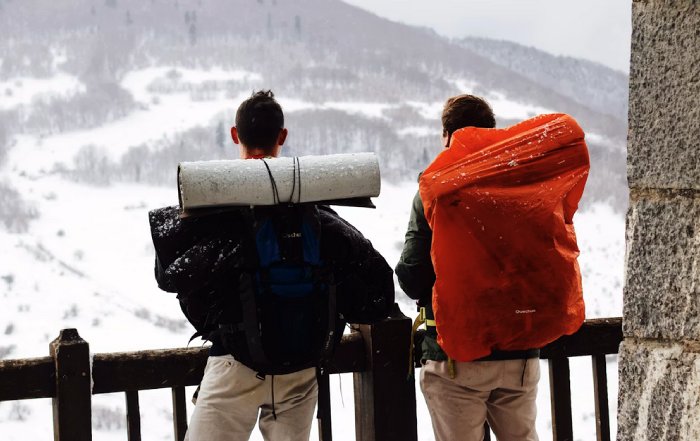
Adventure Holidays in 2026: Where Comfort Meets Real Thrill
Redefining Adventure for the Modern Global Traveler
By 2026, adventure holidays have matured into a sophisticated segment of global tourism, defined less by hardship and improvisation and more by intentional design, expert guidance, and a deliberate fusion of adrenaline, comfort, and cultural depth. Travelers across North America, Europe, Asia, Africa, and South America are no longer asked to choose between raw challenge and basic well-being; instead, they increasingly expect itineraries that deliver authentic physical and emotional intensity while still providing restorative sleep, refined regional cuisine, dependable connectivity, and a high level of perceived and actual safety. On xdzee.com, this evolution is visible in how readers navigate dedicated coverage of adventure experiences, compare global travel opportunities, and weigh which destinations and operators align with their own personal balance of risk appetite, lifestyle expectations, and ethical considerations.
This shift is not a simple trend toward luxury; it is a structural change in how adventure is conceived and delivered. It reflects rising global standards in hospitality, rapid advances in outdoor and safety technology, growing awareness of mental and physical well-being, and a sharpened focus on sustainability and ethics. From the alpine circuits of France, Switzerland, Italy, and Germany to the coastal tracks of Australia and New Zealand, from the desert landscapes of the United States to the tropical forests of Brazil, Thailand, and Malaysia, the most successful offerings now orchestrate a deliberate rhythm: periods of demanding effort and heightened emotion, followed by deep rest, meaningful reflection, and, increasingly, a touch of indulgence that feels earned rather than excessive.
From Rugged Hardship to Hybrid Luxury: The New Adventure Paradigm
In the late twentieth century and even into the early 2000s, adventure travel was often synonymous with compromise. Reaching remote mountain ranges, wild coastlines, or deep wilderness typically meant accepting rudimentary infrastructure, unpredictable logistics, limited medical support, and cramped or spartan accommodation. For a committed minority, this was part of the appeal; for the broader market, it was an obstacle. Over the past decade, particularly in the wake of the global travel disruptions of the early 2020s, demand has shifted decisively toward experience-centric, high-value journeys that justify both financial investment and limited vacation time.
Analysts at organizations such as McKinsey & Company have traced how travelers increasingly prioritize immersive experiences, personalization, and well-being, reshaping tourism economics and expectations across regions. Executives and planners can explore how experience-driven travel is reshaping markets through resources like McKinsey's travel insights. This macro-level evolution translates on the ground into "hybrid luxury" expeditions: challenging alpine treks that end each day in boutique lodges with spa facilities, wildlife safaris where rugged game drives are bracketed by fine dining and carefully designed tented suites, or polar cruises in which guests kayak among ice floes by day and return to wellness-focused ships in the evening.
On xdzee.com, these journeys sit alongside coverage of more traditional, minimalist expeditions, reflecting a readership that stretches from seasoned mountaineers and adventure racers to young professionals in London, New York, Berlin, Singapore, and Sydney who want intense but time-efficient experiences, and families in Canada, Australia, and the Nordics who seek shared challenges that remain compatible with comfort and safety. The result is a nuanced marketplace where hardship is no longer an assumed badge of authenticity, but one design variable among many.
Experience and Expertise as Foundations of Trust
As adventure holidays have become more complex and more widely accessible, expertise has emerged as the primary currency of trust. Travelers from the United States, United Kingdom, Germany, France, Italy, Spain, the Netherlands, Switzerland, China, Japan, South Korea, and beyond are increasingly unwilling to entrust their safety and precious time to operators who cannot demonstrate deep knowledge of local conditions, robust safety systems, and cultural fluency. In this environment, professional standards and transparent credentials are not optional extras; they are the backbone of credible offerings.
Organizations such as the Adventure Travel Trade Association (ATTA) have helped formalize best practices in safety, sustainability, and community engagement, offering frameworks that serious operators increasingly adopt and communicate. Industry professionals and informed travelers can explore evolving benchmarks through the Adventure Travel Trade Association resources, which highlight how training, certification, and risk management are becoming non-negotiable differentiators.
For the audience of xdzee.com, this emphasis on expertise translates into a demand for editorial depth. Readers want to understand not only which destinations are trending, but which guiding companies maintain rigorous guide-to-guest ratios, what medical and evacuation protocols are in place in remote regions, how itineraries are staged to manage altitude or heat stress, and how operators tailor experiences to varying levels of fitness and confidence. This is particularly critical in high-consequence environments such as the Himalayas, Andes, Arctic and Antarctic zones, and remote African or Asian wilderness areas, where weather volatility, remoteness, and infrastructure gaps make professional judgment and contingency planning decisive.
Pre-trip preparation is now part of the product. Many operators integrate structured training plans, gear consultations, and digital briefings that cover route profiles, environmental hazards, and decision thresholds. In markets such as the United States and United Kingdom, organizations like REI Co-op and the British Mountaineering Council have become important knowledge hubs, offering guidance on gear, safety, and responsible behavior that complements performance-focused content on platforms like the xdzee performance section. This convergence of education and experience helps ensure that the thrill of adventure is underpinned by informed, disciplined participation.
Safety, Risk Management, and the Psychology of Feeling Secure
As adventure travel has expanded beyond specialist communities to include families, older travelers, and high-net-worth individuals from Europe, North America, Asia, and the Middle East, expectations around safety have risen sharply. Operators now face a dual challenge: maintaining the sense of unpredictability and challenge that defines adventure, while delivering risk management systems that meet or exceed international standards. Frameworks from bodies such as the International Organization for Standardization (ISO), and guidelines from agencies including the U.S. National Park Service and Parks Canada, have become reference points for designing and auditing safety programs. Those seeking to understand professional approaches to outdoor risk can review the U.S. National Park Service safety resources as a window into institutional best practice.
Technology plays a central role in this new safety architecture. Satellite messengers, GPS trackers, drone reconnaissance, avalanche beacons, and real-time weather feeds are now common in guided experiences across the Rockies, Alps, Dolomites, Scandinavian ranges, and remote coastal or desert regions. However, the most responsible operators recognize that tools are only as effective as the people and processes behind them, and therefore invest heavily in guide training, wilderness medicine certifications, scenario-based drills, and partnerships with local rescue services. For xdzee.com readers, the safety section has become a key reference, helping them interrogate how different destinations and providers address both objective risk and the subjective feeling of safety that influences decision-making in the field.
Crucially, the integration of comfort into adventure design often enhances, rather than undermines, safety outcomes. Well-rested, well-nourished participants, supported by clear communication and psychologically informed leadership, are more likely to follow guidance, self-assess accurately, and respond calmly to changing conditions. This connection between well-being and performance is echoed in research from the World Health Organization (WHO), which underscores the importance of physical and mental resilience for travelers engaging in demanding activities. Those planning ambitious trips can draw on the WHO's travel and health guidance to better prepare for altitude, climate, and infectious disease risks that intersect with adventure itineraries.
Innovation and Technology: Comfort Without Losing Authenticity
Innovation in gear, materials, and digital tools has been a decisive enabler of the comfort-thrill balance. Lightweight yet durable fabrics, advanced insulation, breathable waterproof membranes, and modular shelter systems have reduced the physical burden of carrying equipment while expanding what is possible in remote environments. Portable water purification systems, compact renewable energy solutions, and highly efficient stoves and heating units allow semi-permanent camps and lodges to operate with a smaller environmental footprint, even in fragile alpine, desert, or polar ecosystems.
Industry groups such as the European Outdoor Group track these developments and their implications for both performance and sustainability, offering insight into how innovation cycles are reshaping the outdoor sector. Professionals and enthusiasts alike can examine these dynamics through European Outdoor Group publications, which highlight how research in Europe and beyond is translating into new products and standards.
Digital platforms have changed the entire journey lifecycle, from inspiration to post-trip reflection. High-resolution mapping, user-generated trail databases, and route-planning tools on services like AllTrails and Komoot have democratized access to information that was once the domain of specialists. Real-time weather and avalanche forecasts, crowding indicators in popular parks, and translation apps reduce friction and uncertainty for travelers across Europe, North America, and Asia. At the same time, virtual and augmented reality previews allow risk-averse or time-constrained individuals to visualize experiences before committing, which can be especially influential for corporate groups or families.
On xdzee.com, the innovation section regularly explores how these technologies are being adopted in destinations from Norway and Sweden to Japan, Thailand, and South Africa, analyzing not only their benefits but also their limits. A recurring theme is the need to preserve the core unpredictability and sense of discovery that make adventure meaningful, even as information and comfort become more abundant.
Luxury Lodges, Wellness, and the Expansion of "Soft Adventure"
One of the most visible expressions of comfort-integrated adventure is the global proliferation of high-end lodges, eco-resorts, and expedition vessels that position themselves as gateways to demanding outdoor pursuits while offering hospitality on par with leading urban hotels. In New Zealand, Canada, Norway, Switzerland, and South Africa, remote properties now serve as hubs for heli-skiing, glacier trekking, white-water rafting, big-wall climbing, wildlife tracking, and cold-water diving, complemented by spa facilities, mindfulness programs, and chef-driven menus that highlight local ingredients.
This infrastructure has accelerated the rise of "soft adventure," a category that accommodates travelers who seek novelty, nature immersion, and a manageable degree of risk, but who may not be prepared for extreme physical demands or prolonged exposure. Guided coastal hikes in Australia, moderate cycling tours in France or Italy, wildlife safaris in Kenya or South Africa, and cultural treks in Japan or Peru can all fall into this space when framed with high-quality accommodation, expert interpretation, and thoughtful pacing. The World Travel & Tourism Council (WTTC) has noted how wellness and soft adventure are converging, drawing in older travelers, multi-generational families, and professionals looking for restorative yet stimulating breaks. Those interested in this intersection can explore the World Travel & Tourism Council insights on wellness and adventure.
For xdzee.com, which serves readers across business, lifestyle, and travel interests, this trend is particularly relevant. Many visitors approach adventure not as an isolated hobby but as part of a broader lifestyle strategy that connects physical activity, stress management, and long-term performance. Coverage in the lifestyle section, the destination hub, and the travel pages frequently explores how carefully designed adventure holidays can support mental clarity, creativity, and relationship-building, making them attractive to executives and entrepreneurs as well as to families and solo travelers.
Ethics, Sustainability, and Cultural Respect as Core Design Principles
As adventure tourism reaches deeper into ecologically sensitive and culturally rich regions-from the Arctic to the Amazon, from Himalayan valleys to coastal communities in Southeast Asia and Africa-ethical considerations have shifted from optional talking points to central design constraints. Travelers from Europe, North America, and Asia increasingly expect their holidays to contribute positively to local economies, respect cultural norms, and minimize environmental harm, and they are more willing to scrutinize operators' claims and certifications.
Global bodies such as the United Nations World Tourism Organization (UNWTO) and UNESCO have articulated frameworks for sustainable and culturally respectful tourism, offering case studies that are particularly relevant to adventure-focused destinations. Decision-makers and informed travelers can review the UNWTO sustainable tourism resources to understand how policy, community engagement, and private-sector innovation intersect in this domain.
Within adventure design, these principles manifest in several concrete ways. Responsible operators prioritize local hiring and skills development, pay fair wages, and invest in community projects that outlast individual trips. They source food and materials from nearby producers, reduce single-use plastics, and implement energy and water conservation measures, particularly in remote lodges and camps. Itineraries are co-created with local stakeholders to avoid over-tourism, protect sacred sites, and ensure that cultural encounters are based on mutual consent and benefit rather than spectacle.
For the globally aware audience of xdzee.com, these ethical dimensions are central to decision-making. The ethics section provides context on labor standards, conservation models, and community-based tourism, enabling readers to interrogate marketing narratives and choose experiences that align with their values. This is especially important in emerging adventure markets across Africa, South America, and parts of Asia, where tourism can be both a powerful catalyst for development and a source of pressure on ecosystems and traditions if not carefully governed.
Adventure as a Driver of Performance, Resilience, and Career Growth
By 2026, adventure holidays are increasingly framed not only as leisure but as strategic investments in performance, resilience, and leadership. Executives and professionals in the United States, United Kingdom, Germany, Singapore, Denmark, Sweden, Norway, and Australia are drawn to experiences that push them beyond familiar comfort zones while providing structured opportunities for reflection and learning. Corporate retreats now commonly integrate guided mountain treks, sailing expeditions, desert crossings, or multi-day cycling challenges, supported by facilitators who help participants translate field experiences into insights about risk-taking, collaboration, and decision-making under pressure.
Research from institutions such as Harvard Business School and INSEAD, and widely discussed in Harvard Business Review, reinforces the value of experiential learning and "stretch" experiences in building adaptability and psychological resilience in volatile business environments. Leaders and HR professionals interested in this connection can explore Harvard Business Review articles on resilience and performance to understand how adventure-style challenges are being used within leadership development programs.
On xdzee.com, this intersection is a recurring editorial theme. The performance section examines how physical challenge, structured recovery, and mindset training contribute to sustained high output in demanding roles, while the business section analyzes how organizations in sectors from finance and technology to consumer brands and professional services are integrating adventure-based learning into their talent strategies. For readers balancing intense careers with a desire for meaningful travel, this framing positions adventure holidays as both personal reward and professional asset.
Global Destinations Leading the Comfort-Thrill Balance
Certain regions have emerged as benchmarks in combining world-class adventure with comfort, safety, and cultural richness. In Europe, the Alps spanning France, Switzerland, Italy, Germany, and Austria remain a model of integrated infrastructure, with extensive trail networks, refined mountain hospitality, efficient rescue systems, and year-round activities from skiing and alpinism to trail running and paragliding. Scandinavia-particularly Norway, Sweden, and Finland-has built a strong reputation for winter and wilderness adventures that are seamlessly paired with design-forward cabins, saunas, and a cultural ethos that emphasizes closeness to nature.
In North America, the United States and Canada continue to innovate around national parks and protected areas, balancing increasing visitor numbers with conservation and safety. Backcountry lodges, hut-to-hut systems, and guided expeditions now offer a spectrum of comfort levels, from minimalist to luxury, all anchored in robust regulatory frameworks. Travelers can explore official guidance and conservation policies through Parks Canada and the U.S. National Park Service, which shape how adventure is experienced in these landscapes.
In the Southern Hemisphere, New Zealand and Australia maintain their status as adventure powerhouses, with well-marked long-distance trails, marine and desert expeditions, and a mature ecosystem of guiding companies and lodges. Across Asia, countries such as Japan, South Korea, Thailand, and Malaysia are refining offerings that blend cultural immersion with hiking, cycling, diving, and winter sports, supported by rapidly improving infrastructure and service quality. Meanwhile, South Africa, Brazil, and other parts of Africa and South America are expanding wildlife, trekking, and coastal adventure options, increasingly anchored in conservation-focused lodges and community partnerships.
For readers of xdzee.com, the world section and detailed destination coverage provide a comparative lens on these developments, helping them understand how different regions align with their preferences for intensity, comfort, cultural engagement, and ethical profile.
Media, Brands, and the Shaping of Adventure Expectations
Media platforms and consumer brands play a decisive role in constructing what "adventure" means for global audiences. Editorial choices about which destinations, operators, and narratives to highlight influence not only aspiration but also norms around safety, ethics, and environmental responsibility. In 2026, leading outlets such as National Geographic and BBC Travel have broadened their coverage to include climate impacts, indigenous perspectives, and regenerative tourism models, helping to shift the conversation beyond simple bucket lists. Readers seeking in-depth storytelling on responsible exploration can turn to National Geographic Travel for nuanced coverage of landscapes and cultures under pressure.
On xdzee.com, this responsibility is central to the platform's identity. The news section tracks regulatory changes, climate-related disruptions, geopolitical tensions, and new safety standards that directly affect adventure planning, while the brands section examines how outdoor, hospitality, and technology companies are adapting their products and narratives to rising expectations around sustainability, diversity, and inclusion. By integrating perspectives from sports, adventure, travel, business, culture, and ethics into a single ecosystem at xdzee.com, the platform seeks to offer not just inspiration but also the critical context required for informed, responsible decision-making.
Looking Forward: Adventure in a Warming, Uncertain World
The future of adventure holidays that blend comfort and thrill will be shaped by forces far beyond the tourism industry itself. Climate change is already altering snowfall patterns in the Alps and Rockies, reshaping trekking seasons in the Himalayas and Andes, and affecting wildlife behavior from the Arctic to the savannas of Africa. Geopolitical shifts and economic volatility influence accessibility, security, and affordability. In this environment, adaptability, innovation, and a deep commitment to ethical practice will determine which destinations and operators thrive.
For travelers, the demand for meaningful, transformative experiences is unlikely to diminish. Adventure holidays offer a rare synthesis of physical challenge, mental reset, cultural connection, and self-reflection that is difficult to replicate elsewhere. The task for the industry is to deliver these experiences in ways that respect ecological limits, strengthen local communities, and remain accessible to a diverse global audience, not only to a narrow luxury segment.
With its integrated focus on sports, adventure, travel, business, lifestyle, ethics, innovation, and culture, xdzee.com is positioned in 2026 as a trusted guide through this evolving landscape. By foregrounding experience, expertise, authoritativeness, and trustworthiness, and by continually connecting global trends to the concrete choices travelers face, the platform helps its audience design journeys that are not only exhilarating and comfortable, but also responsible and deeply enriching-for themselves, for the communities they visit, and for the fragile environments that make true adventure possible.