

Extreme Sports: Performance, Business, and Culture in a High-Risk World
Extreme sports occupy a unique position at the intersection of performance, lifestyle, business, and global culture, and for the audience of xdzee.com, they represent far more than fleeting thrills or viral social clips. They have become a serious economic engine, a testing ground for technological innovation, a magnet for tourism, and a powerful symbol of human ambition in regions from North America and Europe to Asia, Africa, and South America. As experiences increasingly matter more than possessions to consumers in the United States, the United Kingdom, Germany, Canada, Australia, and beyond, extreme sports illustrate how risk, resilience, and creativity can be transformed into sustainable business models, high-performance careers, and influential cultural narratives.
For a platform like xdzee.com, which connects readers to sports, adventure, travel, business, and culture, extreme sports are a natural focal point because they cut across every one of these domains. The same wingsuit flight over the Swiss Alps that captivates social media also drives tourism revenue, creates specialized jobs, tests new safety technologies, and shapes how younger generations in Europe, Asia, and North America view risk, work, and personal identity.
The Evolution of Extreme Sports as a Global Industry
Extreme sports have deep historical roots that long predate their modern branding. Centuries before the term "extreme sports" emerged, communities in Polynesia were riding ocean swells on handcrafted surfboards, while Nordic populations in what are now Norway, Sweden, and Finland were skiing across harsh winter landscapes for both survival and recreation. These early practices were embedded in local cultures and spiritual traditions, but over time they evolved into codified sports, influenced by urbanization, globalization, and the professionalization of athletics.
The late twentieth century marked a decisive turning point. Skateboarding, BMX, freestyle motocross, and snowboarding grew out of countercultural scenes in the United States and spread rapidly to Europe, Japan, Australia, and South America. The launch of the X Games by ESPN in 1995 gave these activities a global stage, with television broadcasts and later digital coverage turning underground pursuits into mainstream spectacles. As audiences in the United States, the United Kingdom, Germany, and Brazil watched athletes defy gravity on halfpipes and big air ramps, extreme sports began to crystallize into a recognizable industry with its own stars, sponsors, and commercial logic.
By the 2010s and early 2020s, social media platforms such as Instagram, TikTok, and YouTube transformed how extreme sports were consumed and monetized. Athletes like Tony Hawk, Travis Pastrana, Chloe Kim, and Leticia Bufoni became global brands in their own right, building direct relationships with fans in Canada, France, Italy, Spain, South Korea, and beyond. The inclusion of skateboarding, surfing, freestyle BMX, and sport climbing in the Olympic Games, documented on Olympics.com, further legitimized these disciplines, signaling to governments, sponsors, and broadcasters that extreme sports now belong within the core of international sport rather than at its fringes.
In 2026, this evolution is evident in how extreme sports are covered by mainstream outlets such as ESPN and in how global brands, tourism boards, and technology companies treat them as strategic platforms rather than niche hobbies. For xdzee.com, this context is crucial, because it allows the site to explore extreme sports not only as adrenaline-fueled pursuits but as serious drivers of innovation, performance, and economic value.
Diverse Categories of Extreme Sports and Their Global Footprint
The landscape of extreme sports is remarkably diverse, spanning air, water, snow, rock, and urban environments, and each category has developed its own ecosystems of destinations, technologies, and communities across continents.
Aerial sports such as skydiving, wingsuit flying, paragliding, and BASE jumping draw participants to dramatic landscapes in Switzerland, New Zealand, Norway, and South Africa. Interlaken and Lauterbrunnen in the Swiss Alps and Queenstown in New Zealand are now synonymous with airborne adventure, and they illustrate how infrastructure, regulation, and tourism strategy can turn high-risk activities into year-round attractions for travelers from the United States, the United Kingdom, Germany, China, and Singapore. These locations also showcase how safety protocols, professional guiding, and advanced equipment can balance risk with responsibility.
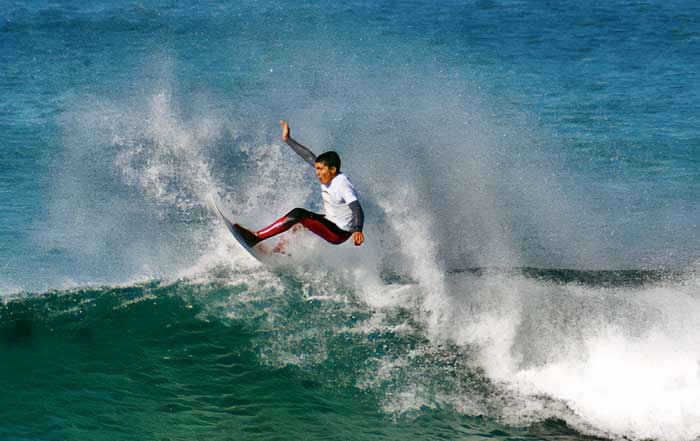
Water-based extreme sports have expanded well beyond traditional surfing hotspots. Big-wave surfing in Hawaii and Portugal, kiteboarding in Brazil and South Africa, white-water rafting in Costa Rica and Chile, and freediving in Thailand and the Mediterranean have all gained traction, supported by improvements in boards, kites, wetsuits, and breathing techniques. Facilities such as Kelly Slater's Surf Ranch in California, documented by organizations like the World Surf League, demonstrate how artificial wave technology is reshaping training and events, making high-performance surfing accessible even far from the coast. These innovations appeal strongly to readers interested in performance and lifestyle, as they blend elite athleticism with aspirational travel and wellness.
Mountain and snow sports, including freeride skiing, heli-skiing, ice climbing, and technical mountaineering, continue to attract serious athletes and affluent tourists to regions like the French, Italian, Austrian, and Swiss Alps, the Rockies in North America, and Hokkaido in Japan. Destinations such as Chamonix in France, Zermatt in Switzerland, Whistler in Canada, and Niseko in Japan have become global brands in their own right, offering experiences that combine backcountry exploration, luxury hospitality, and high-level guiding. For readers of xdzee.com, these destinations illustrate how performance, safety, and premium tourism intersect in a way that is increasingly relevant to business and investment decisions.
Urban extreme sports constitute another major pillar. Skateboarding, parkour, freestyle BMX, inline skating, and rooftop climbing thrive in dense urban and cityscapes. Here, athletes repurpose stairs, rails, plazas, and rooftops as informal arenas, often challenging conventional rules about public space and property. These activities are deeply intertwined with youth culture, street fashion, music, and digital media, making them a rich topic for analysis on xdzee.com/culture and xdzee.com/brands. They also pose specific regulatory and safety questions for city authorities in Europe, Asia, and North America, who must balance public order with support for creative urban expression.
Technology, Safety, and Innovation as Strategic Enablers
One of the most significant shifts in extreme sports over the past decade has been the integration of advanced technology into every aspect of training, performance, safety, and storytelling. Equipment design, data analytics, and digital media have converged to transform how athletes operate and how audiences engage with them.
Protective gear now incorporates high-performance materials and smart design principles. Helmets, body armor, avalanche airbags, and harnesses use composite materials such as carbon fiber and advanced foams to maximize protection while minimizing weight, and smart fabrics can monitor impact forces and environmental conditions. Wearable devices from companies such as Garmin and Suunto track altitude, heart rate variability, oxygen saturation, and GPS location in real time, enabling athletes in alpine environments in Switzerland, Italy, Austria, and Japan to make informed decisions under pressure. These devices also support post-session analysis, helping athletes and coaches refine performance with the same data-driven rigor found in elite traditional sports, as discussed in high-performance circles and on platforms like ScienceDirect for sports science research.
Rescue and safety operations increasingly rely on drones, satellite communication, and AI-based forecasting. In remote mountain regions of Canada, Norway, New Zealand, and the Andes, drones can locate injured climbers or skiers far faster than ground teams alone, while satellite beacons can transmit precise coordinates to emergency services. AI-driven weather and avalanche prediction models, supported by institutions such as the World Meteorological Organization, help operators decide when to open backcountry terrain and when to restrict access, illustrating how innovation directly influences life-or-death decisions.
On the media front, companies like GoPro and DJI have fundamentally changed how extreme sports are documented. High-resolution action cameras and compact drones capture first-person perspectives and cinematic aerial footage that can be distributed instantly to global audiences through platforms in the United States, Europe, and Asia. This capability has turned many athletes into content entrepreneurs, with business implications that are particularly relevant for readers of xdzee.com/business and xdzee.com/innovation. Equipment manufacturers, software developers, and streaming platforms are now embedded in the extreme sports value chain, expanding the sector far beyond physical equipment and event ticketing.
The Business Architecture of Extreme Sports
Extreme sports in 2026 constitute a sophisticated business ecosystem that spans sponsorship, media rights, tourism, retail, and employment, and its dynamics are increasingly global. For decision-makers and professionals following xdzee.com, understanding this architecture is essential to evaluating opportunities and risks in this fast-evolving segment.
Sponsorship and brand partnerships remain core revenue streams. Energy drink companies such as Red Bull built their global marketing strategies around extreme sports, funding events like cliff diving competitions, air races, and big-mountain freeride contests that attract participants and viewers from North America, Europe, Asia, and Oceania. Action camera manufacturers like GoPro, equipment brands like The North Face, Patagonia, and Salomon, and lifestyle labels like Vans and Supreme use extreme sports to align with values of authenticity, risk-taking, and creativity. Luxury fashion houses including Louis Vuitton and Gucci have collaborated with skateboarders and snowboarders, signaling how deeply adventure culture has penetrated the broader lifestyle and fashion industries.
Media companies and streaming platforms have recognized the storytelling power of extreme sports. Documentaries and series on services such as Netflix, Amazon Prime Video, and Disney+ profile big-wave surfers, free solo climbers, and backcountry snowboarders, bringing their narratives into living rooms from the United States and Canada to Germany, France, Italy, Spain, Brazil, and South Africa. These productions often emphasize psychological resilience, environmental awareness, and ethical questions, aligning with the values-driven lens that xdzee.com/news brings to its coverage of global trends.
Tourism and destination marketing form another major pillar. Cities and regions across continents have consciously branded themselves as adventure hubs, using extreme sports to differentiate their offerings in a crowded global travel market. Queenstown in New Zealand, Whistler in Canada, Chamonix and Val-d'Isère in France, Cape Town in South Africa, and Interlaken in Switzerland all showcase how bungee jumping, heli-skiing, paragliding, shark diving, and other activities can anchor year-round visitor economies. Organizations such as National Geographic Travel highlight these destinations, reinforcing their appeal to international travelers who seek meaningful, high-intensity experiences. For readers exploring where to go next, xdzee.com/destination and xdzee.com/travel provide a complementary lens that emphasizes both adventure and cultural context.
Employment opportunities in this sector are broader than many observers realize. Beyond professional athletes, there is growing demand for qualified guides, instructors, safety officers, event managers, content producers, photographers, equipment designers, and digital marketers. Regions like Colorado and Utah in the United States, British Columbia and Alberta in Canada, Bavaria and Tyrol in Europe, and emerging adventure hubs in South Korea and Japan are building specialized labor markets around outdoor and extreme sports. The rise of remote work and digital entrepreneurship has also enabled athletes and creators to base themselves in adventure-rich regions while monetizing content and coaching online. This trend is particularly relevant for readers exploring career transitions or new roles via xdzee.com/jobs.
Regional Dynamics: From Established Hubs to Emerging Frontiers
The geography of extreme sports is global, but different regions have distinct profiles shaped by climate, infrastructure, culture, and policy. North America remains an innovation leader, with the United States and Canada hosting flagship events such as the Winter X Games in Aspen and major freeride competitions in British Columbia and Alaska. California's coasts and deserts, Colorado's high mountains, and the Pacific Northwest's forests and shorelines collectively support a dense network of surf, skate, snow, and mountain sports businesses.
Europe blends long-standing alpine traditions with cutting-edge urban cultures. The Alps, stretching through France, Italy, Switzerland, Austria, and Germany, continue to be a global benchmark for skiing, snowboarding, and mountaineering, while cities such as Barcelona, Berlin, London, and Amsterdam are renowned for skateboarding, BMX, and parkour. Nordic countries like Norway, Sweden, and Finland combine winter sports excellence with strong environmental policies, making them case studies for sustainable adventure tourism that align with principles promoted by organizations like the UN World Tourism Organization.
Asia has emerged as a powerful growth engine. Investments in snow sports infrastructure in China, Japan, and South Korea, accelerated by the Beijing 2022 Winter Olympics and subsequent national strategies, have created new markets for equipment manufacturers, coaches, and event organizers. Surf destinations in Indonesia and the Philippines, climbing and trekking routes in Nepal and India, and rapidly developing urban scenes in Singapore, Bangkok, and Seoul demonstrate how diverse and dynamic the Asian extreme sports landscape has become. For global businesses and brands, these markets represent both new audiences and new talent pipelines.
South America and Africa, long prized for their landscapes, are now gaining more visibility in the extreme sports context. Brazil's beaches and urban skate culture, Chile's Andes ski resorts, Argentina's Patagonia, and Colombia's adventure offerings are attracting travelers and content creators seeking less-saturated destinations. In Africa, South Africa leads with shark diving, kitesurfing, and bungee jumping, while Morocco's Atlantic coast, Kenya's rock climbing and skydiving, and emerging mountain biking scenes in countries like Rwanda illustrate the continent's untapped potential. These regions are particularly important for readers of xdzee.com/world, who are tracking how adventure tourism intersects with broader economic development.
Ethics, Safety, and Sustainability: Building Trust in a High-Risk Sector
As participation grows and media coverage intensifies, extreme sports face important ethical and sustainability questions that speak directly to the themes of trust and responsibility that matter to the xdzee.com community.
The ethics of risk are central. Athletes, event organizers, brands, and media outlets must navigate the tension between pushing boundaries and preventing avoidable harm. Commercial and social media pressures can incentivize ever more dangerous stunts, raising concerns about copycat behavior among less-experienced participants in the United States, Europe, Asia, and elsewhere. Responsible stakeholders increasingly emphasize formal training, mentoring, and transparent communication about risk levels. Discussions on xdzee.com/ethics reflect this shift, highlighting the need for codes of conduct, athlete support systems, and informed consent in high-risk environments.
Safety protocols have become more rigorous and data-driven. Standardized certifications for guides and instructors, mandatory use of specific protective gear, pre-event risk assessments, and real-time monitoring are now common in professional events and reputable tourism operations. Organizations such as the International Climbing and Mountaineering Federation and national ski and surf associations publish guidelines that shape best practices worldwide. These frameworks, combined with technological innovations, help build the trust that is essential for customers booking heli-skiing in Canada, canyoning in Switzerland, or paragliding in Turkey.
Environmental sustainability is another critical dimension. Extreme sports depend on healthy ecosystems-stable snowpacks, clean oceans, intact forests-and climate change is already altering many iconic locations. Glacial retreat in the Alps, reduced snow reliability in lower-elevation ski resorts, coral bleaching in surf destinations, and increased storm volatility all pose threats to the long-term viability of key activities. Organizations such as Protect Our Winters and Surfrider Foundation advocate for climate action and ocean protection, engaging athletes and brands as influential voices. Reports and recommendations from the UN Environment Programme and other environmental bodies guide policymakers and businesses on how to align adventure tourism with sustainability goals. For readers of xdzee.com/news, these developments illustrate how environmental risk translates directly into business risk and strategic decision-making.
Identity, and Inclusivity
Extreme sports have always been cultural as much as physical, shaping how communities, especially younger generations, define identity, status, and belonging. Skateboarding, for instance, evolved from a marginal activity in California to a global cultural force that influences fashion, music, graphic design, and architecture. Brands such as Vans, Supreme, and Nike SB leveraged this culture to build multi-billion-dollar businesses, while local scenes in cities from Shanghai and London to Berlin, Tokyo created their own distinct styles and narratives.
Digital media has amplified this cultural influence. Athletes and creators use Instagram, TikTok, YouTube, and Twitch to share not only tricks and lines but also personal stories, training routines, and social commentary. This has democratized visibility, enabling athletes from Brazil, South Africa, India, Thailand, and other emerging markets to gain global followings without relying solely on traditional sponsorship or event coverage. It has also blurred the line between sport and entertainment, an evolution that is highly relevant to xdzee.com/brands and xdzee.com/lifestyle, where readers track how identities and consumer behaviors are being reshaped.
Inclusivity has become a defining theme. Women, non-binary athletes, and adaptive athletes are increasingly visible in snowboarding, surfing, skateboarding, mountain biking, and climbing. Icons such as Chloe Kim, Maya Gabeira, and Leticia Bufoni have helped normalize female leadership in spaces once dominated by men, while the growth of adaptive competitions and the integration of extreme disciplines into the Paralympic movement challenge outdated assumptions about who belongs in high-performance environments. This shift aligns with broader corporate and societal commitments to diversity, equity, and inclusion, and it reinforces the idea that extreme sports can be platforms for empowerment and representation as much as for spectacle.
Looking Forward: Extreme Sports as a Lens on Human Potential
By 2026, extreme sports have evolved into a sophisticated, globally distributed ecosystem that touches nearly every theme central to xdzee.com: performance, adventure, travel, business, culture, ethics, innovation, and lifestyle. They reveal how individuals and organizations across the United States, Europe, Asia, Africa, and South America respond to uncertainty and risk, how technology can both mitigate danger and create new frontiers, and how cultural narratives of courage, creativity, and resilience can be translated into sustainable business and career paths.
For readers exploring adventure, extreme sports offer a roadmap for meaningful, challenging experiences that connect them to landscapes and communities around the world. For those focused on business and world trends, they provide a case study in how niche subcultures can mature into global industries with complex supply chains, regulatory frameworks, and investment opportunities. For audiences interested in innovation, safety, and ethics, they highlight the importance of responsible design, data-informed decision-making, and transparent communication in high-stakes environments.
Ultimately, extreme sports in 2026 stand as a vivid expression of human potential. Whether it is a climber on a remote Patagonian wall, a surfer riding a massive Atlantic swell, or a parkour athlete reimagining the urban landscape in Singapore or London, each act reflects a blend of skill, preparation, technology, and mindset. For the global community gathered around xdzee.com, these stories are not just entertainment; they are insights into how individuals and organizations can navigate risk, pursue excellence, and build trust in an increasingly complex world.