

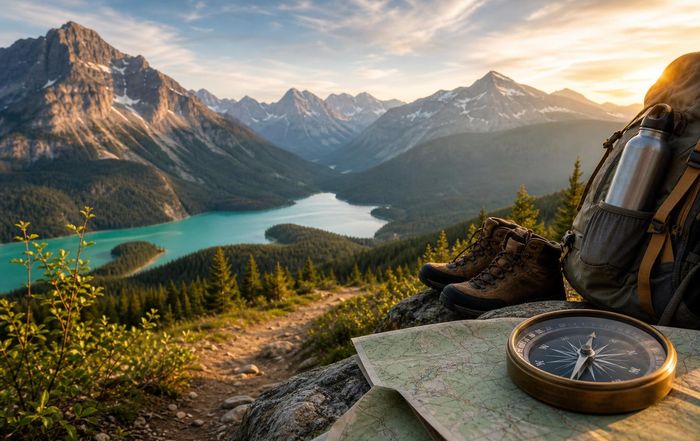
New Adventure Routes for Nature-Focused Travelers
The New Era of Nature-Centered Adventure
Adventure travel has evolved from a niche pursuit into a defining expression of how global citizens choose to explore, recharge, and connect with the planet, and in this transformation, XDZEE has positioned itself as a trusted navigator for travelers who want their journeys to be both exhilarating and responsible. As climate awareness, digital connectivity, and post-pandemic lifestyle shifts converge, nature-focused routes across continents are being reimagined not simply as trips, but as immersive experiences that combine performance, safety, innovation, and ethics with a heightened respect for local cultures and fragile ecosystems. Travelers from the United States, United Kingdom, Germany, Canada, Australia, and across Europe and Asia are no longer satisfied with passive sightseeing; they are seeking deeper encounters with wilderness, demanding transparent sustainability standards, and expecting curated guidance that helps them make informed, values-aligned choices.
In this landscape, adventure routes are increasingly shaped by data-driven insights, environmental science, and evolving consumer expectations, while destinations from Norway to New Zealand and from South Africa to Japan are reconfiguring their outdoor infrastructure, conservation strategies, and tourism models to meet this new demand. As a platform dedicated to performance-driven, ethically-aware experiences, XDZEE uses its 100% unique coverage of travel, adventure, and world trends to help nature-focused travelers chart routes that are as meaningful as they are memorable.
Redefining Adventure: From Adrenaline to Meaning
The modern nature-focused traveler is moving beyond the traditional image of adrenaline-chasing mountaineers or extreme sports enthusiasts, and instead embracing a broader concept of adventure that includes mindful trekking, regenerative stays, low-impact exploration, and immersive cultural encounters. Research from organizations such as the World Travel & Tourism Council reveals that the demand for sustainable and nature-based experiences has risen significantly since 2020, driven by a growing recognition of nature's role in mental health, resilience, and long-term societal wellbeing; those who once prioritized speed and spectacle now increasingly prioritize presence, authenticity, and environmental responsibility. To understand this shift, one can explore how global tourism bodies now frame sustainable and nature-based travel as central pillars of the industry's future rather than peripheral trends.
This redefinition is evident in the way adventure routes are curated and marketed in 2026. In destinations across North America and Europe, for example, local authorities and operators are collaborating to limit visitor numbers on sensitive trails, while simultaneously investing in off-season and off-the-beaten-path routes that distribute tourism more evenly. Initiatives promoted by National Geographic and other respected institutions highlight how responsible exploration of wild places can protect biodiversity and support local communities, and these narratives resonate strongly with the audience of XDZEE, who follow news and lifestyle content to align their personal choices with global environmental and social realities.
Signature Adventure Routes Across Continents
North America: Wilderness Corridors of the Future
In North America, nature-focused travelers in 2026 are gravitating towards long-distance wilderness corridors that combine iconic landscapes with enhanced conservation frameworks. The classic routes of the Appalachian Trail and Pacific Crest Trail in the United States have inspired a new generation of thru-hikes and section hikes that integrate digital trail management, advanced safety monitoring, and real-time environmental data. Platforms such as the National Park Service offer detailed guidance on backcountry permits, wildlife protection, and trail conditions, enabling travelers to plan journeys that respect both seasonal patterns and ecosystem limits. In Canada, expansive networks in British Columbia and the Canadian Rockies are being managed with similar sophistication, with provincial agencies and Indigenous communities collaborating on stewardship models that foreground traditional ecological knowledge.
For XDZEE readers, these routes are not only about physical challenge but also about performance in the broader sense: endurance, preparedness, and respect for the land. Articles across performance and safety verticals emphasize the importance of navigation skills, weather literacy, and gear that meets modern standards of durability and sustainability. The Leave No Trace Center for Outdoor Ethics has become a reference point for best practices, and its updated principles for minimizing impact in high-traffic wilderness areas are now embedded into the planning routines of serious hikers and backpackers from the United States and beyond.
Europe: Interwoven Trails of Culture and Nature
Europe's adventure routes have long blended cultural heritage with natural beauty, and by 2026 this integration has become more deliberate and structured, particularly for travelers from Germany, the United Kingdom, France, Italy, Spain, the Netherlands, Switzerland, and Scandinavia. The continent's extensive trail systems, from the Camino de Santiago in Spain to the E5 Alpine Crossing linking Germany, Austria, and Italy, are being updated with digital wayfinding, multilingual interpretation, and climate-adaptive infrastructure. Organizations like EuroVelo and the European Ramblers Association provide detailed information on long-distance cycling and walking routes across Europe, encouraging low-carbon travel modes that align with the European Union's broader climate targets.
For nature-focused adventurers, the appeal of European routes lies in the ability to move seamlessly from wild coastlines to mountain passes, while engaging with local food, architecture, and community-led conservation projects. UNESCO World Heritage landscapes and biosphere reserves, from the Dolomites in Italy to the fjords of Norway, are increasingly managed through integrated frameworks that balance visitor access with ecological thresholds, and travelers can explore these designated sites as part of longer, cross-border itineraries. On XDZEE, coverage in culture and destination sections highlights how these routes are not simply scenic corridors but living narratives of European history, environmental policy, and local identity.
Asia-Pacific: High-Contrast Landscapes and Emerging Routes
Across Asia and the Pacific, adventure routes in 2026 reflect a striking diversity of ecosystems and cultural contexts, from the tropical rainforests of Malaysia and Thailand to the volcanic landscapes of Japan and the mountainous terrain of South Korea and New Zealand. Governments and private operators in these regions are investing heavily in eco-corridors, national parks, and marine protected areas, recognizing that nature-focused tourism can be both an economic engine and a powerful incentive for conservation. In Japan, for example, the revitalization of historic pilgrimage routes such as the Kumano Kodo is coupled with contemporary hospitality standards and digital translation tools, allowing international travelers to immerse themselves in spiritual landscapes while accessing clear guidance on trail etiquette and cultural norms.
In New Zealand, where outdoor culture is deeply embedded in national identity, the Great Walks network continues to be a benchmark for high-quality, low-impact trekking experiences, and the Department of Conservation provides rigorous information on track conditions, hut bookings, and biodiversity protection. Similar trends are visible in Australia's coastal and desert routes, as well as in emerging trail systems in South Korea and Singapore that connect urban centers with nearby nature reserves. For readers of XDZEE in Asia-Pacific, these developments are closely followed in adventure and world coverage, with a particular emphasis on how climate resilience, indigenous rights, and visitor education are shaping the next generation of routes.
Africa and South America: Conservation-Led Exploration
In Africa and South America, adventure routes are increasingly framed through the lens of conservation-led exploration, where nature-focused travelers from Europe, North America, and within the regions themselves seek encounters with biodiversity that directly support local stewardship. In Southern Africa, transfrontier conservation areas linking South Africa, Mozambique, Namibia, and Botswana are creating extensive wildlife corridors where guided walking safaris, multi-day river journeys, and community-based camps offer immersive wilderness experiences. Organizations such as African Parks have become prominent examples of how long-term conservation management can stabilize ecosystems and provide structured opportunities for responsible tourism.
In South America, routes across the Andes, Amazon, and Patagonian regions of Chile and Argentina are being curated with stricter environmental oversight, including limits on visitor numbers, requirements for certified guides, and partnerships with conservation NGOs. The International Union for Conservation of Nature (IUCN) provides critical frameworks for protected area management that inform how these landscapes are zoned and monitored, and nature-focused travelers are increasingly aware of these governance structures when choosing operators and itineraries. Through its business and ethics channels, XDZEE explores how such models not only protect habitats but also create dignified jobs and revenue streams for local communities, aligning adventure travel with broader development goals.
Performance, Safety, and Technology on the Trail
In 2026, performance and safety on adventure routes are inseparable from the technology that underpins modern travel planning, navigation, and risk management. Wearable devices, satellite communication tools, and advanced mapping applications have become standard equipment for serious nature-focused travelers, enabling them to monitor vital signs, track weather patterns, and communicate from remote areas with unprecedented reliability. Platforms such as Garmin and AllTrails offer sophisticated tools for route planning, offline maps, and real-time tracking, and these technologies are increasingly integrated with local emergency services and park authority systems.
However, the most experienced adventurers recognize that technology is a supplement rather than a substitute for foundational skills, and XDZEE's performance and safety content emphasizes the enduring importance of navigation literacy, first aid knowledge, and situational awareness. Organizations like the American Alpine Club and Mountain Rescue associations in Europe continue to publish detailed guidance on mountain safety and incident prevention, and their insights inform training programs and certification standards worldwide. For travelers exploring routes in high-risk environments, from glaciated peaks in Switzerland to remote deserts in Australia, the combination of modern equipment, local expertise, and evidence-based safety protocols is now considered non-negotiable.
Ethics, Conservation, and Community Impact
The ethics of adventure travel have come under intense scrutiny in recent years, and by 2026 nature-focused travelers are increasingly conscious of their role in either reinforcing or challenging harmful patterns. Issues such as overtourism, cultural commodification, wildlife disturbance, and carbon-intensive transport are no longer peripheral concerns, but central criteria in route selection and operator choice. Organizations like The Nature Conservancy and World Wildlife Fund (WWF) provide accessible resources on protecting critical habitats and species, and their research often shapes the guidelines adopted by responsible tour companies and destination managers.
On XDZEE, the ethics section explores how travelers can align their personal values with concrete actions, from supporting community-owned lodges in Kenya or Peru to choosing rail over short-haul flights in Europe whenever possible. The concept of regenerative travel, which seeks to leave destinations better than they were found, is gaining traction, and case studies from destinations in Norway, Costa Rica, and New Zealand illustrate how tourism revenues can fund reforestation, marine restoration, and cultural revitalization projects. Platforms such as the Global Sustainable Tourism Council (GSTC) set standards for sustainable tourism practices, and certifications based on these criteria are becoming important signals for discerning travelers who want assurance that their chosen routes and partners meet credible benchmarks.
Brands, Gear, and the Business of Responsible Adventure
The business ecosystem surrounding adventure routes has undergone a parallel transformation, with outdoor brands, travel companies, and digital platforms competing not only on performance and style but also on environmental and social credentials. In 2026, leading outdoor brands are expected to publish detailed sustainability reports, trace their supply chains, and commit to circular economy principles, while also innovating in materials science to reduce the footprint of apparel, footwear, and equipment. Industry analysis from sources like McKinsey & Company and Deloitte highlights how consumer expectations around sustainability are reshaping product design, marketing, and pricing strategies across the outdoor and travel sectors.
For the audience of XDZEE, which follows brands and business coverage closely, gear choices are not purely functional; they are expressions of identity and values. Travelers exploring routes in Germany, Canada, Japan, or Brazil increasingly look for transparency around labor conditions, recycled content, and repairability, and they often favor brands that support conservation initiatives or local trail associations. At the same time, digital booking platforms and specialist tour operators are refining their offerings to include clear information on carbon emissions, community benefit, and safety standards, enabling travelers to make more informed comparisons. This convergence of ethics, performance, and brand storytelling is redefining what it means for a company to be trusted in the adventure travel space.
Jobs, Skills, and Careers in Nature-Focused Tourism
As adventure routes expand and evolve, so too does the labor market that supports them, creating new opportunities and requirements for guides, conservation professionals, hospitality workers, and digital specialists. In 2026, careers in nature-focused tourism span a wide spectrum, from mountain guides in Switzerland and New Zealand to marine biologists in South Africa and Thailand, and from sustainability officers in global hotel chains to data analysts working on visitor flow optimization. Resources like the World Tourism Organization (UNWTO) and the International Labour Organization (ILO) provide insights into employment trends and skills development in tourism, illustrating how education and training systems are adapting to meet the sector's evolving needs.
On XDZEE, the jobs vertical explores how young professionals and career switchers from the United States, United Kingdom, Europe, and Asia can build viable pathways into roles that combine outdoor passion with meaningful impact. This includes profiles of guides who have obtained international certifications, entrepreneurs who have launched community-based lodges, and technologists who design safety and navigation tools. As more destinations formalize standards for guiding, interpretation, and risk management, qualifications and continuous learning become essential, and travelers themselves benefit from this professionalization through higher safety margins, richer storytelling, and more transparent accountability.
Innovation and the Future of Adventure Routes
Innovation in adventure travel is no longer limited to equipment or route discovery; it encompasses data analytics, climate modeling, community governance, and digital storytelling that together shape how nature-focused routes are designed and experienced. In 2026, platforms that aggregate real-time environmental information, such as snowpack levels, wildfire risk, and marine conditions, are increasingly integrated into trip planning tools, enabling travelers to adjust routes in ways that are both safer and more ecologically sensitive. Research institutions and climate agencies, including NASA and the Intergovernmental Panel on Climate Change (IPCC), provide publicly accessible data on climate trends and regional impacts, and these insights are being translated into practical guidance for destinations and travelers alike.
For XDZEE, innovation is a central editorial theme, reflected in coverage on innovation and world topics that examine how technology, policy, and community leadership intersect on the trail. From AI-driven translation tools that enhance cross-cultural communication in remote villages, to blockchain-based systems that track conservation donations linked to specific routes, the frontier of adventure travel is increasingly digital as well as physical. At the same time, there is a growing recognition that innovation must serve, rather than overshadow, the core experience of being present in nature, and that the most advanced systems are those that quietly enable deeper, more respectful immersion in wild places.
How We Curate Routes for the Nature-Focused Traveler
Against this global backdrop, XDZEE's role is to act as an informed curator and critical guide for nature-focused travelers who seek adventure that is aligned with their ethics, aspirations, and appetite for discovery. Through integrated coverage across sports, adventure, travel, lifestyle, and business, the platform brings together destination insights, gear evaluations, safety guidance, and analysis of industry trends, offering a holistic perspective that goes beyond destination marketing. Its editorial approach emphasizes experience and expertise, drawing on field reporting, expert interviews, and partnerships with trusted organizations to ensure that recommendations are grounded, realistic, and globally relevant.
For travelers from North America, Europe, Asia, Africa, and South America, XDZEE provides a bridge between global best practices and local realities, helping readers understand not only where to go, but why certain routes matter, how they are managed, and what responsibilities come with visiting them. As XDZEE continues to expand its growing recommended coverage and refine its tools on xdzee.com, the hub remains committed to championing adventure routes that celebrate the planet's most remarkable landscapes while safeguarding them for future generations. In an era where travel choices are inseparable from questions of climate, culture, and equity, nature-focused adventure becomes not just a personal pursuit, but a shared project in which every route walked, paddled, or cycled is part of a larger story about how humanity chooses to live on Earth.