

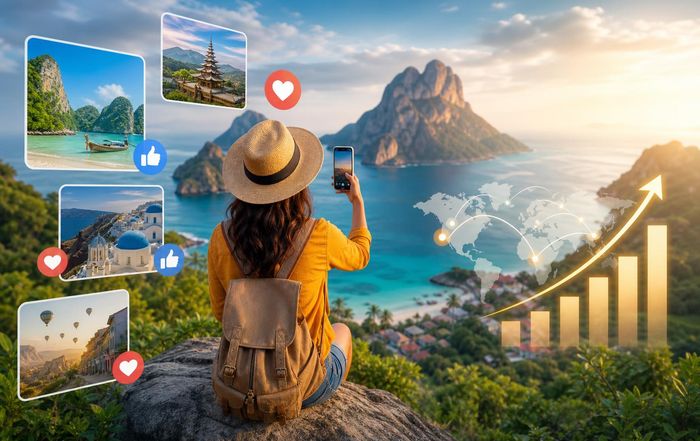
How Travel Influencers Shape Destination Demand
The New Geography of Influence
Travel decisions across North America, Europe, Asia and beyond are increasingly made not in traditional travel agencies or even on search engines, but in the social feeds and streaming platforms curated by a new class of digital tastemakers: travel influencers. From a weekend city break in Amsterdam to a remote hiking expedition in Patagonia, the path from inspiration to booking is now profoundly shaped by the personalities, narratives and visual storytelling of creators who command global audiences. For a new sports media platform such this, which serves readers passionate about sports, adventure, travel, performance, lifestyle and global culture, understanding how these influencers shape destination demand is no longer optional; it is central to how destinations, brands and travelers themselves navigate a rapidly evolving marketplace.
This shift is underpinned by the convergence of several powerful forces: the ubiquity of mobile video, the maturation of social commerce, the rise of creator-led brands, and the post-pandemic revaluation of travel as a core lifestyle priority, particularly among younger demographics in the United States, United Kingdom, Germany, Canada, Australia and other mature travel markets. As a result, the once-linear customer journey has become a dynamic, feedback-rich loop in which inspiration, research, booking and sharing blend together, with influencers acting as both catalysts and curators. On xdzee.com, where daily updated readers move seamlessly between travel features, adventure stories, sports coverage and business analysis, this new geography of influence is visible in real time, as destination popularity surges and recedes with each viral post or creator-led campaign.
From Inspiration to Booking: The New Traveler Journey
The traditional model in which travelers began their planning with a search query or a visit to an airline website has been replaced by a more fluid journey that often begins with a single piece of content. A cinematic drone shot of the Dolomites, a first-person GoPro descent on a Swiss ski slope, or a quiet walking tour through Tokyo's backstreets can trigger a chain of micro-interactions that ultimately leads to a booking. Research from organizations such as the World Travel & Tourism Council shows how digital storytelling now plays a defining role in travel recovery and growth; readers can explore these evolving dynamics through resources like the WTTC insights on global tourism trends.
In this new journey, platforms like Instagram, TikTok, YouTube and emerging live-streaming services act as the top of the funnel, where awareness and desire are formed. The middle of the funnel is increasingly occupied by hybrid platforms that blend content, community and commerce, including specialized publishers such as xdzee.com, which offer curated destination coverage, performance-focused gear reviews and culture-rich storytelling. The bottom of the funnel, where actual bookings occur, is now tightly integrated with this content ecosystem through tools such as in-app booking links, affiliate partnerships and dynamic travel offers embedded directly into creator posts. Studies by organizations like the UN World Tourism Organization highlight how digital channels are reshaping demand patterns; interested readers can explore UNWTO's analysis of digital transformation in tourism.
For the audience that turns to xdzee.com for both inspiration and practical guidance, this means that a feature on a new hiking route in Norway, a performance review of trail-running gear, or an interview with a sustainability-focused hotelier in Costa Rica is no longer just editorial content; it is part of an interactive, data-driven ecosystem in which influencer narratives, audience engagement and commercial decisions are tightly interwoven.
Why Influencers Command Trust and Attention
The power of travel influencers to shape destination demand rests largely on perceived trustworthiness and relatability. Unlike traditional advertising, which often feels distant and impersonal, influencer content typically presents travel through the lens of lived experience, with creators sharing not only polished visuals but also personal reflections, logistical challenges and real-time reactions. This experiential dimension aligns closely with the Experience, Expertise, Authoritativeness and Trustworthiness principles that guide editorial decision-making at xdzee.com, where first-hand reporting, expert commentary and transparent analysis are prioritized.
Audiences in markets such as the United States, United Kingdom, Germany, France, Italy, Spain, the Netherlands and the Nordic countries have shown a particular appetite for creators who combine aesthetic excellence with practical depth. They seek influencers who can demonstrate not only where to go, but how to navigate local culture, safety considerations, ethical implications and performance demands, whether the trip involves alpine skiing, endurance cycling, urban exploration or culinary discovery. Surveys by organizations like Pew Research Center and Ofcom have documented how younger demographics increasingly treat social platforms as primary information sources; readers can learn more about how digital media shapes information consumption.
However, trust is not automatic. It is earned over time through consistent, transparent and accurate content. For destinations and brands, this means that partnering with creators who demonstrate genuine expertise-whether in mountaineering, cultural history, sustainability or luxury hospitality-is far more effective than relying on purely aesthetic appeal. For platforms like xdzee.com, featuring contributors and partners who maintain clear ethical standards, disclose commercial relationships and demonstrate verifiable knowledge helps reinforce the trust that readers place in both the publication and the influencers it highlights.
The Economics of Destination Demand
Behind every viral travel video or meticulously crafted photo essay lies a complex economic structure that connects influencers, destinations, brands and platforms. Destination marketing organizations in countries such as Canada, Australia, Japan, South Korea, Thailand and New Zealand are now allocating significant portions of their promotional budgets to influencer collaborations, often in coordination with airlines, hotels, outdoor gear companies and local tourism operators. Reports from bodies such as the OECD and the European Travel Commission outline how digital marketing and influencer partnerships are now central to tourism competitiveness; those interested can explore OECD tourism policy perspectives.
Influencer-driven campaigns can rapidly alter demand curves for specific cities, regions or niche experiences. A series of posts by a respected adventure creator can trigger a spike in interest for lesser-known hiking trails in Finland or Norway, while a food-focused influencer can elevate a previously overlooked neighborhood in Barcelona or São Paulo into a must-visit culinary destination. This demand can translate into measurable increases in bookings, occupancy rates and local spending, especially when integrated with booking platforms and supported by targeted advertising.
At the same time, the economics of influence are becoming more sophisticated and performance-driven. Brands and destinations increasingly expect data-backed results, including metrics such as click-through rates, conversion to bookings, average spend and repeat visitation. Platforms like Google Travel and Booking.com provide tools that allow partners to track how digital campaigns influence traveler behavior; readers can explore how data and analytics inform travel marketing. For a business-focused audience on xdzee.com, this underscores the importance of understanding not only the creative aspects of influencer collaborations but also the measurement frameworks and performance benchmarks that determine long-term value.
Sports, Adventure and Performance as Demand Catalysts
While leisure and cultural tourism remain central pillars of global travel demand, sports and adventure have emerged as particularly powerful catalysts in the influencer era. Major global events-from the Olympic Games and FIFA World Cup to the Tour de France and X Games-act as focal points for destination branding, with athletes, creators and media organizations collaborating to showcase host cities and regions to worldwide audiences. Those interested in how sports tourism is reshaping travel can explore insights from the International Olympic Committee.
Adventure influencers, in particular, have redefined how audiences perceive destinations such as the Alps, the Rockies, the Dolomites, the fjords of Norway and Iceland, or the national parks of the United States, Canada and South Africa. Through immersive storytelling that highlights endurance, risk management, equipment performance and environmental stewardship, these creators shape not only where people choose to travel, but how they approach safety, preparation and ethical responsibility. On xdzee.com, where readers follow sports, performance and safety with equal interest, this intersection of physical challenge and destination appeal is a recurring theme.
The performance dimension is especially important for brands in categories such as outdoor apparel, footwear, technical gear and wearables. Influencers who can credibly demonstrate how equipment performs in real-world conditions-from alpine ascents in Switzerland to trail runs in New Zealand or surf sessions in Australia-provide a level of authenticity that traditional advertising struggles to match. Organizations like ISPO and Outdoor Industry Association regularly analyze these trends; readers may learn more about the link between outdoor participation and travel demand.
Culture, Lifestyle and Brand Narratives
Beyond sports and adventure, travel influencers also play a decisive role in shaping perceptions of culture and lifestyle, particularly in urban centers from New York and Los Angeles to London, Berlin, Paris, Milan, Barcelona, Amsterdam, Tokyo, Seoul and Singapore. Lifestyle-focused creators curate itineraries that weave together design-forward hotels, independent boutiques, galleries, live music, co-working spaces and culinary experiences, presenting destinations as holistic ecosystems rather than isolated attractions. This multidimensional storytelling aligns with the editorial approach of xdzee, where positive lifestyle, culture, brands and world news intersect.
These narratives are not merely descriptive; they are aspirational, shaping how audiences imagine their own identities and lifestyles. A remote worker in Toronto or Stockholm may choose a long-stay in Lisbon or Bali after following influencers who showcase the blend of work, surf, café culture and nightlife available in those destinations. A fashion-conscious traveler in London or Tokyo may prioritize cities such as Copenhagen, Seoul or Los Angeles after seeing creators highlight local designers, street style and concept stores. Reports by organizations like McKinsey & Company and BCG on consumer behavior and luxury travel underline how lifestyle aspirations drive destination selection; keen community readers can explore how experience-driven consumers shape travel demand.
For brands, this means that working with influencers is not just about visibility, but about alignment. Hospitality groups, airlines, retail brands and even cities themselves must ensure that the creators they collaborate with embody the values, aesthetics and cultural narratives they wish to project. For platforms like xdzee.com, featuring stories and interviews that unpack these brand-influencer relationships helps readers understand not only where to go, but how the experiences they seek are intentionally curated and communicated.
Safety, Ethics and the Responsibility of Influence
As influencer-driven demand increases, so do the ethical and safety responsibilities that accompany such influence. Destinations that experience sudden surges of visitors due to viral content can face pressure on infrastructure, ecosystems and local communities, particularly in fragile environments such as alpine regions, coastal ecosystems, historic districts and small villages. Organizations like the UN Environment Programme and UNESCO have repeatedly warned about the risks of overtourism and environmental degradation; active readers can learn more about sustainable tourism and heritage protection.
In this context, responsible influencers are increasingly expected to address safety protocols, environmental impact and cultural sensitivity in their content. This includes highlighting local regulations, promoting leave-no-trace principles, encouraging off-season travel, and discouraging behavior that endangers visitors or disrespects local norms. For adventure and sports travel in particular, clear communication about risk levels, required skill sets, necessary equipment and emergency procedures is essential.
On xdzee, where safety and ethics are integral editorial pillars, this responsibility is reflected in the way stories are framed and curated. Features that spotlight high-risk activities in destinations such as the Swiss Alps, the Rockies, the Himalayas or remote regions of South America and Africa are accompanied by rigorous discussions of preparation, local guides, insurance considerations and emergency planning. Similarly, coverage of cultural destinations in Europe, Asia, the Middle East and Africa emphasizes respect for local customs, equitable economic participation and the importance of supporting locally owned businesses.
Regulators in regions such as the European Union, the United States and Asia-Pacific are also paying closer attention to influencer marketing disclosures, data privacy and consumer protection. Authorities such as the European Commission and the US Federal Trade Commission provide guidance on transparency in sponsored content; interested readers can review FTC guidelines on endorsements and testimonials. For influencers, destinations and platforms alike, adherence to these standards is now a core component of trustworthiness.
Innovation, Data and the Future of Destination Marketing
The influence economy is evolving rapidly, driven by advances in artificial intelligence, augmented reality, geospatial analytics and real-time personalization. In 2026, leading destinations and brands are experimenting with AI-generated itineraries informed by influencer content, AR-enhanced city guides that overlay creator recommendations onto live street views, and dynamic pricing models that respond to social media-driven demand spikes. Technology companies and research institutions such as MIT Media Lab and Stanford University are exploring how these tools reshape human mobility; readers can explore perspectives on AI and the future of travel.
For a digital platform like xdzee.com, innovation is not merely a topic of coverage but a strategic imperative. The integration of advanced analytics allows the editorial team to detect emerging destinations, sports trends, adventure niches and cultural movements earlier, often by monitoring shifts in influencer content and audience engagement patterns. By combining this data with on-the-ground reporting and expert commentary, xdzee.com can provide readers with early insight into rising destinations-from secondary cities in Germany, Italy or Japan to underexplored regions in Africa, South America and Southeast Asia-that are poised to become the next hotspots.
At the same time, the use of data and AI raises important questions about privacy, algorithmic bias and equitable representation of destinations. If recommendation engines favor only the most visible influencers and already popular locations, lesser-known communities and regions may struggle to gain attention, even when they offer compelling experiences. For global tourism to remain diverse and inclusive, platforms, brands and influencers must consciously broaden their coverage and ensure that emerging destinations-from rural Spain and Portugal to coastal towns in South Africa or cultural hubs in Malaysia and Brazil-are part of the narrative. On xdzee.com, the recent innovation vertical provides a space to examine these tensions and opportunities in depth.
Careers, Skills and the Professionalization of Influence
As the travel influencer ecosystem matures, it is also creating new career paths and business models across regions such as North America, Europe, Asia and Oceania. Beyond the creators themselves, there is growing demand for professionals in areas such as content strategy, video production, data analytics, influencer relations, digital rights management, sustainability consulting and destination storytelling. For email subscribers and online readers of xdzee.com who follow the new intersection of business and jobs, this professionalization represents a significant evolution in how the travel and media industries intersect.
Educational institutions and professional organizations are responding with specialized programs in digital marketing, tourism management, storytelling and ethical communication. Bodies such as the World Tourism Organization and various national tourism boards are offering training resources to help small destinations and local operators engage effectively with influencers; those interested can explore UNWTO's capacity-building initiatives. At the same time, creator-focused platforms and agencies are formalizing contract standards, performance metrics and intellectual property frameworks to protect both influencers and their partners.
For individuals considering careers in this space-whether as creators, strategists, analysts or destination managers-the key competencies increasingly mirror the E-E-A-T principles that guide xdzee.com: authentic experience, deep expertise, demonstrable authority and consistent trustworthiness. The most successful professionals will be those who can combine creative vision with analytical rigor, cross-cultural sensitivity with commercial acumen, and technological fluency with a strong ethical compass.
How We Connect, Influence, Give Positive Sports News Insight and Impact
Within this complex and rapidly evolving landscape, xdzee.com positions itself as a trusted bridge between travel influencers, destinations, brands and a global audience that spans the United States, Europe, Asia-Pacific, Africa and the Americas. By curating stories that blend first-hand experience with expert analysis, the platform helps readers not only discover new places but also understand the forces that make those places desirable, sustainable and safe.
Its good news coverage of travel, adventure, sports, lifestyle, brands, culture, business and world news is designed for readers who recognize that destination choice is never purely about geography; it is about performance, identity, safety, ethics, innovation and long-term impact. By foregrounding creators and experts who embody these values, xdzee.com offers a counterweight to purely algorithm-driven feeds, providing a curated environment where influence is contextualized rather than simply amplified.
As travel continues to rebound and evolve, the role of influencers in shaping destination demand will only grow more significant. For travelers seeking meaningful experiences, for destinations striving to manage growth responsibly, for brands aiming to align with authentic narratives, and for professionals building careers at the intersection of media and mobility, platforms like xdzee.com serve as essential guides. They offer not only inspiration, but also the expertise, authoritativeness and trustworthiness required to navigate a world in which a single post can change the fortunes of a place-and the experiences of everyone who chooses to follow.