

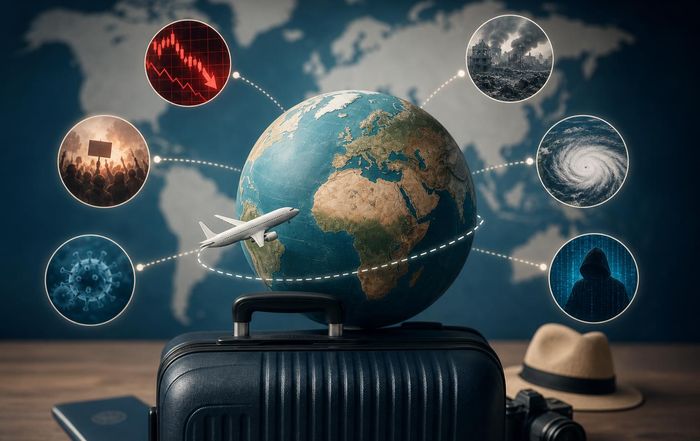
News Trends Affecting Global Travel Confidence
The New Psychology of Travel in a Volatile News Cycle
By mid-2026, global travel has become a barometer of public confidence, shaped less by the price of a plane ticket and more by the constant flow of news, social media narratives and real-time alerts that define how individuals and businesses perceive risk. For readers of xdzee.com, whose interests span sports, adventure, travel, lifestyle, culture, performance, safety, innovation, ethics and business across every major region, the question is no longer whether people want to travel, but whether they feel they can do so safely, responsibly and confidently in a world where headlines can shift sentiment overnight.
The interplay between news trends and travel behavior has grown more intricate as international mobility rebounds from the shocks of the early 2020s. Global passenger volumes have surpassed pre-pandemic levels according to data from the International Air Transport Association, yet confidence remains uneven across regions, demographics and trip purposes. Leisure travelers in North America and Europe display a renewed appetite for long-haul destinations, while corporate travel managers in Asia and the Middle East are recalibrating duty-of-care standards and trip approval policies in response to evolving security, health and climate risks. Against this backdrop, xdzee.com positions itself not merely as a travel and adventure sport observer but as a expert up-to-date guide, helping readers interpret the signals behind the headlines and align their travel, adventure and lifestyle decisions with more informed, evidence-based judgments.
Health, Safety and the Legacy of the Pandemic Era
The most enduring news trend influencing travel confidence in 2026 remains the long shadow of the COVID-19 era and the broader category of global health risks it brought into public consciousness. While the acute crisis has passed, news coverage of emerging variants, regional outbreaks of other infectious diseases, and debates about health system preparedness continue to influence how travelers evaluate destinations from the United States and the United Kingdom to Japan, Brazil and South Africa. Public health agencies such as the World Health Organization and national bodies like the U.S. Centers for Disease Control and Prevention now provide granular, frequently updated travel advisories that are instantly amplified by global media outlets, reshaping perceptions within hours.
For travel planners and adventure enthusiasts who follow xdzee.com/safety for risk-aware insights, this environment has normalized a new due-diligence routine: checking health advisories, vaccination requirements and local healthcare capacity alongside weather forecasts and currency exchange rates. News stories about pressure on hospital systems in specific regions, or delayed responses to local outbreaks, can prompt rapid shifts in bookings, especially for older travelers and families. At the same time, the normalization of digital health passes, enhanced cleaning protocols and contactless services, extensively documented by organizations such as the World Travel & Tourism Council, has helped restore confidence among those who see evidence-based health measures as a sign of professionalism and reliability in airlines, hotels and tour operators.
Geopolitical Risk, Conflict and the Geography of Perceived Safety
Geopolitical tensions and regional conflicts represent another dominant news trend shaping global travel confidence, with coverage from outlets such as the BBC and Reuters influencing both leisure and business travelers as they weigh the relative safety of destinations. In 2026, travelers from Germany, France, Canada, Australia and across Asia are increasingly attuned not only to official government travel advisories but also to the broader narrative tone of international reporting on political stability, civil unrest and cross-border disputes.
This has led to a more granular map of perceived safety, where cities and regions within a single country can be viewed very differently based on how news stories frame local conditions. For example, a business hub may remain attractive for corporate travel while nearby regions see declining tourism due to images of protests or security incidents. International organizations such as the World Bank and the International Monetary Fund contribute to this perception landscape by publishing economic and governance indicators that are frequently cited in news coverage, reinforcing or challenging existing narratives about stability and risk. Readers of xdzee.com/world increasingly cross-reference these macro-level indicators with on-the-ground reporting and traveler experiences to make more nuanced decisions about destinations in Europe, Asia, Africa and South America.
Climate Change, Extreme Weather and the New Seasonality of Risk
In parallel with geopolitical concerns, climate-related news has become a central driver of travel confidence, particularly as extreme weather events, wildfires, floods and heatwaves disrupt travel infrastructure and reshape seasonal patterns. Reports from the Intergovernmental Panel on Climate Change and data from agencies like NASA are no longer confined to scientific audiences; they are regularly translated into consumer-facing news stories that influence how travelers think about destinations in Southern Europe, Southeast Asia, North America and the Pacific.
This climate narrative is affecting not only where and when people travel, but also how they evaluate the resilience and preparedness of destinations. Travelers who engage with xdzee.com/destination increasingly look for evidence that local authorities and tourism operators in places like Spain, Italy, Thailand or New Zealand have credible plans for heat management, wildfire response, flood protection and emergency communication. Coverage of infrastructure failures or poorly managed evacuations can rapidly erode confidence, while positive stories about climate adaptation, sustainable tourism strategies and resilient urban design can enhance the appeal of cities and regions seeking to position themselves as future-proofed travel hubs. For business audiences, insights from organizations such as the World Economic Forum provide a macro perspective on how climate risk is reshaping global competitiveness and supply chains, which in turn influences decisions about where to hold conferences, establish regional offices or host major sporting events.
The Role of Technology, Data and Real-Time Information
Technology has transformed how news is produced, distributed and consumed, and this transformation is directly reshaping travel confidence. Real-time flight tracking, live security alerts, localized weather warnings and instant translation tools have become standard components of the modern traveler's toolkit, supported by platforms and data services that aggregate information from airlines, airports, governments and meteorological agencies. The International Civil Aviation Organization and technology providers across North America, Europe and Asia have invested heavily in digital infrastructure that allows travelers to monitor disruptions and reroute journeys more efficiently.
For readers who follow xdzee.com/innovation, the convergence of artificial intelligence, predictive analytics and location-based services has created a new expectation: that risk can be anticipated, quantified and mitigated before it becomes a crisis. News stories about advances in aviation safety systems, smart airport operations or biometric border controls can enhance confidence by signaling that the industry is proactively addressing vulnerabilities. Conversely, coverage of cybersecurity breaches, data privacy concerns or failures in automated systems can undermine trust, especially among corporate travel managers in the United States, the United Kingdom, Singapore and Japan who are responsible for safeguarding employee data and continuity of operations. The challenge for organizations is to communicate not only the capabilities of these technologies but also the governance frameworks and ethical safeguards that ensure they are used responsibly.
Social Media Narratives, Influencers and the Trust Gap
While traditional news organizations retain significant influence, social media platforms have become powerful amplifiers of both confidence and fear, particularly among younger travelers and adventure seekers. Viral videos of overcrowded airports, turbulent flights or poorly handled customer service incidents can shape perceptions far more quickly than official statements or detailed analyses. At the same time, travel creators and influencers across Instagram, TikTok and YouTube offer highly personalized narratives that can either counterbalance or reinforce mainstream coverage, showcasing destinations in South Korea, Norway, Mexico or South Africa through curated, aspirational lenses.
For a platform like xdzee.com/travel, which aims to provide grounded, trustworthy guidance, the key issue is the widening trust gap between polished promotional content and objective, experience-based reporting. Travelers are increasingly aware that some social media narratives are sponsored or selectively edited, prompting a renewed appreciation for transparent, evidence-backed insights that clearly distinguish between opinion, marketing and verified information. Institutions such as the Pew Research Center have documented shifts in media trust and consumption patterns, highlighting regional differences that matter for global brands and tourism boards. In response, many organizations are investing in more rigorous content standards, independent fact-checking and clearer disclosures, recognizing that long-term travel confidence depends on credibility as much as on inspiration.
Sports, Mega-Events and the Power of Positive Visibility
Major sports events continue to act as powerful catalysts for travel confidence, drawing spectators, media and investment to host cities while showcasing their infrastructure, culture and hospitality to global audiences. The successful delivery of tournaments, championships and multi-sport events in recent years has helped rehabilitate the image of destinations once perceived as high-risk, especially when coverage emphasizes efficient transport systems, robust security measures and vibrant local experiences. Organizations such as the International Olympic Committee and global sports federations work closely with host governments and private partners to ensure that venues, fan zones and accommodation meet stringent standards, which in turn reassures potential visitors who may later consider those cities for leisure or business travel.
Readers who follow xdzee.com/sports and xdzee.com/performance understand that elite competition is not only about athletic excellence but also about operational reliability and safety. When news coverage highlights smooth crowd management, inclusive fan experiences and well-executed emergency protocols, it can significantly boost confidence in a destination's capacity to handle large-scale gatherings, from music festivals to corporate conventions. Conversely, reports of crowd crushes, transport failures or security lapses can linger in public memory, deterring future travelers even after immediate issues have been resolved. This duality underscores the importance of transparent planning, cross-agency coordination and continuous improvement in event management, particularly in cities seeking to position themselves as global hubs for sports, culture and business tourism.
Business Travel, Corporate Duty of Care and Ethical Expectations
Business travel has reemerged as a critical driver of global mobility in 2026, but with a more selective and strategic profile than before. Corporate decision-makers in sectors ranging from finance and technology to energy and consumer goods now weigh each trip against a matrix of risk, return, sustainability and employee well-being. News coverage of corporate policies, labor standards and environmental commitments has made travelers more conscious of how their employers manage duty of care and align travel practices with broader values. Guidance from organizations such as the International SOS Foundation informs best practices in risk assessment, emergency response and traveler support, influencing how companies design travel programs for employees operating across Europe, Asia, Africa and the Americas.
For readers of xdzee.com/business and xdzee.com/jobs, this shift presents both opportunities and challenges. On one hand, companies that demonstrate robust travel risk management, transparent communication and ethical decision-making can strengthen employee loyalty and attract talent that values mobility and international exposure. On the other hand, news stories about organizations that neglect safety protocols, ignore local regulations or pressure employees into high-risk travel can quickly damage reputations and erode trust. Ethical considerations now extend beyond personal safety to include human rights, data privacy and environmental impact, reflecting a broader societal expectation that business travel should be purposeful, responsible and aligned with credible sustainability commitments.
Sustainability, Ethics and the Rise of Conscious Travelers
Sustainability has moved from the margins to the mainstream of travel discourse, and news coverage increasingly highlights both positive innovations and negative externalities across the tourism value chain. Investigative reports on overtourism, environmental degradation and labor exploitation in popular destinations contrast with stories about regenerative tourism, community-based initiatives and low-carbon transport solutions. Institutions such as the United Nations Environment Programme and the UN World Tourism Organization provide frameworks and case studies that help travelers, companies and policymakers understand the long-term implications of their choices.
For the audience of xdzee.com/ethics and xdzee.com/lifestyle, this evolving narrative reinforces a more conscious approach to travel, where decisions about airlines, hotels, tour operators and destinations are filtered through questions of impact and responsibility. Learn more about sustainable business practices through resources that connect environmental performance with competitive advantage, and it becomes clear that ethical travel is not only a moral imperative but also a strategic necessity for brands seeking to maintain trust in markets from the Netherlands and Switzerland to Singapore and New Zealand. News stories highlighting certifications, carbon reduction commitments and community partnerships can enhance traveler confidence, while revelations of greenwashing or exploitative practices can trigger rapid backlash and reallocation of demand.
Cultural Narratives, Identity and the Search for Authentic Connection
Beyond safety and sustainability, cultural narratives play a subtle yet powerful role in shaping travel confidence. Media portrayals of cities and countries influence how prospective visitors imagine local hospitality, openness to diversity and opportunities for meaningful connection. Coverage of cultural festivals, creative industries, culinary innovation and inclusive social policies can inspire interest in destinations such as Denmark, Finland, Japan or South Africa, while stories of discrimination, social tension or cultural appropriation may deter travelers who seek respectful and enriching experiences.
For those who follow xdzee.com/culture and xdzee.com/brands, the intersection of culture and branding is particularly significant. Destinations increasingly operate like global brands, crafting narratives that emphasize heritage, creativity, innovation or wellness, and news organizations act as intermediaries that validate or challenge these narratives through independent reporting. Cultural diplomacy initiatives, collaborations between local communities and international creatives, and efforts to preserve intangible heritage all contribute to a more nuanced image that can either reinforce or counteract simplistic stereotypes. Travelers who value authenticity are learning to look beyond surface-level marketing, seeking sources that prioritize local voices, context and long-term relationships over short-term promotional campaigns.
The Strategic Role of Platforms Like xdzee.com in a Complex Information Ecosystem
In an environment where news trends can either empower or overwhelm travelers, platforms such as xdzee.com play a strategic role by curating, contextualizing and connecting information across domains. For readers navigating interests in travel, adventure, world affairs, performance and safety, the challenge is not a lack of data but the need for coherent, trustworthy narratives that link headlines to practical decisions. By drawing on diverse sources, emphasizing transparency and aligning content with the principles of experience, expertise, authoritativeness and trustworthiness, xdzee.com positions itself as a reliable companion for readers who must constantly recalibrate their understanding of risk and opportunity.
This role extends beyond news aggregation to include critical analysis of how stories are framed, whose perspectives are highlighted and which long-term trends may be obscured by short-term volatility. Whether exploring innovation in mobility through xdzee.com/innovation, examining brand strategies on xdzee.com/brands, or tracking global developments via xdzee.com/news, the platform can help readers bridge the gap between macro-level narratives and individual choices. As global travel continues to evolve in response to health, geopolitical, climatic and technological shifts, this interpretive function becomes a core element of travel confidence itself, enabling individuals and businesses to act with greater clarity amid uncertainty.
Now to Building Resilient Confidence in Global Travel
Ok so it is clear that travel confidence is not a static sentiment but a dynamic, continuously negotiated state shaped by the interplay of news, personal experience, institutional credibility and societal values. Health risks, geopolitical tensions, climate disruptions, technological innovations, social media narratives, sports mega-events, business ethics, sustainability commitments and cultural storytelling all contribute to a complex ecosystem in which travelers must make informed, often rapid decisions. For audiences across North America, Europe, Asia, Africa and South America, the capacity to interpret and integrate these diverse signals has become an essential skill, particularly for those whose professional and personal lives are deeply intertwined with mobility, adventure and global engagement.
In this context, the most resilient form of travel confidence is not blind optimism but informed assurance, grounded in access to reliable information, transparent communication from organizations, and a clear understanding of personal and corporate values. Independent premium content sites like xdzee.com, supported by authoritative insights from global institutions such as the OECD and the European Commission, can help cultivate this resilience by offering readers a structured, trustworthy lens through which to view an increasingly complex world. As the next wave of news stories unfolds-whether about breakthroughs in sustainable aviation, new security frameworks, cultural renaissances or emerging destinations-the ability to convert information into thoughtful action will determine not only where people travel, but how confidently they do so, and how responsibly they shape the future of global mobility.