

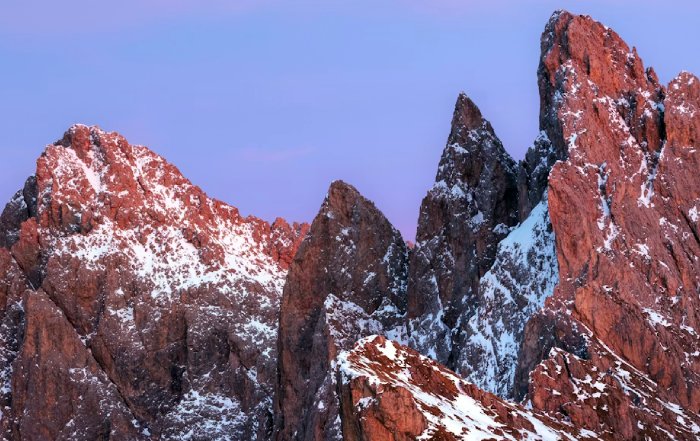
Via Ferrata and Glacial Lakes: An Active Adventure in the Italian Dolomites
The Dolomites: Where Alpine Drama Meets Active Ambition
The Italian Dolomites stand at a powerful intersection of natural spectacle, athletic ambition, and responsible travel, drawing a global audience from the United States, United Kingdom, Germany, Canada, Australia, and far beyond. For readers of xdzee.com, whose interests span sports, adventure, travel, business, lifestyle, and performance, this mountain range in northeastern Italy offers a living laboratory where physical challenge, environmental ethics, and premium brand experiences converge in a single alpine arena. Rising sharply from tranquil valleys and glacial lakes, the Dolomites, recognized as a UNESCO World Heritage Site, combine geological uniqueness with a century-old mountaineering culture that has evolved into today's highly structured via ferrata routes and meticulously managed hiking and climbing infrastructure. Travelers who seek to understand how modern adventure tourism balances innovation, safety, and sustainability will find the Dolomites an ideal case study, one that aligns closely with the editorial mission and audience expectations of xdzee.com.
Understanding Via Ferrata: History, Technique, and Appeal
The via ferrata, literally "iron path," is a concept that bridges the gap between hiking and technical climbing, offering secured routes equipped with steel cables, ladders, rungs, and bridges that allow non-expert climbers to ascend exposed rock faces with a level of safety and accessibility previously reserved for elite alpinists. Historically, many of these routes in the Dolomites trace their origins to World War I, when Italian and Austro-Hungarian troops fortified steep ridges and passes, a legacy documented by institutions such as the Museo Storico Italiano della Guerra and complemented by broader historical perspectives from resources like the Imperial War Museums in the UK. Over time, these military paths evolved into recreational routes, and by the late twentieth century the Dolomites had become synonymous with via ferrata tourism, attracting visitors from Europe, North America, and Asia who sought physically demanding but structured challenges in a controlled environment.
The modern via ferrata experience in the Dolomites is underpinned by standardized equipment and techniques that emphasize both safety and performance. Specialized lanyard systems with energy absorbers, certified helmets, and harnesses are now widely available from leading outdoor brands, many of which are profiled in depth on xdzee's brands section, reflecting a maturing industry that merges technical innovation with consumer trust. Organizations such as the UIAA - International Climbing and Mountaineering Federation provide safety standards and best practices that inform guide training, route grading, and equipment certification, ensuring that visitors from Japan, South Korea, Singapore, and other advanced outdoor markets can rely on consistent quality and risk management. For those who want to understand the broader context of mountaineering safety and ethics, resources from the American Alpine Club and British Mountaineering Council offer invaluable background that complements the practical, on-the-ground learning that occurs on the iron paths themselves.
Glacial Lakes: The Reflective Counterpoint to Vertical Exposure
While via ferrata routes provide an intense vertical experience, the glacial lakes of the Dolomites offer a horizontal counterpoint of stillness and reflection, both literally and metaphorically. Iconic waters such as Lago di Braies, Lago di Sorapis, and the lakes around the Tre Cime di Lavaredo have become global visual signatures of the region, frequently appearing in international travel media, social feeds, and corporate campaigns. These lakes, formed by ancient glacial activity and fed by snowmelt and alpine springs, are more than picturesque backdrops; they serve as sensitive indicators of climate change, hydrological shifts, and tourism pressure, topics examined in depth by institutions like the European Environment Agency and the Intergovernmental Panel on Climate Change, whose reports help frame responsible travel discussions for informed audiences.
For readers of xdzee's travel coverage, the Dolomites' glacial lakes present a complex narrative that blends leisure, photography, and athletic training with environmental stewardship. Increasingly, visitors from China, Brazil, South Africa, and New Zealand arrive with heightened awareness of the fragility of alpine ecosystems, influenced by global reporting from outlets such as National Geographic and the BBC. Many of these travelers integrate lake visits into multi-day itineraries that combine via ferrata stages with trail running, high-altitude hiking, and even cold-water immersion practices that intersect with wellness and performance trends, subjects frequently explored in xdzee's lifestyle features. The lakes, therefore, become not only scenic highlights but also focal points for discussions about sustainable access, crowd management, and the psychological benefits of nature immersion in an increasingly urbanized world.
Performance, Preparation, and Safety in High-Altitude Adventure
For a business-savvy audience attentive to performance, safety, and risk management, the Dolomites offer a revealing example of how structured adventure can be designed, marketed, and delivered in line with modern expectations. A successful via ferrata and glacial lake itinerary requires careful preparation that mirrors professional project planning: objective assessment of conditions, evaluation of personal and team capabilities, equipment checks, contingency planning, and clear decision-making protocols. Alpine guides certified under frameworks such as the IFMGA - International Federation of Mountain Guides Associations embody a standard of expertise that resonates with executive and entrepreneurial readers, because their role requires a blend of technical mastery, leadership, and situational awareness comparable to high-stakes business environments.
Safety in this context is not an abstract concept but a practical framework shaped by organizations like the Italian Alpine Club (CAI) and informed by research from bodies such as Swiss Alpine Club SAC and Alpine Club of Canada, which track incident data, route conditions, and best practices. For xdzee's audience, this alignment between mountain safety protocols and corporate risk governance underscores the value of structured adventure as a training ground for decision-making under pressure. Those interested in broader safety perspectives can explore xdzee's safety insights, which often parallel the principles applied in alpine environments: clear communication, redundancy in critical systems, and a culture that encourages speaking up about emerging risks. In the Dolomites, these principles manifest in route signage, weather advisories, avalanche bulletins, and clear grading systems that help visitors from Norway, Sweden, Finland, and Denmark calibrate their ambitions to realistic, safe objectives.
Innovation, Infrastructure, and the Business of Adventure Tourism
The Dolomites' via ferrata and glacial lake experiences are supported by an increasingly sophisticated infrastructure that demonstrates how innovation, branding, and public-private collaboration can create resilient tourism ecosystems. Regional authorities in Trentino-Alto Adige/Südtirol and Veneto, in cooperation with local tourism boards and private operators, have invested in lifts, trail maintenance, digital mapping, and rescue services that make the region accessible to visitors from North America, Asia, and Africa without sacrificing its alpine character. Digital platforms such as Komoot, Outdooractive, and AllTrails have become essential planning tools, integrating GPS navigation, route descriptions, and user reviews that complement official information from the Italian National Tourist Board and local mountain guide associations.
For business leaders and investors tracking the outdoor sector, the Dolomites illustrate how destination branding, product innovation, and sustainability can be integrated into a coherent strategy. Global sportswear and equipment companies, including Salewa, La Sportiva, and The North Face, leverage the Dolomites as testing grounds and marketing backdrops, aligning their performance narratives with real-world alpine challenges. Analysts following the outdoor and travel industries through platforms such as McKinsey & Company, Deloitte, or PwC can observe how post-pandemic travel patterns, remote work, and wellness trends have shifted consumer preferences toward active, nature-based experiences that blend physical challenge with mental restoration. Readers who want to connect these macro trends with specific brand strategies will find relevant coverage in xdzee's business section, where the intersection of performance gear, digital platforms, and experiential travel is a recurring theme.
Ethics, Environment, and the Responsibility of the Modern Adventurer
As via ferrata and glacial lakes in the Dolomites attract growing numbers of visitors from France, Italy, Spain, Netherlands, Switzerland, and beyond, questions of ethics and environmental responsibility move from the margins to the center of the conversation. The pressures of overtourism, carbon-intensive travel, and social media-driven visitation patterns challenge both local communities and global travelers to rethink what responsible adventure looks like in 2026. Organizations such as Leave No Trace Center for Outdoor Ethics and WWF provide guiding principles on minimizing environmental impact, while policy frameworks from the European Commission and national governments shape regulations on protected areas, wildlife corridors, and infrastructure development.
For the xdzee audience, which engages deeply with questions of innovation and ethics, the Dolomites serve as a vivid case where technological progress, economic opportunity, and ecological limits must be balanced with care. Articles in xdzee's ethics section often highlight the importance of informed consent, local community participation, and transparent governance in tourism development, themes that apply directly to decisions about new via ferrata routes, lake access restrictions, and the management of short-term rental markets in mountain towns. Travelers from Singapore, Malaysia, Thailand, and other rapidly growing outbound markets increasingly seek guidance on how to align their personal adventures with global sustainability goals, drawing on research from bodies like the UN World Tourism Organization and World Resources Institute, which examine the environmental and social impacts of tourism at scale.
Culture, History, and the Human Dimension of the Dolomites
Beyond physical exertion and environmental considerations, the Dolomites offer a rich cultural and historical tapestry that deepens the meaning of any via ferrata or glacial lake journey. The region's Ladin, Italian, and German-speaking communities have shaped a unique cultural landscape that blends alpine traditions, culinary heritage, and architectural styles, providing a human counterpoint to the stark rock towers and icy waters. Museums such as the Messner Mountain Museum, founded by legendary alpinist Reinhold Messner, explore the spiritual, historical, and cultural dimensions of mountains worldwide, inviting visitors to see their Dolomite experience not just as a physical challenge but as part of a broader human story.
For xdzee readers who value cultural literacy alongside athleticism, the Dolomites provide ample opportunity to explore how history, identity, and landscape interact. World War I relics on certain via ferrata routes, traditional rifugi (mountain huts) serving regional cuisine, and seasonal festivals in valleys like Val Gardena or Alta Badia all contribute to an experience that transcends simple outdoor recreation. Those interested in the cultural and geopolitical contexts of mountain regions can find complementary analysis in xdzee's world coverage, which frequently situates local stories within global narratives about identity, heritage, and cross-border cooperation. In this way, a climb on an iron path or a quiet moment by a turquoise lake becomes part of a larger reflection on how communities in Europe, Asia, Africa, and South America negotiate modernity while preserving distinct cultural identities.
Careers, Skills, and the Professionalization of Adventure
The rise of via ferrata tourism and glacial lake visitation in the Dolomites has also generated new professional pathways that align with the career-focused interests of xdzee's audience. Mountain guiding, outdoor instruction, rescue services, hospitality management, and adventure media production now form an interconnected ecosystem of jobs that require specialized skills, certifications, and cross-cultural competencies. Training programs recognized by bodies such as IFMGA, UIAGM, and national mountain guide associations in Italy, France, Switzerland, and Germany create structured career ladders for aspiring professionals who wish to build livelihoods around alpine environments.
Readers exploring career transitions or new opportunities in the outdoor sector can benefit from perspectives shared in xdzee's jobs section, where discussions often focus on transferable skills, from risk assessment and leadership to storytelling and digital marketing. The Dolomites, as a mature yet evolving adventure destination, illustrate how local economies can diversify through high-value, skills-intensive roles rather than purely volume-driven tourism models. Reports from organizations like the World Economic Forum and OECD on the future of work and sustainable tourism provide additional context, highlighting how mountain regions in North America, Europe, and Asia-Pacific are experimenting with models that balance economic resilience, environmental protection, and community well-being.
Positioning the Dolomites within a Global Adventure Landscape
In a world where active travelers can choose between the Rockies, the Alps, the Southern Alps of New Zealand, the Drakensberg in South Africa, or the Patagonian Andes of South America, the Dolomites maintain a distinctive position. Their combination of via ferrata infrastructure, glacial lake aesthetics, deep historical layering, and high service standards allows them to compete effectively for discerning travelers from United States, Canada, United Kingdom, and other advanced markets. Comparative analyses by travel authorities such as Lonely Planet and Condé Nast Traveler frequently highlight the Dolomites as a top-tier destination for those seeking a balance between raw nature and refined hospitality, an equilibrium that aligns closely with the expectations of xdzee's audience.
This global positioning is reinforced by strong connectivity, with major airports in Venice, Verona, Innsbruck, and Munich offering access to the region, and by digital storytelling that showcases the Dolomites across platforms from YouTube to premium streaming documentaries. For xdzee readers evaluating where to invest their limited time and travel budgets, the Dolomites' ability to deliver sports-level exertion, adventure credentials, and culturally rich travel experiences within a single trip is a compelling proposition. Coverage in xdzee's destination section often emphasizes this multi-dimensional value, helping readers compare the Dolomites with other mountain regions in Asia, Africa, and North America not only on scenery but on depth of experience, safety infrastructure, and long-term sustainability.
Why the Dolomites Matter to the xdzee.com Community in 2026
For the community that turns to xdzee.com for insight into sports, adventure, travel, business, lifestyle, innovation, and ethics, the Italian Dolomites in 2026 represent far more than a picturesque backdrop for alpine holidays. They embody a sophisticated convergence of performance-focused sport, carefully managed risk, environmental responsibility, cultural richness, and evolving business models in the global outdoor economy. The via ferrata routes invite individuals to test their physical and mental limits in a structured, safety-conscious framework that resonates with an audience accustomed to optimizing performance in professional and personal arenas. The glacial lakes offer moments of reflection and environmental awareness, reminding visitors of the fragility and beauty of high-altitude ecosystems at a time when climate change is reshaping landscapes from Greenland to the Himalayas.
The Dolomites also serve as a real-world example of how innovation and ethics can be integrated into destination development, aligning closely with themes explored in xdzee's innovation coverage and ethical analyses. From digital mapping and rescue technology to community-driven tourism strategies and cultural preservation efforts, the region demonstrates that ambitious adventure and responsible stewardship are not mutually exclusive but mutually reinforcing. As readers from Germany, Netherlands, Switzerland, Japan, Singapore, and beyond look for destinations that reflect their values as much as their aspirations, the Dolomites stand out as a compelling model.
In this sense, an active adventure through via ferrata routes and glacial lakes in the Italian Dolomites is not merely a journey through dramatic landscapes; it is a lived exploration of the very themes that define xdzee's editorial perspective: the pursuit of excellence, the importance of trust and expertise, the centrality of ethics in modern decision-making, and the enduring human desire to connect deeply with both nature and culture.