

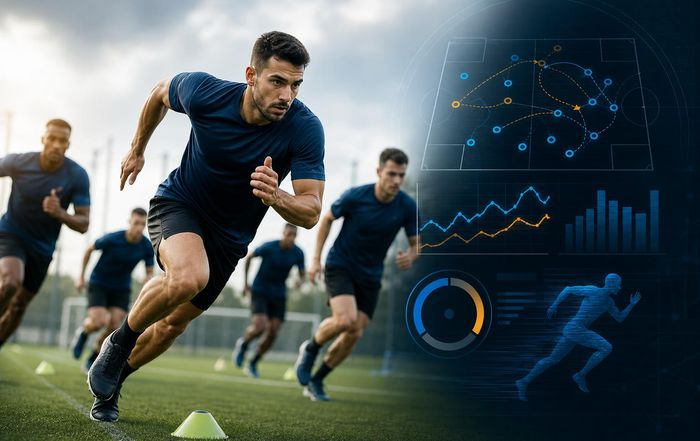
Sports Performance Insights From Team Training
The New Performance Frontier: Why Team Training Matters More Than Ever
Elite sport has entered a phase in which marginal gains are no longer enough and integrated, data-driven team training has become the decisive competitive edge across leagues and disciplines. From the packed arenas of the NBA and Premier League to the high-altitude training centers serving endurance athletes in Europe, Asia, Africa, and the Americas, the most successful organizations are those that have transformed training environments into living laboratories where physiology, psychology, technology, and culture are continuously measured and refined. For the global audience of xdzee.com, whose interests span sports, adventure, travel, lifestyle, business, brands, and innovation, the evolution of team training is not just a technical story about drills and metrics; it is a broader narrative about how high-performance principles are reshaping how people work, move, compete, and even choose destinations and careers.
Modern performance programs are now influenced by research from institutions such as Harvard Medical School and Stanford Medicine, which have highlighted the intricate interplay between physical load, cognitive function, sleep quality, and long-term health. At the same time, global sports bodies including FIFA and the International Olympic Committee have set new standards for athlete welfare, concussion protocols, and safe return-to-play criteria, pushing clubs and national teams to build more robust, science-driven training systems. In this environment, team training is no longer a closed practice behind stadium gates; it is a strategic asset that influences sponsorship value, media narratives, fan engagement, and the broader performance culture that xdzee.com covers daily across its sections on sports and performance, business, lifestyle, and world news.
Integrated Performance Models: From Isolated Workouts to Holistic Systems
The defining shift in team training over the past decade has been from fragmented, coach-driven routines to integrated performance models that align coaching, sports science, medical support, analytics, and leadership under a single strategic framework. Leading clubs in the English Premier League, Bundesliga, La Liga, and Major League Soccer have adopted structures similar to those used in high-reliability industries, where data flows seamlessly between departments and decisions are made based on shared dashboards rather than intuition alone. Organizations such as UK Sport and the Australian Institute of Sport have published frameworks showing how coordinated planning across strength and conditioning, technical skill work, and recovery can significantly reduce soft-tissue injuries while improving match availability and peak performance windows.
In North America, the NBA and NFL have seen an explosion of performance departments staffed with PhD-level scientists, data engineers, and behavioral specialists who work alongside traditional coaches to design training blocks that are periodized not only around competition calendars but also around player biometrics, travel fatigue, and even circadian rhythms. Learn more about how integrated performance models are influencing global sport through resources from The Lancet Sport and Exercise Medicine, which increasingly highlight interdisciplinary approaches. For readers of xdzee.com, these models echo trends seen in adventure and expedition planning, where safety and risk management are treated as system-level challenges rather than individual responsibilities.
Data, Wearables, and the Quantified Team
The rapid adoption of wearable technology and advanced tracking systems has transformed team training into an exercise in continuous measurement. GPS trackers, inertial sensors, heart rate variability monitors, and smart clothing now generate millions of data points per session, which are then analyzed by performance analysts using tools similar to those employed by MIT's Sports Lab and Carnegie Mellon University in their research collaborations with professional teams. These systems do far more than count distance covered or sprints completed; they model mechanical load on joints, detect asymmetries that may precede injury, and correlate external work with internal physiological responses.
In football, rugby, and field hockey, coaches can now monitor real-time intensity zones, deceleration forces, and high-speed running thresholds, allowing them to adjust drills on the fly to avoid overtraining key players before critical fixtures. In basketball and handball, optical tracking systems similar to those pioneered by Second Spectrum have enabled teams to analyze spatial patterns in training games, optimizing spacing, defensive rotations, and off-ball movement. Organizations such as FIFA's Medical Centre of Excellence and World Rugby regularly share guidance on how to interpret such data responsibly, emphasizing that athlete privacy and ethical use of biometrics must remain central, a theme that aligns closely with the values expressed in the ethics coverage at xdzee.com.
For adventure and endurance athletes, similar technologies are now used in team-based expeditions, ultra-trail crews, and cycling teams, where data-driven pacing strategies and altitude adaptation protocols can make the difference between success and failure. Readers interested in how these tools translate to personal training and lifestyle choices can explore how high-performance monitoring concepts are influencing broader wellness and lifestyle trends across North America, Europe, and Asia.
High-Performance Coaching: Blending Art, Science, and Leadership
While technology and data have advanced rapidly, the core of team training remains the relationship between coaches, athletes, and support staff. High-performance coaching in 2026 is defined by the ability to synthesize complex information from sports science, psychology, and tactical analysis into clear, actionable messages that resonate with diverse groups of players. Influential figures such as Pep Guardiola, Jürgen Klopp, Erik Spoelstra, and Steve Kerr have demonstrated how emotionally intelligent leadership, clear tactical identity, and trust-based communication can transform training sessions into powerful cultural rituals that reinforce shared standards and collective purpose.
Coaching education programs led by organizations like UEFA and US Soccer increasingly emphasize evidence-based methodologies, reflective practice, and athlete-centered communication, drawing on research from bodies such as the American Psychological Association. Learn more about how modern coaching integrates mental skills training and resilience building as core components rather than optional extras. For the xdzee.com audience, which includes professionals in business and leadership roles, the parallels between high-performance coaching and executive leadership are striking: both require setting clear vision, aligning teams around shared goals, managing pressure, and creating environments where individuals feel both supported and accountable, themes often explored in the platform's business and jobs sections.
Mental Performance, Culture, and the Psychology of Team Success
As the physical preparation of elite athletes has become more standardized, the differentiating factor for many teams now lies in mental performance and culture. Sports psychologists, performance coaches, and cultural architects have become integral members of training staffs in leagues across the United States, United Kingdom, Germany, Spain, Italy, and beyond. Their work is informed by research from institutions such as The University of Oxford and The University of Toronto, which explore topics ranging from motivation and focus to social cohesion and identity within teams.
In practical terms, this means that training sessions often include structured mental skills components such as visualization, mindfulness, and pressure simulation, as well as debriefs that help athletes develop self-awareness and shared language around performance. Learn more about the science of resilience and mental toughness through resources provided by The American College of Sports Medicine, which highlight how psychological readiness influences not only short-term results but long-term career sustainability. For xdzee.com, whose readers also follow culture and lifestyle stories, the cultural dimension of team training is particularly relevant, as it reveals how values, rituals, and narratives are crafted deliberately to bind individuals from different countries and backgrounds into a cohesive unit.
This cultural engineering is visible not only in top football clubs and NBA franchises but also in national teams preparing for the Olympic Games, Rugby World Cup, and Cricket World Cup, where athletes from diverse regions such as South Africa, Brazil, Japan, and Scandinavia must quickly establish trust and shared standards. The most successful programs treat culture as a living system that is reinforced daily through behaviors in training, from punctuality and communication to how players respond to mistakes and setbacks.
Load Management, Recovery, and the Science of Longevity
One of the most significant insights to emerge from modern team training is that performance is as much about intelligent recovery as it is about hard work. Load management, once a controversial term associated with star players sitting out regular season games, is now understood as a sophisticated process of balancing stress and recovery to maximize availability and extend careers. Organizations such as The National Institutes of Health and Mayo Clinic have published extensive research on sleep, inflammation, and overuse injuries, which has influenced how clubs design weekly training cycles, travel schedules, and nutritional support.
In practice, this has led to training plans that incorporate individualized micro-dosing of high-intensity work, targeted strength sessions to protect vulnerable joints, and structured recovery modalities such as contrast therapy, massage, and active recovery games. Learn more about evidence-based recovery strategies through resources from Cleveland Clinic, which discuss how sleep quality, hydration, and nutrition interact with physical training. For adventure and travel enthusiasts who follow xdzee.com's destination and adventure coverage, the same principles apply to multi-day expeditions, long-haul flights to competition venues, and high-altitude trekking, where careful planning of workload and rest can prevent fatigue-related accidents and optimize enjoyment.
In Europe and Asia, where congested competition calendars in football, basketball, and handball place enormous stress on athletes, sophisticated recovery strategies have become a non-negotiable part of team training. Clubs in Germany, Spain, and Italy increasingly collaborate with sleep scientists and chronobiologists to schedule sessions at optimal times and to mitigate the effects of travel across time zones, a consideration particularly relevant for global tours in North America and Asia that combine competition with brand expansion and fan engagement.
Safety, Risk, and Ethical Responsibility in Team Training
With growing awareness of concussion, overuse injuries, and long-term health risks, safety has moved from the margins to the center of team training design. Governing bodies such as The Centers for Disease Control and Prevention and World Health Organization have issued guidelines on safe training practices, concussion management, and youth athlete protection, which professional clubs and academies in the United States, United Kingdom, Canada, Australia, and Europe are now expected to follow rigorously. Training drills that once prioritized intensity at all costs are being re-evaluated through the lens of risk-benefit analysis, with contact loads monitored carefully in sports such as American football, rugby, and ice hockey.
Learn more about evolving concussion protocols and athlete protection standards through the NHS and similar public health resources, which increasingly inform club medical policies. For xdzee.com, which places strong emphasis on safety and ethics, this shift underscores how responsible training is now viewed as an ethical obligation, not merely a competitive choice. Teams are expected to demonstrate that their training methods respect human limits, safeguard long-term brain and joint health, and provide transparent communication to athletes about risks and options.
This ethical lens extends beyond physical safety to include data privacy, informed consent regarding biometric monitoring, and fair treatment of younger or lower-paid athletes within professional systems. As technology enables ever more granular tracking of performance and health markers, clubs must navigate questions about who owns the data, how it is stored, and how it may affect contract negotiations or selection decisions, issues that resonate with broader debates about digital privacy and workplace surveillance in other industries.
Innovation, Technology, and the Future of Team Preparation
Innovation in team training is accelerating rapidly, driven by advances in artificial intelligence, virtual and augmented reality, and biomechanical modeling. In 2026, leading organizations across Europe, North America, and Asia are experimenting with AI-assisted planning tools that can simulate the impact of different training loads, tactical emphases, and rotation strategies on performance and injury risk. Research centers such as ETH Zurich and Imperial College London are collaborating with clubs to develop predictive models that integrate GPS data, force-plate outputs, and medical histories to flag early warning signs of overload.
Virtual reality systems are being used to train decision-making and pattern recognition in sports such as American football, basketball, and motorsport, allowing athletes to experience high-pressure scenarios without the physical toll. Learn more about how immersive technologies are reshaping training across industries through insights from MIT Technology Review, which regularly covers sports applications. For xdzee.com, whose readers are deeply engaged with innovation and performance trends, these developments illustrate how the boundaries between sports technology, gaming, and enterprise software are blurring, creating new opportunities for startups and established brands alike.
In adventure and travel contexts, similar technologies are being used to simulate routes, weather conditions, and emergency scenarios for expedition teams and adventure races, enhancing preparation and safety. This convergence of sports science, outdoor adventure, and digital innovation aligns closely with the multifaceted interests of the xdzee.com community, which spans sports fans, travelers, entrepreneurs, and professionals seeking to apply high-performance insights to their own pursuits.
Globalization, Travel, and Destination-Driven Training Strategies
As sport continues to globalize, team training is increasingly influenced by travel, climate, and geography. Clubs from the United States, United Kingdom, Germany, and other major markets now conduct pre-season training camps in locations ranging from the mountains of Switzerland and Austria to the heat of the Middle East and the humidity of Southeast Asia, tailoring their preparation to upcoming competition environments and commercial objectives. Learn more about how climate and altitude affect performance through resources from National Geographic, which has long documented the physiological impact of extreme environments.
For xdzee.com, whose readers follow travel and destination stories alongside sports and business news, this intersection of performance and geography is particularly compelling. Teams now choose training destinations not only for climate and facilities but also for brand growth, fan engagement, and content creation opportunities, aligning their schedules with key markets in Asia, North America, and the Middle East. This has led to specialized high-performance centers in locations such as Qatar, Dubai, California, and Japan, where world-class infrastructure, sports medicine, and hospitality converge.
At the same time, national teams preparing for global tournaments must design training camps that account for jet lag, cultural adaptation, and local conditions, often using simulation chambers and environmental controls to acclimate players before they travel. These practices mirror those used by adventure travelers and expedition leaders who plan for altitude, heat, and cold in destinations from the Andes and Himalayas to the deserts of Africa and the ice fields of Scandinavia, reflecting a shared understanding that environment is a critical performance variable.
Commercial Impact: Brands, Business, and the Economics of Performance
The evolution of team training has significant implications for brands, sponsors, and the broader sports business ecosystem. In 2026, performance credibility has become a key differentiator for equipment manufacturers, nutrition companies, and technology providers, who increasingly partner with elite teams to validate their products in high-intensity training environments. Learn more about the commercial side of sport and performance through analyses from Deloitte's Sports Business Group, which track how investment in performance infrastructure correlates with on-field success and commercial growth.
For xdzee.com, which covers brands and business trends alongside sports and lifestyle, the integration of performance narratives into brand storytelling is a central theme. Companies that can demonstrate genuine contributions to athlete health, safety, and performance-whether through innovative footwear, recovery technology, or data platforms-are better positioned to build trust with increasingly informed consumers. This is particularly true in markets such as the United States, United Kingdom, Germany, China, and Japan, where fans follow behind-the-scenes training content closely and expect transparency about methods and technologies used.
In parallel, the professionalization of performance departments has created new career paths for sports scientists, analysts, and technologists across Europe, North America, Asia, and beyond, aligning with the interests of readers exploring jobs and career opportunities in sport and performance. Universities and institutes in countries such as Australia, Canada, and the Netherlands now offer specialized programs in performance analytics, strength and conditioning, and sports technology, feeding a global talent pipeline that supports both elite teams and the growing market for consumer performance products and services.
What It Means for the Loyal Xdzee.com Adventure Sport Community
For the global audience of xdzee.com, like fans, travelers, adventurers, entrepreneurs, and professionals across continents, the transformation of team training offers a rich source of insights that extend far beyond the playing field. The principles that underpin modern high-performance programs-integrated planning, data-informed decision-making, ethical responsibility, cultural coherence, and intelligent risk management-are increasingly relevant in business, personal fitness, adventure planning, and lifestyle design. As readers follow sports and performance coverage alongside world news, business analysis, and innovation features, they encounter a consistent theme: the most successful teams and organizations are those that treat performance as a holistic, long-term endeavor grounded in trust, expertise, and continuous learning.
So xdzee.com is positioned as a platform where the lessons of elite team training meet the realities of everyday life and global business, connecting insights from stadiums, training centers, and expedition camps with the ambitions of readers in the United States, Europe, Asia, Africa, and the Americas. As sports continue to evolve under the influence of technology, science, and globalization, the site's commitment to experience, expertise, authoritativeness, and trustworthiness ensures that its coverage of sports performance and team training will remain a valuable guide for anyone seeking to understand not only how champions are made, but also how high-performance thinking can inform smarter, safer, and more fulfilling choices in work, travel, and life.