

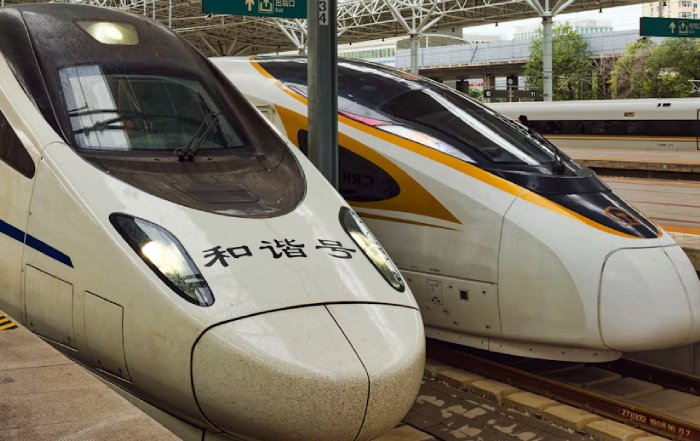
Scenic Trains and Consumer Plans: China's Strategy to Stimulate Spending
Introduction: Experience-Led Growth in a Cautious Consumer Era
As global growth remains uneven and households from the United States to Europe and Asia display greater caution in discretionary spending, China is advancing a distinctive strategy that blends infrastructure, tourism, lifestyle experiences and targeted policy to unlock domestic consumption. At the center of this evolving approach are scenic trains, upgraded rail corridors and integrated consumer plans that seek not only to move people efficiently, but also to immerse them in curated journeys across mountains, coastlines, heritage towns and emerging urban hubs. For a global audience following developments through platforms such as xdzee.com, which focuses on travel, adventure, business and world trends, China's rail-driven consumption strategy offers a revealing case study in how experience, technology, culture and policy can converge to shape new patterns of spending.
China's approach is unfolding at a time when many advanced and emerging economies are searching for ways to support sustainable, inclusive and innovation-led growth. Institutions such as the International Monetary Fund highlight how domestic demand and services are increasingly central to global economic resilience; readers can explore how this shift is playing out in different regions through resources like the IMF's global outlook. In this environment, China's combination of scenic rail tourism, digital consumer ecosystems and regional development plans is being closely watched by policymakers, investors, travel brands and job seekers from North America and Europe to Asia-Pacific, all of whom are seeking insight into where the next wave of opportunities might emerge.
Scenic Trains as Economic Engines, Not Just Tourist Attractions
China's investment in scenic trains is not simply a tourism initiative; it is part of a broader consumption and regional development strategy that aligns transport infrastructure with local service economies, hospitality clusters and cultural industries. Over the past decade, the country has built the world's largest high-speed rail network, and now it is layering on themed routes and panoramic services that transform journeys into experiences, with upgraded carriages, observation decks, localized cuisine and curated storytelling about landscapes and communities along the way. For global readers accustomed to iconic routes such as the Glacier Express in Switzerland or the transcontinental services in Canada and Australia, the Chinese model reflects a deliberate effort to create comparable flagship experiences that also serve domestic policy objectives.
Organizations such as China Railway and provincial tourism boards are working in tandem with local governments and private operators to design routes that link major cities with lesser-known destinations, thereby redistributing visitor flows and encouraging spending in smaller towns and rural areas. To understand how rail is reshaping mobility worldwide, readers can review data and analysis from the International Union of Railways. In China's case, scenic trains are being positioned as catalysts for new hospitality ventures, outdoor sports activities, cultural festivals and branded retail experiences, many of which are of interest to audiences tracking sports, lifestyle and performance trends on xdzee.com.
Domestic Consumption and the "Experience Economy" in China
The emphasis on scenic trains reflects a broader shift in China's economic model from investment and export-led growth toward domestic consumption and services, a transition that institutions such as the World Bank have been monitoring for years; readers can explore structural changes in China's economy for a deeper macroeconomic perspective. As Chinese households in urban centers from Beijing and Shanghai to Chengdu and Shenzhen move up the income ladder, their spending patterns increasingly prioritize experiences-short breaks, wellness retreats, sports events, cultural activities-over purely material goods. This mirrors consumer behavior in markets such as the United States, United Kingdom, Germany and Australia, where younger demographics in particular are allocating more of their budgets to travel, dining and leisure.
Scenic trains fit naturally into this experience economy. They offer a relatively accessible form of travel that combines transportation with sightseeing, relaxation and social media-friendly moments, while also providing a sense of safety and predictability that appeals to families, older travelers and international visitors from Europe, North America and Asia-Pacific. Research from organizations such as the OECD on tourism and regional development helps illustrate how such experiences can support local jobs, small businesses and cultural preservation; interested readers can learn more about sustainable tourism policies. For xdzee.com, which covers destination stories and cross-border culture, these trends underscore how consumption is increasingly tied to narratives, identity and shared experiences rather than simple transactions.
Scenic Rail Corridors and the Geography of Opportunity
China's scenic trains are also instruments for reshaping the economic geography of the country, connecting coastal megacities with inland provinces and frontier regions that have historically lagged behind in income and infrastructure. Routes that traverse mountainous regions, desert edges or river valleys are being designed not only for their visual appeal but also for their potential to unlock new clusters of tourism, outdoor sports and cultural industries. This approach parallels how countries such as Switzerland and Japan have used rail to integrate remote regions into national and global tourism circuits; readers can compare these models by examining resources from Switzerland Tourism via its official site or from Japan National Tourism Organization through its travel portal.
In China, provincial governments are aligning their development plans with national initiatives that promote "all-for-one tourism," rural revitalization and green development. Scenic corridors are being mapped to connect heritage towns, nature reserves, ski resorts, hot spring areas and coastal leisure zones, creating multi-stop itineraries that encourage longer stays and higher per-capita spending. By integrating these routes with local bus networks, cycling paths and walking trails, planners aim to create seamless mobility ecosystems that support adventure activities-from hiking and trail running to winter sports and water-based recreation-areas that resonate strongly with xdzee.com readers who follow adventure and sports content.
Consumer Plans, Vouchers and the Architecture of Spending
Beyond infrastructure, China is experimenting with an array of consumer plans, digital vouchers and incentive schemes designed to stimulate spending in targeted sectors such as tourism, hospitality, cultural events and green consumption. Municipal governments in major cities, as well as prefecture-level administrations in emerging destinations, have issued travel coupons, accommodation subsidies and festival discounts that are accessible through popular super-apps and local government platforms. This digital-first approach reflects the country's advanced payments ecosystem and the integration of transport, booking and retail into unified mobile interfaces, a phenomenon that global observers can contextualize by reviewing analysis from organizations such as McKinsey & Company; readers can explore insights on digital consumer behavior.
These consumer plans are often tied to scenic train routes, with bundled offers that include rail tickets, hotel stays, attraction passes and even sports or wellness packages. For example, a traveler might receive a discount on a high-altitude scenic route if they also book a stay in a nearby eco-lodge or purchase tickets to a local cultural performance. This bundling strategy aims to increase average transaction values while distributing spending across multiple segments of the local economy, from small family-run restaurants to branded retail outlets and adventure operators. For businesses and brands tracking opportunities via xdzee.com's brands and business sections, understanding how these consumer plans are structured is crucial for designing partnerships and localized offerings.
Safety, Reliability and Trust in Rail-Based Tourism
For any mobility-centered consumption strategy to succeed, safety and reliability must be paramount, particularly when courting international travelers from regions such as Europe, North America and Southeast Asia who may have varying perceptions of risk. China's rail system has been subject to extensive regulatory oversight and continuous upgrades, with authorities emphasizing punctuality, maintenance standards and emergency response capabilities. International organizations such as the International Transport Forum provide comparative data and policy recommendations on transport safety; readers can learn more about rail safety frameworks.
Scenic trains, by their nature, often traverse challenging terrain and weather conditions, making robust safety protocols essential. Enhanced inspection regimes, real-time monitoring systems and staff training programs are being deployed to ensure that panoramic experiences do not come at the expense of operational integrity. For a business-oriented audience attuned to risk management and governance, and for readers interested in safety and ethics, this focus on trustworthiness is central to the long-term viability of rail-based tourism. It also reflects a broader trend in global travel, where transparent safety standards and reliable communication during disruptions are increasingly key differentiators for destinations and operators.
Innovation, Digital Experiences and Smart Tourism Platforms
China's scenic trains and consumer plans are deeply intertwined with digital innovation, from dynamic pricing algorithms and AI-powered demand forecasting to immersive on-board content that enhances the travel experience. Operators are experimenting with augmented reality windows, location-based storytelling and personalized recommendations delivered through mobile apps, which guide passengers to local attractions, restaurants and events as they approach each station. This fusion of physical journeys with digital layers aligns with global trends in smart tourism and connected mobility, themes that technology and travel professionals can explore further through platforms such as the World Economic Forum, which regularly publishes insights on travel and tourism innovation.
The integration of scenic trains into broader smart city and smart destination strategies is particularly evident in regions that are positioning themselves as hubs for innovation, creative industries and sustainable urban development. Digital passes that combine public transport, bike sharing, museum entry and retail discounts are being piloted in several Chinese cities, echoing models seen in European destinations such as Amsterdam and Copenhagen. For readers of xdzee.com who follow innovation and lifestyle developments, these initiatives illustrate how mobility, culture and technology can converge to create differentiated value propositions for residents and visitors alike.
Sustainability, Climate Goals and Responsible Tourism
Any large-scale expansion of tourism and transport infrastructure inevitably raises questions about environmental impact, resource use and long-term sustainability. China has committed to ambitious climate targets, including peaking carbon emissions before 2030 and achieving carbon neutrality by 2060, and rail is a central component of its low-carbon transport strategy. Compared with air and road travel, electric rail offers significantly lower emissions per passenger-kilometer, particularly when powered increasingly by renewable energy sources. Organizations such as the International Energy Agency provide comparative assessments of transport emissions; stakeholders can learn more about sustainable transport pathways.
Scenic trains are being positioned as part of a broader push toward responsible tourism, with efforts to minimize ecological footprints in sensitive mountain, coastal and rural environments. Measures include strict zoning regulations, limits on visitor numbers in fragile areas, investment in waste management and water treatment, and the promotion of eco-certified accommodations along rail corridors. Global frameworks developed by bodies such as the UN World Tourism Organization offer guidance on how destinations can align tourism growth with sustainability goals; readers can explore principles of sustainable tourism development. For xdzee.com, which engages audiences across world and destination coverage, the intersection of scenic travel, climate responsibility and local community benefits is central to evaluating the long-term credibility of China's consumption strategy.
Cultural Heritage, Soft Power and International Perception
Beyond economics and sustainability, scenic trains play a role in projecting cultural narratives and shaping international perceptions of China. Routes that pass through ancient towns, minority regions and historically significant landscapes are being curated to highlight local traditions, crafts, cuisine and festivals, often in collaboration with cultural institutions and heritage organizations. This aligns with a broader global trend in which countries from Italy and France to Japan and South Korea use tourism infrastructure as a platform for soft power, showcasing their cultural richness and contemporary creativity to international audiences. Cultural agencies such as UNESCO provide frameworks for safeguarding heritage sites while integrating them into tourism circuits; interested readers can learn more about cultural heritage management.
For travelers from the United States, United Kingdom, Germany, Canada, Australia and beyond, scenic trains offer an accessible and structured way to engage with China's diverse cultural landscapes, from tea terraces and Buddhist grottoes to modern art districts and tech-driven new towns. The storytelling embedded in these journeys-through on-board guides, digital content and local experiences at each stop-helps shape narratives about China's past, present and future. For xdzee.com, which regularly examines culture, brands and global news, this cultural dimension adds depth to discussions of tourism and consumption, highlighting how travel experiences can influence perceptions, partnerships and even business decisions.
Jobs, Skills and Local Business Development
A core rationale behind China's focus on scenic trains and consumer plans is job creation and skills development, particularly in regions that are transitioning away from resource-dependent or low-productivity sectors. The tourism value chain associated with scenic rail corridors spans train operations, station management, hospitality, food and beverage, retail, adventure guiding, cultural programming and digital services, offering a wide spectrum of employment opportunities. International organizations such as the International Labour Organization have analyzed how tourism can support decent work and inclusive growth; readers can explore labor trends in tourism and services.
In practice, local governments and educational institutions are establishing training programs in hospitality management, tourism marketing, language skills, outdoor safety and digital operations to ensure that communities along scenic routes can capture value from increased visitor flows. For job seekers and professionals following opportunities through xdzee.com's jobs and business sections, these developments signal growing demand for talent that combines service excellence, cross-cultural communication and digital fluency. At the same time, small and medium-sized enterprises-ranging from boutique hotels and cafés to craft studios and adventure outfitters-are being encouraged to develop distinctive offerings that complement rail-based itineraries, creating ecosystems of entrepreneurial activity around stations and key nodes.
Global Comparisons and Lessons for Other Regions
China's strategy of leveraging scenic trains and integrated consumer plans to stimulate spending offers lessons for policymakers and business leaders across regions, from Europe and North America to Africa, South America and Southeast Asia. Countries with underutilized rail networks or rich but dispersed natural and cultural assets can draw on elements of this approach to design their own experience-driven corridors, aligning infrastructure investment with targeted incentives, digital innovation and sustainability frameworks. Comparative insights can be found through organizations such as the World Travel & Tourism Council, which provides global analysis of tourism's economic impact.
For example, European nations such as Spain, Italy and Norway, with their diverse landscapes and existing rail infrastructure, may consider further integrating scenic routes with regional development strategies, while emerging destinations in Africa and South America could explore how rail or other mass transit modes can anchor sustainable tourism growth. In the Asia-Pacific region, markets such as Thailand, Malaysia and New Zealand are already experimenting with nature-based and adventure tourism models that could benefit from enhanced rail connectivity. For a globally oriented platform like xdzee.com, which serves audiences interested in world trends and cross-border travel, these comparative perspectives highlight how China's experience can inform broader debates about inclusive growth, mobility and cultural exchange.
The Role of xdzee.com in Interpreting China's Consumption Strategy
As China's scenic trains and consumer plans evolve, business leaders, investors, travelers and policymakers require nuanced, experience-based analysis that goes beyond headline narratives. xdzee.com is well positioned to provide this perspective by bridging coverage across news, business, lifestyle, performance and innovation, while also highlighting the ethical, cultural and safety dimensions that underpin long-term trust. By tracking how scenic trains influence local economies, consumer behavior, brand strategies and job markets, the platform can offer decision-makers an integrated view of the opportunities and risks associated with China's consumption pivot.
In particular, xdzee.com can draw on on-the-ground experiences, expert commentary and comparative international examples to illuminate how travelers from the United States, United Kingdom, Germany, Canada, Australia, France, Italy, Spain, Netherlands, Switzerland, China and beyond experience these routes, and how their expectations around service quality, digital convenience, safety and sustainability are shaping the evolution of offerings. This experiential lens, combined with rigorous attention to expertise, authoritativeness and trustworthiness, allows the platform to serve as a reliable guide for readers navigating the intersection of travel, business and culture in a rapidly changing global landscape.
Outlook: Scenic Trains as a Barometer of China's Next Consumption Chapter
Looking ahead through 2026 and beyond, the trajectory of China's scenic trains and consumer plans will serve as a barometer of the country's broader transition toward an experience-driven, service-oriented and innovation-led economy. The success of this strategy will depend on the ability of national and local authorities, rail operators, businesses and communities to maintain high standards of safety, environmental stewardship and service quality, while also adapting to shifting consumer preferences and global economic conditions. Institutions such as the Asian Development Bank highlight the importance of resilient, inclusive infrastructure for long-term growth; observers can learn more about regional infrastructure strategies.
For global audiences and stakeholders who follow developments through xdzee.com, the evolution of China's scenic rail ecosystem offers more than a travel story; it is a window into how one of the world's largest economies is reimagining domestic demand, regional development and international engagement. As travelers board panoramic carriages that wind through mountains, along rivers and past historic towns, their journeys reflect a deeper narrative about how experiences, technology, culture and policy are converging to shape the next chapter of global consumption.