

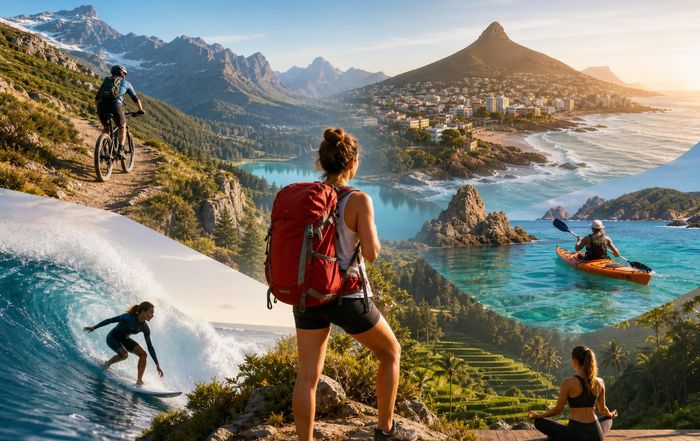
Global Destinations for Active Lifestyle Travelers
Active Lifestyle Travel Comes of Age
Active lifestyle travel has moved from a niche pursuit to a defining trend in global tourism, reshaping how individuals and organizations think about leisure, performance, safety, and long-term well-being. Across North America, Europe, Asia, Africa, and South America, travelers increasingly seek destinations where physical challenge, cultural immersion, and responsible business practices converge, and in this landscape xdzee.com has positioned itself as a dedicated guide for those who want their journeys to be as dynamic and demanding as their everyday lives. Rather than treating sports, adventure, and wellness as separate categories, active travelers now integrate them into a single narrative that spans their careers, personal development, and ethical choices, and they look for destinations that allow them to train, compete, recover, and explore with equal intensity.
This shift is supported by data from organizations such as the World Tourism Organization (UNWTO), which highlights the rapid growth of adventure and nature-based tourism as a core driver of international travel flows, especially among younger and higher-income segments who prioritize experiences over possessions. As more professionals in the United States, United Kingdom, Germany, Canada, Australia, and beyond embrace remote and hybrid work models, the line between business trips and performance-focused getaways continues to blur, encouraging travelers to design itineraries that combine meetings with mountain trails, or conferences with coastal runs. In this evolving environment, sporty news platforms like xdzee.com help active lifestyle travelers navigate a complex global map of opportunities, aligning destinations with individual goals around sports, innovation, ethics, and culture.
Performance-Driven Destinations for Elite and Everyday Athletes
For many active travelers, performance is not a metaphor but a measurable objective, and they choose destinations based on altitude, climate, infrastructure, and access to expert coaching. High-performance training hubs such as Boulder in the United States, St. Moritz in Switzerland, and Iten in Kenya have become magnets for both elite athletes and ambitious amateurs seeking to elevate their capabilities in running, cycling, and triathlon. Organizations like World Athletics and the International Olympic Committee (IOC) have helped standardize training and safety guidelines that local providers adopt, making it easier for travelers to assess the quality and reliability of camps, gyms, and coaching services before they commit to a program abroad. Those planning sports-centric itineraries often turn to specialized resources to explore global sports trends and events, using them as a framework for timing their travel around marathons, triathlons, or major competitions.
On xdzee.com, the daily focus on performance is reflected in curated coverage that connects destinations with specific disciplines, whether that means altitude training in Europe, trail running in South Africa, or road cycling in Spain, and readers can explore these themes in depth through sections such as Performance and Sports. This performance orientation is not limited to elite athletes; professionals from finance in London, tech in San Francisco, and manufacturing in Germany increasingly seek structured training blocks that fit into their annual calendars, using data from wearables, coaching apps, and sports science research to inform where and how they travel. In 2026, the most attractive destinations are those that combine world-class facilities with easy access to nature, reliable connectivity, and robust medical support, creating an integrated ecosystem that supports both physical excellence and career continuity.
Adventure and Safety: Balancing Risk and Responsibility
Adventure travel has always carried an element of risk, but the contemporary active traveler demands a higher standard of safety, transparency, and ethical conduct from operators and destinations. As mountaineering in the Himalayas, backcountry skiing in the Alps, and diving in Southeast Asia have grown in popularity, concerns about overcrowding, environmental degradation, and inconsistent safety standards have become more visible, prompting responses from regulators, insurers, and industry associations. Organizations such as the Adventure Travel Trade Association (ATTA) and the International Climbing and Mountaineering Federation (UIAA) have worked to develop guidelines for responsible adventure operations, while resources from agencies like the U.S. National Park Service help travelers understand safety protocols in remote environments. This has led to a more informed and discerning audience that expects clear communication about risk levels, emergency procedures, and environmental impact.
For xdzee, the interplay between adventure and safety is a central editorial theme, reflected in coverage that connects aspirational destinations with practical guidance on risk management and ethical decision-making. Readers exploring Adventure and Safety content encounter nuanced discussions about when to choose certified guides, how to evaluate local operators, and why certain destinations may no longer be appropriate for specific activities due to climate change or political instability. As active lifestyle travelers from Canada, Australia, the Netherlands, and Scandinavia seek out more remote and technically demanding experiences, from ice climbing in Norway to multi-day treks in Patagonia, they increasingly rely on trusted information sources and established standards to align their appetite for challenge with a responsible approach to personal and collective safety.
Sustainable Travel, Ethics, and the Future of Destinations
The ethics of travel have become a decisive factor for active lifestyle travelers, especially those who recognize that their pursuit of performance and adventure can contribute to environmental stress and social disruption if not managed carefully. The rise of overtourism in iconic destinations, from the national parks of the United States to the historic cities of Europe, has prompted governments, businesses, and non-profits to rethink visitor management, carbon emissions, and local community engagement. Institutions such as the World Travel & Tourism Council (WTTC) and the World Economic Forum (WEF) have published frameworks that encourage companies and destinations to adopt more sustainable business practices, while organizations like the Global Sustainable Tourism Council (GSTC) support certification schemes that help travelers identify responsible operators and accommodations.
Within this context, xdzee.com treats ethics not as an afterthought but as a core dimension of destination selection and lifestyle design, offering readers dedicated coverage in its Ethics and World sections. Active travelers from Germany, France, the United Kingdom, and beyond are increasingly aware of the carbon footprint associated with long-haul flights, the pressure that popular trails and beaches place on local ecosystems, and the importance of fair labor practices in adventure tourism supply chains. They seek destinations and brands that demonstrate transparent commitments to conservation, community benefit, and cultural respect, whether through partnerships with local NGOs, adherence to international sustainability standards, or investment in low-impact infrastructure such as cycling networks and public transit. As a result, the most forward-looking destinations in 2026 are those that can credibly position themselves as stewards of both natural and cultural heritage while still offering high-quality experiences for performance-oriented travelers.
Regional Hotspots: Where Active Travelers Are Heading in 2026
The geography of active lifestyle travel in 2026 reflects a complex interplay of climate, infrastructure, political stability, and brand reputation, with different regions emerging as leaders in specific segments. In North America, the United States and Canada continue to attract hikers, trail runners, and mountain bikers to destinations such as Colorado, British Columbia, Utah, and Quebec, supported by extensive national and provincial park systems that emphasize conservation and access. Resources from organizations like Parks Canada and Leave No Trace help visitors understand responsible outdoor practices, aligning personal adventure with environmental stewardship. Meanwhile, urban centers such as Vancouver, Denver, and Austin market themselves as gateways to outdoor performance, offering a blend of city amenities and nearby wilderness that appeals to professionals seeking balance.
In Europe, countries like Switzerland, Italy, Spain, France, and Norway remain at the forefront of alpine and coastal adventure, with well-developed infrastructure for skiing, cycling, climbing, and sailing. The European Commission and national tourism boards have invested in sustainable mobility and cross-border trail networks that make it easier for travelers to design multi-country itineraries focused on active pursuits, and platforms such as EuroVelo showcase continent-wide cycling routes that connect major cities with remote landscapes. Active lifestyle travelers exploring European options here often move between Travel and Destination content to compare regions like the Dolomites, the Pyrenees, and the fjords of Norway, taking into account not only scenery and difficulty but also local culture, culinary traditions, and seasonal events.
Asia-Pacific: Innovation, Wellness, and High-Intensity Exploration
Across Asia-Pacific, a diverse set of destinations has emerged to serve active travelers seeking everything from high-altitude trekking to surf breaks and integrated wellness retreats. Japan, South Korea, and Singapore have leveraged their advanced infrastructure, safety standards, and innovation ecosystems to attract visitors interested in combining urban exploration with disciplined training, whether that means marathon preparation along Tokyo's rivers, cycling in South Korea's extensive bike path network, or structured fitness and recovery programs in Singapore's wellness-oriented hotels. Organizations like the Japan National Tourism Organization (JNTO) and Korea Tourism Organization provide extensive digital resources that help travelers plan active itineraries across seasons, ensuring that visitors can align their trips with optimal conditions for skiing, hiking, or water sports.
Further south, Australia and New Zealand continue to be synonymous with outdoor adventure, offering everything from surfing and diving to multi-day treks and mountain biking in landscapes that are both dramatic and carefully managed. In Southeast Asia, Thailand and Malaysia have positioned themselves as gateways to both adventure and wellness, combining beach-based sports with yoga, meditation, and spa offerings that appeal to travelers seeking a holistic reset. xdzee.com reflects this diversity in its super Lifestyle and Innovation sections, where coverage emphasizes the intersection of technology, health, and travel, such as the use of biometric data to optimize training loads on the road, or the emergence of smart cities that integrate running routes, bike lanes, and green spaces into their urban planning.
The Business of Active Travel: Brands, Jobs, and Investment
The growth of active lifestyle travel has created a robust ecosystem of brands, jobs, and investment opportunities that extend far beyond traditional tourism. Global companies in sports apparel, outdoor equipment, and wearables have expanded their presence in key destinations, sponsoring events, building experience centers, and partnering with local operators to deliver integrated offerings that combine gear, coaching, and guided experiences. Organizations like Nike, Adidas, Patagonia, and The North Face have increasingly aligned their marketing with sustainability and performance narratives, recognizing that their most engaged customers expect authenticity, environmental responsibility, and technical excellence in equal measure. Industry analyses from firms such as McKinsey & Company and Deloitte highlight how these trends are reshaping consumer expectations and capital flows, encouraging investors to track the convergence of sports, wellness, and travel sectors.
For professionals, this expanding ecosystem has opened new career paths that blend passion with livelihood, from adventure guides and performance coaches to sustainability officers in travel companies and product managers in sports technology start-ups. xdzee.com responds to this shift by connecting its destination coverage with insights into emerging roles and required skills in its Jobs and Business sections, helping readers understand how their personal interest in active travel can intersect with long-term professional development. As governments in countries such as the United Kingdom, Germany, Canada, and Singapore support sports and wellness initiatives as part of broader public health and economic strategies, the active travel sector benefits from improved infrastructure, funding for events, and incentives for innovation, making it an increasingly attractive arena for entrepreneurs and established brands alike.
Culture, Identity, and the Meaning of Movement
Active lifestyle travel is not solely about metrics and milestones; it is also a powerful medium for cultural exchange and personal identity formation. Travelers from Brazil, South Africa, Sweden, and the United States often choose destinations that allow them to connect with local traditions through movement, whether that involves running through historic neighborhoods, participating in community bike rides, or joining local surf or climbing communities. Cultural institutions and city governments have recognized the value of these experiences, integrating sports and activity into their tourism narratives, as seen in initiatives that promote urban running routes in major cities or community-led trekking projects in rural regions. Organizations such as UNESCO underscore the importance of preserving cultural landscapes and intangible heritage, encouraging travelers to engage with local customs respectfully while pursuing their physical goals.
Within xdzee.com, culture is treated as an essential dimension of active travel, not an optional add-on, and this perspective is evident in the platform's great Culture and News coverage. Articles explore how major events-from marathons in New York, Berlin, and Tokyo to cycling tours in Italy and Spain-serve as catalysts for cross-border connections and shared narratives, while also examining how local communities negotiate the benefits and pressures of hosting large numbers of performance-oriented visitors. For many travelers, these cultural encounters become as memorable as the physical challenges themselves, shaping how they understand their place in a global network of people who use sport and movement as a language that transcends borders, politics, and economic differences.
Technology, Data, and the Intelligent Journey
The evolution of active lifestyle travel in 2026 is inseparable from advances in technology and data, which enable more personalized, safe, and efficient experiences across destinations. Wearable devices, GPS tracking, and health monitoring tools allow travelers to adjust their training loads based on altitude, temperature, and sleep quality, while digital platforms aggregate reviews, route information, and safety alerts in real time. Organizations such as Strava and Garmin have become central to how athletes and enthusiasts plan and document their journeys, providing heat maps, performance analytics, and community features that help users discover popular routes and segments around the world. At the same time, concerns about data privacy, digital addiction, and over-optimization have prompted more nuanced conversations about how to balance technological assistance with the spontaneity and presence that many travelers seek.
For xdzee.com, technology is both a subject of analysis and a practical tool for readers who want to make smarter decisions about where and how they travel. The platform's emphasis on innovation, performance, and safety encourages an evidence-based approach to destination selection, helping users evaluate factors such as air quality, climate risk, medical access, and connectivity alongside more traditional considerations like scenery and cost. By drawing on insights from global health authorities such as the World Health Organization (WHO), which provides guidance on travel health and emerging risks, and from climate research institutions that track extreme weather patterns, active travelers can better anticipate and mitigate potential challenges. This integration of data and judgment reinforces the broader trend toward more intentional, informed, and responsible active lifestyle travel.
Wandering Forward - How To Shape the Next Chapter of Active Travel?
As the active lifestyle travel landscape continues to evolve through 2026 and beyond, the need for trustworthy, expert-driven guidance becomes even more pronounced. Travelers must navigate a complex array of opportunities and constraints: shifting climate patterns that affect snow reliability and wildfire risk, geopolitical tensions that influence safety and accessibility, rapid innovation in sports science and equipment, and accelerating debates about sustainability and ethics. In this environment, xdzee positions itself as more than a catalog of destinations; it serves as a strategic partner for individuals and organizations who view travel as an extension of their commitment to performance, health, culture, and responsible citizenship.
By integrating unique and updated coverage across Sports, Travel, Brands, Lifestyle, and other interconnected domains, the platform reflects the reality that active travelers do not experience the world in isolated categories but through continuous, multidimensional journeys. Its emphasis on experience, expertise, authoritativeness, and trustworthiness is not merely rhetorical; it is grounded in a rigorous approach to sourcing, analysis, and editorial judgment that respects the stakes involved when readers choose to push their bodies and minds in unfamiliar environments. As global destinations adapt to new expectations around performance, safety, innovation, and ethics, xdzee.com will remain a critical lens through which active lifestyle travelers interpret these changes, helping them design itineraries and careers that align ambition with responsibility and exploration with enduring well-being.