

Innovation Trends in Sports Training Technology!
The New Performance Frontier
Sports training has entered a decisive new phase in which data, intelligent systems, and immersive experiences are no longer experimental add-ons but core components of how athletes around the world prepare, compete, and recover. From elite professionals in the United States, United Kingdom, Germany, and Japan to ambitious amateurs in Brazil, South Africa, and across Asia and Europe, the pursuit of performance has become inseparable from technology, and the resulting transformation is reshaping not only how athletes train but also how brands position themselves, how fans engage with sport, and how safety and ethics are governed.
For xdzee.com, an experience based daily updated digital platform that lives at the intersection of sports, adventure, travel, and lifestyle, this transformation is not an abstract trend but a lived reality across its global audience, who expect insight into emerging technologies while demanding trustworthy guidance on performance, safety, and responsible innovation. As training tools become more intelligent and more pervasive, the challenge for athletes, coaches, brands, and governing bodies is no longer whether to adopt technology, but how to do so in a way that is strategic, ethical, and aligned with long-term human development rather than short-term spectacle.
Data-Driven Performance: From Wearables to Integrated Athlete Twins
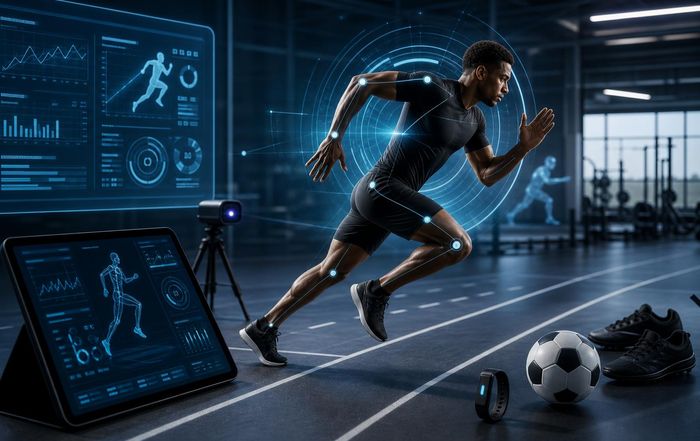
The most visible revolution in sports training technology has been the rapid maturation of wearable and near-body devices that capture real-time physiological and biomechanical data. What began a decade ago with simple step counters has evolved into a sophisticated ecosystem of smart garments, sensor-embedded footwear, and advanced GPS and inertial measurement systems that can track an athlete's movement, workload, and readiness with remarkable granularity. Elite clubs in North America, Europe, and Asia rely heavily on platforms such as Catapult Sports and STATSports to monitor external load, sprint metrics, and positional data, while consumer-oriented devices from Garmin, Apple, and WHOOP have brought recovery scores, heart rate variability, and sleep staging into the mainstream.
The real innovation in 2026 lies less in the sensors themselves and more in the integrated analytics that transform raw data into practical intelligence. High-performance environments increasingly deploy "digital athlete twins," virtual representations of individual players that aggregate longitudinal data on training load, biomechanics, nutrition, and psychological state. These models, often underpinned by machine learning algorithms similar to those explored by MIT Sports Lab, allow performance staff to simulate the impact of different training plans or travel schedules and to predict injury risk with growing accuracy. For a global audience fascinated by performance and world sport, this shift from descriptive to predictive analytics is redefining what it means to prepare intelligently.
At the same time, access to advanced metrics has expanded beyond elite environments. Amateur runners in Canada, cyclists in Netherlands, and skiers in Switzerland now routinely use power meters, lactate threshold estimates, and training load dashboards based on frameworks pioneered by organizations such as World Athletics and UCI. Recreational athletes planning adventure trips through platforms like xdzee's destination coverage can benchmark their readiness for altitude, heat, or multi-day efforts using tools that would have been reserved for Olympians only a few years ago, illustrating how the democratization of data is reshaping expectations of what "serious training" looks like in everyday life.
AI Coaching and Hyper-Personalized Training Plans
Artificial intelligence has moved from buzzword to baseline capability in sports training software, and by 2026, AI-driven coaching systems are providing millions of athletes with guidance that is increasingly context-aware and personalized. Instead of static training plans downloaded from generic websites, athletes now interact with adaptive coaching platforms that continuously adjust workouts according to recent performance, recovery markers, schedule constraints, and even mood. Companies such as Zwift, TrainerRoad, and Strava have progressively integrated AI-assisted recommendations, while new entrants backed by major sports brands in Australia, France, and South Korea are building fully conversational coaching assistants that can discuss strategy, pacing, and technique in natural language.
These systems draw on advances in reinforcement learning and large language models, similar to research directions described by organizations like DeepMind and academic institutions such as Stanford University, to translate complex sports science into accessible day-to-day instructions. For example, an AI assistant can interpret an athlete's heart rate variability trend, combine it with sleep and travel data, and suggest a lighter session with specific mobility work, delivering nuanced reasoning that once required direct access to a human performance team. This evolution is particularly significant for athletes in regions where expert coaching is scarce, from parts of Africa and South America to remote communities in New Zealand and Scandinavia, making high-quality guidance more geographically inclusive.
However, the rise of AI coaching also raises questions of trust and accountability. As organizations such as the World Anti-Doping Agency (WADA) and national governing bodies in UK Sport and Sport Australia have noted, the line between intelligent training optimization and unfair technological advantage can be blurry. For xdzee.com, whose readers follow business, innovation, and ethics, the emerging challenge is to evaluate AI coaching tools not only on convenience and performance gains but also on transparency of algorithms, quality of underlying data, and safeguards against encouraging unsustainable workloads or borderline practices that may compromise athlete health.
Immersive Training: VR, AR, and Mixed Reality Environments
Virtual reality, augmented reality, and mixed reality have moved beyond novelty into serious training applications, particularly in sports where decision-making, spatial awareness, and pattern recognition are as critical as raw physical capacity. In 2026, professional teams in NFL, NBA, Premier League, and Bundesliga environments increasingly use immersive simulations to rehearse tactical scenarios, study opponents, and accelerate the learning curve of younger players. Companies such as STRIVR and Rezzil collaborate with clubs across United States, Germany, and Spain to recreate match situations in highly realistic virtual environments that allow athletes to repeat key sequences dozens of times without incurring physical fatigue or contact risk.
Augmented reality overlays, enabled by lightweight headsets and smart glasses, are also gaining traction in technical sports such as tennis, golf, skiing, and motorsport. Real-time trajectory lines, optimal racing lines, and immediate feedback on racket angles or swing paths can be projected into the athlete's field of view, turning practice sessions into interactive learning experiences. Research from organizations such as FIFA's Innovation Programme and IOC's Olympic Studies Centre highlights how such tools can accelerate skill acquisition, particularly when combined with traditional coaching and video analysis. For adventure and destination-oriented readers on xdzee.com, mixed reality applications are increasingly used in mountaineering, sailing, and backcountry skiing to simulate complex routes and emergency scenarios before athletes travel to remote locations, enhancing both performance and safety.
These immersive technologies also blur the line between training and fan engagement. Virtual training environments can be repurposed for spectators, allowing them to experience the decision-making demands of a Formula 1 driver or the split-second reactions of a goalkeeper, a trend that aligns with the broader evolution of sports entertainment documented by organizations such as Deloitte Sports Business Group. As brands and rights holders explore these possibilities, the training tools developed for high-performance use are becoming powerful storytelling platforms, reinforcing the convergence of sports, brands, and digital culture that defines modern fan experiences.
Biomechanics, Smart Equipment, and the Science of Movement
Advances in biomechanics and smart equipment are transforming how athletes refine technique, prevent injury, and extend their careers. Motion capture systems that once required specialist labs are now accessible through markerless video analysis driven by computer vision, allowing coaches from Italy to Thailand to capture high-frame-rate footage on a smartphone and receive detailed joint angle and force estimates via cloud-based platforms. Organizations like Aspetar and English Institute of Sport have demonstrated how such tools can identify asymmetries, faulty movement patterns, or suboptimal technique long before they manifest as overuse injuries or performance plateaus.
Smart equipment, from sensor-enabled basketballs and soccer balls to connected rowing oars and ski boots, provides immediate feedback on metrics such as spin rate, contact quality, stroke length, and edge pressure. Manufacturers in Japan, China, and Sweden are embedding micro-sensors and haptic feedback into equipment to create closed feedback loops, enabling athletes to adjust technique within a single session rather than waiting for post-hoc video reviews. These innovations are especially valuable in technical sports where small improvements in efficiency can translate into significant competitive advantages, and they align closely with the performance-oriented mindset of xdzee's readers who follow developments in performance and innovation.
At the research level, institutions such as NIH in the United States and INSERM in France are supporting multidisciplinary projects that integrate biomechanics, neuroscience, and materials science to develop next-generation training surfaces, footwear, and protective gear. This scientific foundation is crucial for ensuring that smart equipment does not simply amplify performance but also enhances safety and long-term joint health, a priority that resonates across high-contact sports as well as endurance disciplines where repetitive stress is a constant concern.
Safety, Risk Management, and Duty of Care
As training technologies become more powerful, the responsibility to manage risk and protect athletes intensifies. Concussion monitoring, heat stress management, and overtraining prevention are three areas where innovation and duty of care intersect most visibly in 2026. In collision sports such as American football, rugby, and ice hockey, sensor-equipped mouthguards and headbands are increasingly used to monitor head impact exposure, with organizations like World Rugby and the NFL partnering with technology providers to establish objective thresholds and protocols. Learn more about evolving concussion guidelines through resources from CDC and NHS, which inform many national policies in North America and Europe.
Heat and environmental stress present another critical frontier, particularly as climate change alters the training and competition conditions faced by athletes in regions such as Australia, Middle East, and Southern Europe. Wearable core temperature sensors, smart fabrics with thermoregulatory properties, and AI-driven heat risk forecasting tools are being deployed to adjust training loads and hydration strategies in real time. Organizations such as the World Health Organization (WHO) and UN Environment Programme have highlighted the importance of adapting sports infrastructure and scheduling to more frequent heatwaves, reinforcing the need for integrated safety planning that goes beyond individual devices. For readers exploring outdoor adventure and travel experiences via xdzee.com, these developments underscore the importance of combining cutting-edge gear with robust risk assessment and emergency planning.
Duty of care extends beyond physical health to psychological well-being. The always-on nature of data and the pressure to optimize every aspect of performance can contribute to anxiety, burnout, and unhealthy identity fusion with metrics. Athlete welfare organizations, including Global Athlete and national players' unions, are urging governing bodies and technology providers to incorporate mental health safeguards and to limit intrusive monitoring that may erode privacy or autonomy. For platforms like xdzee's safety section, the emerging conversation is not only about what technology can do but what it should be allowed to do in environments where power imbalances between teams, sponsors, and individual athletes are often substantial.
Ethics, Governance, and the Question of Fair Advantage
The rapid pace of innovation has naturally outstripped existing regulatory frameworks, forcing sports organizations to confront fundamental questions about fairness, access, and the boundaries of acceptable enhancement. The controversies surrounding performance-enhancing shoes in distance running, technologically assisted swimsuits, and advanced prosthetics in para-sport have already demonstrated how equipment can blur lines between natural talent and engineered advantage. In 2026, these debates are expanding into software and data domains, as AI-assisted tactical analysis, real-time biomechanical optimization, and proprietary recovery algorithms become differentiators that are not evenly distributed across the competitive landscape.
Bodies such as the International Olympic Committee (IOC) and Court of Arbitration for Sport (CAS) are increasingly called upon to adjudicate disputes involving training technology, from data ownership conflicts to claims of unfair competitive advantage. Learn more about sports governance frameworks through resources from UNESCO and Council of Europe, which emphasize human rights and integrity in sport. For athletes and brands operating globally, particularly in markets like Singapore, Denmark, and Norway where digital regulation is stringent, compliance with privacy laws such as GDPR and emerging AI governance standards is now a non-negotiable aspect of high-performance planning.
For xdzee.com, which engages audiences interested in ethics, news, and world developments, the key narrative is that innovation must be accompanied by transparent governance and robust ethical frameworks. This includes clear rules on data ownership, informed consent for biometric monitoring, equitable access to foundational technologies across wealthier and less wealthy federations, and safeguards against algorithmic bias that may disadvantage athletes based on gender, ethnicity, or geography. Establishing trust in sports technology is as much a legal and cultural project as it is a technical one.
Business Models, Brands, and the Global Sports Tech Ecosystem
The commercialization of sports training technology has accelerated dramatically, with venture capital, private equity, and strategic corporate investors pouring resources into startups and platforms that promise to reshape performance and fan engagement. Reports from organizations such as PwC and KPMG on the sports industry highlight how data-centric services, subscription coaching platforms, and hardware-software ecosystems are becoming central revenue streams for both established brands and emerging players. In United States, UK, Germany, and China, sports tech clusters are forming around universities and innovation hubs, linking research, entrepreneurship, and elite sport in mutually reinforcing networks.
Major brands including Nike, Adidas, Under Armour, and Puma are repositioning themselves not just as apparel manufacturers but as performance technology companies, investing heavily in digital platforms, connected footwear, and AI-driven training apps. These strategies align with broader consumer trends in health and wellness documented by organizations such as McKinsey & Company, as individuals seek integrated solutions that span sport, lifestyle, and everyday mobility. For xdzee's readers who follow brands, business, and jobs, this shift is creating new career pathways in sports data science, UX design for training interfaces, and product management for connected equipment, expanding the definition of what it means to work "in sport."
At the same time, smaller and more agile companies in Finland, Netherlands, Israel, and Singapore are carving out niches in specialized domains such as recovery technology, neuromuscular stimulation, or altitude simulation, often partnering with elite teams to validate their products before scaling to consumer markets. Platforms like xdzee.com, with its multi-vertical coverage of lifestyle, culture, and innovation, play an increasingly important role in curating this crowded landscape, helping audiences distinguish between evidence-based solutions and marketing-driven hype.
Globalization, Culture, and the Athlete Experience
Innovation in sports training technology does not occur in a vacuum; it both shapes and is shaped by cultural attitudes toward sport, risk, and human potential across different regions. In North America and parts of Western Europe, data-driven optimization is often embraced as an extension of broader productivity culture, with athletes and coaches quick to adopt tools that promise measurable gains. In contrast, traditional training cultures in parts of Asia, Africa, and South America sometimes view technology with greater skepticism, prioritizing intuition, community knowledge, and holistic development over quantification, even as elite programs in countries like Kenya, Ethiopia, Brazil, and Japan selectively integrate cutting-edge solutions where they see clear benefits.
This diversity of approaches creates a dynamic global ecosystem in which ideas circulate, adapt, and hybridize. European football academies incorporate mindfulness practices inspired by East Asian traditions, while American collegiate programs learn from Scandinavian models that emphasize long-term athlete development and multi-sport participation. Organizations such as UNICEF and Right To Play highlight how technology can support inclusive sport initiatives, enabling remote coaching, low-cost performance analysis, and digital storytelling that amplifies underrepresented communities. For xdzee.com, whose audience spans continents and cultures, capturing these nuances is essential to offering coverage that respects local context while identifying universal themes in the evolving athlete experience.
Travel and destination-driven sport, from marathons in Berlin and Tokyo to trail races in New Zealand and surfing expeditions in Indonesia, are also being reshaped by training technology. Athletes planning performance-oriented trips rely on altitude simulation tools, climate modeling, and route visualization platforms, integrating them with the kind of on-the-ground insights that xdzee's recent destination section provides, creating a holistic preparation journey that spans physical training, logistics, and cultural immersion.
The Roads and Tracks Ahead: Human-Centric Innovation
Looking toward the late 2020s, the central question is not whether sports training technology will continue to evolve but what values will guide its evolution. On the horizon are more sophisticated brain-computer interfaces, real-time neuromodulation, and advanced genetic and epigenetic profiling that could, in theory, tailor training with unprecedented precision. Research from organizations such as Human Performance Alliance and World Economic Forum suggests that the boundaries between sport, health, and everyday mobility will continue to blur, with training insights informing corporate wellness programs, urban design, and public health initiatives.
For athletes, coaches, brands, and fans connected through new emerging online adventure sport news platforms like xdzee.com, the imperative is to ensure that innovation remains human-centric, supporting long-term well-being, fair competition, and meaningful experiences rather than reducing sport to a purely technological arms race. This requires ongoing collaboration between technologists, sports scientists, ethicists, regulators, and athlete representatives; transparent communication about what technologies can and cannot do; and a willingness to prioritize trust over short-term performance gains.
The most forward-thinking organizations in United States, Europe, Asia, Africa, and South America are those that view technology not as a replacement for coaching wisdom, local culture, or athlete agency, but as a powerful set of tools that, when used responsibly, can deepen the art and joy of training. As xdzee.com continues to track developments across sports, world, innovation, and ethics, its role will be to illuminate this evolving landscape with clarity, skepticism where warranted, and a consistent focus on experience, expertise, authoritativeness, and trustworthiness.