

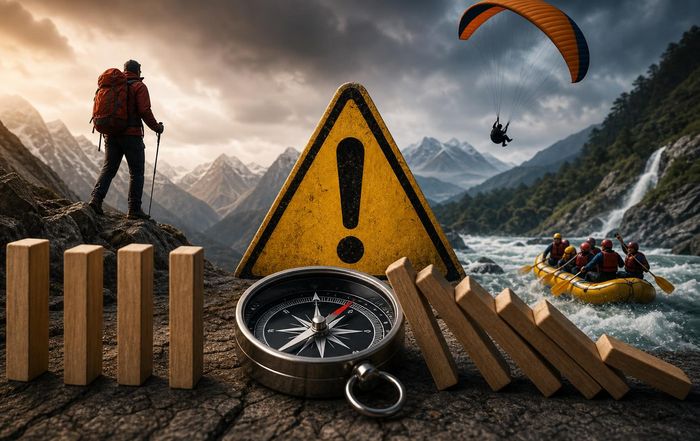
Navigating Business Risks in Adventure Tourism Markets
Adventure Tourism at a Global Inflection Point
Adventure tourism has moved from a niche segment to a powerful global economic engine, reshaping how travelers in the United States, Europe, Asia, Africa and South America experience destinations and how businesses structure their offerings, partnerships and risk strategies. This shift has been driven by a new generation of travelers seeking immersive experiences rather than passive sightseeing, a trend that aligns closely with the daily editorial focus of xdzee.com on sports, adventure, travel, lifestyle, performance, safety and innovation. As adventure travel matures, however, the sector faces a complex web of business risks that reach far beyond the operational hazards traditionally associated with outdoor and extreme activities.
Global tourism data from organizations such as the World Tourism Organization show sustained growth in international arrivals, with adventure-oriented products representing a significant share of high-value travel spending across North America, Europe, Asia-Pacific and emerging African and South American destinations. Industry analysis from the Adventure Travel Trade Association further underscores that adventure travelers typically spend more per trip, stay longer and engage more deeply with local communities than mass-market tourists, making the sector strategically important for national and regional economies from the United States and Canada to New Zealand, Brazil, South Africa and Thailand. This convergence of growth and complexity means that business leaders, investors and policymakers need a more sophisticated understanding of risk in adventure tourism markets, particularly as they intersect with brand strategy, sustainability, ethics and innovation.
For xdzee.com, which curates perspectives on travel, adventure, destination and world trends, the evolution of risk in this sector is not just a background issue; it is central to how responsible brands, operators and destinations will compete and collaborate in the coming decade.
Defining Adventure Tourism and Its Risk Profile
Adventure tourism is generally characterized by a combination of physical activity, interaction with nature and cultural immersion, ranging from soft adventures such as guided hikes, cycling tours and wildlife safaris to hard adventures like mountaineering, whitewater expeditions, backcountry skiing and technical diving. Reports from the World Travel & Tourism Council show that this segment is expanding rapidly across regions such as Europe, North America and Asia-Pacific, with travelers in Germany, the United Kingdom, France, Italy, Spain, Japan, South Korea and Australia increasingly prioritizing experiences that combine physical challenge with cultural depth and environmental awareness.
The risk profile of adventure tourism differs markedly from conventional tourism because it is shaped by high-variability environments, specialized equipment, human performance factors and complex regulatory frameworks. Operators must manage not only traditional business risks such as cash flow, marketing, staffing and compliance, but also heightened exposure to safety incidents, weather extremes, geopolitical instability and reputational shocks amplified by social media and real-time news cycles. As xdzee.com continues to expand its always new coverage of performance, safety and innovation, this multifaceted risk landscape becomes a defining lens through which to evaluate both established brands and emerging players in the adventure space.
Safety, Liability and Regulatory Compliance
Safety remains the most visible and consequential risk domain for adventure tourism businesses, particularly in mature markets such as the United States, Canada, the United Kingdom, Germany, Switzerland and the Nordic countries, where regulatory regimes are comparatively well developed and customer expectations for professional standards are high. Guidelines from organizations such as the International Organization for Standardization, which has introduced adventure tourism safety management standards, and best practices promoted by bodies like the UIAA - International Climbing and Mountaineering Federation, provide frameworks for managing technical risks, yet implementation varies widely across regions and company sizes.
In many adventure destinations across Asia, Africa and South America, where regulatory oversight may be fragmented or under-resourced, operators face a dual challenge: they must self-impose high safety standards to protect clients and staff while competing against lower-cost providers that may cut corners on training, equipment maintenance or risk communication. This tension is particularly acute in rapidly developing markets such as Thailand, Malaysia, Brazil and South Africa, where demand from international travelers intersects with domestic tourism growth and uneven enforcement of safety codes. Business leaders who follow industry analysis on platforms such as Harvard Business Review increasingly recognize that robust safety cultures, transparent incident reporting and continuous training are not just compliance measures; they are strategic differentiators that build long-term trust with customers, partners and regulators.
Legal liability is another critical dimension, especially in common-law jurisdictions such as the United States, Canada, the United Kingdom, Australia and New Zealand, where litigation risks can be substantial following serious incidents. Clear waivers, informed consent processes and comprehensive insurance coverage are essential, but they cannot substitute for disciplined operational practices and rigorous risk assessments. Resources from the International Risk Management Institute highlight how insurers are scrutinizing adventure operators' safety protocols, emergency response plans and staff qualifications more closely, which in turn affects premiums, coverage limits and access to specialized insurance products. For platforms such as xdzee.com, which track the intersection of business, ethics and performance, the evolution of safety and liability standards is a key indicator of professionalization in the adventure sector.
Environmental and Climate-Related Risks
Adventure tourism is uniquely exposed to environmental and climate-related risks because it depends heavily on natural landscapes, predictable weather patterns and the ecological integrity of remote destinations. Climate change, as documented by the Intergovernmental Panel on Climate Change, is altering snowpack levels in alpine regions, increasing the frequency of heatwaves, storms and wildfires, and accelerating biodiversity loss, all of which directly affect the viability of adventure products in regions as diverse as the European Alps, the Rockies, the Himalayas, the Andes and coastal ecosystems in Southeast Asia and the Pacific.
In Europe and North America, ski and mountain resorts that once relied on stable winter seasons are confronting shorter snow windows, higher avalanche risks and more volatile shoulder seasons, forcing them to diversify into four-season adventure offerings such as mountain biking, trail running and high-altitude hiking. In tropical and subtropical regions, from Thailand and Malaysia to Brazil and South Africa, operators must navigate increased cyclone activity, coral bleaching, flooding and drought, which can disrupt itineraries, damage infrastructure and undermine the natural attractions that draw visitors in the first place. Environmental risk is therefore not an abstract sustainability concern but a direct business issue that influences investment decisions, product design and long-term destination strategy.
Organizations such as the World Wildlife Fund and the International Union for Conservation of Nature emphasize that poorly managed adventure tourism can exacerbate environmental degradation through overtourism, habitat disturbance, pollution and unsustainable resource use, particularly in fragile ecosystems in Africa, South America and Asia. Conversely, well-designed adventure initiatives can support conservation, community livelihoods and climate adaptation by channeling revenue into protected areas, local enterprises and resilient infrastructure. For the editorial team at xdzee.com, which regularly explores sustainable travel, lifestyle and destination narratives, the interplay between environmental stewardship and business risk is central to evaluating which operators are genuinely future-ready and which are vulnerable to regulatory changes, reputational damage and ecosystem collapse.
Geopolitical, Health and Security Uncertainty
Adventure tourism is also acutely sensitive to geopolitical tensions, public health crises and security concerns, which can reshape demand patterns across regions almost overnight. Analyses by institutions such as the World Economic Forum and the Organisation for Economic Co-operation and Development have shown that political instability, conflict, terrorism and abrupt policy shifts can severely disrupt tourism flows, particularly in regions where adventure offerings depend on cross-border access, remote infrastructure and international flight connectivity. Destinations in parts of Africa, the Middle East, South America and certain Asian regions have experienced rapid swings in visitor numbers as security perceptions change, affecting local operators, guides and communities who rely heavily on adventure travel income.
The global experience of the COVID-19 pandemic, documented extensively by the World Health Organization, has also reshaped risk perceptions and operational norms in adventure tourism. While the immediate crisis has receded by 2026, its legacy persists in the form of heightened awareness of biosecurity, border controls, health insurance requirements and contingency planning for sudden travel restrictions. Operators in markets such as the United States, Canada, the United Kingdom, Germany, Japan, South Korea and Singapore have integrated health protocols, flexible booking policies and digital pre-trip screening into their standard operating procedures, while travelers from Europe, North America and Asia now routinely factor health security into their destination choices. From a business risk standpoint, this means that adventure companies must maintain agile scenario planning, diversified source markets and robust communication strategies to navigate future shocks.
For readers of xdzee.com, who follow news, world developments and business implications, the key insight is that adventure tourism companies cannot treat geopolitical and health risks as rare anomalies; they must be embedded into governance, crisis management and long-term strategic planning.
Human Capital, Skills and Workforce Risks
Adventure tourism is inherently people-intensive, relying on skilled guides, instructors, logistics coordinators, safety specialists and local community partners who operate in challenging environments and under variable conditions. Across destinations from the United States, Canada and Europe to South Africa, Brazil, Thailand and New Zealand, a persistent skills gap has emerged as demand for high-quality adventure experiences outpaces the supply of trained professionals. Research from the International Labour Organization highlights that tourism jobs, particularly in seasonal and remote contexts, are often characterized by income volatility, limited social protection and precarious contracts, which can undermine staff retention, morale and service quality.
This human capital challenge translates directly into business risk. Companies that cannot attract, train and retain qualified staff face higher incident rates, inconsistent customer experiences and reputational vulnerabilities, especially in an era where reviews on platforms such as Tripadvisor and real-time social media posts can amplify both positive and negative experiences globally. In high-risk activities such as mountaineering, backcountry skiing, technical diving or whitewater expeditions, the expertise and judgment of guides can be the decisive factor between a successful trip and a serious incident, making investment in professional development, fair compensation and career pathways a strategic imperative.
For an audience attuned to jobs, performance and lifestyle issues on xdzee.com, the evolution of adventure tourism careers is a critical storyline. Forward-looking operators in countries such as Switzerland, Norway, New Zealand and Canada are collaborating with vocational schools, universities and certification bodies to create structured training programs that integrate technical skills, risk management, environmental knowledge and intercultural communication. These initiatives not only reduce operational risk but also enhance the attractiveness of adventure tourism as a profession for younger generations seeking meaningful, globally relevant careers.
Brand, Reputation and Ethical Expectations
In 2026, the reputational stakes for adventure tourism brands have never been higher, as consumers in markets such as the United States, United Kingdom, Germany, France, the Netherlands, Scandinavia, Japan, South Korea, Singapore and Australia increasingly evaluate companies through the lens of ethics, sustainability, inclusivity and community impact. Investigative reporting by leading media outlets, alongside user-generated content, can rapidly expose unsafe practices, environmental harm or exploitative labor conditions, triggering boycotts, regulatory scrutiny and investor pressure. This dynamic places brand governance at the center of business risk management for adventure operators, destination marketing organizations and gear manufacturers alike.
Ethical frameworks promoted by organizations such as the Global Sustainable Tourism Council and human rights guidance from bodies like the United Nations Global Compact are increasingly shaping procurement policies, partnership decisions and marketing claims. Adventure companies that fail to align with these evolving norms risk being excluded from premium distribution channels, corporate travel programs and high-end consumer segments that prioritize responsible travel. For a platform like xdzee.com, whose coverage of brands, lifestyle and ethics emphasizes authenticity and trustworthiness, the distinction between superficial greenwashing and genuinely responsible practice is a crucial editorial theme.
Reputation risk is amplified by the emotional intensity of adventure experiences, which often involve personal transformation, physical challenge and deep cultural encounters. When travelers feel misled about safety, environmental impact or community benefits, the resulting backlash can be particularly severe. Conversely, companies that operate transparently, engage respectfully with local cultures and communicate honestly about risks can build enduring loyalty and word-of-mouth advocacy across global markets, from North America and Europe to Asia-Pacific and beyond.
Digital Transformation, Data and Cyber Risks
The digitalization of adventure tourism has accelerated dramatically, with online booking platforms, mobile apps, wearable devices, drones and AI-enabled analytics becoming integral to how experiences are marketed, sold, managed and reviewed. This transformation creates new efficiencies and customer touchpoints but also introduces cyber risks, privacy concerns and dependence on third-party platforms that may not share the same risk tolerance or values. Guidance from agencies such as the European Union Agency for Cybersecurity and the U.S. Cybersecurity and Infrastructure Security Agency underscores that even small and medium-sized tourism enterprises are increasingly targets for phishing, ransomware and data breaches, particularly when they handle sensitive customer data, payment information and geolocation records.
In adventure contexts, where itineraries may involve remote communications, satellite tracking and emergency response systems, digital resilience becomes a safety issue as well as a business continuity concern. Companies operating in technologically advanced markets such as the United States, Canada, the United Kingdom, Germany, the Netherlands, the Nordic countries, Japan, South Korea and Singapore are investing in secure infrastructure, staff training and cyber insurance, recognizing that a single data breach or prolonged system outage can erode trust built over years. For readers of xdzee.com, who follow innovation, performance and safety trends, the integration of digital risk management into adventure business models is an increasingly important dimension of competitive differentiation.
At the same time, data analytics and digital platforms offer powerful tools for mitigating other forms of risk, from predictive weather modeling and avalanche forecasting to real-time crowd management in popular adventure destinations. Collaboration between public agencies, research institutions and private operators, such as those documented by the National Oceanic and Atmospheric Administration and leading European meteorological services, is enabling more precise, localized risk assessments that can inform route planning, capacity management and emergency response, especially in regions such as the Alps, Rockies, Himalayas and coastal adventure hubs.
Financial Resilience and Investment Risk
Adventure tourism businesses, particularly smaller operators and community-based enterprises, often operate with thin margins, seasonal revenue cycles and limited access to capital, making them vulnerable to demand shocks, currency volatility and unforeseen cost increases. Financial institutions and investors, drawing on guidance from organizations such as the International Finance Corporation, are increasingly assessing environmental, social and governance (ESG) risks when evaluating tourism projects, including adventure ventures in emerging markets across Africa, Asia and South America. This shift creates both challenges and opportunities: companies that can demonstrate robust risk management, community benefits and environmental stewardship may access preferential financing, while those with weak governance or opaque practices may struggle to secure investment.
In established markets such as the United States, Canada, the United Kingdom, Germany, Switzerland, the Netherlands, the Nordic region, Japan and Australia, private equity and impact investors are showing growing interest in adventure and experience-based tourism, but they also demand professional management, scalable business models and transparent risk frameworks. For entrepreneurial readers of xdzee.com who monitor business and jobs trends, understanding how financial resilience intersects with operational, environmental and reputational risks is essential when evaluating career paths, partnerships or startup opportunities in the adventure sector.
Diversification is a key financial risk mitigation strategy, whether through expanding product lines across seasons, targeting multiple source markets across North America, Europe and Asia, or integrating complementary revenue streams such as gear rentals, training courses, digital content or brand collaborations. However, diversification must be balanced with core competencies and safety standards; overextension into unfamiliar activities or markets without adequate expertise can introduce new risks that outweigh potential gains.
Cultural, Community and Social License Risks
Adventure tourism often brings visitors into close contact with local communities, indigenous groups and culturally significant landscapes, creating both opportunities for meaningful exchange and risks of misunderstanding, exploitation or cultural erosion. Organizations such as UNESCO and the World Bank have documented cases where poorly planned tourism development has undermined local traditions, inflated prices, displaced residents or concentrated benefits in external hands, generating social tensions and resistance. In regions across Africa, South America, Asia and even parts of Europe and North America, adventure projects that ignore local voices or fail to share economic benefits equitably risk losing their social license to operate.
For brands and operators featured on xdzee.com, which often highlight culture, lifestyle and destination stories, the ability to engage respectfully with host communities is a core dimension of trustworthiness. This involves not only hiring local guides and staff, but also co-designing experiences with community stakeholders, respecting sacred sites and traditional practices, and being transparent about how revenues are distributed. As travelers from markets such as Germany, the United Kingdom, Canada, Australia, France, the Netherlands, Scandinavia, Japan, South Korea and Singapore become more attuned to these issues, they increasingly seek operators who can demonstrate genuine community partnerships rather than superficial cultural performances.
Missteps in this area can quickly escalate into reputational crises, amplified by global media and advocacy networks, and may prompt regulatory interventions or community-led boycotts. Conversely, companies that invest in long-term relationships, capacity building and cultural preservation can create resilient, distinctive adventure products that stand out in a crowded marketplace and are more likely to withstand political or economic fluctuations.
Top Pathways for Risk-Ready Adventure Businesses
As adventure tourism enters a more mature and scrutinized phase in 2026, the businesses that will thrive are those that treat risk not as a narrow compliance issue but as a strategic lens for innovation, brand building and stakeholder engagement. For the global audience of xdzee.com, spanning interests from sports and adventure to culture, destination and business, several themes emerge as defining characteristics of resilient adventure tourism enterprises.
First, a deep commitment to safety, underpinned by rigorous training, transparent reporting and alignment with international standards, is increasingly non-negotiable in markets from North America and Europe to Asia-Pacific and beyond. Second, proactive environmental stewardship and climate adaptation, guided by evolving scientific insights and best practices, are central to safeguarding the natural assets on which adventure experiences depend. Third, ethical governance, community partnership and cultural sensitivity form the foundation of long-term social license, particularly in destinations where tourism intersects with complex histories and fragile ecosystems. Fourth, digital resilience and data governance must be integrated into operations to harness the benefits of technology while managing cyber and privacy risks. Finally, financial prudence, diversification and ESG-aligned investment strategies are essential to weather economic cycles and external shocks.
Adventure tourism will continue to evolve as travelers from the United States, Canada, the United Kingdom, Germany, France, Italy, Spain and other regions seek experiences that combine physical challenge, cultural immersion and environmental consciousness. For xdzee.com, chronicling this evolution through the lenses of performance, safety, innovation, ethics and lifestyle means highlighting not only the exhilaration of adventure, but also the complex risk landscapes that shape how responsible businesses operate. In doing so, the platform reinforces its role as a trusted guide for readers, entrepreneurs, professionals and policymakers who understand that the future of adventure tourism will belong to those who can balance bold exploration with disciplined, values-driven risk management.