

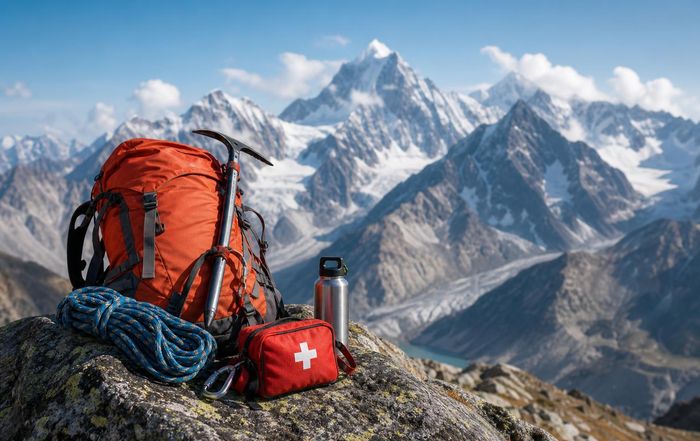
Adventure Safety Lessons From Alpine Regions
Elevation, Risk and the New Global Adventure Mindset
Adventure travel has shifted from a niche pursuit to a mainstream aspiration for executives, entrepreneurs and high-performing professionals across North America, Europe, Asia and beyond, and nowhere has this transformation been more visible than in the great Alpine regions of Europe and other high mountain ranges that now define the global imagination of risk, resilience and reward. For the audience of xdzee.com, whose interests span performance, lifestyle, business, travel and ethics, the Alpine experience offers a uniquely rich lens through which to examine how modern societies can approach risk with discipline, humility and innovation, and how lessons from extreme environments can be translated into safer, smarter decisions in sport, work and everyday life.
As mountaineering, ski touring, trail running and high-altitude trekking have expanded from the traditional strongholds of the Alps, Rockies, Himalayas and Andes into a global adventure economy, the stakes have risen in parallel, with more people from the United States, United Kingdom, Germany, Canada, Australia and Asia-Pacific nations seeking high-exposure experiences in environments that do not forgive complacency. In this context, the Alpine regions, with their mature safety cultures, advanced rescue infrastructure and deeply embedded traditions of mountain ethics, have become an invaluable case study in how to design, regulate and live an adventure lifestyle that balances freedom with responsibility. For readers exploring adventure insights at xdzee, these lessons are not theoretical; they shape how trips are planned, how brands are evaluated, and how personal risk thresholds are set.
The Alpine Safety Culture: From Tradition to System
The modern Alpine safety culture did not emerge overnight; it is the product of more than a century of hard-earned experience, from early guides in Chamonix and Zermatt to contemporary rescue professionals coordinating operations across borders and languages. Organizations such as the International Commission for Alpine Rescue (ICAR) and national bodies like Alpine Rettung Schweiz in Switzerland and the Bergwacht in Germany have helped codify principles that now influence global standards of mountain safety. Readers who wish to understand the broader context of mountain risk management can explore how international bodies coordinate rescue protocols and training by visiting resources like the International Commission for Alpine Rescue and the Swiss Alpine Club.
At the heart of this culture lies a simple but demanding expectation: every participant, whether a weekend hiker from London or a seasoned ski mountaineer from Innsbruck, is responsible for their own preparation and decisions, yet they operate within a system that encourages transparency, continuous learning and mutual support. This system includes structured avalanche education from organizations such as the American Institute for Avalanche Research and Education (AIARE) and the Canadian Avalanche Association, comprehensive weather forecasting from services like Météo-France and MeteoSwiss, and sophisticated digital tools that allow real-time risk assessment. For a business-minded audience following performance-focused content on xdzee, the Alpine model resembles a high-reliability organization: low tolerance for error, relentless emphasis on training, and a culture that encourages speaking up about risk before it becomes an incident.
Weather, Terrain and Decision-Making Under Uncertainty
One of the most transferable lessons from Alpine regions to global adventure travel is the discipline of decision-making under uncertainty. Mountain weather in the Alps, Dolomites, Pyrenees and comparable ranges is notoriously volatile, with microclimates that can transform a benign morning into a life-threatening afternoon, and the most experienced guides and athletes treat weather data not as a guarantee but as an evolving probability model that must be continuously updated. Platforms such as MeteoBlue and national meteorological services provide increasingly granular forecasts, yet Alpine professionals combine these tools with lived experience, visual observation and conservative heuristics that prioritize margins of safety over summit fever.
Terrain assessment follows a similar logic. The internationally adopted Avalanche Danger Scale, developed with input from Alpine countries and now used across Europe and North America, exemplifies how shared language and standardized reporting can help diverse groups make better decisions. Avalanche bulletins from services such as Avalanche.org in the United States and Avalanche Canada in Canada translate complex snowpack science into practical guidance for skiers, snowboarders and mountaineers. For readers of xdzee's safety coverage, this intersection of science, communication and behavior is a reminder that information alone does not create safety; it must be interpreted, internalized and acted upon by individuals and teams who understand both its power and its limits.
In business contexts, particularly in volatile markets and high-consequence industries, the Alpine approach to uncertainty offers a powerful analogy: leaders cannot eliminate risk, but they can build systems that make it easier to recognize when conditions are deteriorating, when objectives must be adjusted, and when turning back is the most rational and courageous choice. This mindset is increasingly visible in boardrooms from New York to Singapore, where executives draw on adventure narratives and risk frameworks to shape corporate resilience strategies.
Training, Expertise and the Professionalization of Adventure
The professionalization of mountain guiding and instruction in Alpine regions has been one of the most significant developments in adventure safety over the past decades, and by 2026, this professional layer has become a global benchmark. The International Federation of Mountain Guides Associations (IFMGA), which sets rigorous standards for guides operating across countries such as France, Switzerland, Italy, Germany and the United Kingdom, has helped create a cadre of highly trained professionals whose expertise extends beyond technical climbing skills to include risk assessment, group dynamics, emergency medicine and environmental stewardship. Interested readers can explore the framework of international guiding standards through the IFMGA's official site.
These professionals are supported by a rich ecosystem of alpine clubs, training schools and certification bodies, from the British Mountaineering Council in the United Kingdom to the Deutscher Alpenverein in Germany and the Club Alpino Italiano in Italy, all of which emphasize progressive skill development, mentorship and community-based learning. For the audience of xdzee.com, which includes ambitious professionals from cities such as London, Berlin, Toronto, Sydney, Singapore and Tokyo, the message is clear: safe adventure is rarely improvised; it is built through structured learning, deliberate practice and respect for expertise. This mirrors the expectations in high-performance corporate environments, where continuous upskilling and adherence to professional standards are essential to maintaining trust and competitiveness.
The rise of specialized training in wilderness medicine, provided by organizations like NOLS Wilderness Medicine and Wilderness Medical Society, further illustrates how Alpine and high-mountain regions have helped shape global norms in emergency preparedness. Courses that teach hypothermia management, trauma care and evacuation planning have become almost mandatory for guides and expedition leaders, and increasingly common among serious recreationalists who recognize that self-reliance is a core pillar of mountain safety. This ethos resonates strongly with readers exploring jobs and career paths related to adventure and safety, where the line between passion and profession is becoming ever more porous.
Technology, Innovation and the Limits of Gear
Alpine regions have long been laboratories for innovation in safety equipment and digital tools, and by 2026, the convergence of satellite communication, wearable sensors and advanced materials has transformed how people move through high-risk environments. Brands such as Mammut, Petzl, Black Diamond and Ortovox continue to refine avalanche transceivers, airbags, helmets and harnesses that reduce the consequences of certain types of accidents, while satellite messengers from companies like Garmin and Spot enable emergency communication far beyond traditional coverage areas. Those interested in how technology shapes outdoor safety can explore developments in satellite-based emergency response through resources like the U.S. National Oceanic and Atmospheric Administration and the European Space Agency.
However, the Alpine safety culture is also clear about the limits of equipment, and experienced guides are often the first to warn that better gear can create an illusion of invincibility if not accompanied by better judgment. Avalanche airbags, for instance, can reduce burial depth in certain scenarios, but they do not prevent avalanches, nor do they guarantee survival in complex terrain or large slides. Similarly, real-time tracking and communication tools can support rescue operations, yet they can also encourage individuals to take greater risks under the assumption that help is always a button press away. For readers following xdzee's innovation coverage, the Alpine example underscores an important principle: technology should be seen as a complement to, not a substitute for, human expertise and conservative decision-making.
This nuanced understanding of innovation is highly relevant to global business leaders and brand strategists, particularly in sectors where safety is central to customer trust. Companies that operate in aviation, mobility, energy or high-performance sports can learn from Alpine brands that communicate clearly about what their products can and cannot do, that invest in user education, and that integrate ethical considerations into product design rather than treating safety as a marketing afterthought. Those who wish to explore how leading organizations frame safety and responsibility can consult cross-industry perspectives from bodies such as the World Economic Forum and the International Organization for Standardization.
Ethics, Responsibility and the Social License to Adventure
Beyond technical skills and equipment, Alpine regions have cultivated a strong discourse around ethics and responsibility that is increasingly relevant as adventure tourism expands into more fragile and less regulated environments worldwide. The concept of "mountain ethics" encompasses respect for local communities, environmental stewardship, honest communication about risk and a commitment to self-rescue and mutual aid where possible. This is not just a romantic ideal; it underpins the social license that allows adventure activities to continue in densely populated and heavily visited regions such as the Alps, Dolomites and Pyrenees.
In recent years, debates around overcrowding on iconic peaks, environmental degradation and the commercialization of risk have intensified, from Mont Blanc in France and Italy to Everest in Nepal and Aconcagua in Argentina. Coverage from outlets such as the BBC and The Guardian has highlighted the tension between economic opportunity and safety, particularly in developing regions where regulation and rescue infrastructure may lag behind demand. Alpine countries, having confronted similar tensions over decades, offer a roadmap for balancing access, conservation and safety through permit systems, zoning, education campaigns and investment in local guiding professions.
For the xdzee.com audience, which is deeply engaged with ethics, culture and world news, these issues are not peripheral; they influence where to travel, which operators to trust and how to evaluate the claims of adventure brands. Ethical adventure in 2026 means asking not only whether a trip is thrilling, but whether it respects local labor standards, contributes to community resilience and aligns with broader sustainability goals, such as those articulated in the United Nations Sustainable Development Goals. Alpine regions, with their long history of negotiated coexistence between tourism, agriculture, hydropower and conservation, provide instructive examples of how multi-stakeholder governance can support both safety and prosperity.
Globalization of Alpine Lessons: From Europe to the World
As adventure travel has globalized, Alpine safety principles have traveled with it, influencing practices in destinations as diverse as Japan's Hokkaido backcountry, New Zealand's Southern Alps, the Rockies of the United States and Canada, the Patagonian Andes and highland regions of Africa and Asia. International guide exchanges, joint training programs and the expansion of IFMGA-accredited guides into new markets have helped embed Alpine-derived standards into regions where adventure tourism is growing rapidly. This cross-pollination is visible in the avalanche education programs now offered in countries such as Japan, Chile and Norway, and in the adoption of European-style hut systems and trail marking in parts of North America and Asia.
For travelers from Germany, the United Kingdom, France, Italy, Spain, the Netherlands, Switzerland, Scandinavia, North America and Asia-Pacific who are accustomed to the structured safety culture of the Alps, this globalization is both reassuring and incomplete. While many destinations now offer high-quality guiding and rescue services, there remain significant disparities in regulation, infrastructure and enforcement. This makes due diligence more important than ever, particularly for readers planning trips through xdzee's travel section and exploring new destinations. Checking the accreditation of local guides, understanding the capabilities of local rescue services, and reviewing travel advisories from reputable sources such as the U.S. Department of State or the UK Foreign, Commonwealth & Development Office are now integral parts of responsible trip planning.
The globalization of Alpine safety lessons also intersects with brand strategy and corporate responsibility. International outdoor and travel brands that draw heavily on Alpine imagery and heritage are increasingly expected to apply the same safety and ethics standards in all markets where they operate, from North America and Europe to Asia, Africa and South America. Readers following brand-focused coverage on xdzee will recognize that trust in 2026 is earned not only through product performance but through consistent behavior across regions, transparent communication about risk and proactive engagement with local communities and regulators.
Integrating Adventure Safety into Lifestyle and Business Strategy
For many in the xdzee.com community, adventure is not an occasional escape but a core element of lifestyle and identity, influencing where they live, how they work and the brands they support. Cities such as Vancouver, Munich, Zurich, Innsbruck, Boulder, Queenstown and Chamonix have become hubs for professionals who seek to integrate high-level careers with regular access to mountains, oceans and wilderness, and in these environments, Alpine-style safety culture becomes part of daily life rather than an exceptional consideration. Morning ski tours before work, weekend climbing trips and multi-day trail runs are planned with the same rigor as business projects, using checklists, contingency plans and risk thresholds that mirror corporate decision-making.
This integration has implications for employers and business leaders as well. Companies that recruit and retain talent in adventure-oriented cultures increasingly recognize that supporting safe outdoor lifestyles is part of their value proposition, whether through flexible schedules, sponsorship of safety training or partnerships with reputable outdoor organizations. Insights from the Harvard Business Review and similar management resources have highlighted how adventure-based leadership programs and resilience training can enhance performance, provided they are designed with robust safety frameworks and ethical oversight. For organizations featured in xdzee's business coverage, aligning corporate wellness and leadership initiatives with best practices from Alpine safety culture can strengthen both employee engagement and risk management.
At the individual level, the Alpine approach encourages a mindset where ambition and prudence coexist. High-performing professionals from New York, London, Berlin, Singapore or Tokyo who pursue demanding adventures in the Alps, Rockies or Himalayas increasingly adopt structured preparation routines: physical conditioning, skills training, scenario planning and mental rehearsal. This disciplined approach mirrors the way they approach complex deals, product launches or strategic pivots, reinforcing a virtuous cycle in which adventure and business performance support rather than undermine each other.
Media, Storytelling and the Role of xdzee.com
Media platforms play a crucial role in shaping perceptions of risk and safety, and xdzee.com occupies a distinctive position at the intersection of sports, adventure, lifestyle, culture, news and business. In an era where social media often rewards spectacle over context, there is a growing need for outlets that highlight not only the summit photos and viral videos, but the preparation, decision-making and ethical considerations that underpin safe and meaningful adventure. Responsible storytelling means celebrating not just the successful ascent, but the wise retreat; not just the record-breaking performance, but the quiet discipline of risk assessment and team communication.
Global outlets such as National Geographic and the Adventure Journal have contributed significantly to this more nuanced narrative, yet there remains ample space for regionally informed, business-savvy perspectives that speak directly to a global, mobile, professionally ambitious audience. By integrating coverage across sports, lifestyle, news and world affairs, xdzee.com is well positioned to contextualize Alpine safety lessons within broader trends in innovation, ethics, performance and global mobility.
In practice, this means profiling organizations and individuals who exemplify Experience, Expertise, Authoritativeness and Trustworthiness in adventure contexts; analyzing how leading brands integrate safety and ethics into their strategies; and providing readers with actionable frameworks for planning their own adventures, whether in the Alps, the Rockies, the Japanese Alps, the Southern Alps of New Zealand or emerging destinations in Asia, Africa and South America. It also means continuously revisiting the evolving intersection of technology, climate change, regulation and culture, all of which will shape how adventure safety is understood and practiced in the decade ahead.
Jumping Up and Ahead: Alpine Wisdom in a Changing World
As climate change accelerates, the Alpine regions themselves are undergoing profound transformation, with retreating glaciers, unstable permafrost and shifting weather patterns altering routes, seasons and risk profiles. Research from institutions such as the Intergovernmental Panel on Climate Change (IPCC), accessible via the IPCC's official reports, underscores how these changes will continue to reshape mountain environments worldwide, from Europe and North America to Asia, Africa and South America. For adventure travelers and professionals alike, this means that the safety lessons of the past must be continuously updated, and that adaptability will be as important as tradition in navigating the mountains of the future.
In this evolving landscape, the core principles of Alpine safety culture remain remarkably robust: respect for the environment, investment in training and expertise, honest communication about risk, thoughtful use of technology, and a commitment to ethics that extends beyond individual experience to community and global impact. For the readers of xdzee.com, whether they are planning a ski tour in Switzerland, a trail run in Colorado, a climbing trip in Spain, a trekking journey in Nepal or a business retreat in New Zealand, these principles offer a reliable compass.
By engaging deeply with these lessons, by choosing responsible operators and brands, by supporting policies and practices that prioritize safety and sustainability, and by sharing stories that honor both the beauty and the seriousness of adventure, the global community can help ensure that the spirit of the Alps continues to inspire, educate and protect in equal measure. In doing so, the adventure audience of xdzee.com not only benefits from the accumulated wisdom of Alpine regions, but also contributes to a broader culture of safe, ethical and high-performance adventure that spans continents and generations.