

From Kimono to Streetwear: How Japanese Aesthetics Influence Global Fashion
The Quiet Power of Japanese Aesthetics in a Hyper-Global Fashion Economy
As the global fashion industry navigates rapid digital transformation, shifting consumer values, and mounting sustainability pressures, Japanese aesthetics stand out as one of the most quietly powerful forces shaping what people wear from New York to Berlin and from Seoul to São Paulo. For readers of xdzee.com, who follow developments in sports, adventure, travel, business, lifestyle, innovation, ethics, and culture, understanding this influence is not a matter of trend-watching alone; it is a strategic lens on how design, identity, and commerce are converging in a global marketplace that increasingly prizes authenticity, restraint, and narrative depth over seasonal novelty.
Japanese aesthetics have moved far beyond niche subcultures and luxury runways to permeate mainstream streetwear, performance apparel, and lifestyle brands in the United States, the United Kingdom, Germany, Canada, Australia, and across Europe and Asia. While the kimono remains the most iconic symbol, the real story lies in the underlying principles-wabi-sabi, ma, mono no aware, and shibui-that are being reinterpreted by designers and brands worldwide. These concepts are not merely stylistic references; they are frameworks for product development, brand positioning, and customer experience that resonate strongly with the values-driven consumers who also gravitate to the content and perspectives offered across xdzee.com/business.html, xdzee.com/lifestyle.html, and xdzee.com/innovation.html.
As fashion houses, sportswear giants, and digital-first labels compete for relevance in major markets such as the United States, the United Kingdom, Germany, China, and Japan, the Japanese approach to design-rooted in precision, subtlety, and respect for craft-offers a compelling alternative to fast-fashion excess and logo-saturated branding. For decision-makers and professionals in fashion, retail, media, and investment who follow xdzee.com/news.html and xdzee.com/world.html, this shift has deep implications for product strategy, supply chain design, and cross-cultural partnerships.
From Kimono Heritage to Global Design Language
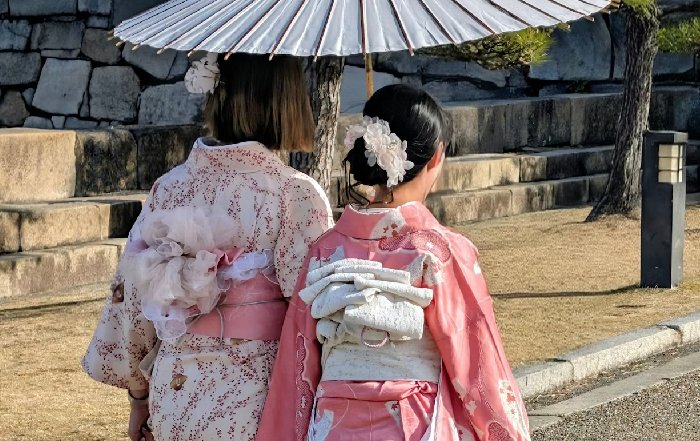
The kimono, long associated with ceremonial dress and traditional Japanese culture, has gradually evolved from a national garment into a global design reference, informing silhouettes, layering techniques, and construction details across contemporary fashion. Institutions such as the Victoria and Albert Museum in London and the Metropolitan Museum of Art in New York have dedicated major exhibitions to the kimono's history and its reinterpretation by Western and Japanese designers alike, underscoring its status as both cultural artifact and modern design template.
For global brands in Europe, North America, and Asia, the kimono's influence is visible in wrap closures, obi-inspired belts, generous sleeves, and fluid, modular garments that adapt to different body types and climates. The rise of hybrid work and travel lifestyles, tracked closely in xdzee.com/travel.html and xdzee.com/destination.html, has only increased the appeal of such versatile pieces that move seamlessly from city commutes to long-haul flights. At the same time, Japanese designers have been careful to communicate that the kimono is not simply a style to be borrowed but a cultural system encompassing etiquette, craftsmanship, and regional variations, a nuance that responsible global brands must acknowledge as they build collections for markets from the United States and Canada to Singapore and Denmark.
The most sophisticated fashion businesses now treat the kimono not as a motif but as a case study in how a garment can carry meaning, history, and modular construction logic. By studying pattern-making traditions and textile techniques documented by organizations such as the Japan Foundation and cultural research from Japan National Tourism Organization, design teams in Paris, Milan, London, and New York are learning how to integrate Japanese principles into contemporary wardrobes without reducing them to surface-level decoration. This deeper engagement aligns closely with the emphasis on ethics and cultural sensitivity that informs editorial perspectives on xdzee.com/ethics.html and xdzee.com/culture.html.
Streetwear as the New Global Runway for Japanese Ideas
While luxury maisons and heritage houses introduced Japanese aesthetics to elite audiences, it is streetwear that has turned them into a global vernacular. Brands such as A Bathing Ape (BAPE), Neighborhood, and WTAPS helped establish Tokyo as a creative epicenter in the 1990s and 2000s, long before the current wave of digital-first hype. Their influence, combined with the work of designers like Nigo, Hiroshi Fujiwara, and Jun Takahashi, laid the foundation for collaborations that reshaped the business models of global sportswear and lifestyle brands.
Partnerships between Japanese streetwear labels and international giants such as Nike, Adidas, and The North Face have demonstrated how limited drops, narrative-driven collections, and cross-cultural storytelling can drive both brand equity and financial performance. Analysts at platforms like Business of Fashion and McKinsey & Company have repeatedly highlighted Japanese streetwear's role in redefining scarcity, community, and product storytelling, themes that resonate strongly with the performance and innovation focus of xdzee.com/performance.html and xdzee.com/brands.html.
In markets such as the United States, the United Kingdom, Germany, France, and South Korea, Japanese-inspired streetwear is now part of everyday urban dress. Oversized silhouettes, layered proportions, and technically advanced fabrics echo the interplay of tradition and futurism that characterizes Tokyo's Harajuku and Shibuya districts. For younger consumers who follow global sports and adventure culture through platforms like xdzee.com/sports.html and xdzee.com/adventure.html, these aesthetics align with skateboarding, cycling, and outdoor lifestyles that demand both performance and individuality.
Minimalism, Wabi-Sabi, and the New Luxury Mindset
Beyond visible references to kimonos or streetwear silhouettes, Japanese aesthetics are reshaping how global audiences define luxury, quality, and desirability. The philosophy of wabi-sabi, which embraces imperfection, transience, and natural aging, has become a powerful counterpoint to the polished, hyper-produced imagery that long dominated fashion advertising. Brands that draw on this philosophy emphasize tactile fabrics, subtle color palettes, and garments designed to develop character over years of wear, rather than being discarded after a few seasons.
Designers such as Yohji Yamamoto, Issey Miyake, and Rei Kawakubo of Comme des Garçons helped seed this sensibility in Paris and New York, showing that asymmetry, deconstruction, and monochrome palettes can communicate sophistication and intellectual depth. Their work, documented extensively by institutions such as the Fashion Institute of Technology and covered by platforms like Vogue, has inspired a generation of European and North American brands that now prioritize quiet luxury over conspicuous logos. This shift is particularly visible in markets such as Switzerland, the Netherlands, and Scandinavia, where consumers already favored understated design and now find in Japanese minimalism a refined global language that aligns with their values.
For business leaders and investors following xdzee.com/business.html, this evolution in taste has concrete implications. It encourages longer product lifecycles, more conservative inventory strategies, and a focus on materials and construction that justify premium pricing. It also dovetails with the growth of resale and circular fashion platforms highlighted by organizations such as the Ellen MacArthur Foundation, where garments designed to age gracefully hold higher residual value. In this context, Japanese aesthetics are not a niche trend but a structural driver of new value propositions across the fashion supply chain.
Craftsmanship, Technology, and Performance: A Japanese Synthesis
Another defining feature of Japanese influence on global fashion is the seamless integration of traditional craftsmanship with cutting-edge technology. Textile innovation hubs in regions such as Fukui and Ishikawa have long supplied advanced fabrics to both domestic and international sportswear and outdoor brands, enabling garments that combine breathability, durability, and weather resistance with refined aesthetics. Companies like Toray Industries and Teijin have collaborated with global performance leaders, contributing to the technical foundations behind jackets, running gear, and mountaineering apparel used from the Alps to the Rockies and from Norway to New Zealand.
This synthesis is particularly relevant to readers engaged with performance, safety, and innovation topics across xdzee.com/safety.html and xdzee.com/performance.html. Japanese mills and technology firms have pioneered fabrics that balance lightweight construction with abrasion resistance, moisture management, and UV protection, making them indispensable to brands serving athletes, adventurers, and urban commuters alike. Reports from organizations such as the World Economic Forum and research published by MIT have underscored how such material science advances sit at the intersection of sustainability, performance, and economic competitiveness.
At the same time, Japanese craftsmanship traditions-indigo dyeing, sashiko stitching, and meticulous pattern cutting-continue to influence denim, workwear, and heritage-inspired collections worldwide. The resurgence of premium Japanese denim in markets like the United States, the United Kingdom, Germany, and Australia illustrates how consumers are willing to pay for authenticity and traceability when these are communicated clearly. Brands that can articulate the story behind their fabrics and finishing processes are better positioned to build long-term trust, a dynamic that aligns closely with the trustworthiness and authority that xdzee.com prioritizes in its editorial approach.
Ethics, Sustainability, and the Cultural Logic of Longevity
As sustainability moves from a niche concern to a central pillar of corporate strategy, Japanese aesthetics offer more than visual inspiration; they provide a cultural logic of longevity, repair, and respect for resources. Practices such as boro (patchwork mending) and sashiko (reinforcement stitching) embody an ethic of extending a garment's life, which resonates strongly with contemporary circularity initiatives in Europe, North America, and Asia. Organizations like the UN Environment Programme and the Ellen MacArthur Foundation have emphasized the need to reduce textile waste and increase garment lifespans, and Japanese-inspired approaches to repair and upcycling offer practical pathways to achieve these goals.
Brands in markets from Sweden and Norway to Canada and Japan are experimenting with visible mending, modular design, and take-back programs that draw on these traditions while using modern technologies for tracking and refurbishing. For professionals following ethics and sustainability discussions on xdzee.com/ethics.html and xdzee.com/world.html, Japanese aesthetics provide a culturally rich case study in how design philosophies can support environmental objectives without sacrificing commercial viability.
This alignment between aesthetics and ethics also influences consumer behavior, particularly among younger demographics in the United States, the United Kingdom, Germany, France, and South Korea, who increasingly seek brands that reflect their values. Surveys and trend analyses from organizations like Deloitte and PwC show that Gen Z and millennial consumers reward transparency, durability, and responsible sourcing. Japanese-influenced brands that foreground these attributes, whether in high-end fashion or accessible streetwear, are better positioned to capture loyalty in a crowded marketplace.
Global Labor, Creative Jobs, and the Japanese Fashion Ecosystem
The diffusion of Japanese aesthetics across global fashion has also reshaped labor markets and creative career paths from Tokyo and Osaka to London, New York, Berlin, and beyond. The growth of Japanese-inspired labels, collaborations, and content has created demand for designers, pattern cutters, textile specialists, merchandisers, and marketers who understand both Japanese culture and international consumer expectations. For readers exploring opportunities and talent trends via xdzee.com/jobs.html, this represents a fertile area for cross-border careers and specialized expertise.
Fashion schools and universities in Japan, the United States, the United Kingdom, France, and Italy increasingly offer modules on Japanese design history, aesthetics, and language, reflecting industry demand for culturally literate professionals. Institutions such as Bunka Fashion College in Tokyo and Central Saint Martins in London are particularly influential in this regard, with alumni working at major houses in Europe, North America, and Asia. At the same time, digital platforms and social media have enabled independent Japanese designers and artisans to reach global audiences directly, creating new micro-economies of niche brands and limited-run products that appeal to highly engaged communities.
For business leaders and policymakers monitoring global employment trends, reports from organizations such as the International Labour Organization and the OECD highlight how creative industries, including fashion, contribute to urban regeneration, tourism, and export growth. Japanese fashion districts such as Harajuku, Shibuya, and Ura-Harajuku have become destinations in their own right, attracting visitors from the United States, Europe, Australia, and across Asia. This interplay between fashion, culture, and travel aligns closely with the multi-dimensional interests of xdzee.com readers who move fluidly between lifestyle, business, and destination content on xdzee.com/travel.html and xdzee.com/destination.html.
Digital Culture, Gaming, and the Next Wave of Japanese-Inspired Style
The next frontier of Japanese influence on global fashion is unfolding not only on runways and city streets but also in digital spaces, gaming environments, and virtual communities. Aesthetic codes drawn from anime, manga, and gaming-long associated with otaku culture-have entered mainstream fashion through collaborations between apparel brands and entertainment franchises. Partnerships involving companies such as Nintendo, Square Enix, and Bandai Namco have introduced character-inspired capsules and esports-driven collections that resonate with fans from the United States and Canada to Brazil, Germany, and South Korea.
This convergence of digital culture and apparel is particularly visible in the rise of virtual fashion, where Japanese-inspired avatars, skins, and digital garments appear in gaming ecosystems and metaverse-style platforms. Analysts at organizations such as Accenture and KPMG have noted how these developments create new revenue streams and brand touchpoints, especially among younger consumers who may first encounter a brand in a virtual environment before purchasing physical products. For readers attuned to innovation and performance at xdzee.com/innovation.html and xdzee.com/performance.html, this blending of physical and digital fashion underscores the strategic importance of understanding Japanese visual languages and narrative structures.
At the same time, the aesthetic sensibilities of Japanese cities-from the neon density of Shinjuku to the refined calm of Kyoto-continue to inspire global creative direction in lookbooks, campaigns, and retail design. Travel-oriented media and organizations such as Lonely Planet and National Geographic have amplified this imagery, encouraging a new generation of travelers from Europe, North America, and Asia to experience Japan's fashion districts and craft regions first-hand. This tourism dynamic reinforces the feedback loop between local culture and global fashion, a loop that xdzee.com is well positioned to document across its interconnected coverage of travel, culture, lifestyle, and business.
Strategic Implications for Brands and Leaders
For executives, investors, and entrepreneurs who rely on xdzee.com to navigate global business and lifestyle trends, the influence of Japanese aesthetics on fashion offers several strategic insights. First, it demonstrates that design philosophies rooted in specific cultural contexts can achieve global relevance when they are translated with respect, depth, and consistency. Brands that invest in understanding Japanese concepts such as wabi-sabi, ma (the space between), and omotenashi (hospitality) are better equipped to build products, services, and customer experiences that feel both distinctive and human-centered in markets as diverse as the United States, Germany, Singapore, and South Africa.
Second, the Japanese example underscores the commercial value of restraint and longevity in an era of information overload and environmental concern. As consumers in Europe, North America, and Asia grow more skeptical of overproduction and disposable fashion, the disciplined, detail-oriented approach of Japanese design provides a credible framework for premium positioning and sustainable growth. Business leaders can learn more about sustainable business practices and circular models through resources provided by organizations like the World Resources Institute, then apply those insights in ways that harmonize with Japanese-inspired aesthetics of durability and repair.
Third, the integration of advanced materials, performance features, and refined aesthetics in Japanese-influenced fashion offers a template for cross-sector innovation. Lessons from textile engineering and apparel design can inform product development in adjacent fields such as outdoor equipment, mobility, and even architecture, echoing the multidisciplinary curiosity that shapes editorial coverage on xdzee.com/innovation.html and xdzee.com/business.html. In this sense, the journey from kimono to streetwear is part of a broader narrative about how cultural heritage, technology, and global markets interact to create new forms of value.
Finally, the Japanese fashion story highlights the importance of trust, expertise, and long-term perspective in an industry often associated with volatility and short-term trends. Designers, artisans, and brands that have maintained a consistent commitment to craft and authenticity over decades now enjoy heightened influence in 2026, as global audiences seek anchors in a rapidly changing world. This emphasis on experience, expertise, authoritativeness, and trustworthiness mirrors the editorial values that guide xdzee.com, reinforcing the platform's role as a reliable navigator for readers who straddle the worlds of business, culture, sport, travel, and lifestyle.
A Continuing Dialogue Between Tradition and Tomorrow
As the fashion industry looks beyond current times, the influence of Japanese aesthetics appears less as a passing wave and more as an ongoing dialogue between tradition and tomorrow. From kimono-inspired silhouettes in European capitals to Japanese-denim workwear in North American cities, from performance outerwear built on Japanese textiles to virtual garments shaped by anime and gaming culture, the reach of this aesthetic ecosystem is both broad and deep. It connects artisans in regional Japanese workshops with consumers in Berlin, Toronto, Sydney, and São Paulo; it links heritage philosophies of repair and respect with cutting-edge material science; it bridges the physical streets of Tokyo with the digital spaces where the next generation of style is already emerging.
For xdzee, whose audience spans continents and sectors-from sports and adventure enthusiasts to business strategists, culture watchers, and ethical consumers-this story is emblematic of the interconnected world they navigate every day. The evolution from kimono to streetwear is not only a fashion narrative; it is a case study in how ideas travel, adapt, and create value across borders and disciplines. In following this evolution, and in connecting it to broader themes of performance, safety, innovation, ethics, and destination, xdzee.com offers its readers a vantage point that is both global in scope and deeply attuned to the cultural nuances that shape what people wear, how they move, and how they define identity in an increasingly complex world.