

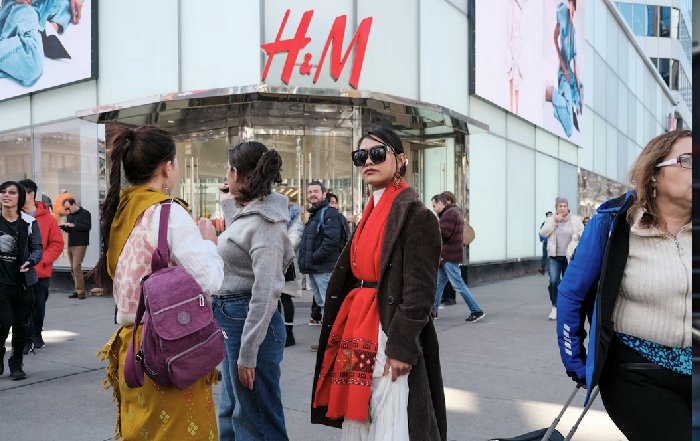
Brands Making an Impact Across Cultures
The Global Standard for Culturally Intelligent Brands
In 2026, brands that reach across borders are judged less by their scale and more by the depth of their cultural intelligence, the credibility of their commitments, and the transparency with which they align commercial success to societal expectations. For audiences in the United States, the United Kingdom, Germany, Canada, Australia, France, Italy, Spain, the Netherlands, Switzerland, China, Sweden, Norway, Singapore, Denmark, South Korea, Japan, Thailand, Finland, South Africa, Brazil, Malaysia, New Zealand and every major region across Europe, Asia, Africa, North America and South America, the central question has shifted from whether a brand can expand globally to whether it can sustain meaningful relevance and positive impact in every community it touches.
Within this environment, XDZEE has evolved as a dedicated lens on how brands intersect with culture, performance and everyday life, tracing their influence across sports, adventure, travel, business, lifestyle and beyond. The platform's coverage is shaped by the principles of experience, expertise, authoritativeness and trustworthiness, because its global readership expects more than surface-level narratives; they look for evidence that organizations operating in New York, London, Berlin, Singapore, Johannesburg understand local realities while contributing to a shared global future. In an era where information flows instantly and reputations can be transformed in hours, brands that succeed across cultures are those that build resilient, verifiable stories about who they are, what they stand for and how they deliver value in ways that withstand scrutiny from regulators, journalists, investors, communities and employees alike.
From One-Way Globalization to Cultural Co-Creation
The earlier waves of globalization were dominated by a one-way model in which large corporations based in North America or Western Europe pushed standardized products, messages and aesthetics into other regions with limited adaptation. By the mid-2020s, this model has been largely replaced by a more dynamic form of cultural co-creation, where local markets actively shape global brands rather than passively consuming them. Analysis from organizations such as McKinsey & Company and Boston Consulting Group underscores that brands which empower local teams, respect regional identities and integrate local insights into global strategy enjoy stronger growth, higher loyalty and greater resilience in volatile conditions.
This transformation is evident across sportswear, technology, financial services, mobility, hospitality and media. Nike, for example, now builds its global narrative from a mosaic of local stories, highlighting runners in Kenya, football communities in Brazil, skateboarders in Spain, basketball cultures in China and lifestyle athletes in cities from Toronto to Tokyo, rather than relying on a narrow set of Western icons. Publications such as the Harvard Business Review have chronicled how this shift toward co-created strategy demands new leadership capabilities, including cultural humility and distributed decision-making. On XDZEE, this evolution appears in coverage that follows how performance and lifestyle brands listen to communities in Berlin, Cape Town, Seoul or Rio de Janeiro, and how those communities, in turn, redefine what achievement, identity and aspiration look like in a connected world.
Experience: Designing Culturally Attuned Journeys
Experience has become the primary differentiator for global brands, especially in sectors closely connected to travel, adventure and destination-oriented storytelling. Consumers in Singapore, Norway, South Africa or Brazil no longer accept generic interactions; they expect seamless journeys that respect local customs, languages, safety norms and digital habits while still benefiting from the efficiencies and innovation of global platforms. The World Economic Forum has highlighted how experience-driven engagement now sits at the center of value creation, with customers rewarding organizations that anticipate their needs and interpret their cultural context with nuance.
For a hospitality brand in Thailand, Italy or Canada, this means going beyond standard service protocols to integrate local food traditions, religious observances, environmental expectations and social etiquette into every touchpoint, from check-in to digital follow-up. For a sports or performance brand staging events in Germany or Brazil, it requires understanding how fans perceive safety, celebration, inclusivity and community, and then tailoring stadium design, digital content, merchandising and post-event engagement accordingly. XDZEE follows these developments closely, particularly where experiential innovation intersects with safety and performance, examining how leading organizations use data, design and human insight to create experiences that are not only efficient and engaging but also culturally respectful and emotionally resonant.
Digital technologies have accelerated this experiential shift by enabling immersive, borderless environments. Augmented reality, virtual coaching, live-streamed events and personalized content recommendations are deployed by companies such as Adidas, Apple, Samsung and Tencent to connect communities across continents. A fan in Spain can join a live training session in the United States; an enthusiast in Australia can explore a new product launch in Japan in real time. Research from Gartner shows that brands which orchestrate these multi-channel experiences with cultural intelligence tend to outperform peers in customer satisfaction, retention and advocacy, reinforcing the idea that experience is now a strategic asset rather than a marketing afterthought.
Expertise: Local Insight as a Core Competence
In 2026, expertise is defined not only by technical mastery but by a brand's ability to interpret and navigate the cultural, regulatory and social dynamics of every market it serves. This is especially critical in regions such as the European Union, where regulations on data protection, sustainability and labor standards are stringent, and in Asia, where major markets like China, India, South Korea and Southeast Asian economies each present distinct institutional frameworks and cultural expectations. The OECD and the World Bank have repeatedly stressed that localized expertise is essential for sustainable growth, risk management and long-term legitimacy.
A brand entering South Korea or Brazil must understand consumer preferences, digital ecosystems, labor norms, environmental expectations and the role of local institutions in shaping business practice. For XDZEE, this emphasis on localized understanding is reflected in its business and world coverage, which explores how organizations adapt strategies to align with different legal systems, social contracts and cultural narratives while maintaining coherent global values. In sports and lifestyle, expertise also means reading the deeper cultural codes that shape participation and aspiration: a performance brand in Japan must engage with concepts of craftsmanship, longevity and collective responsibility; a lifestyle brand in Sweden, Norway or Denmark must align with values of balance, equality and environmental stewardship.
Publications such as The Economist have documented how brands that invest in local research partnerships, advisory councils and community dialogue are better positioned to avoid missteps and to offer products and services that feel genuinely relevant. On XDZEE, case studies frequently show that authentic expertise cannot be outsourced to translation alone; it requires long-term presence, listening and collaboration with local stakeholders, from athletes and creators to policymakers and civil society organizations.
Authoritativeness: Leading Conversations with Evidence
Authoritativeness has become a vital differentiator in a fragmented and often polarized information landscape. Brands that operate across cultures are increasingly expected to lead conversations on sustainability, innovation, ethics and social impact, but they can only do so credibly when their claims are backed by robust data, transparent reporting and verifiable action. Frameworks established by the United Nations Global Compact and the World Resources Institute provide reference points for assessing whether organizations are making substantive progress on climate, human rights and resource management, or merely engaging in symbolic communication.
Leading brands in 2026 publish detailed sustainability and impact reports, engage with universities and think tanks, and open themselves to independent audits and certifications. Standards from bodies such as the International Organization for Standardization help validate statements related to quality, safety, environmental performance and data management, especially in markets like Germany, Switzerland and the Netherlands, where regulatory scrutiny and public expectations are high. For XDZEE, this dimension of authoritativeness is central to its coverage of innovation, ethics and culture, where the platform examines whether brands have the track record and expertise to speak credibly on issues such as athlete welfare, responsible tourism, circular design or digital rights.
When a global sports organization advocates for mental health support, or a travel brand promotes low-impact itineraries in fragile ecosystems across Africa or South America, XDZEE evaluates whether those positions are supported by long-term programs, measurable outcomes and independent verification. Authoritativeness, in this sense, is not claimed but earned, and in 2026 it is increasingly scrutinized by professionals, enthusiasts and policymakers who expect brands to provide leadership grounded in evidence rather than in slogans.
Trustworthiness: The Defining Currency of Global Brands
Trust remains the core currency for brands operating across cultures, and in 2026 it is shaped by a complex interplay of data privacy, physical safety, social responsibility and ethical governance. High-profile breaches of customer data, supply chain abuses and labor controversies over the past decade have made audiences in North America, Europe, Asia, Africa and South America more aware of the risks that accompany global scale. Regulatory bodies such as the European Data Protection Board and national authorities in the United States, Canada, Australia and other jurisdictions have strengthened compliance requirements, while investigative journalism and civil society watchdogs have expanded their reach.
Trustworthiness is now demonstrated through transparent data practices, robust safety standards, inclusive employment policies and meaningful engagement with local communities. In sectors connected to sports, adventure and travel, safety has moved to the center of the brand promise, covering not only customer protection but also the welfare of employees, contractors, athletes and local partners. Organizations such as the International Labour Organization provide guidance on occupational health, labor rights and decent work, and their frameworks increasingly shape how sophisticated audiences assess corporate behavior.
For XDZEE, trustworthiness is a primary lens in reporting on high-performance equipment, adventure experiences and digital platforms that handle sensitive information. Readers in the United Kingdom, Germany, Singapore, Japan, South Africa or Brazil expect the platform to look beyond marketing claims and examine how brands respond to crises, address systemic risks and learn from mistakes. Trust is reinforced when organizations communicate openly about challenges, share progress and setbacks, and invite third-party assessment, rather than relying on polished narratives that obscure underlying tensions.
Innovation with Cultural and Social Intelligence
Innovation remains a decisive driver of competitive advantage, but in 2026 it is evaluated not only on technological sophistication or speed to market but also on cultural intelligence, equity and long-term societal impact. When brands introduce new products, services or business models across regions, they must consider how those innovations intersect with local values, regulatory frameworks and infrastructure realities. A frictionless payments solution that delights consumers in the United States may raise data sovereignty concerns in Germany; an urban mobility platform that thrives in South Korea or Japan may need significant adaptation to work in cities in South Africa or Brazil with different transport systems and social patterns.
Institutions such as the MIT Sloan School of Management and the Stanford Graduate School of Business have emphasized that inclusive innovation, which incorporates diverse cultural perspectives and stakeholder input, leads to more resilient and widely accepted solutions. Health, wellness and lifestyle brands that incorporate traditional practices from China, India, Thailand or indigenous communities must approach these heritages with respect, scientific rigor and genuine partnership, avoiding appropriation while co-creating new offerings. The Ellen MacArthur Foundation has shown how circular economy models can be tailored to regional realities, aligning innovation with resource efficiency and local livelihoods.
On XDZEE, innovation is frequently examined where it intersects with performance, safety and adventure, from advanced materials in sports equipment for athletes in Canada and Finland to autonomous driving features in the Netherlands and Singapore, or AI-powered travel planning across Europe and Asia. The platform highlights that the most successful innovations are those that are designed with privacy, fairness, accessibility and cultural fit in mind, and that brands which ignore these dimensions risk regulatory pushback, public skepticism or uneven adoption across regions.
Ethics, Culture and Rising Global Expectations
Ethical leadership has moved from the margins of corporate strategy to its core, particularly for organizations that operate in multiple cultural and regulatory environments. Issues such as human rights, environmental impact, diversity and inclusion, algorithmic bias and responsible marketing are scrutinized by consumers, employees, investors and policymakers across the United States, the United Kingdom, the European Union, South Korea, Japan, New Zealand and emerging markets alike. Advocacy groups including Amnesty International and Human Rights Watch, along with frameworks such as the UN Guiding Principles on Business and Human Rights, provide benchmarks against which corporate conduct is assessed and compared.
Cultural sensitivity and ethical consistency can sometimes appear to be in tension, especially when norms and laws vary widely between markets. Brands that apply their strongest environmental, labor and governance standards globally, rather than lowering expectations in countries with weaker regulation, increasingly differentiate themselves as trustworthy partners. Platforms such as the Business & Human Rights Resource Centre document where companies fall short or set new benchmarks, making it difficult for organizations to claim leadership without demonstrable action.
On XDZEE, ethics and culture are recurring themes, particularly in coverage of culture and brands, where the platform examines how global organizations work with local athletes, artists, designers and entrepreneurs. From streetwear communities in London, Paris and Berlin to outdoor adventure cultures in New Zealand, Canada and Norway, the question is whether partnerships are equitable, transparent and respectful, and whether local voices hold real influence rather than serving as symbolic endorsements. In 2026, audiences are increasingly adept at distinguishing genuine cultural collaboration from tokenism, and XDZEE reflects this sophistication in its editorial perspective.
Sports, Adventure, Travel and Shared Global Narratives
Sports, adventure and travel occupy a distinctive space in the global brand ecosystem because they naturally cross borders and create shared narratives that resonate in very different cultural settings. Mega-events such as the Olympic Games, World Championships and major marathons in cities like New York, London, Berlin, Tokyo and Sydney offer brands a stage to showcase innovation, inclusivity and environmental responsibility. Organizations such as the International Olympic Committee and FIFA have increasingly emphasized legacy, sustainability and social impact, and these priorities shape the expectations placed on sponsors and partners.
Adventure and travel brands operating in the Alps, the Rockies, the beaches of Thailand, the fjords of Norway, the game reserves of South Africa or the national parks of the United States must balance the promise of unique experiences with responsibilities around safety, environmental protection and cultural respect. The UN World Tourism Organization offers guidance on responsible tourism and destination management, and its principles are increasingly reflected in how sophisticated travelers choose itineraries and evaluate service providers. XDZEE brings these strands together in its destination and travel reporting, illustrating how brands can design journeys that satisfy a global appetite for exploration while supporting local economies and preserving fragile ecosystems.
In sports and performance, the most impactful brands recognize that while the drive to excel is universal, the pathways and traditions that shape that drive are deeply local. Running initiatives in Kenya or Ethiopia draw on long-standing community structures and training philosophies; winter sports programs in Switzerland, Canada, Sweden or Finland integrate local expertise in safety, terrain and climate; football academies in Spain, Brazil or South Africa engage with neighborhood identities and social mobility. XDZEE highlights how these stories are co-created by global organizations and local stakeholders, and how they influence broader cultural conversations about health, identity and opportunity.
Jobs, Skills and the Future of Work in Global Brands
The influence of global brands extends far beyond consumer markets into labor systems, skills development and the evolving nature of work. Organizations now orchestrate distributed teams that span engineering centers in Germany and India, design studios in Italy and the United States, logistics hubs in the Netherlands and Singapore, and support operations in South Africa, Brazil or Malaysia. The normalization of remote and hybrid work has widened access to global career paths for professionals in cities such as Toronto, Melbourne, Stockholm, Seoul and Bangkok, while also raising new questions about inclusion, well-being and long-term career development.
Institutions like the International Monetary Fund and the International Labour Organization have documented how digitalization and globalization are reshaping jobs, demanding continuous learning and new forms of social protection. Brands that aspire to be employers of choice now invest in structured training, fair and transparent compensation, safe working conditions, mental health support and inclusive cultures for employees from diverse backgrounds. XDZEE reflects these dynamics in its jobs and business coverage, exploring how leading organizations build cross-cultural teams, design equitable career pathways and give employees in different regions a meaningful voice in decision-making.
For early-career professionals in London, Vancouver, Zurich, Singapore, Tokyo or Johannesburg, decisions about where to work are increasingly shaped by perceptions of purpose, ethics and global citizenship. They seek brands that respect local identities while offering international exposure, that commit to climate action and social impact, and that practice transparent governance. Research from sources such as Deloitte Insights reinforces that younger generations evaluate employers not only on pay and prestige but on values and behavior, a trend that XDZEE sees echoed in the stories of athletes, creators, technologists and entrepreneurs it profiles around the world.
Role in a Connected, Demanding World
In this demanding global landscape, XDZEE serves as a trusted guide for readers who want to understand how brands truly operate across cultures, and what that means for sports, adventure, travel, business and everyday life. By integrating perspectives from news, world, lifestyle, innovation, ethics and culture, the platform offers a cohesive view of how organizations influence experiences and opportunities in cities and regions as varied as they are.
The editorial approach at XDZEE is grounded in experience, expertise, authoritativeness and trustworthiness, reflecting the expectations of a global audience that values depth, context and critical assessment over unchallenged promotion. As brands continue to expand across continents and digital ecosystems, the cost of misreading culture or treating ethics as a campaign theme rather than a core commitment will only rise. Organizations that listen carefully, partner authentically and act consistently can turn cultural diversity into a source of innovation and resilience; those that do not will face increasing skepticism in a world where information is abundant and scrutiny is relentless.
For readers who want to follow how sports, adventure, travel, business, brands and culture evolve in this interconnected era, XDZEE offers a continuously updated, globally informed perspective anchored in the realities of 2026. From performance and safety to innovation and ethics, the platform connects stories from every region into a single, coherent view of how brands are shaping and being shaped by culture. That perspective is accessible at xdzee.com, where global narratives meet local insight, and where the impact of brands across cultures is examined with the rigor and curiosity that today's audience demands.