

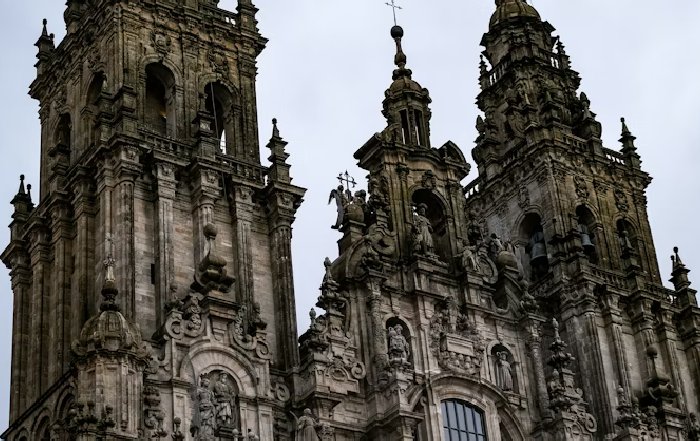
The Pilgrim's Path: Finding Meaning on the Camino de Santiago
The Camino in a Changing World
The Camino de Santiago stands at a unique intersection of history, spirituality, tourism, and global business, embodying many of the tensions and opportunities that define modern life. What was once a medieval pilgrimage route across northern Spain has evolved into a living ecosystem of travel services, cultural experiences, sustainability projects, and digital innovation that attracts walkers, runners, cyclists, and spiritual seekers from across Europe, North America, Asia, Africa, and South America. For readers of xdzee.com, whose interests span sports, adventure, travel, business, performance, safety, innovation, ethics, culture, and global destinations, the Camino offers a remarkably rich lens through which to understand how meaning is created, traded, and transformed in an era of constant change.
The Camino's resurgence over the past three decades has been well documented by organizations such as Turespaña and the Galician regional authorities, which track the growth in pilgrim numbers and the economic impact on local communities. Those seeking to understand the broader context of global tourism trends can explore how international arrivals have shifted in recent years and how long-distance walking routes fit into a wider move toward experiential, slow travel by consulting resources such as the UN World Tourism Organization. At the same time, the Camino is not merely a tourism product; it is a living cultural and spiritual tradition recognized by UNESCO as a World Heritage site, and its enduring appeal lies in the way it invites people from the United States, the United Kingdom, Germany, Canada, Australia, France, Italy, Spain, the Netherlands, Switzerland, China, Sweden, Norway, Singapore, Denmark, South Korea, Japan, Thailand, Finland, South Africa, Brazil, Malaysia, and New Zealand to step out of their routines and question what truly matters.
For xdzee.com, which has cultivated a community of readers who care deeply about purposeful travel and performance in both life and work, the Camino represents more than a scenic trail; it is an evolving case study in how individuals and organizations search for meaning, build resilience, and balance ambition with reflection. Readers who wish to explore how the Camino sits alongside other transformative journeys and destinations can find related coverage in the platform's sections on travel, destination, and world.
A Brief History of Pilgrimage and Purpose
The story of the Camino de Santiago begins in the early Middle Ages, when the tomb of the apostle Saint James was said to have been discovered in what is now Santiago de Compostela in Galicia. Over centuries, routes from across Europe converged on this remote corner of the Iberian Peninsula, turning it into one of Christianity's three major pilgrimage destinations alongside Rome and Jerusalem. Historians and theologians have traced how this network of paths shaped European identity, trade, and politics, and how religious institutions used pilgrimage as a tool of devotion, penance, and social cohesion. Those who wish to explore the historical foundations in greater depth can consult resources such as the Vatican's materials on pilgrimage or background information provided by Europeana, which curates cultural heritage across the continent.
In the late twentieth century, after centuries of relative decline, the Camino experienced a remarkable revival. Secular hikers, spiritual seekers, and adventure travelers began to rediscover the route, inspired by literature, film, and the growing popularity of long-distance trekking. This resurgence coincided with broader shifts in global culture, where traditional religious practice declined in many Western countries while interest in individual spiritual exploration increased. Research from organizations such as the Pew Research Center on changing religious and spiritual identities provides useful context for understanding why a medieval pilgrimage route has found new relevance in the twenty-first century.
By 2026, the Camino has become a complex hybrid: part sacred path, part international travel corridor, part cultural exchange network, and part economic lifeline for rural communities. For many, walking the Camino is less about doctrinal belief and more about seeking clarity at moments of transition-career changes, retirement, grief, or burnout. It is this search for purpose amid complexity that resonates strongly with xdzee.com readers who operate in high-performance environments yet sense the need for deeper alignment between their personal values and professional trajectories.
The Modern Pilgrim: Sports, Performance, and Adventure
The contemporary Camino is no longer defined solely by slow, contemplative walking. It has grown into a multi-modal experience that appeals to athletes, endurance enthusiasts, and adventure travelers who see the route as both a physical challenge and a mental reset. Runners tackle segments of the Camino Francés as ultra-distance events, cyclists cover hundreds of kilometers across varied terrain, and some combine trail running and fastpacking techniques to push their limits while still honoring the traditional rhythm of arrival at each day's destination.
From a performance perspective, the Camino offers a living laboratory for endurance, recovery, and mental resilience. Sports scientists and coaches increasingly recognize that long-duration, moderate-intensity efforts-typical of multi-week walking or cycling journeys-build not only cardiovascular capacity but also psychological stamina. Organizations such as the American College of Sports Medicine and the UK's National Health Service have published extensive guidance on the benefits of sustained physical activity, emphasizing its impact on mental health, stress reduction, and cognitive function. For business leaders and professionals, these insights reinforce that the Camino is not a retreat from performance but a reconfiguration of it, where success is measured in consistent daily progress rather than short bursts of intensity.
Readers of xdzee.com who are drawn to sports and adventure will recognize in the Camino a continuum with other endurance challenges, yet the pilgrimage dimension introduces a distinctive layer of reflection. It is not simply about beating a time or conquering a summit; it is about understanding why the challenge matters. Coverage in the platform's sports, performance, and adventure sections often highlights this intersection where physical goals become catalysts for broader life questions.
Business, Tourism, and the Pilgrim Economy
Beyond its spiritual and personal dimensions, the Camino de Santiago has become an influential case study in how destinations can build sustainable, experience-driven economies. Small towns along routes in Spain, France, Portugal, and beyond have seen a resurgence in local businesses-hostels, guesthouses, restaurants, gear shops, and cultural centers-catering to a global flow of pilgrims. Economic analyses from bodies such as the Organisation for Economic Co-operation and Development (OECD) and the World Bank on rural development and tourism illustrate how such corridors can revitalize regions facing depopulation and aging demographics.
The Camino economy, however, is not a simple success story. It raises complex questions about overtourism, authenticity, and the balance between commercial opportunity and cultural integrity. Business owners must navigate seasonal demand, changing traveler expectations, and the need to invest in digital tools for booking, payments, and marketing. At the same time, local and regional governments must coordinate infrastructure investments, environmental protections, and cultural preservation. Those interested in these dynamics can learn more about sustainable tourism policies and best practices through organizations such as the Global Sustainable Tourism Council, which provides frameworks for destinations seeking to balance economic growth with environmental and social responsibility.
For xdzee.com, which maintains a sharp focus on how business and brands operate in a global context, the Camino offers instructive examples of micro-entrepreneurship, brand building, and service innovation in a highly competitive yet values-driven environment. Independent albergue owners build reputations through hospitality and storytelling; equipment manufacturers and outdoor brands test products in demanding real-world conditions; and travel companies design specialized itineraries for corporate groups, retirees, and young professionals. Readers can explore related analyses in the platform's business and brands sections, where the emphasis often falls on how organizations align profit with purpose.
Innovation, Digital Tools, and Safety on the Trail
By 2026, the Camino is deeply intertwined with digital innovation. Pilgrims plan routes using mapping platforms, book accommodations via mobile apps, and share real-time updates on trail conditions through social networks and dedicated community forums. Technology companies have developed navigation tools that integrate weather forecasts, elevation profiles, and safety alerts, while health and fitness wearables track steps, heart rate, sleep quality, and recovery metrics. Those interested in the intersection of travel and technology can follow developments through outlets such as Skift and Phocuswright, which analyze the future of travel tech and digital platforms.
Safety has become a central concern as the Camino welcomes an increasingly diverse demographic, including older walkers, solo female travelers, and participants with limited hiking experience. Local authorities and organizations provide guidance on route conditions, seasonal risks, and emergency contacts, often drawing on best practices from agencies such as the World Health Organization and national health services. Learn more about safe and responsible travel practices by consulting resources that emphasize preparation, risk assessment, and health precautions for long-distance journeys.
In parallel, cybersecurity and data privacy have emerged as important issues, as pilgrims entrust apps and platforms with personal information, location data, and payment details. Regulatory frameworks such as the European Union's General Data Protection Regulation (GDPR) set legal baselines, but trust is ultimately earned through transparent design and responsible data stewardship. For xdzee.com, which regularly explores the implications of innovation and safety in its innovation and safety coverage, the Camino illustrates how even ancient practices are now mediated by digital infrastructures that must be managed ethically and securely.
Ethics, Culture, and the Responsibility of the Modern Pilgrim
The contemporary Camino also invites reflection on ethics and cultural sensitivity. As pilgrims cross regions in Spain, France, Portugal, and beyond, they encounter local traditions, languages, religious practices, and social norms. The experience can be profoundly enriching, but it also carries responsibilities. Cultural institutions and heritage organizations stress the importance of respectful behavior at religious sites, mindful photography, and support for local artisans and family-owned businesses. Resources from bodies such as UNESCO and the Council of Europe highlight how cultural routes can promote mutual understanding and peace when managed with care.
Environmental ethics are equally central. The cumulative impact of hundreds of thousands of walkers each year on trails, water resources, and waste systems cannot be ignored. Sustainability initiatives along the Camino draw inspiration from global frameworks such as the Paris Agreement and the UN Sustainable Development Goals, encouraging eco-friendly lodging, reduced plastic use, and support for local, seasonal food. Those seeking to deepen their understanding of sustainable business practices can explore guidance from organizations such as the World Business Council for Sustainable Development, which offers tools for companies and communities striving to reduce their environmental footprint while maintaining economic viability.
For the community around xdzee.com, ethical reflection is not an abstract add-on but a core dimension of how travel, business, and lifestyle choices are evaluated. The platform's ethics and culture sections frequently return to the question of how individuals and organizations can act with integrity in complex, cross-cultural settings. On the Camino, this translates into everyday decisions: choosing accommodations that pay fair wages, supporting local producers rather than global chains when possible, and engaging with fellow pilgrims and residents with humility and openness.
Careers, Transitions, and the Search for Meaning
One of the most striking aspects of the modern Camino is the number of people who walk it at career inflection points. Professionals from finance in London, technology in Berlin, healthcare in Toronto, manufacturing in Seoul, and creative industries in São Paulo arrive with questions about burnout, leadership, purpose, and the next chapter of their working lives. Long days on the trail, away from email and meeting schedules, create space for reflection that is difficult to achieve in normal routines. Career coaches and organizational psychologists often highlight the importance of such "liminal spaces" where individuals can step outside their roles and reconsider their values and goals, a theme echoed in research from institutions such as Harvard Business School and the London Business School on purpose-driven leadership and career transitions.
The Camino's global community also serves as an informal networking environment, where conversations at dinner tables and dormitories connect people across industries and continents. Ideas for new ventures, social enterprises, and creative collaborations often emerge from these serendipitous encounters. For some, the journey leads to concrete changes-career shifts, sabbaticals, or new entrepreneurial projects; for others, it leads to subtler but equally significant adjustments in how they approach their existing roles. Those exploring global labor trends and the future of work can draw on analyses from organizations such as the International Labour Organization to situate these individual stories within broader patterns of remote work, flexible careers, and the search for meaning at work.
Within the xdzee.com ecosystem, where readers are attentive to jobs, business strategy, and lifestyle design, the Camino exemplifies how travel can catalyze professional reinvention and more conscious career choices. The pilgrimage does not offer easy answers, but it does provide a structured, time-bound context in which to ask better questions about what success should look like over the next decade.
Lifestyle, Wellbeing, and Long-Term Impact
Completing the Camino-or even a portion of it-often leads to changes that extend far beyond the final arrival at the cathedral in Santiago de Compostela. Many pilgrims report shifts in lifestyle: greater emphasis on walking or cycling as daily practices, simplified consumption habits, renewed attention to sleep and nutrition, and a more intentional approach to digital technology. Health organizations such as the Mayo Clinic and Cleveland Clinic have long emphasized the benefits of moderate, regular exercise and stress management techniques for long-term wellbeing, and the Camino provides a lived experience of these principles in action.
The psychological impact is equally significant. Studies in positive psychology and behavioral science, including work from universities such as Stanford and Oxford, suggest that extended immersion in nature, social connection with diverse groups, and engagement in meaningful, self-chosen challenges can increase life satisfaction and resilience. The Camino, with its combination of physical exertion, shared purpose, and reflective solitude, aligns closely with these findings. For many, the path becomes a reference point in later life, a reminder that it is possible to live more slowly, more intentionally, and more in tune with personal values.
For the audience of xdzee.com, who often balance demanding professional lives with aspirations for richer experiences and healthier lifestyles, the Camino offers a tangible model of how travel and adventure can be integrated into a broader strategy for long-term wellbeing. The platform's lifestyle coverage frequently explores similar themes, examining how habits, environment, and community shape performance and fulfillment over time.
The Camino as a Global Cultural Connector
In an era marked by geopolitical tensions, cultural misunderstandings, and polarized public discourse, the Camino stands out as a rare space where people from diverse backgrounds walk in the same direction, share the same basic routines, and engage in conversations that transcend national and ideological boundaries. Pilgrims from Europe, Asia, Africa, North America, South America, and Oceania meet on equal footing, carrying only what they can manage in a backpack and confronting the same blisters, weather, and uncertainty. Cultural theorists and peace-building organizations have noted how such shared experiences can foster empathy and mutual understanding, aligning with broader initiatives promoted by institutions such as the United Nations to encourage intercultural dialogue and cooperation.
This function as a global cultural connector is not accidental; it is embedded in the Camino's history as a network that once linked distant European regions and facilitated exchanges of ideas, art, and commerce. In 2026, with improved transportation and communication technologies, the network extends even further, drawing participants from Singapore, Japan, South Korea, China, Thailand, South Africa, Brazil, and beyond. For xdzee.com, whose readers follow world events and cultural trends closely through its news and world coverage, the Camino offers a counterpoint to narratives of division, illustrating how shared goals and embodied experiences can bridge differences that seem insurmountable in abstract debates.
Why the Camino Matters
The Camino de Santiago continues to evolve, shaped by global tourism trends, climate considerations, digital innovation, and shifting spiritual and cultural landscapes. It remains, however, fundamentally what it has been for centuries: a path that invites individuals to walk, reflect, and encounter both themselves and others in new ways. For the community gathered around xdzee.com, this path resonates on multiple levels. It speaks to the love of sport and adventure, to the desire for meaningful travel and authentic destinations, to the pursuit of high performance balanced by rest and introspection, and to the commitment to ethical, sustainable, and culturally sensitive engagement with the world.
The Camino is not merely a backdrop for personal transformation; it is a dynamic arena where business models are tested, innovations are deployed, safety protocols are refined, ethical questions are confronted, and cultural exchanges unfold every day. It challenges individuals and organizations alike to consider how they move through the world-physically, economically, and morally. In this sense, the Camino is deeply aligned with the editorial vision of xdzee.com, which seeks to illuminate the intersections between lifestyle, work, culture, and global change.
For readers considering their next journey, whether from New York or London, Berlin or Toronto, Sydney or Singapore, Johannesburg or São Paulo, the Camino de Santiago offers not only a route across northern Spain but a structured opportunity to step outside familiar patterns and ask what kind of life and world they wish to help create. As questions of sustainability, equity, innovation, and identity grow ever more pressing, the ancient pilgrim path continues to offer a surprisingly contemporary invitation: to slow down, to pay attention, and to walk-one step at a time-toward a more intentional and connected future.