

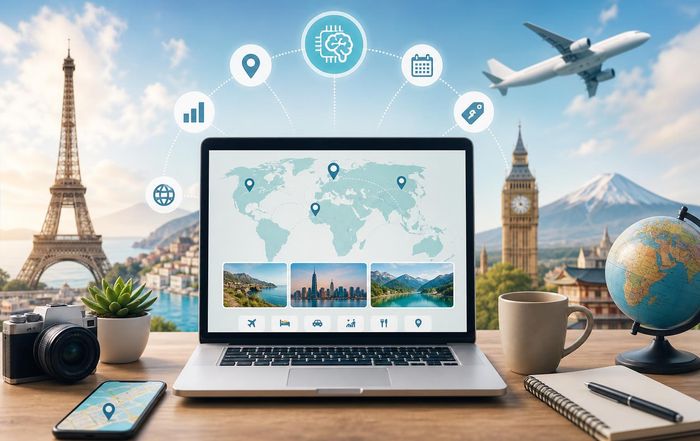
Travel Innovation for Smarter Trip Planning
Is This A New Era of Intelligent Travel?
So lets see if global travel has entered a phase where intelligent systems, real-time data, and human-centered design are reshaping how individuals plan, book, and experience journeys across continents. What was once a fragmented process involving multiple websites, manual comparisons, and uncertain information has evolved into an integrated, data-driven ecosystem that offers personalization at scale while demanding higher standards of transparency, ethics, and safety. For the healthy sporty adventurous audience of xdzee.com, with wandering interests from sports and adventure to business and culture, this transformation is not abstract; it is already shaping how people choose destinations, manage risk, evaluate brands, and align travel decisions with lifestyle and professional goals.
The convergence of artificial intelligence, open data, digital identity, and sustainability frameworks is redefining trip planning for travelers in the United States, United Kingdom, Germany, Canada, Australia, and other key markets across Europe, Asia, Africa, and the Americas. At the same time, these innovations raise questions about data privacy, algorithmic fairness, and the future of work in travel-related industries. In this environment, platforms such as xdzee.com are becoming essential navigational tools, helping readers interpret rapid change and apply it to their own journeys, whether they are planning a weekend sports trip, a cross-border business mission, or a long-term lifestyle relocation.
The Intelligent Trip Planning Stack
The core of smarter trip planning in 2026 lies in what many industry analysts now describe as the intelligent trip planning stack, a layered architecture that integrates user data, travel content, logistics, and contextual information into a coherent planning experience. At the foundation sit global data sources such as airline schedules, hotel availability, weather forecasts, public transport networks, and safety advisories, made accessible through open standards and APIs promoted by organizations like the International Air Transport Association (IATA) and the World Travel & Tourism Council (WTTC). Those who want to understand the broader economic and regulatory context increasingly turn to resources such as the World Economic Forum and the OECD tourism policy insights, where policy directions and innovation trends are analyzed in depth.
On top of this data layer, advanced analytics and artificial intelligence models interpret patterns in traveler behavior, pricing, demand, and disruption. Natural language interfaces allow travelers to describe complex preferences-such as combining a business conference in Singapore with a weekend of adventure in Thailand and a sports event in Japan-and receive coherent, optimized itineraries in seconds. The user-facing layer then presents these options through intuitive, mobile-first interfaces, often integrated into super-apps or digital wallets. For readers of xdzee.com, this evolution is not just a matter of convenience; it determines how they discover new destinations, assess performance and safety standards, and align trips with their personal and professional aspirations.
Hyper-Personalization Across Lifestyles and Regions
The most visible manifestation of innovation in trip planning is hyper-personalization, where itineraries, recommendations, and even price offers are tailored to individual profiles and real-time context. For an audience interested in sports, adventure, and performance, this can mean dynamically curated travel plans that prioritize access to major events, training facilities, or outdoor experiences, while also considering recovery time, nutrition options, and safety conditions. A traveler from Germany planning a ski trip to Switzerland or France might receive suggestions that combine competition schedules, altitude acclimatization advice, and local cultural experiences, informed by data from sources such as Fédération Internationale de Ski or climate reports from Copernicus Climate Change Service.
Hyper-personalization also extends to business and career-focused travel. Professionals exploring international opportunities in Canada, Netherlands, or Singapore increasingly rely on platforms that integrate travel planning with labor market intelligence, cost of living indices, and remote work policies. Those seeking to understand global job trends often consult the International Labour Organization or World Bank development data to frame their decisions, while using specialized services to align travel with interviews, conferences, or site visits. For these readers, the intersection between smarter trip planning and jobs is no longer theoretical; it is a practical requirement in a world where cross-border mobility and hybrid work have become normalized.
Seamless Multi-Modal Mobility and Urban Integration
In 2026, intelligent trip planning extends far beyond flights and hotels. Multi-modal mobility-seamlessly combining air, rail, public transit, micromobility, and on-demand services-has become a central expectation, especially in dense urban regions across Europe, Asia, and North America. Travelers moving between London, Paris, Berlin, New York, Tokyo, and Seoul increasingly expect their planning tools to understand local transport systems, congestion patterns, and environmental zones, and to propose itineraries that balance speed, cost, and carbon impact.
Cities and transport authorities have accelerated open data initiatives, making real-time information about metro networks, bike-sharing, and traffic available through platforms like Transport for London and the European Commission's mobility and transport portal. Intelligent trip planners now routinely integrate this data, offering door-to-door guidance that adapts to disruptions, weather, and safety alerts. For xdzee.com readers focused on innovation and world developments, this integration is a vivid example of how digital infrastructure and physical mobility are converging, with implications for urban design, tourism flows, and the resilience of global supply chains.
Safety, Security, and Risk Intelligence
If convenience and personalization define the appeal of smarter trip planning, then safety and risk intelligence define its credibility. Travelers in 2026 face a complex landscape of health advisories, geopolitical tensions, climate-related disruptions, and cyber risks, making trustworthy information and responsible design non-negotiable. Advanced trip planning platforms now integrate real-time advisories from bodies such as the World Health Organization (WHO) and United Nations World Tourism Organization (UNWTO), combined with localized insights from national agencies like the U.S. Department of State travel advisories or the UK Foreign, Commonwealth & Development Office.
For the international community that turns to xdzee.com for news, safety, and performance insights, the quality of risk information embedded in planning tools is increasingly a differentiator among travel brands. Leading airlines, hotel groups, and mobility providers are investing in predictive analytics that can anticipate disruptions-from extreme weather in Australia and New Zealand to infrastructure challenges in emerging Asia and Africa markets-and proactively re-route or rebook travelers. At the same time, corporate travel managers and duty-of-care teams rely on enterprise-grade platforms to monitor employee locations, communicate during crises, and maintain compliance with internal and regulatory standards, drawing on best practices from organizations such as ISO and Global Business Travel Association.
Sustainability and Ethical Trip Design
Sustainability has moved from a niche concern to a central design principle in travel innovation, driven by regulatory pressures, investor expectations, and shifting consumer values in markets from Scandinavia and Germany to Canada, Japan, and Brazil. Intelligent trip planning in 2026 increasingly incorporates carbon visibility, environmental impact scoring, and options for lower-emission routes or modes, often aligned with frameworks from the Intergovernmental Panel on Climate Change (IPCC) and initiatives catalogued by the UN Environment Programme. Travelers seeking to learn more about sustainable business practices now expect their planning tools to surface credible sustainability data rather than generic marketing claims.
Ethical considerations extend beyond emissions to include labor standards, community impact, and cultural sensitivity. Platforms that aspire to long-term trustworthiness now evaluate suppliers and destinations against criteria related to fair wages, local sourcing, and respect for indigenous communities, informed by guidance from organizations such as Fair Trade Tourism and global human rights frameworks. For readers interested in ethics, culture, and lifestyle choices, this evolution means that smarter trip planning is not only about efficiency and personalization, but also about aligning travel with personal values and corporate ESG commitments.
Brand Trust, Experience, and the New Competitive Landscape
The competitive landscape in travel has been reshaped by the convergence of technology, brand experience, and trust. Traditional airlines, hotel chains, and tour operators now compete not only with online travel agencies and digital-native platforms, but also with super-apps and fintech providers that integrate travel into broader lifestyle ecosystems. In this environment, the most successful brands are those that combine operational excellence with transparent communication, strong data protection, and a consistent user experience across channels and regions.
Trust in this context is built through consistent delivery, clear handling of disruptions, and credible commitments to safety and sustainability. Consumers evaluating travel brands increasingly consult independent resources such as Trustpilot, Skytrax airline and airport ratings, and regulatory bodies like the European Union Aviation Safety Agency to validate claims. For xdzee.com, which dedicates coverage to brands, business, and global performance trends, this shift underscores the importance of reporting that goes beyond surface-level marketing to examine how organizations actually implement innovation, manage risk, and uphold ethical standards in practice.
The Role of Data Privacy and Digital Identity
As trip planning becomes more intelligent and personalized, the volume and sensitivity of data involved continue to grow. Travelers now routinely share location, biometric identifiers, payment details, and behavioral preferences across borders, creating both opportunities for seamless experiences and risks related to surveillance, misuse, or breaches. Regulatory frameworks such as the EU General Data Protection Regulation (GDPR) and emerging privacy laws in California, Brazil, and parts of Asia have forced travel companies and technology providers to rethink how they collect, store, and utilize data.
Digital identity initiatives, including biometrically enabled border control and airline check-in, promise faster and more secure journeys, but they also raise complex governance questions. Organizations such as the World Economic Forum Digital Identity initiative and ID2020 have become important reference points for understanding ethical principles and interoperability standards. For the audience of xdzee.com, which spans multiple jurisdictions and cultural contexts, the way travel innovators handle privacy and digital identity is central to assessing their trustworthiness, especially as cross-border travel resumes full momentum and digital wallets become ubiquitous.
Adventure, Sports, and High-Performance Travel Experiences
For travelers whose primary motivations are adventure, sports, and peak performance, smarter trip planning has unlocked new possibilities while also introducing new complexities. High-altitude expeditions in Nepal, backcountry skiing in Norway, surfing in Australia, or trail running in South Africa now benefit from sophisticated risk modeling, satellite weather data, and remote monitoring technologies. Platforms that integrate information from sources like National Geographic adventure insights and regional safety agencies enable more informed decision-making about routes, seasons, and local guides.
Sports tourism, from major events such as the Olympic Games and FIFA World Cup to regional marathons and e-sports tournaments, has become a specialized domain where logistics, performance optimization, and fan engagement intersect. Smarter trip planning tools now coordinate training schedules, nutrition needs, and venue access with travel and accommodation, creating integrated experiences for athletes and spectators alike. For xdzee.com, whose readers actively explore adventure, performance, and lifestyle content, this fusion of physical and digital performance underscores the need for editorial coverage that treats travel not as an isolated activity, but as part of a broader high-performance life strategy.
Business Travel, Hybrid Work, and the Future of Mobility
Business travel has undergone a structural transformation since the early 2020s, shaped by the rise of hybrid work, virtual collaboration, and new expectations around work-life balance. In 2026, organizations across North America, Europe, and Asia-Pacific are more selective about when and why employees travel, often using formal frameworks to evaluate the necessity, value, and environmental impact of each trip. Intelligent trip planning tools now integrate with corporate calendars, collaboration platforms, and expense systems, enabling data-driven decisions about which meetings should be in person and which can remain virtual.
This shift has major implications for airlines, hotels, and urban centers that historically depended on frequent business travelers. It has also created new opportunities for extended stays, "work-from-anywhere" arrangements, and blended trips that combine professional obligations with leisure, culture, and wellness. Many professionals now design itineraries that include time for exploring travel and destination experiences, leveraging long-stay accommodations, co-working spaces, and local cultural programming. For xdzee.com, covering these developments means examining not only the tools that enable smarter planning, but also the evolving norms around careers, mobility, and quality of life that shape demand across United States, United Kingdom, Singapore, South Korea, and beyond.
Regional Perspectives: Global Innovation with Local Nuance
While the underlying technologies of smarter trip planning tend to be global, their application is deeply shaped by regional infrastructure, regulation, culture, and consumer expectations. In Europe, high-speed rail networks, integrated ticketing, and strong sustainability regulations have encouraged platforms to optimize for rail and public transit, while in North America, the dominance of air travel and the car still defines many planning assumptions. In Asia, super-app ecosystems in China, Singapore, and South Korea have driven travel innovation through integrated payments, social discovery, and localized services, while Africa and parts of South America are seeing leapfrog effects as mobile-first users adopt digital travel tools without legacy constraints.
These regional dynamics have implications for travelers who move across borders and expect consistent experiences. A traveler from Finland or Denmark may be accustomed to seamless digital public services and strong data protection, while a traveler from Malaysia or Thailand may prioritize mobile payments and social discovery features. For a global platform like xdzee.com, which addresses readers from Switzerland, Italy, Spain, Japan, South Africa, Brazil, and many other markets, interpreting these nuances is essential to providing relevant guidance and highlighting best practices that can be adapted across contexts rather than blindly copied.
The Strategic Role of Platforms like xdzee.com
In this complex and rapidly evolving environment, the role of independent, cross-cutting platforms has become more strategic. xdzee.com operates at the intersection of travel, lifestyle, business, and global culture, serving readers who are simultaneously consumers, professionals, and citizens. By curating insights on world developments, business strategies, and emerging travel technologies, the platform helps its audience understand not only how to plan smarter trips, but also how these innovations reflect broader shifts in power, regulation, and values.
The emphasis on experience, expertise, authoritativeness, and trustworthiness means that coverage must go beyond surface-level enthusiasm for new apps or gadgets. It requires critical examination of how algorithms make recommendations, how brands manage their environmental and social impact, and how travelers can protect their privacy and safety while embracing the benefits of intelligent planning. By connecting travel innovation to themes such as ethics, jobs, and global news, xdzee.com positions trip planning as part of a larger narrative about how people live, work, and explore in an increasingly interconnected yet uncertain world.
Jumping Up From Smart Planning to Smart Living
As time progresses, the trajectory of travel innovation suggests that the boundaries between trip planning, daily mobility, and long-term life choices will continue to blur. Intelligent systems that today optimize flights and hotels are gradually being extended to housing, education, healthcare access, and cross-border taxation, creating integrated decision-support environments for individuals and organizations. For travelers who see the world as their workplace, playground, and cultural classroom, this evolution holds immense promise, but it also demands a higher level of digital literacy, ethical awareness, and strategic thinking.
For the growing community that relies on xdzee.com unique and up-to-date content the challenge and opportunity lie in using smarter trip planning not merely to move more efficiently, but to live more intentionally. By understanding the technologies, policies, and business models that underpin travel innovation, readers can make choices that support their personal aspirations, respect the communities they visit, and contribute to a more sustainable and equitable global travel ecosystem. In that sense, the future of trip planning is not only about smarter journeys; it is about smarter lives, shaped by informed, responsible, and adventurous citizens of a connected world.