

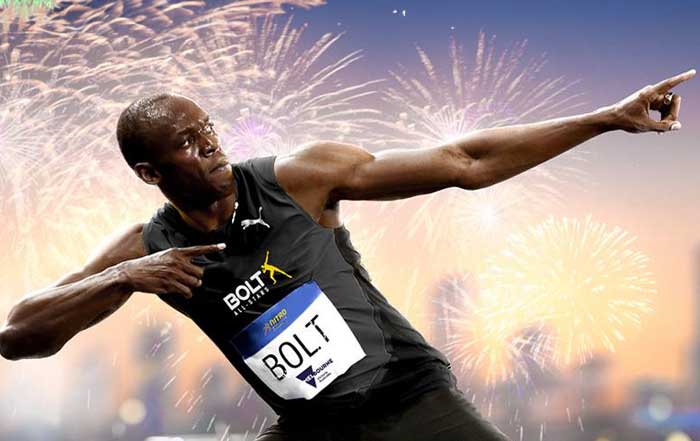
How Digital-Era Sports Personalities Are Redefining Global Influence
A New Era of Sports, Culture, and Business
Now the global sports landscape has evolved into a deeply interconnected, digitized, and personality-driven ecosystem in which athletes stand at the center of powerful cultural, commercial, and technological networks. No longer defined solely by performance on the field, court, track, or circuit, leading sports figures have become global brands, media owners, social advocates, and entrepreneurs whose influence extends into politics, fashion, technology, entertainment, and business. For xdzee.com, which explores the frontiers of sports, adventure, travel, and global culture, this transformation is not just a backdrop but a core narrative that shapes how audiences in North America, Europe, Asia, Africa, and beyond understand performance, identity, and opportunity in the modern world.
The rise of platforms such as Instagram, TikTok, and X (formerly Twitter), combined with live-streaming tools and creator-focused business models, has enabled athletes to build direct digital relationships with hundreds of millions of fans. This shift has disrupted the traditional power balance between broadcasters, leagues, and individuals, empowering athletes from the United States, United Kingdom, Germany, Canada, Australia, China, South Korea, Brazil, South Africa, and many other regions to become independent global media entities. As a result, sports personalities now influence conversations that span far beyond game results, touching on sustainable business, social justice, innovation, and lifestyle trends that define contemporary life.
The Maturity of Athlete Branding in 2026
Athlete branding has existed for decades, but the sophistication, scale, and strategic intent seen in 2026 are unprecedented. In the 20th century, figures such as Muhammad Ali and Pelé became global icons through traditional media coverage and sponsorships with multinational corporations like Coca-Cola or Adidas. Today, athletes themselves architect and control their narratives, drawing on data, creative teams, and digital storytelling methods similar to those used by major studios and technology firms. Their brands are no longer limited to sports performance; they span lifestyle, social impact, entrepreneurship, and even political engagement.
Cristiano Ronaldo, whose aggregate following across platforms remains among the largest in the world, exemplifies this evolution. Every public appearance, training video, family moment, and philanthropic initiative is integrated into a coherent digital brand strategy that resonates with audiences from Europe to Asia and South America. LeBron James, through SpringHill Company, has redefined what it means for an athlete to be a media mogul, combining sports, entertainment, and social commentary into a single, powerful narrative. These examples illustrate how elite athletes now operate with the strategic depth of global consumer brands, a trend that business analysts at outlets such as Harvard Business Review increasingly treat as a case study in modern leadership and influence.
Financially, this transformation is profound. Rankings from platforms like Forbes show that the world's highest-paid athletes derive a significant portion of their income from digital partnerships, equity stakes, and media ownership rather than salaries or prize money alone. For xdzee.com, which covers business and brand strategy in sport, this shift underscores a central reality of 2026: sporting excellence is now the foundation, not the entirety, of an elite athlete's professional identity.
Direct-to-Fan Engagement and the New Sports Relationship
The rise of direct-to-fan engagement has fundamentally redefined how athletes interact with audiences in the United States, Europe, Asia, and beyond. Where fans once depended on post-game press conferences or pre-packaged interviews, they now receive real-time, unfiltered access through YouTube, Twitch, live audio rooms, and athlete-hosted podcasts. This direct connection has made the relationship between fan and athlete more intimate, more participatory, and more commercially valuable.
Athletes such as Naomi Osaka have used these tools to speak candidly about mental health, identity, and pressure at the highest levels of competition, bypassing traditional media filters and bringing authenticity to conversations that resonate from Japan to the United Kingdom and Canada. Rising stars like Emma Raducanu blend performance updates with fashion, travel, and lifestyle content, appealing simultaneously to sports fans and younger digital natives who follow style and culture trends. Media analysts at Statista and Deloitte have documented how digital sports consumption, particularly among younger demographics, is surpassing traditional broadcast viewing, reinforcing the centrality of athlete-led storytelling.
Leagues and clubs have adapted accordingly. Organizations such as the NBA, Premier League, and Bundesliga invest heavily in tools that encourage athletes to build robust personal platforms, recognizing that star-driven narratives drive global reach from the United States to Germany, China, and Brazil. For xdzee.com, which tracks performance and innovation, this evolution reflects a broader shift: fans no longer follow only teams or events; they follow people, values, and stories, often across multiple sports and continents.
Athletes as Catalysts for Social and Ethical Change
In 2026, sports personalities are among the most visible and trusted public figures, and many have embraced this role to address social, ethical, and political issues. Where outspoken athletes in previous eras often faced backlash for "mixing politics and sport," today's digital environment makes it difficult, and in some cases untenable, for globally recognized figures to remain silent on matters that affect their communities and fan bases.
Marcus Rashford's campaign for child food security in the United Kingdom, amplified through social media and covered extensively by outlets such as the BBC, showed how a footballer could directly influence public policy and government decisions. Megan Rapinoe's advocacy for gender equality and LGBTQ+ rights in the United States has made her a central figure in broader global conversations about human rights and workplace equity. Organizations like Human Rights Watch and Amnesty International increasingly collaborate with or highlight athlete-led campaigns, recognizing the credibility and reach that sports figures bring to complex, sometimes polarizing debates.
Institutions that once insisted on strict neutrality, including the International Olympic Committee (IOC) and several national federations, have gradually acknowledged that athlete expression is part of modern sports culture. For xdzee.com, which maintains a strong interest in ethics and culture in sport, this moment marks a significant convergence between performance, values, and public discourse, where athletes serve as both competitors and conscience-bearers on the global stage.
Technology, Data, and the New Performance Narrative
Technology continues to reshape not only how athletes train but also how they present themselves to the world. From wearables and AI-driven analytics to virtual and augmented reality experiences, performance data has become part of the storytelling fabric, shared with fans in real time and used to build narratives around resilience, improvement, and innovation.
Partnerships such as Serena Williams' collaborations with Nike on smart training gear, or Lionel Messi's work with Apple TV+ on documentary storytelling, highlight how technology companies view athletes as both users and evangelists of cutting-edge tools. In motorsport, Lewis Hamilton and other Formula 1 drivers have embraced data visualization and telemetry-sharing applications that allow fans to follow race strategy, speed, and performance metrics second by second, deepening engagement and understanding. Industry observers at MIT Sloan Management Review and McKinsey & Company have noted that this blend of data and narrative is redefining what high performance means in the public imagination.
For a platform like xdzee.com, which focuses on innovation and safety in sport as well as adventure and travel, this technological dimension is central. It connects elite performance to everyday fitness, adventure tourism, and even workplace productivity, as businesses in the United States, Germany, Singapore, and Australia look to sports analytics as a model for data-informed decision-making.
The Entrepreneurial Athlete and the Expansion Beyond Sport
In 2026, it is increasingly common for top athletes to describe themselves first as entrepreneurs or investors and only second as players, runners, riders, or drivers. Endorsements remain important, but athletes increasingly seek equity, ownership, and long-term upside in the businesses they support, reflecting a more sophisticated understanding of wealth creation and brand leverage.
Steph Curry has extended his influence into media, technology, and venture capital, while Venus Williams has built a portfolio spanning interior design, wellness, and fashion. Tom Brady, through the TB12 ecosystem and related ventures, has turned a personal approach to health and performance into a multi-channel business that blends digital coaching, physical products, and content. Platforms like Crunchbase and PitchBook document an expanding roster of athlete-backed startups in sectors such as fintech, sports technology, sustainable materials, and consumer health.
This entrepreneurial shift is global. From Kylian Mbappé in France and Son Heung-min in South Korea to Virat Kohli in India and Caster Semenya in South Africa, athletes are establishing foundations, investment vehicles, and creative studios that will likely outlast their competitive careers. For xdzee.com, which covers brands and lifestyle as well as jobs and career trends, this trend offers insight into how sports-inspired leadership is reshaping business norms and career paths across continents.
Global Reach, Streaming, and Cultural Ambassadorship
Streaming platforms and global media partnerships have accelerated the internationalization of sports fandom. Services such as ESPN+, DAZN, and Paramount+ have made it possible for fans in Canada to follow European football, for audiences in Singapore to watch American basketball live, and for viewers in Brazil to track rugby or cricket with the same ease as local sports. This has elevated athletes into global ambassadors whose names and stories travel far beyond national borders.
The popularity of Korean culture has helped figures like Son Heung-min become symbols of both football excellence and broader cultural pride, while Naomi Osaka's multinational identity has allowed her to connect authentically with audiences in Japan, the United States, and across Europe. African stars like Sadio Mané and Mohamed Salah are celebrated not only for their club achievements but also for their philanthropic work at home, with projects in education, healthcare, and community development often highlighted by outlets such as Al Jazeera and The Guardian.
For xdzee.com, whose readers follow world news and cultural shifts as well as destinations and travel, this globalization of sports influence provides a powerful lens on how identity, migration, and soft power operate in the 21st century. Athletes increasingly function as unofficial diplomats, tourism ambassadors, and cultural translators, drawing attention to cities, regions, and causes that might otherwise remain under the global radar.
Women's Sports, Leadership, and Digital Visibility
The digital era has been particularly transformative for women's sports. Greater streaming access, targeted social media campaigns, and athlete-led content have expanded the visibility and commercial viability of women's leagues in the United States, Europe, and beyond. Figures such as Serena Williams, Megan Rapinoe, Naomi Osaka, and Alex Morgan have used their platforms to demand equity in pay, facilities, media coverage, and sponsorship, while also building successful businesses and philanthropic initiatives.
The growth of the WNBA, the Women's Super League, and expanded women's competitions in cricket, rugby, and football in countries such as Australia, England, India, and Spain has been amplified by digital coverage that reaches fans directly. Organizations like the Women's Sports Foundation and UN Women highlight how women athletes are driving participation, leadership development, and social change, particularly among younger audiences in North America, Europe, and Asia.
For xdzee.com, whose coverage of lifestyle, culture, and ethics emphasizes inclusion and representation, the rise of women's sports is not a side story but a central element of how global sport is modernizing. The narratives of resilience, negotiation, and innovation emerging from women's leagues offer valuable lessons for businesses and communities across sectors and geographies.
Media Ownership, Content Control, and Trust
A defining feature of the 2020s has been the move by athletes to own and control their content. Platforms like The Players' Tribune, co-founded by Derek Jeter, pioneered a model in which athletes publish first-person accounts that bypass traditional journalistic filters. More recently, direct partnerships between athletes and major technology or streaming companies, such as Lionel Messi's work with Apple TV+ or David Beckham's collaboration with Netflix, have shown how athletes can negotiate terms that protect their image and provide long-term revenue.
Subscription-based platforms, from Patreon to sport-specific fan apps, allow athletes to monetize exclusive content such as training insights, behind-the-scenes footage, and interactive sessions. Analysts at Reuters and Bloomberg note that this creator-driven model is reshaping the economics of media, placing greater emphasis on authenticity, consistency, and direct audience relationships. For fans, it offers a sense of closeness and transparency; for athletes, it enhances control and reduces dependence on legacy broadcasters.
For xdzee.com, which positions itself as a trusted, independent destination for news, performance, and innovation, this shift reinforces the importance of editorial integrity and clear value: audiences in 2026 expect not only access but also context, analysis, and ethical framing around the stories athletes tell about themselves.
Sponsorship, ESG, and the Economics of Influence
Sponsorship in 2026 is no longer a matter of simply placing logos on jerseys or boards. Brands in the United States, Europe, and Asia now evaluate athlete partnerships through lenses that include environmental, social, and governance (ESG) criteria, seeking ambassadors whose values align with corporate commitments to sustainability, diversity, and community impact. Athletes like Lewis Hamilton, who has championed environmental issues and diversity in motorsport, or Naomi Osaka, who has foregrounded mental health and social justice, exemplify this alignment between personal values and brand strategy.
Measurement has evolved as well. Instead of focusing solely on broadcast impressions, companies rely on digital engagement metrics, e-commerce conversion data, and sentiment analysis tools from providers like Nielsen Sports and PwC to assess the true return on sponsorship investments. This approach rewards authenticity and long-term storytelling rather than one-off campaigns, reinforcing the importance of trust between athlete, brand, and audience.
For xdzee.com, which explores how business, ethics, and culture intersect in sport, these developments highlight the growing role of athletes as co-creators of brand meaning and as key actors in the global shift toward more responsible, transparent commercial practices.
Blockchain, Digital Collectibles, and New Fan Economies
The integration of blockchain technology into sport has moved from experiment to established practice. Digital collectibles, ticketing solutions, and loyalty programs built on blockchain infrastructure have created new revenue streams for athletes and teams while giving fans novel ways to express loyalty and participate in communities. Platforms such as Sorare and NBA Top Shot allow supporters from Spain, the Netherlands, Singapore, or South Africa to own verifiable digital assets linked to their favorite players and moments.
Meanwhile, some athletes have launched their own NFT collections, social tokens, or blockchain-enabled fan clubs, offering holders access to exclusive content, events, or decision-making privileges. Coverage from outlets like CoinDesk has chronicled how this technology is reshaping fan engagement, while also raising questions about regulation, sustainability, and long-term value. For xdzee.com, which follows innovation trends across sport and lifestyle, blockchain's role in building new fan economies is a critical frontier that connects digital culture, finance, and community-building across continents.
The Road Ahead: Trust, Authenticity, and Global Connection
Looking toward the late 2020s and early 2030s, the influence of sports personalities appears set to deepen rather than diminish. Advances in artificial intelligence, extended reality, and metaverse-style environments will enable fans from Finland, Japan, Brazil, or New Zealand to interact with AI-assisted representations of their favorite athletes, attend virtual training sessions, or explore immersive recreations of iconic stadiums and destinations. At the same time, the volume of content and commercial opportunity will make discernment and trust even more critical.
Audiences in 2026 have become adept at detecting inauthenticity. Athletes who align their digital presence and partnerships with genuine values, who communicate transparently about successes and failures, and who treat their influence as a long-term responsibility rather than a short-term asset are likely to sustain relevance across platforms and markets. Those who do not risk rapid erosion of credibility in an environment where reputations can be built or damaged in days.
For xdzee.com, committed to covering the intersection of sport, adventure, business, and culture for a global audience, this landscape offers a powerful mandate. By following the journeys of athletes as competitors, innovators, entrepreneurs, and advocates, and by situating their stories within broader trends in technology, ethics, and global travel, the platform can help readers navigate a world in which sports personalities are no longer just performers but central figures in how societies understand excellence, identity, and possibility. In this sense, the evolution of athlete influence is not merely a sports story; it is a defining narrative of the digital age, shaping how individuals and organizations across continents think about performance, leadership, and connection in 2026 and beyond.