

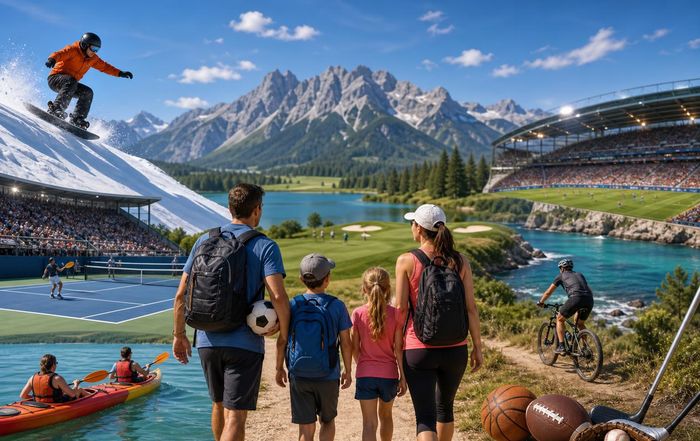
Destination Ideas for Sports-Loving Families in 2026
How Active Families Are Redefining Travel
In 2026, family travel is no longer centered solely on sightseeing and theme parks; instead, it is increasingly shaped by shared passions for sport, outdoor challenge, and active lifestyles. Across North America, Europe, Asia-Pacific, and beyond, sports-loving families are planning journeys around marathon weekends, youth tournaments, mountain adventures, and surf camps, blending recreation with cultural discovery and educational value. On xdzee.com, this shift is evident in how readers explore content across sports, adventure, travel, and destination sections, demonstrating that the modern family wants trips that challenge the body, stimulate the mind, and strengthen relationships.
This evolution is supported by broader trends in global tourism and wellness. Organizations such as the World Travel & Tourism Council highlight how active and experiential travel continue to outpace traditional package holidays as families prioritize health, resilience, and meaningful shared experiences. At the same time, leading sports bodies like the International Olympic Committee and FIFA are inspiring younger generations to engage with sport not only as spectators but as participants, encouraging families to design vacations around tournaments, training camps, and iconic venues. In this context, sports-centric family destinations are no longer a niche; they have become a central pillar of how global travelers plan leisure time.
The Rise of Sports-Centric Family Travel
The growth of sports-centered family travel is being driven by several converging dynamics. Parents in the United States, United Kingdom, Germany, Canada, and Australia are increasingly aware of the physical and mental health benefits of regular activity, supported by research from institutions such as the World Health Organization, which underscores how exercise contributes to improved wellbeing for both children and adults. At the same time, the expansion of youth sports leagues, regional tournaments, and elite training academies has created new reasons for families to travel together, often turning competitive events into extended vacations that blend performance goals with cultural immersion.
Digital platforms and media are also reshaping expectations. Families follow global sports news through outlets like BBC Sport and ESPN, and then seek to translate that fandom into real-world experiences, from visiting historic stadiums to cycling famous race routes. On xdzee.com, the intersection of news, world, and performance coverage mirrors this pattern, showing how awareness of international competitions feeds directly into destination planning. As a result, sports-loving families now consider questions of training quality, equipment access, and safety standards alongside more traditional factors such as climate, accommodation, and cultural attractions.
Another defining feature of this trend is its inclusivity. Rather than focusing solely on elite athletes or highly specialized training, many destinations now offer tiered programs that allow beginners, intermediates, and advanced participants to share the same environment. Resorts, sports academies, and adventure operators in regions like Europe, Asia, and South America increasingly design programs that allow children to train while parents participate in parallel sessions or enjoy complementary wellness, cultural, or business-focused activities. This integrated approach aligns with the broader lifestyle interests of the xdzee.com audience, who often seek to combine sport with lifestyle, brands, and business considerations when choosing where to go next.
North America: Stadiums, Slopes, and Multi-Sport Adventures
For many sports-loving families, North America provides a versatile starting point, offering world-class facilities, diverse climates, and strong safety and infrastructure standards. In the United States, destinations such as Colorado, Utah, and Vermont continue to attract families who combine winter sports with educational and cultural experiences. Organizations like U.S. Ski & Snowboard and resources from Ski.com help families understand how to select resorts that balance challenging slopes for advanced skiers with beginner-friendly terrain, adaptive programs, and robust safety protocols for children. These destinations also often integrate non-ski activities such as snowshoeing, ice skating, and indoor climbing, enabling mixed-ability families to remain active together.
Beyond the mountains, cities like New York, Los Angeles, and Boston appeal to multi-sport families who wish to combine professional sports events with interactive experiences. A visit to Yankee Stadium or Dodger Stadium can be paired with youth baseball clinics, while basketball-loving families may plan trips around NBA games, using official league resources to find fan experiences and youth camps that are structured and well-supervised. For families focused on safety and logistics, organizations such as the Transportation Security Administration and U.S. Department of State provide up-to-date travel and security guidance, which is particularly relevant when transporting sports equipment or traveling with teams.
Canada offers complementary strengths, particularly for families who enjoy hockey, skiing, and outdoor adventure. Cities like Vancouver, Calgary, and Montreal host professional NHL franchises and offer extensive youth hockey programs, while nearby mountain resorts provide skiing, snowboarding, and cross-country trails suitable for a wide range of ages and abilities. Government-backed resources such as Destination Canada and provincial tourism boards help families identify regions that balance sports facilities with cultural experiences, from Indigenous heritage centers to French-language immersion in Quebec, aligning with the broader cultural interests that xdzee.com explores in its culture coverage.
Europe: Football, Cycling, and Alpine Excellence
Europe remains a powerhouse for sports-focused family travel, particularly for families passionate about football, cycling, and alpine sports. In countries such as the United Kingdom, Germany, Spain, Italy, and France, the presence of globally recognized football clubs creates a natural draw. Families can attend matches featuring clubs like Manchester City, FC Barcelona, Bayern Munich, or Paris Saint-Germain, and then supplement the experience with stadium tours, youth clinics, and museum visits that highlight the cultural and economic impact of the sport. Governing bodies such as UEFA and domestic leagues provide schedules, ticketing information, and guidance on official fan experiences, helping families plan safe and structured itineraries.
Cycling families find Europe particularly attractive, with iconic routes in France, Italy, Spain, and the Netherlands offering both challenge and accessibility. Resources from organizations like Le Tour de France and EuroVelo enable parents to plan rides that are appropriate for children, incorporating shorter segments of famous routes, e-bike options, and support services that prioritize safety and recovery. In Alpine regions across France, Switzerland, Austria, and Italy, ski resorts have increasingly repositioned themselves as year-round sports destinations, offering mountain biking, trail running, climbing, and family-friendly wellness facilities during the summer months. This diversification reflects the broader sustainability focus promoted by entities such as the European Commission, which encourages tourism models that respect environmental limits while supporting regional economies.
For families traveling from outside Europe, the continent's integrated transport networks and high safety standards are particularly appealing. High-speed rail services in countries like France, Germany, and Spain enable efficient multi-city itineraries, allowing families to attend a football match in one city, explore a cycling route in another, and conclude with a cultural stay in a capital like London or Berlin. On xdzee.com, readers who follow world and destination content often combine these sports experiences with broader cultural itineraries, recognizing that Europe's dense concentration of history, art, and cuisine enhances the overall value of a sports-centric journey.
Asia-Pacific: Emerging Powerhouses for Active Families
Asia-Pacific destinations have rapidly expanded their appeal to sports-loving families, combining modern infrastructure with distinctive cultural experiences. Japan and South Korea, in particular, have invested heavily in sports facilities and tourism development following their roles as hosts for major global events. In Japan, families can explore a blend of traditional martial arts, baseball culture, and winter sports in regions such as Hokkaido and Nagano, drawing on guidance from the Japan National Tourism Organization to identify family-friendly resorts and training centers. Baseball-loving families may attend Nippon Professional Baseball games, which offer a different atmosphere from North American leagues and provide children with a vivid sense of local fan culture.
South Korea has positioned itself as a hub for e-sports and technology-driven experiences, complementing more traditional sports such as taekwondo and football. Families with teenagers who follow global gaming competitions can visit e-sports arenas in Seoul, while also participating in introductory martial arts programs that emphasize discipline, respect, and physical conditioning. National tourism resources such as VisitKorea highlight how these experiences can be integrated with cultural attractions, from historical palaces to K-pop themed activities, ensuring that the trip appeals to all family members rather than focusing exclusively on sport.
Southeast Asia offers a different profile, with countries like Thailand and Malaysia attracting families interested in water sports, diving, and wellness-focused retreats. Coastal regions in Thailand, for example, host surf schools, scuba programs, and stand-up paddleboarding experiences designed with strict safety standards and multilingual instruction, supported by guidelines from organizations such as PADI and local marine authorities. These destinations often combine sport with wellness, yoga, and nutrition-focused programs that align with the holistic lifestyle interests of the xdzee.com audience and resonate strongly with readers who follow safety and innovation topics.
Adventure Destinations: From High-Performance Challenges to Family-Friendly Thrills
For families who identify strongly with adventure and high performance, certain destinations stand out for their ability to deliver both adrenaline and structure. New Zealand has long been recognized as a global leader in adventure tourism, with activities such as bungee jumping, whitewater rafting, and mountain biking carefully regulated to meet stringent safety standards. National agencies like Tourism New Zealand and adventure operators accredited by bodies such as AdventureMark provide transparent information on risk management, making it easier for parents to assess which experiences are suitable for children and teenagers. This focus on safety and professional standards aligns closely with the values promoted on xdzee.com, where performance and safety are treated as complementary rather than competing priorities.
In the Americas, destinations such as Costa Rica and parts of South America, including Brazil and Chile, offer a compelling mix of eco-adventure and sports. Families can combine zip-lining, surfing, and jungle trekking with community-based tourism initiatives that support local development and conservation. Organizations like the Global Sustainable Tourism Council provide frameworks for assessing whether operators meet recognized sustainability criteria, helping families make ethical choices that reflect their values. This connection between adventure, ethics, and long-term environmental responsibility is increasingly influential, particularly for European and North American families who wish to ensure that their travel decisions support, rather than undermine, local communities and ecosystems.
In Africa, South Africa and Kenya are emerging as notable destinations for families who want to combine wildlife experiences with active pursuits such as trail running, cycling, and open-water swimming. National tourism boards and conservation organizations like South African Tourism and the Kenya Wildlife Service offer guidance on how to engage in these activities responsibly, emphasizing safety, environmental protection, and respect for local cultures. For the xdzee.com audience, which often seeks deeper cultural context alongside physical challenge, these destinations provide an opportunity to connect sports and adventure with broader questions of conservation, social equity, and global citizenship.
Safety, Ethics, and Trust in Sports Travel
As sports-centric family travel expands, questions of safety, ethics, and trust have become central to planning decisions. Parents are increasingly aware that not all sports operators, training academies, or adventure providers adhere to the same standards, and they look for independent verification and transparent policies when selecting partners. International organizations such as the World Health Organization and UNICEF have issued guidance on child protection, physical activity, and safe environments, which responsible operators integrate into their training and supervision protocols. For families, this means examining not only marketing materials but also asking detailed questions about coach qualifications, emergency procedures, equipment maintenance, and insurance coverage.
Ethical considerations extend beyond immediate safety to include labor practices, environmental impact, and community relationships. Families who follow sustainability developments through platforms like the United Nations Environment Programme are increasingly likely to choose destinations and providers that demonstrate clear commitments to reducing carbon footprints, protecting ecosystems, and supporting local employment. On xdzee.com, the dedicated ethics and innovation sections reflect this evolving mindset, highlighting how brands and destinations are integrating responsible practices into their sports and adventure offerings, from eco-certified surf camps to low-impact mountain biking trails.
Trust is further reinforced by transparent communication and robust digital infrastructure. Reputable tourism boards, sports organizations, and booking platforms provide real-time updates on weather, health advisories, and security conditions, often drawing on information from sources such as the World Tourism Organization (UNWTO) and national foreign affairs ministries. Families planning cross-border trips in regions like Europe, Asia, and Africa can use these resources to make informed decisions about timing, routing, and contingency planning, ensuring that sports-focused itineraries remain flexible and resilient even in the face of unexpected disruptions.
Integrating Work, Education, and Sport on the Road
For many modern families, particularly in the United States, Canada, Europe, and parts of Asia, the distinction between work, education, and leisure has blurred, creating new opportunities to design extended sports-focused journeys that remain compatible with professional and academic commitments. The normalization of remote work and hybrid models allows parents to maintain productivity from destinations that offer reliable connectivity and supportive infrastructure, while children and teenagers can participate in online schooling or structured educational programs between training sessions and competitions. Organizations such as the OECD and UNESCO continue to analyze how digital education can support more flexible lifestyles, indirectly enabling families to spend longer periods in destinations that enhance both sporting development and cultural literacy.
Destinations that recognize this shift are responding with co-working spaces, learning hubs, and family-friendly accommodation designed to support longer stays. In cities like Lisbon, Amsterdam, Vancouver, and Singapore, families can combine access to high-quality sports facilities with international schools, language programs, and cultural institutions, enabling children to develop both athletic and academic skills in a global context. For the xdzee.com audience, which frequently monitors jobs, business, and world trends, this integration of work, learning, and sport reflects a broader rethinking of how careers and family life can be structured around shared passions rather than rigid calendars.
Sports-focused travel also provides powerful informal education, exposing children to different cultures, languages, and social norms through the universal language of sport. Participating in a football camp in Spain, a ski program in Switzerland, or a martial arts academy in Japan teaches not only technical skills but also adaptability, teamwork, and cross-cultural communication. Research from organizations such as the Aspen Institute's Project Play underscores how positive sports experiences can shape character and long-term wellbeing, which in turn reinforces parents' willingness to invest in these types of journeys as part of their children's broader development.
How xdzee.com Helps Families Choose the Right Destination
Within this dynamic landscape, xdzee.com positions itself as a trusted guide for sports-loving families navigating a complex set of options, risks, and opportunities. By curating insights across sports, adventure, travel, and destination content, the platform offers readers a coherent view of how different regions align with their performance goals, safety expectations, ethical values, and lifestyle preferences. Articles and features draw on global developments from North America, Europe, Asia, Africa, and South America, ensuring that families in the United States, United Kingdom, Germany, Canada, Australia, and beyond can compare destinations through an international lens rather than relying solely on local perspectives.
The platform's emphasis on experience, expertise, authoritativeness, and trustworthiness is particularly relevant to families making high-stakes decisions about where to invest time and resources. By highlighting best practices in safety management, ethical tourism, and innovative sports programming, xdzee.com helps readers differentiate between marketing claims and genuine quality. Coverage of leading brands, clubs, and destinations is grounded in performance metrics, safety records, and long-term sustainability commitments, aligning with the values of readers who view sport not just as entertainment but as a foundation for family health, education, and identity.
As the world continues to evolve through 2026 and beyond, sports-loving families will face an expanding array of choices, from emerging adventure hubs in Africa and South America to technologically advanced training centers in Asia and Europe. In this environment, platforms that synthesize global news, performance insights, cultural context, and ethical considerations will play a crucial role in helping families chart their own course. For those who see every journey as an opportunity to play, learn, and grow together, xdzee.com serves as both compass and companion, guiding them toward destinations where sport is not an add-on, but the heart of the experience.