

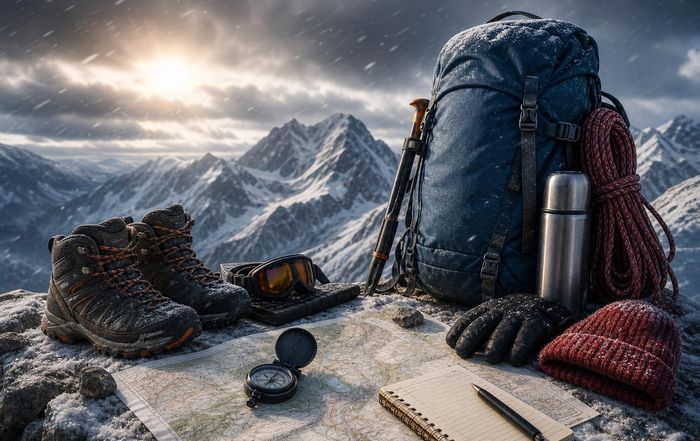
Adventure Planning Tips for Harsh Weather Trips!
Harsh Weather Is the New Normal for Adventure Travel
Well well harsh weather is no longer an exception but an expected variable in adventure planning, reshaping how travelers, brands, and businesses think about risk, performance, safety, and responsibility. As climate volatility intensifies, with more frequent heatwaves, polar cold snaps, cyclones, and atmospheric rivers documented by organizations such as the World Meteorological Organization, the very notion of adventure has expanded from remote extremes to include increasingly unpredictable conditions in popular destinations across North America, Europe, Asia, Africa, and South America. For the global sporty audience that follows xdzee.com for insights on sports, adventure, travel, lifestyle, performance, and business, this shift raises new questions about how to prepare for demanding trips while maintaining ethical standards, safeguarding health, and protecting the environments and communities that host these experiences.
In this changing landscape, harsh weather trips are no longer the domain of elite explorers alone; they involve weekend mountaineers in the Alps, trail runners in the Rockies, surfers in Australia, trekkers in Patagonia, ski tourers in Norway, and digital nomads chasing winter or monsoon seasons in Japan, Thailand, or Brazil. This evolution forces a more professional mindset, where adventure planning resembles risk-managed project design rather than spontaneous escape, and where Experience, Expertise, Authoritativeness, and Trustworthiness become critical filters for choosing destinations, partners, gear, and information sources. Within this context, xdzee.com positions itself as a practical and trustworthy guide, connecting readers to rigorous insights that bridge sports performance, safety, innovation, ethics, and global travel realities.
Understanding Harsh Weather Risk in the Age of Climate Volatility
Effective planning for harsh weather trips begins with a clear understanding of the risk landscape as it stands in 2026. Data from bodies such as the Intergovernmental Panel on Climate Change and national meteorological agencies, including the U.S. National Weather Service and the UK Met Office, confirm that traditional seasonal patterns are shifting, with shoulder seasons becoming less predictable and extreme events occurring outside historical norms. This means that an alpine trek in Switzerland in late May, a coastal hike in Spain in October, or a desert expedition in Australia in early spring may now encounter weather extremes once considered rare.
For adventure travelers, this reality demands more than simply checking a forecast; it requires interpreting risk across multiple time horizons and geographies, understanding the difference between typical climate profiles and real-time weather anomalies, and recognizing how local infrastructure, rescue capacities, and medical facilities vary between, for example, Norway's well-coordinated mountain rescue networks and remote regions of South Africa or Brazil where response times can be longer. By following curated updates on platforms such as NOAA's Climate.gov and cross-referencing with regional news sources, travelers can build a more nuanced picture of likely conditions and emerging hazards, from wildfire smoke and glacial melt to flash flooding and high-wind events that can affect both safety and logistics.
Within xdzee.com's own new world and news coverage, this global risk context is increasingly reflected in destination reporting, sports features, and business analysis, helping readers anticipate how weather volatility intersects with tourism patterns, local economies, and the evolving responsibilities of adventure brands and operators.
Building a Risk-Aware Adventure Mindset
Planning for harsh weather trips is as much a mental and strategic exercise as it is a logistical one. A risk-aware mindset treats every expedition, whether to the Canadian Rockies, the Scottish Highlands, the Dolomites in Italy, the Japanese Alps, or the fjords of Norway, as a project with defined objectives, constraints, and contingency plans. This approach is common in professional mountaineering and polar expeditions, and it is increasingly adopted by serious recreational athletes, adventure travelers, and the businesses that serve them.
A risk-aware mindset begins with honest self-assessment: understanding personal and team experience levels, technical skills, fitness, and psychological resilience under stress. Organizations such as the American Alpine Club and the British Mountaineering Council offer extensive guidance on evaluating objective versus subjective risk, decision-making under pressure, and learning from incident reports, which can be applied far beyond climbing to activities such as backcountry skiing, trail running, kayaking, or high-altitude trekking. Travelers who follow xdzee.com's sports and performance sections will recognize that this mindset aligns closely with high-performance culture in elite sport, where preparation, scenario planning, and disciplined execution often matter more than raw talent.
This mental framing also involves recognizing cognitive biases that can be amplified under harsh weather, such as summit fever, groupthink, or overconfidence based on past success in milder conditions. By consciously building decision checkpoints into an itinerary, agreeing on turnaround times, and empowering every member of a group to voice safety concerns, travelers can reduce the likelihood that changing weather will push them beyond their capabilities or into ethically questionable situations that strain local rescue resources or damage sensitive environments.
Choosing Destinations and Seasons with Strategic Precision
Destination choice remains one of the most powerful levers for managing harsh weather risk. In an era where global travelers can access detailed climate and seasonal data from sources like ClimateData.org and World Weather Online, the selection of location and timing becomes less about guesswork and more about aligning risk tolerance, experience, and trip objectives with realistic environmental conditions. For example, a winter expedition to Lapland in Finland, a summer trek in the French Alps, a monsoon-season surf trip in Thailand, or a shoulder-season hike in the Pacific Northwest of the United States each carries different profiles of temperature, precipitation, wind, daylight, and infrastructure readiness.
Adventure travelers who follow xdzee.com's travel and destination content increasingly look for nuanced destination guidance that goes beyond "best months to visit" and addresses how climate trends are shifting local seasons, how crowding and overtourism intersect with safety and environmental stress, and how local operators are adapting. In Germany, Switzerland, and Austria, for example, some alpine regions are redesigning trail networks and season dates in response to rockfall and permafrost melt, while in Australia and California, fire risk calendars are now central to planning multi-day backcountry trips.
Strategic planning also includes backup destinations and flexible itineraries that allow for rapid pivoting if a region experiences an unexpected heatwave, storm cycle, or political disruption that affects safety and logistics. This adaptability is particularly relevant for travelers who combine adventure with remote work or longer lifestyle stays, a trend seen in Canada, Portugal, Spain, and parts of Southeast Asia, where the line between travel, lifestyle, and work is increasingly blurred.
Gear, Technology, and Layering Systems for Extreme Conditions
In harsh weather environments, gear is not a lifestyle accessory but a critical component of risk management and performance. Over the last decade, innovation in materials science, smart textiles, and connected devices has transformed what is possible for adventure travelers, with brands such as GORE-TEX, Patagonia, Arc'teryx, The North Face, and Salomon investing heavily in research and development. Independent testing by organizations like OutdoorGearLab and standards bodies such as ISO and ASTM International provides a layer of accountability that informed travelers increasingly rely on.
A well-structured layering system remains the foundation for managing cold, heat, wind, and moisture. Technical base layers that manage sweat, insulating mid-layers tailored to expected temperature ranges, and robust shell layers that protect against wind, rain, and snow allow for fine-grained adaptation to rapidly changing conditions. In hot and humid environments, breathable fabrics, sun-protective clothing, and ventilation-focused design become equally important, particularly as heat-related illnesses rise in frequency across Europe, North America, and Asia, as documented by the World Health Organization.
Technology extends beyond clothing. GPS devices, satellite messengers, avalanche beacons, and weather apps tied to services like Windy or Meteoblue provide real-time data that can support decision-making, especially when combined with traditional navigation skills. For the audience of xdzee.com, where innovation and safety intersect with lifestyle and performance, the key is not blind adoption of the latest gadget but a deliberate approach where each piece of technology has a clear role, is thoroughly tested in familiar conditions, and is backed by reliable power management and redundancy.
Training, Conditioning, and Performance Under Stress
Harsh weather amplifies every weakness in physical conditioning, technical skill, and mental resilience, which is why training for such trips must be approached with the same seriousness as preparing for a major competition or demanding professional project. Athletic organizations such as the International Olympic Committee and sport science institutions like the Australian Institute of Sport and UK Sport have long studied how the human body responds to heat, cold, altitude, and prolonged exertion, and many of these insights are now accessible to serious recreational athletes and adventure travelers.
Preparation should mirror the specific demands of the chosen environment. For a high-altitude trek in Nepal or Peru, this may involve progressive exposure to altitude, cardiovascular conditioning, strength training for load-bearing, and education on recognizing early signs of altitude sickness. For winter expeditions in Norway, Canada, or Japan, cold-weather acclimatization, balance and stability work, and practice in using crampons, ice tools, or skis in variable snow conditions become central. For desert or tropical adventures in regions like South Africa, Australia, or Southeast Asia, heat acclimation, hydration strategies, and electrolyte management are critical to avoid heat exhaustion or hyponatremia.
Within xdzee.com's performance and sports coverage, there is growing emphasis on how athletes, weekend warriors, and adventure professionals can integrate sport science principles into their preparation, drawing on credible sources and expert coaching rather than relying on anecdotal advice. This includes understanding recovery, sleep, nutrition, and psychological preparation, all of which are magnified under harsh weather stress.
Safety Protocols, Medical Preparedness, and Emergency Planning
No harsh weather adventure plan is complete without robust safety protocols and medical preparedness. Organizations such as the Wilderness Medical Society and Red Cross have developed evidence-based guidelines for first aid, hypothermia and hyperthermia management, altitude illness, trauma care, and evacuation planning in remote environments, and these resources are invaluable for any traveler planning trips in demanding conditions.
A responsible safety plan begins with clear communication of the itinerary, including route details, timing, and contingency plans, shared with a trusted contact who is not on the trip. It includes a realistic assessment of communication options, from mobile coverage to satellite devices, and an understanding of how local rescue services operate in the specific region, whether in the Alps, the Rockies, the Andes, or remote areas of Scandinavia or New Zealand. It also involves building a medical kit that is tailored to the environment and the team's needs, combined with proper training in how to use it, rather than simply purchasing a pre-packed kit and hoping for the best.
For the readership of xdzee.com, which spans business professionals, athletes, creatives, and remote workers, the concept of safety has broadened to include not only physical risk but also mental health and long-term wellbeing. Harsh weather trips can be psychologically demanding, particularly when plans must be changed or abandoned; framing such decisions as markers of professionalism and maturity, rather than failure, is essential to sustaining a healthy relationship with risk and adventure.
Ethical and Sustainable Adventure in Extreme Environments
As harsh weather trips become more popular and accessible, ethical and environmental considerations have moved to the center of responsible planning. Climate change is both the backdrop and, in some cases, the motivation for many adventures, from observing retreating glaciers in Switzerland or New Zealand to exploring changing coastal ecosystems in the United States, the United Kingdom, or Southeast Asia. Yet increased traffic to fragile environments can accelerate degradation, strain local communities, and create complex ethical questions around carbon footprints, rescue expectations, and cultural respect.
Guidance from organizations such as Leave No Trace and the International Union for Conservation of Nature provides frameworks for minimizing impact, but genuine ethical practice goes beyond compliance to include thoughtful choices about transportation, local partnerships, and the type of adventures pursued. Travelers can reduce their environmental impact by favoring longer, slower trips over frequent short-haul flights, choosing operators and brands that publish transparent sustainability reports, and supporting local businesses that invest in conservation and community development.
Within xdzee.com's ethics, culture, and business coverage, there is increasing focus on how adventure tourism intersects with local livelihoods, indigenous rights, and global supply chains. Readers are encouraged to look beyond marketing narratives and examine how their spending choices influence labor practices, land use, and cultural representation, whether booking expeditions in Peru, South Africa, or Nepal, or purchasing technical gear from global brands that manufacture in Asia and beyond. This ethical lens is particularly important in harsh weather environments, where rescue operations are costly, risky, and often subsidized by local taxpayers or under-resourced communities.
The Role of Brands, Employers, and the Adventure Economy
Harsh weather adventure is no longer a niche pastime; it is a significant economic force that touches outdoor brands, tourism boards, insurers, technology companies, and employers who support adventure-oriented lifestyles. Data from institutions such as the World Travel & Tourism Council and the OECD Tourism Committee highlight the growing share of adventure and nature-based travel in global tourism, particularly in countries like Canada, New Zealand, Norway, and Chile, and across major regions including Europe, Asia, and North America.
For brands, the shift toward harsher, more unpredictable environments has driven investment in research, product testing, and sustainability initiatives, as consumers demand gear that performs reliably under stress and is manufactured responsibly. For employers, especially in sectors like technology, finance, and creative industries where flexible work arrangements are more common, supporting employees' adventure pursuits can be a tool for talent attraction and retention, while also raising questions about duty of care, insurance, and risk management when staff combine remote work with high-risk travel.
Xdzee.com's unaffiliated brands and jobs sections increasingly explore how the adventure economy is reshaping career paths, from guides and expedition leaders to product designers, sustainability officers, and content creators who specialize in harsh weather environments. This emerging ecosystem underscores the need for credible, experience-based information that helps both individuals and organizations navigate the intersection of performance, safety, innovation, and ethics.
Lifestyle, Identity, and the Culture of Harsh Weather Adventure
For many in the global audience of xdzee.com, harsh weather trips are not just occasional holidays; they are central to personal identity, lifestyle choices, and cultural affiliation. The rise of communities built around winter sports in Switzerland, Austria, and Japan, trail running in the United States and Spain, surfing in Australia and Portugal, and climbing in the United Kingdom, Germany, and Italy reflects a broader shift toward lifestyles where adventure is integrated into daily life rather than reserved for rare escapes.
This cultural shift is amplified by digital platforms and social media, where narratives of resilience, grit, and authenticity are often tied to images of athletes and travelers confronting storms, blizzards, or extreme heat. While such storytelling can inspire, it can also create pressure to take unnecessary risks or to frame safety-conscious decisions as weakness. Responsible media and platforms like xdzee.com, particularly through its positive lifestyle and adventure coverage, play a crucial role in shaping healthier narratives that celebrate preparation, humility, and respect for natural forces as much as dramatic summits or near misses.
Global cultural diversity also shapes how harsh weather adventures are perceived and practiced. In Norway, Sweden, and Finland, traditions of outdoor life and winter resilience are deeply embedded in national identity, while in parts of Asia, Africa, and South America, adventure tourism is a newer, rapidly evolving sector that intersects with local cultural norms, land rights, and economic aspirations. Understanding and respecting these differences is an integral part of planning ethically sound trips that contribute positively to host communities.
Looking Ahead: Experience, Expertise, and Trust in a Harsher World
As 2026 unfolds, harsh weather trips will continue to grow in popularity, complexity, and visibility, driven by a mix of climate change, technological progress, and the enduring human desire to test limits and connect deeply with the natural world. In this environment, Experience, Expertise, Authoritativeness, and Trustworthiness are not abstract concepts but practical criteria that travelers, businesses, and brands must apply rigorously when choosing destinations, partners, gear, and information sources.
For the global growing fit and active audience of xdzee.com, spanning the United States, the United Kingdom, Germany, Canada, Australia, France, Italy, Spain, the Netherlands, Switzerland, China, Sweden, Norway, Singapore, Denmark, South Korea, Japan, Thailand, Finland, South Africa, Brazil, Malaysia, New Zealand, and beyond, the core message is clear: planning harsh weather adventures demands the same professionalism and strategic thinking that one would apply to major business decisions or high-stakes projects. It requires integrating credible data from scientific institutions, learning from expert communities, investing in training and equipment, and embracing an ethical framework that respects both human life and the fragile environments that make these journeys possible.
By continuing to curate daily insights across news, business, adventure, innovation, and ethics, xdzee.com aims to be a trusted partner in this evolving landscape, helping readers design harsh weather trips that are not only thrilling and memorable, but also safe, responsible, and aligned with a long-term vision of sustainable, globally aware adventure. In a world where the weather grows harsher and less predictable, the most successful adventurers will be those who combine ambition with humility, passion with preparation, and personal dreams with a deep sense of responsibility to the people and places that make those dreams possible.