

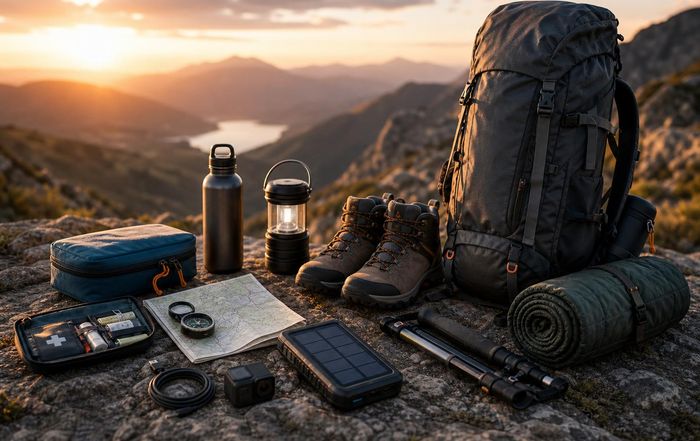
Best Travel Gear Features for Active Explorers
For travelers who squeeze trail runs between meetings, chase powder on weekend city breaks, or plan entire journeys around a climbing crag or surf break, gear is never just "luggage." It is part of performance, safety, and how much freedom you feel on the move. The challenge is that the outdoor and travel markets are saturated with products that look similar and promise everything. What really matters are the underlying features that determine whether a piece of gear disappears into the background or becomes a constant frustration.
This page focuses on the most important features active explorers should look for across key categories: packs and bags, footwear, clothing, electronics, safety essentials, and organization. It emphasizes details that make a difference on multi-sport, high-mobility trips, whether you are moving between cities and backcountry in North America, trail running in Europe, or diving and hiking through Southeast Asia.
Throughout, you will find links to relevant safety, performance, and travel resources, as well as related sections on sports, adventure, travel, and safety for deeper dives into specific activities and destinations.
Packs and bags that move with you, not against you
For active travelers, the primary pack is more than a suitcase substitute; it is a daily carry system for gear, water, and sometimes technical equipment. The most useful designs share a few core traits.
A supportive, ventilated harness is the first non-negotiable. Look for a real hip belt that transfers weight to the pelvis, not just a thin webbing strap, and shoulder straps that are contoured and padded without being bulky. Back panels with channels or suspended mesh (often called "trampoline" backs) improve airflow, which can be crucial in hot climates or during fast approaches. Many hiking packs now use adjustable torso-length systems; having the ability to fine-tune the fit matters more than brand marketing. Reputable brands often explain their harness systems in detail; for example, Osprey's fit guides are a useful reference even if you buy elsewhere.
Access and compartment layout can transform how usable a pack is on the road. Top-loading packs are light and simple, but for multi-stop travel it is worth prioritizing front or U-shaped panel access so you can reach buried layers without unpacking everything. A separate bottom compartment for shoes or a sleeping bag, an external stretch pocket for wet gear, and side pockets that can hold both water bottles and tripods are small details that add up. Many "travel packs" now blend a hiking-style harness with suitcase-like opening; this hybrid approach suits people moving between airports and trails.
For carry-on travel, pay attention to dimensions and compression. Airlines differ, but designing around the stricter end of cabin size limits (such as IATA's cabin baggage guidelines) increases your chances of keeping gear with you, which is critical when it includes specialized equipment. Compression straps help shrink the load for overhead bins and stabilize weight when you are running to catch a train.
Durability and weather protection are the final pillars. Fabrics like high-denier nylon, UHMWPE blends, or robust polyester with a strong weave resist abrasion from rock, airport belts, and bike racks. A durable water repellent (DWR) coating is useful, but not enough on its own; taped seams and either a built-in rain cover or a dedicated pocket for one make the difference between "shower resistant" and actually functional in a storm. Organizations such as the European Outdoor Group have pushed for clearer labeling around DWR chemistries as brands move away from long-chain PFAS; if that matters to you, look for gear complying with initiatives such as Bluesign or OEKO-TEX.
For day use, consider a smaller, packable daypack with real shoulder straps and a sternum strap. It should fold into your main bag but still carry comfortably on a three-hour hike. This is often more practical than trying to make a single large pack do everything.
Footwear features for mixed terrain and long days
Footwear is often the single biggest performance and comfort variable on an active trip. The right features depend on your main activity, but there are consistent principles that help across hiking, trail running, urban exploration, and light scrambling.
Cushioning and support should match both your body and your terrain. For long days on hard surfaces-think city pavements combined with gravel paths-moderate cushioning with a stable platform is usually more sustainable than ultra-soft shoes, which can feel great initially but lead to fatigue. Trail shoes and light hikers with a rock plate or firmer midsole protect against stone bruising. The American Podiatric Medical Association offers general advice on supportive travel footwear, which is worth considering if you have previous injuries.
Grip is non-negotiable for adventurous itineraries. Look for outsoles with multi-directional lugs and compounds tuned for wet conditions; rubber families like Vibram Megagrip or Continental compounds in some trail shoes are widely used benchmarks. Deep, aggressive lugs are great for mud and steep dirt, but can feel awkward on polished indoor floors and wear faster on asphalt, so a balanced lug depth is better for mixed travel.
Waterproofing is more nuanced than it appears. Membranes such as GORE-TEX or eVent keep external moisture out but also slow drying when water enters from above the ankle or from sweat. For cold, consistently wet environments, waterproof shoes or boots make sense. For hot, variable conditions, many experienced travelers prefer quick-drying, breathable models paired with good socks, accepting that feet will get wet but will dry fast. The UK's Ramblers association has an accessible overview of waterproof vs. non-waterproof walking footwear that applies well to travel choices.
Fit features matter more than brand names. A secure heel, enough room in the toe box to prevent black toenails on descents, and lacing systems that lock the midfoot are key. Many trail shoes now include a gaiter attachment point and reinforced toe bumpers, both useful if you expect scree, sand, or occasional light scrambling.
Finally, consider packability and versatility. A two-shoe system-one pair of versatile trail shoes that can handle hikes and urban miles, plus ultra-light sandals or slides for recovery and showers-often covers more ground than heavy boots and dress shoes. For ideas on balancing performance and lifestyle, the performance and lifestyle sections provide broader context on multi-use gear.
Clothing technologies that earn their space in your pack
When luggage space is limited, every layer needs to justify its weight. For active explorers, the most important clothing features revolve around moisture management, temperature regulation, odor control, and quick adaptability to changing conditions.
Base layers and travel tops should prioritize moisture wicking and fast drying. Synthetic fibers like polyester and nylon excel at moving sweat, while merino wool offers a strong balance of comfort, thermoregulation, and natural odor resistance. Studies summarized by organizations such as Woolmark show that merino fibers can absorb moisture vapor and still feel dry to the touch, which is valuable on multi-day trips where laundry options are limited. Blends (merino plus synthetic) frequently offer the best compromise between durability and comfort.
For odor control, look beyond vague "anti-odor" claims. Some brands use silver or other biocidal treatments, which are effective but raise environmental questions; the European Chemicals Agency has examined silver biocide use in textiles and its ecological impact. Alternatives include mechanical approaches (fiber structure that traps less odor) and merino-rich fabrics. If you expect to re-wear shirts for days, merino content or proven odor-control tech is worth paying for.
Midlayers benefit from breathable insulation. Active insulation pieces using synthetic fills such as Polartec Alpha or Primaloft Active are designed to release excess heat during movement yet still insulate at rest, making them ideal for stop-start activities like ski touring or cold-weather city walking. Traditional fleece remains a robust, affordable choice, but consider a grid or high-loft pattern for better warmth-to-weight and packability.
Outer layers should be chosen with a clear role in mind. A lightweight, fully waterproof shell with sealed seams and a breathable membrane is essential if you expect extended rain; look for at least 20,000 mm hydrostatic head and good breathability ratings, though real-world performance also depends on venting features such as pit zips. For drier climates where wind and short showers are the main issues, a wind-resistant softshell or wind shirt can be more comfortable and pack smaller. The American Hiking Society offers a concise overview of layering systems as part of its "Ten Essentials" guidance, which is relevant for adventure travel as well as pure hiking.
Versatility features include roll-up sleeves with secure tabs, zip-off or articulated legs, hoods that fit under helmets, and pockets placed high enough to access when wearing a hip belt. Darker, quick-drying fabrics handle urban environments and hide stains better, making it easier to move between trail and city without changing outfits. For hot, high-UV destinations, look for garments with tested UPF ratings; organizations like the Skin Cancer Foundation explain UPF standards and how they differ from SPF.
Smart electronics and power: features that matter off the grid
Electronics can enhance safety, navigation, and documentation, but they also introduce weight, complexity, and dependency on charging. The right features help you stay connected and powered without overloading your pack.
Power banks are the foundation. For travel that includes back-to-back active days, prioritize capacity (usually 10,000-20,000 mAh) balanced against weight, plus fast-charging standards like USB-C Power Delivery (PD). Power banks that support both input and output via USB-C simplify cable management. Certifications such as UL listing and compliance with airline regulations for lithium batteries (for example, the U.S. Federal Aviation Administration's rules on batteries in carry-on luggage) are important safety checks.
For navigation, offline-capable apps and robust GPS reception are more important than pure smartwatch features. Multi-band GNSS support (accessing GPS, GLONASS, Galileo, and others) improves accuracy in canyons and dense cities. Adventure watches from brands like Garmin, Coros, and Suunto increasingly offer multi-band support and long battery life with power-saving modes. If you travel light, a smartphone with a durable case, screen protector, and downloaded offline maps via platforms such as Gaia GPS or AllTrails can be sufficient, provided you manage power carefully.
Headlamps remain a critical yet often overlooked item. Features that matter include a comfortable headband, multiple brightness levels, a low-power reading mode, a red light option to preserve night vision, and preferably USB-rechargeable batteries. The UIAA (International Climbing and Mountaineering Federation) has technical standards for headlamps used in mountaineering, and while most travelers will not need full alpine-grade lighting, choosing gear from brands that reference such standards is a good sign.
For documentation, action cameras and compact mirrorless cameras now offer weather sealing, in-body stabilization, and good low-light performance in surprisingly small packages. The key features for active explorers are ruggedness, ease of mounting (helmet, chest, handlebar), and battery life. If you primarily shoot on a phone, a simple clip-on lanyard or harness can prevent drops when filming on the move.
Finally, consider a compact travel adapter with multiple USB ports and surge protection, especially for international trips. Models that support a wide input voltage range and have replaceable fuses are more resilient. The U.S. Department of Commerce and similar agencies in other countries maintain guidance on voltage and plug types by nation, useful when planning multi-country itineraries.
Safety and emergency features built into your kit
Adventurous travel blurs the line between tourism and outdoor sport, making safety features an integral part of gear selection rather than an afterthought. The goal is not to carry a full expedition load, but to embed core capabilities across your kit.
Navigation redundancy is essential. Even if you rely on GPS, carrying a small, waterproof paper map and a basic compass provides backup when batteries die or electronics fail. Many national mapping agencies, such as the U.S. Geological Survey with its US Topo maps, offer free or low-cost downloadable maps that you can print or store offline. Learning basic map and compass skills remains valuable for international travel that includes remote trails.
Emergency communication features are increasingly accessible. Satellite messengers and GPS devices with SOS capabilities allow two-way text or preset messages outside cellular coverage. Systems such as Garmin inReach use the GEOS International Emergency Response Coordination Center to route distress signals to local authorities. For some remote destinations, renting or buying such a device can be as important as travel insurance. If you do not carry one, at least ensure your phone's emergency features are configured; both Android and iOS have SOS functions that can share your location when coverage exists.
A compact first-aid kit should be tuned to your activities. Beyond generic bandages, include blister care (hydrocolloid dressings, tape), pain relief appropriate to your health profile, wound cleaning supplies, and any personal medications. Outdoor organizations like REI Co-op offer checklists for lightweight first-aid kits that can be adjusted for travel. Consider adding a small trauma item such as a compression bandage if you engage in higher-risk sports like mountain biking or climbing.
Water treatment features can expand your range dramatically. Compact filters or purifiers using hollow-fiber membranes, UV light, or chemical treatments enable you to drink from streams and taps that might otherwise be unsafe. The Centers for Disease Control and Prevention maintains detailed guidance on safe drinking water for international travelers, including pros and cons of different methods. For many destinations, a squeeze filter paired with a collapsible bottle is an efficient solution.
Finally, visibility and signaling features such as reflective accents on clothing, a small whistle integrated into a sternum strap, and a lightweight emergency blanket add negligible weight but can be critical in a crisis. If you are planning more serious expeditions, the safety, world, and ethics sections provide broader context on responsible and safe adventure travel.
Organization systems that keep adventure gear under control
Even the best equipment loses value if it is hard to find or constantly tangled. Active explorers benefit from a simple but consistent organization system that works across hostels, mountain huts, and airport security lines.
Packing cubes are the backbone of many systems. For sporty travel, it helps to dedicate cubes by function rather than clothing type: one for clean base layers, one for midlayers, one for casual wear, and a separate, often waterproof cube or dry bag for dirty or wet gear. Compression cubes can significantly reduce the volume of insulated layers and spare clothing, but should not be overstuffed to the point of creating dense, uncomfortable lumps in your pack.
Waterproof and water-resistant pouches are invaluable for electronics, documents, and emergency items. Dry bags rated to IPX7 or higher protect contents during river crossings, heavy rain, or boat transfers. Standards set by bodies like the International Electrotechnical Commission (IEC) underlie IP ratings and help you interpret how much water resistance a product actually offers.
Cable and accessory organizers reduce friction during constant charging and repacking. A small roll-up kit with loops and zip pockets keeps headlamp cables, watch chargers, and power adapters from getting lost in clothing. For those working remotely while traveling, a slim tech pouch that fits in a daypack lets you move quickly between accommodation, co-working spaces, and transport hubs.
For adventure-specific gear-climbing hardware, bike tools, dive accessories-modular "grab bags" make transitions smoother. A small mesh bag that always contains your climbing essentials, for example, can move from checked luggage to a crag pack with minimal repacking. This modular approach also helps when using local guides or rental equipment, as you can quickly separate personal gear from borrowed items.
Security-focused features round out the system. Lockable zippers on the main pack, a slim cable lock for securing bags in trains or hostel lockers, and an RFID-blocking wallet or passport sleeve provide basic deterrents without adding much weight. For broader context on travel risks and local conditions, the news, business, and destination sections often highlight how global events intersect with travel safety and logistics.
Balancing performance, ethics, and sustainability
Many active travelers now weigh environmental and ethical considerations alongside performance. The most useful features in this space are often certifications and transparency markers rather than technical specs.
Look for third-party standards such as Bluesign, Fair Wear Foundation, Fair Trade Certified, Responsible Down Standard (RDS), and Global Recycled Standard (GRS) on labels and product pages. These do not guarantee perfection but indicate that a brand's claims are subject to some external verification. Organizations like the Sustainable Apparel Coalition and its Higg Index aim to measure environmental impact across supply chains, though their methodologies continue to evolve and attract debate.
Durability remains the most underrated sustainability feature. A slightly heavier jacket or pack that survives ten years of mixed travel has a far smaller footprint than multiple ultralight items that fail early. Repairability-zippers that can be serviced, modular hip belts, replaceable buckles-extends life further. Some companies now publish repair guides or offer in-house repair services; even generic tutorials from sources like Patagonia's Worn Wear program can help you keep gear functional regardless of brand.
Finally, consider rental and sharing options for highly specialized gear. For example, avalanche airbags, technical ice tools, or expedition-weight sleeping bags may be better rented locally, both to reduce transport emissions and to ensure equipment is appropriate for local conditions. This approach also dovetails with responsible tourism, supporting local outfitters and guides in destinations featured across adventure and world coverage.
Putting it together: a feature-first packing mindset
Choosing travel gear as an active explorer is less about chasing specific product names and more about identifying the features that align with how you actually move. A supportive, ventilated pack that opens easily; footwear with appropriate grip and drying characteristics; clothing that manages sweat, temperature, and odor; electronics with robust power and navigation capabilities; embedded safety and emergency options; and a simple, modular organization system form the backbone of a reliable kit.
From there, each trip becomes an opportunity to refine, not to start again from scratch. Paying attention to which features you use daily-and which never leave the bottom of your bag-will help you make more intentional decisions, travel lighter, and focus more on the experiences themselves. For further ideas on building trips around sport, culture, and performance, find related original content across sports, adventure, travel, and culture.