

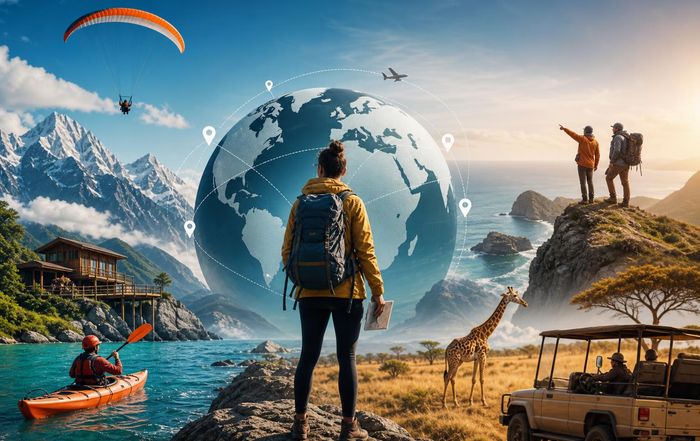
Adventure Tourism Jobs With Global Mobility
Adventure Tourism at a Global Turning Point!
Surely must've noticed that adventure tourism has evolved from a niche pursuit into a sophisticated, multi-billion-dollar segment of the global travel economy, reshaping how people work, move and build careers across borders. As governments refine visa frameworks, as digital platforms match talent with remote and seasonal roles, and as travellers demand more meaningful, sustainable and safe experiences, adventure tourism jobs with global mobility are emerging as one of the most dynamic employment arenas for professionals in North America, Europe, Asia, Africa and South America alike. For readers of xdzee.com, who follow developments in sports, adventure, travel, performance, innovation, lifestyle and business, this transformation is not just a trend; it is a roadmap to new opportunities that connect passion with profession, and local landscapes with global careers.
The sector's expansion is underpinned by demographic and behavioural shifts documented by organizations such as the World Travel & Tourism Council, which highlights how younger travellers and experienced professionals alike are prioritizing experiential journeys over material consumption, and by the World Tourism Organization (UNWTO), which tracks the steady post-pandemic recovery of international arrivals and the diversification of tourism products into adventure, sports and nature-based experiences. As borders reopen more predictably and digital identity tools streamline cross-border movement, adventure tourism jobs increasingly allow guides, instructors, content creators, sustainability specialists and managers to live and work in multiple countries over the course of their careers, from alpine resorts in Switzerland and France to surf towns in Australia, cultural routes in Japan and South Korea, wildlife corridors in South Africa and Kenya, and national parks in the United States and Canada.
Defining Adventure Tourism Jobs with Global Mobility
Adventure tourism jobs with global mobility can be understood as roles in which professionals deliver or support adventure-oriented experiences-such as trekking, climbing, skiing, diving, rafting, wildlife safaris or cultural expeditions-while having the practical ability and legal permission to work across multiple countries or regions over time. This mobility may take the form of seasonal migration between hemispheres, multi-year expatriate assignments, remote contracts with international operators, or portfolio careers that combine short-term guiding, content production, consulting and training engagements across continents.
According to the Adventure Travel Trade Association, adventure tourism blends physical activity, natural environments and cultural immersion, which means that jobs in this space require a blend of technical skills, intercultural competence and risk management capabilities. Professionals might start as local guides in the United Kingdom's national parks or Italy's Dolomites, then progress into expedition leadership roles in the Himalayas or the Andes, or into operations management positions for global brands headquartered in Germany, the Netherlands or Singapore. Others might specialize in high-performance coaching for athletes in sports such as trail running, mountain biking or surfing, connecting their expertise to the growing intersection between adventure travel and endurance sports that readers can explore further in the updated sports coverage on xdzee sports.
The defining feature of global mobility in this context is not only the physical relocation of professionals, but also the seamless transfer of their skills, certifications and reputational capital across borders. Recognized training frameworks from organizations like Wilderness Medical Society or PADI for diving, and mountain guide qualifications aligned with the International Federation of Mountain Guides Associations, allow employers in Canada, New Zealand, Switzerland or Japan to trust that a candidate from Germany, South Africa or Brazil meets consistent safety and technical standards, thereby reinforcing the trustworthiness of the entire ecosystem.
Key Career Paths in Adventure Tourism
Within this expanding field, several career paths are emerging as particularly relevant for globally mobile professionals who wish to align their passion for adventure with long-term employability and professional authority. Adventure guides and expedition leaders remain at the core of the sector, orchestrating experiences that balance challenge and safety for clients from the United States, the United Kingdom, China or Australia. These roles increasingly require cross-disciplinary expertise, including navigation, weather assessment, group psychology, cultural interpretation and emergency response, as well as familiarity with evolving best practices in performance and safety standards.
Adventure sports instructors, such as ski and snowboard coaches, climbing instructors, paragliding pilots or surf coaches, are also in high demand, particularly in countries with mature infrastructure such as France, Switzerland, Japan, Norway and New Zealand, as well as emerging adventure destinations across Asia and South America. Many of these professionals follow a seasonal migration pattern, teaching in the Northern Hemisphere's winter resorts before moving to Southern Hemisphere destinations, leveraging internationally recognized certifications and insurance frameworks that facilitate cross-border practice. Organizations such as SnowSports Industries America and national mountain safety councils provide guidelines that help instructors maintain consistent quality and safety as they move between employers and jurisdictions.
Beyond frontline guiding and instruction, destination managers and product developers are designing integrated adventure experiences that align with local culture, conservation priorities and visitor expectations. These professionals often work for destination management organizations, national parks agencies, or private operators and global brands, coordinating with local communities, infrastructure providers and marketing teams to shape the identity of adventure destinations from Scandinavia to Southeast Asia. Their work intersects with the broader tourism and business strategies covered in xdzee business, as adventure products become central to regional branding and investment decisions.
Skills, Certifications and Professional Standards
For adventure tourism jobs with global mobility, formal skills and certifications are more than credentials; they are the foundation of trust between professionals, clients, employers and regulators. In 2026, many destinations require guides and instructors to hold specific qualifications in wilderness first aid, avalanche safety, rope rescue, maritime safety or wildlife interaction protocols, as well as compliance with occupational health and safety regulations. Organizations such as Wilderness Medical Associates International and the Red Cross provide medical training that is widely recognized across continents, enabling professionals to demonstrate competence whether they are working in Canada's national parks, South Africa's reserves or Thailand's island destinations.
Technical skills must be complemented by strong intercultural communication capabilities, language proficiency and customer service excellence. Adventure travellers today often come from diverse backgrounds and may have varying expectations regarding risk, comfort and cultural engagement. As highlighted in research from Harvard Business Review on cross-cultural leadership, professionals who can adapt their communication style, manage group dynamics and negotiate expectations among multinational clients are better positioned to lead safely and effectively in demanding environments. This is particularly important in destinations that attract a high proportion of international visitors, such as Spain, Italy, Japan and Singapore, where adventure experiences are woven into broader cultural and lifestyle itineraries that readers can further explore in xdzee lifestyle.
Digital literacy has also become a core professional requirement. Adventure tourism professionals increasingly rely on navigation apps, real-time weather and avalanche forecasting tools, digital waiver systems and mobile payment platforms, as well as content creation tools for marketing and storytelling. Guidance from institutions like MIT Sloan School of Management on digital transformation in services industries underscores how these tools, when used responsibly, can enhance operational efficiency and customer experience, but also introduce new responsibilities around data privacy, cybersecurity and ethical communication.
Safety, Risk Management and Duty of Care
Safety is the non-negotiable backbone of any credible adventure tourism operation, particularly when professionals are working across borders in varied regulatory environments and natural conditions. In 2026, destination authorities and industry bodies have tightened safety expectations in response to past incidents and increasing visitor volumes, emphasizing structured risk assessments, documented operating procedures, emergency response plans and continuous training. Agencies such as the U.S. National Park Service and Parks Canada publish extensive safety guidelines that influence global best practice, while European alpine countries collaborate through cross-border rescue and avalanche information systems.
Professionals with global mobility must understand not only the technical aspects of safety, but also the legal concept of duty of care in each jurisdiction where they operate. Liability standards, insurance requirements and incident reporting obligations can differ substantially between the United States, the United Kingdom, Germany, Japan or Brazil, and failure to comply can jeopardize both personal careers and corporate reputations. Thought leadership from platforms like Lexology and International Bar Association helps operators and guides stay informed about evolving legal frameworks, from waiver enforceability to consumer protection regulations affecting cross-border bookings and digital marketing.
The intersection of safety and innovation is particularly relevant for xdzee.com readers interested in performance and technology. Advances in wearable devices, satellite communication, AI-enhanced weather models and digital trail mapping are redefining how risk is monitored and mitigated in real time. At the same time, ethical questions arise around over-reliance on technology, data ownership and the potential erosion of traditional navigation skills. These debates echo broader innovation discussions that are explored in xdzee innovation, where the balance between human expertise and technological augmentation is a recurring theme across industries.
Sustainability, Ethics and Local Community Impact
As adventure tourism expands into fragile ecosystems and culturally sensitive regions, the ethical responsibilities of globally mobile professionals are coming under sharper scrutiny. Organizations such as the UN Environment Programme and the Global Sustainable Tourism Council have articulated principles for minimizing environmental impact, preserving biodiversity, respecting local cultures and ensuring that tourism revenues benefit host communities. For adventure tourism workers, this means integrating Leave No Trace practices, supporting locally owned suppliers, engaging respectfully with Indigenous and traditional knowledge holders, and advocating for visitor behaviour that aligns with conservation objectives.
Ethical considerations extend to labour practices and community relationships. Adventure tourism jobs can bring valuable income and skills to rural areas in countries such as Nepal, Peru, Tanzania or Malaysia, but they can also create dependence, seasonal volatility and social tensions if not managed responsibly. Research from the World Bank on tourism and local development underscores the importance of transparent revenue sharing, fair wages, capacity building and community decision-making in tourism planning. Globally mobile professionals who aspire to long-term careers in this sector must therefore cultivate not only technical expertise, but also a strong ethical compass and the ability to collaborate with local stakeholders on equal terms.
For xdzee.com, which maintains a dedicated focus on ethics, sustainability and culture, these issues are central to how adventure tourism is covered and interpreted. Readers can explore related perspectives in xdzee ethics and xdzee culture, where the platform examines how global brands, local operators and individual professionals navigate the tension between commercial growth and responsible stewardship of destinations in Europe, Asia, Africa and the Americas.
Digital Platforms, Branding and Career Visibility
Global mobility in adventure tourism is increasingly mediated by digital platforms that match talent with opportunities, showcase destinations and build personal and corporate brands. Online marketplaces for guides and experiences, remote job boards and social media channels have become essential tools for professionals seeking contracts in the United States, Canada, Australia, New Zealand, South Africa or across Europe and Asia. Platforms such as LinkedIn and Indeed provide global visibility for adventure tourism roles, while specialized portals and industry associations curate opportunities that require specific certifications and language skills, helping professionals to navigate complex international hiring landscapes.
Personal branding has become a critical component of career development in this field. Adventure professionals who can demonstrate a track record of safe, high-quality experiences, documented through client testimonials, professional references, media coverage and thoughtful storytelling, are more likely to secure premium roles with reputable operators and global brands. Guidance from institutions like the Chartered Institute of Marketing on brand building and digital engagement is increasingly relevant even for guides and instructors who once relied solely on word-of-mouth referrals. At the same time, authenticity and transparency are essential; audiences and employers are quick to detect exaggerated claims or unsafe practices, and reputational damage can spread quickly across global networks.
For xdzee.com, which provides coverage on brands, business and lifestyle, this convergence of adventure, digital identity and professional credibility is a natural area of interest. The platform's editorial lens emphasizes how professionals and organizations can build trustworthy brands that reflect genuine expertise, ethical commitments and respect for destination cultures, rather than superficial marketing narratives.
Destination Dynamics and Regional Opportunities
Adventure tourism jobs with global mobility are deeply shaped by the characteristics and policies of individual destinations and regions. Countries like Switzerland, France, Italy and Austria have long-established mountain tourism infrastructures, robust safety regulations and strong seasonal labour markets that attract guides, instructors and hospitality professionals from across Europe and beyond. Nordic countries such as Norway, Sweden, Denmark and Finland are investing heavily in sustainable nature-based tourism, emphasizing low-impact experiences, inclusive access and year-round opportunities that align with broader climate and lifestyle policies, as reflected in policy papers from the Nordic Council of Ministers.
In North America, the United States and Canada continue to be major hubs for adventure tourism employment, from national parks and ski resorts to wilderness lodges and Indigenous-owned cultural experiences. Agencies like Destination Canada and Brand USA highlight how adventure and outdoor recreation are central to their national tourism narratives, creating a wide spectrum of roles in guiding, operations, marketing, conservation and research. In the Asia-Pacific region, countries such as Japan, South Korea, Thailand, Malaysia, Singapore, China, Australia and New Zealand are diversifying their tourism offers by investing in trail networks, marine parks, adventure sports infrastructure and cultural routes, often in partnership with local communities and international operators.
Africa and South America present both significant opportunities and complex challenges. South Africa, Kenya, Tanzania, Brazil, Peru and Chile, among others, are leveraging their natural assets and wildlife to attract adventure and eco-tourists, but must navigate infrastructure gaps, conservation pressures and socio-economic inequalities. Reports from the African Development Bank and Inter-American Development Bank highlight how targeted investment, skills development and community-based tourism models can unlock inclusive growth while avoiding over-tourism and environmental degradation. For globally mobile professionals, these regions offer the chance to contribute to pioneering projects in conservation, community engagement and sustainable destination development, but require heightened cultural sensitivity and long-term commitment.
Readers interested in how these regional dynamics intersect with global news and policy debates can follow developments through xdzee world and xdzee news, where geopolitical shifts, climate policies, visa regulations and infrastructure investments are tracked for their impact on travel, jobs and business.
Business Models, Employment Structures and Career Resilience
Adventure tourism employment is characterized by a wide variety of business models and contractual arrangements, ranging from full-time positions with large operators and resorts to freelance guiding, project-based consulting and entrepreneurial ventures. In 2026, many professionals build portfolio careers that combine guiding, training, content creation, destination consulting and product development, often with clients and partners on multiple continents. This diversity can enhance career resilience, allowing individuals to adapt to seasonality, economic cycles or regional disruptions, but it also demands sophisticated financial planning, legal awareness and self-management skills.
Industry analyses from organizations like McKinsey & Company and Deloitte suggest that the tourism workforce is increasingly shaped by the broader gig economy and remote work trends, with digital booking and communication tools enabling cross-border collaboration while also shifting certain risks onto individual workers. Professionals must understand taxation, social security, health insurance and liability implications in each jurisdiction where they operate, and may need to work with cross-border financial advisors or legal experts to structure their careers sustainably. The interplay between flexibility and security is a recurring theme in the jobs and careers coverage on xdzee jobs, where readers can explore how adventure tourism compares with other sectors in terms of stability, growth prospects and work-life balance.
Entrepreneurship is another important dimension of global mobility in adventure tourism. Many professionals eventually establish their own guiding companies, training schools, content studios or destination management firms, leveraging their international networks, reputations and insights into traveller behaviour. This entrepreneurial path can create significant value for local communities and ecosystems when aligned with responsible business practices, as outlined in resources on sustainable business models from institutions like Stanford Graduate School of Business. However, it also introduces additional layers of regulatory compliance, capital requirements and operational risk that must be carefully managed.
The Role of xdzee.com in Shaping Informed Adventure Careers
As adventure tourism jobs with global mobility become more prominent and complex, platforms that provide reliable, context-rich information play a crucial role in helping professionals, employers and destinations make informed decisions. xdzee.com positions itself at this intersection of sports, adventure, travel, business, lifestyle, ethics and innovation, curating insights that help readers understand not only where opportunities are emerging, but also what standards of expertise, authoritativeness and trustworthiness are required to succeed responsibly in this field.
By connecting coverage of adventure destinations, travel trends, business strategy, innovation, ethics and culture, xdzee.com offers a holistic perspective that mirrors the interdisciplinary nature of adventure tourism careers. Whether examining how a mountain town in Switzerland balances visitor growth with climate adaptation, how a surf community in Australia negotiates the influence of global brands, or how a new visa framework in the European Union or Asia facilitates seasonal mobility for guides and instructors, the platform aims to equip readers with nuanced understanding rather than simplistic narratives.
In a landscape where social media can amplify sensational stories and partial information, the commitment to depth, cross-regional context and professional standards becomes a differentiator. For globally mobile adventure professionals, this means having a trusted reference point for evaluating destinations, employers, training pathways and ethical dilemmas, as well as a platform that recognizes their work as a serious, skilled profession rather than a temporary lifestyle experiment.
What's Coming Ahead? Building Sustainable, Mobile Adventure Careers
Adventure tourism jobs with global mobility are no longer confined to a small cohort of elite mountaineers or expedition leaders; they encompass a broad spectrum of roles that integrate sports, culture, conservation, technology and business across continents. The most successful professionals in this arena will be those who combine deep technical expertise, rigorous safety and ethical standards, cultural intelligence, digital fluency and an entrepreneurial mindset, while maintaining a clear sense of responsibility to the communities and landscapes that host their work.
For subscribers and readers of xdzee in the United States, the United Kingdom, Germany, Canada, Australia and beyond, the message is clear: adventure tourism is not merely a leisure trend but a complex, evolving industry that offers meaningful, globally mobile careers for those prepared to invest in their skills, values and long-term vision. As regulations, technologies and traveller expectations continue to shift, staying informed through trusted, analytically rigorous platforms will be essential.
In that context, xdzee.com will continue to follow the daily stories, policies, innovations and human experiences that define adventure tourism's next chapter, helping professionals and aspiring entrants alike navigate a world where the boundaries between work, travel, culture and performance are increasingly fluid, and where the true measure of success lies in creating experiences that are not only exhilarating, but also safe, ethical and sustainable for the global community.