

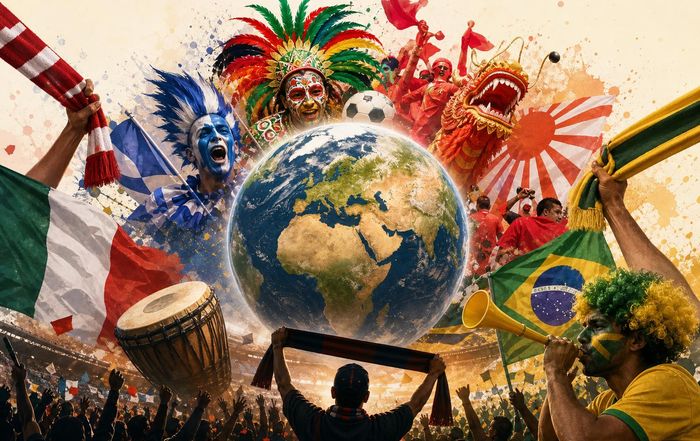
How Culture Influences Sports Fan Traditions in a Connected World
Introduction: Culture, Passion and the Global Arena
Sports no longer exist merely as games played within the boundaries of a stadium; they have become some of the most visible expressions of cultural identity, social values and collective memory around the world. From football chants echoing through stadiums in Europe and South America, to choreographed supporter groups in Asia, to the tailgate rituals of North America, the traditions of sports fans reveal how communities see themselves and how they wish to be seen. For xdzee, which brings together fit and active audiences passionate about sports, adventure, travel, lifestyle, brands and global culture, understanding how culture shapes fan traditions is essential to explaining why these rituals matter not only to local supporters but also to a worldwide audience that increasingly travels, works and lives across borders.
As international broadcasting, streaming platforms and digital communities expand, the distinct ways that fans in the United States, the United Kingdom, Germany, Brazil, Japan, South Africa and beyond celebrate their teams have become both more visible and more influential. Yet, despite this global exposure, local culture still plays a decisive role in shaping how fans sing, dress, travel, protest and celebrate. By examining these fan traditions through the lens of culture, it becomes possible to understand why a football derby in Buenos Aires feels different from a rivalry game in London or a baseball showdown in Tokyo, and why these differences continue to matter in a world that appears, on the surface, to be converging.
Historical Roots: Ritual, Identity and the Birth of Fan Culture
Sports fan traditions did not emerge in a vacuum; they grew out of older cultural practices of ritual, celebration and community identification. Historians at institutions such as the British Library have shown how early modern festivals, religious processions and public spectacles laid the groundwork for collective displays of loyalty that would later migrate into the sporting arena. In Europe, the rise of football in the late nineteenth and early twentieth centuries coincided with urbanization and industrialization, as working-class communities in England, Germany and Italy found in local clubs a powerful symbol of neighborhood pride and social solidarity.
In North America, baseball, American football and ice hockey developed their own distinctive fan cultures shaped by national myths of frontier spirit, competition and mobility, with tailgating and marching bands reflecting broader traditions of community gatherings and collegiate pageantry. Researchers at Harvard University have documented how university sport in the United States became a stage for class identity and institutional prestige, further embedding fan traditions within broader cultural narratives about success, education and regional rivalry. In Asia, the historical connection between martial arts, discipline and collective performance continues to influence the choreographed support seen in Japanese baseball stadiums and South Korean football arenas, where precision, order and respect coexist with exuberant passion.
The cumulative effect of these histories is that fan traditions today carry layers of meaning that extend beyond the scoreboard. When supporters in Germany wave scarves and sing club anthems, or when Brazilian fans drum and dance in the stands, they are drawing on long-standing cultural repertoires of music, celebration and communal expression that predate modern sport but now find one of their most powerful outlets within it.
Regional Expressions: How Different Cultures Shape the Stadium Experience
Across the world, regional cultures shape the emotional temperature, visual style and social norms of the stadium experience in ways that are instantly recognizable to those who travel for sport. On xdzee.com, where readers explore global travel experiences alongside sports and lifestyle, these differences are often what make attending a match abroad so compelling.
In Europe, football remains the dominant cultural force, with fan traditions in countries such as the United Kingdom, Germany, Italy, Spain and the Netherlands reflecting both national character and local history. English supporters are known for their witty chants, often drawing on popular music and everyday humor, while German fans in cities like Dortmund and Munich emphasize choreographed displays and collective singing that mirror the country's strong association with organized club culture and civic associations. Studies from UEFA highlight how supporter groups in Europe play an active role in governance debates, safety standards and community projects, reinforcing the idea that fan culture is intertwined with democratic participation and civic engagement.
In South America, particularly in Brazil and Argentina, football fan traditions are infused with music, dance and a carnival-like intensity that reflects broader cultural practices of street festivals and public celebration. The rhythmic drumming, colorful banners and continuous singing in stadiums from Rio de Janeiro to Buenos Aires create an atmosphere that many visiting supporters describe as overwhelming in its emotional power. The FIFA archives document how these traditions have influenced global perceptions of football passion, shaping marketing campaigns, broadcast narratives and even the expectations of fans in other regions who aspire to recreate similar levels of involvement.
In Asia, fan traditions often reflect a combination of imported sports and local cultural norms. Japanese baseball fans, for example, are renowned for their organized cheering sections, synchronized songs and respect for both teams, a pattern that aligns with broader social values of harmony, discipline and group loyalty. South Korean football supporters, particularly the iconic "Red Devils," blend drumming and chanting with choreographed movements that echo K-pop fan culture and national pride. Organizations such as the Japan Sports Agency note how these fan practices are increasingly seen as part of the country's soft power, shaping how Japanese culture is perceived abroad.
In North America, traditions around the NFL, NBA, NHL and Major League Baseball reflect a culture that values spectacle, entertainment and consumer experience. Tailgating in the United States and Canada, where fans gather in parking lots hours before a game to cook, play music and socialize, has become a ritual that blends sports with food, community and lifestyle. The National Football League emphasizes fan engagement as a central part of its brand strategy, showcasing elaborate halftime shows, in-game entertainment and digital interactivity that align with broader trends in American popular culture and media consumption.
Chants, Songs and Storytelling: The Cultural Language of the Stands
One of the clearest ways that culture influences sports fan traditions is through the chants, songs and narratives that supporters create and sustain over generations. Linguists at the University of Oxford have analyzed how football chants in the United Kingdom function as a form of folk poetry, drawing on local dialects, humor and historical references to construct a shared identity among supporters. These chants often encode memories of famous victories, rivalries and players, transforming the stadium into a living archive of club and community history.
In Latin America, the musicality of fan culture is particularly evident. Supporters in Brazil, Argentina and Chile adapt popular songs, samba rhythms and cumbia melodies into terrace anthems that not only energize the team but also express social and political commentary. Anthropological studies referenced by UNESCO have shown how these musical traditions in sport are connected to broader practices of protest, festival and social mobilization in the region, demonstrating that fan culture can serve as both entertainment and a vehicle for collective voice.
In Germany and Scandinavia, where choral traditions and communal singing have deep cultural roots, stadiums often resonate with long, sustained chants and anthems that create a sense of unity and belonging. Clubs like Borussia Dortmund and FC Bayern München have become known worldwide for their "Yellow Wall" and synchronized displays, which international visitors often describe as a cultural experience as much as a sporting one. Meanwhile, in countries such as Sweden, Norway and Denmark, supporter culture frequently emphasizes inclusivity and family-friendly environments, reflecting broader social values around equality and community welfare, which are documented in reports by the Nordic Council of Ministers.
In North America and parts of Asia, the influence of popular music, advertising and digital media has led to fan traditions that incorporate sound effects, DJ-led chants and branded theme songs. This blending of commercial and cultural elements is particularly evident in the NBA, where arenas in cities like New York, Toronto and Los Angeles feature curated music, celebrity presence and high-production visuals that align with the league's global entertainment strategy, as highlighted by NBA communications and international marketing campaigns.
Visual Identity: Colors, Clothing and Performance as Cultural Signals
The visual dimension of sports fandom-scarves, jerseys, face paint, banners and choreographed displays-offers another lens through which culture shapes tradition. Fashion and lifestyle choices in the stands often mirror broader trends in society, from streetwear and luxury brands to national symbols and political imagery. For readers of xdzee.com interested in brands and lifestyle, the stadium serves as a live runway where identity, allegiance and personal style intersect.
In Europe and South America, club colors and crests frequently reflect local history, industry and political heritage. Italian clubs with roots in workers' associations or aristocratic circles still carry those narratives in their visual identity, while Spanish and Portuguese clubs often incorporate regional flags and symbols that signal local pride within a national context. The Museum of Football in the United Kingdom documents how early club kits and badges were chosen to represent civic identity, a tradition that persists as fans wear retro jerseys and vintage scarves to connect with past eras.
In North America, the influence of major sportswear companies and entertainment culture has driven a more fluid relationship between sports apparel and street fashion. NBA jerseys, for instance, have become global lifestyle items, worn as much for their association with music and urban culture as for on-court success. Brands such as Nike, Adidas and Puma collaborate with clubs and leagues to produce limited-edition kits that reflect city culture, local artists and social causes, a trend that aligns with broader movements toward purpose-driven branding documented by the World Economic Forum.
In Asia, fan attire often combines global sports fashion with local aesthetics. Japanese and South Korean supporters may wear coordinated colors and accessories that reflect pop culture influences, while in China and Southeast Asia, fans of European clubs integrate Western logos with local fashion trends. The spread of global leagues into markets such as Singapore, Thailand and Malaysia has created hybrid fan identities, where a supporter might follow a Premier League club while also engaging deeply with local teams and national sides, a pattern discussed in regional sports business analyses by Deloitte and other consultancies.
Visual performance extends beyond clothing to include tifos, flags and choreographed displays that turn the stadium into a canvas. In countries like Germany, Poland and Turkey, ultra groups create large-scale mosaics and banners that comment on club history, politics or social issues, often pushing against regulatory boundaries. These displays, while sometimes controversial, highlight how fan traditions can serve as a form of visual storytelling and civic expression, a topic that resonates strongly with xdzee.com readers interested in culture and performance.
Travel, Adventure and Destination Culture: Fans on the Move
As international travel has become more accessible, especially for middle-class supporters in Europe, North America and parts of Asia, sports fandom has expanded beyond local stadiums into a form of global adventure and cultural tourism. For the community around xdzee.com, which explores adventure, destination culture and global travel, the modern sports fan is increasingly also a traveler, seeking experiences that combine live events with exploration of local food, nightlife, history and lifestyle.
Major tournaments such as the FIFA World Cup, the Olympic Games and continental competitions like the UEFA European Championship or the Copa América have become catalysts for large-scale fan migrations. Organizations such as the International Olympic Committee emphasize the role of these events in promoting intercultural exchange, as supporters from diverse backgrounds share public spaces, hospitality venues and transport networks. The resulting interactions can lead to the blending of fan traditions, as visitors adopt local chants, foods or pre-game rituals and bring them back to their home countries.
City branding strategies increasingly recognize the value of sports tourism, with local governments and tourism boards in cities such as London, Munich, Barcelona, Tokyo and Melbourne promoting stadium tours, fan zones and sports museums as key components of their cultural offerings. Reports by the OECD on tourism and regional development highlight how investment in sports infrastructure and fan experiences can drive broader economic benefits, from hospitality and retail to employment and urban regeneration.
For traveling fans, understanding local fan culture is also a matter of safety and respect. Differences in stadium etiquette, security protocols and rivalry intensity can be significant across regions, making it essential for visitors to learn about local norms before attending matches. Resources that focus on safety and ethics in sport and travel help ensure that these cross-cultural experiences remain positive, reinforcing the idea that responsible fandom is part of a broader commitment to ethical and sustainable global mobility.
Digital Communities, Innovation and the Globalization of Tradition
While fan traditions are deeply rooted in local culture, digital technology has transformed how they are created, shared and adapted. Social media platforms, streaming services and fan forums allow supporters from the United States, Europe, Asia, Africa and South America to observe and sometimes imitate each other's chants, celebrations and visual styles. For xdzee.com, whose audience follows innovation and global trends, this digital layer is reshaping what it means to belong to a fan community.
Clubs and leagues now actively cultivate online fan bases in distant markets, using targeted content, localized social media accounts and virtual events to engage supporters who may never visit the home stadium. The Premier League, for example, has dedicated strategies for fans in the United States, China, Singapore and other key markets, recognizing that digital engagement can translate into merchandise sales, broadcast audiences and even sports tourism. This global reach can lead to the emergence of new hybrid traditions, as local fan groups in cities like New York, Sydney or Singapore develop their own rituals for watching games in bars, fan zones or community centers.
At the same time, digital platforms allow local supporters to document and archive their own traditions, preserving chants, banners and match-day routines for future generations. Initiatives such as the Internet Archive and club-specific heritage projects demonstrate how fan culture is increasingly recognized as a form of intangible cultural heritage worthy of preservation. This recognition aligns with broader debates about cultural rights and community ownership, topics that resonate with readers who follow ethics and culture on xdzee.com.
However, the globalization of fan culture also raises questions about authenticity, commercialization and inequality. When iconic traditions from one region are replicated elsewhere without context, there is a risk that the deeper social and historical meanings of those practices may be diluted. Similarly, the commercialization of fan rituals by sponsors and brands can create tensions between grassroots supporters and corporate stakeholders, especially when decisions about match-day experiences are driven more by marketing metrics than by local community needs. Analysts at the Centre for Sport and Human Rights have highlighted how these dynamics intersect with broader concerns about labor conditions, access and representation in global sport.
Business, Jobs and the Professionalization of Fan Experience
The economic significance of sports fan traditions has grown dramatically, turning match-day culture into a critical component of business strategy, employment and city branding. For a business-focused audience, the intersection of culture and commerce in sport offers insights into how emotional engagement can be translated into sustainable value, innovation and jobs. The World Bank and other international institutions have documented how major sports events and leagues contribute to GDP, infrastructure development and employment, particularly in sectors such as hospitality, media, retail and transport.
Clubs and leagues increasingly employ specialists in fan engagement, experience design, data analytics and community relations to understand and respond to supporter expectations. These roles, which align with the evolving jobs landscape followed by xdzee.com readers, require a blend of cultural sensitivity, digital expertise and business acumen. Professionals in these positions analyze fan behavior across markets such as the United States, United Kingdom, Germany, China and Brazil, tailoring match-day experiences, merchandise and digital content to local cultural preferences while maintaining a coherent global brand.
Brands that partner with clubs and events are also investing in culturally informed strategies, recognizing that fan traditions vary significantly across regions. A campaign that resonates with supporters in London or New York may need to be adapted for audiences in Tokyo, Johannesburg or São Paulo, taking into account local values, regulatory environments and historical sensitivities. Marketing frameworks published by organizations like the Chartered Institute of Marketing emphasize the importance of cultural intelligence in global sports sponsorship, highlighting how missteps can lead to reputational damage and fan backlash.
At the same time, there is growing recognition that the economic benefits of sports fandom must be balanced with social responsibility and ethical considerations. Issues such as ticket pricing, accessibility, stadium safety and community displacement around new venues raise questions about who truly benefits from the commercialization of fan culture. These debates intersect with broader discussions about sustainability, human rights and corporate governance, which are central to contemporary business discourse and are increasingly reflected in the expert coverage on xdzee.com business and world sections.
Ethics, Safety and the Future of Fan Traditions
Looking ahead, the evolution of sports fan traditions will be shaped not only by culture and technology but also by ethical and regulatory frameworks that aim to protect safety, inclusion and human dignity. Incidents of crowd violence, discrimination and unsafe stadium conditions in various parts of the world have prompted governments, leagues and international bodies to strengthen standards and monitoring. Organizations such as Human Rights Watch and the Council of Europe have called for greater accountability in how major sports events are organized, with particular attention to policing, infrastructure, labor rights and the treatment of minority groups.
For fans, these developments mean that some traditional practices may be restricted or transformed. Pyrotechnic displays, pitch invasions and certain forms of ultra activity have been curtailed in many countries due to safety concerns, while discriminatory chants and symbols are increasingly sanctioned by clubs and governing bodies. At the same time, new traditions emphasizing inclusion, anti-racism and community solidarity are emerging, reflecting broader social movements and ethical commitments. Campaigns supported by UEFA, FIFA and national federations aim to harness the power of fan culture to promote respect, diversity and mental health awareness, demonstrating that traditions can evolve in ways that align with contemporary values.
The challenge for stakeholders-from clubs and leagues to cities, sponsors and media platforms-is to nurture the positive aspects of fan traditions while mitigating risks and harms. This requires ongoing dialogue with supporter groups, transparent governance and a willingness to adapt business models to prioritize long-term trust over short-term gains. For xdzee.com, which connects cool audiences interested in sports, lifestyle, culture and responsible travel, this tension between passion and responsibility is at the heart of how fan traditions will be covered and interpreted in the years ahead.
Conclusion: Local Roots, Global Reach !
In 2026, sports fan traditions stand at a crossroads where local culture, global connectivity, business interests and ethical imperatives intersect. The chants of a Premier League crowd, the drums of a Brazilian torcida, the synchronized cheers of Japanese baseball fans and the tailgates outside American stadiums all reflect distinct cultural histories and values, even as they increasingly influence one another through travel, digital media and international competitions. These traditions are not static; they evolve with social change, technological innovation and economic shifts, yet they remain anchored in the desire for belonging, recognition and shared emotion.
For a global, culturally curious and business-aware audience, understanding how culture influences sports fan traditions is essential to interpreting not only what happens on the field but also what it means off it-in cities, workplaces, communities and digital spaces across continents. As xdzee.com continues to explore the new intersections of sports, world events, lifestyle, ethics and innovation, it is uniquely positioned to document this evolution, highlighting both the enduring power of local identity and the new possibilities created by a connected world.
In doing so, the platform affirms that sports fan traditions are more than colorful backdrops to televised events; they are living cultural practices that reveal how societies remember their past, navigate their present and imagine their future, from Europe and North America to Asia, Africa and South America, and from neighborhood stadiums to the global stage.