

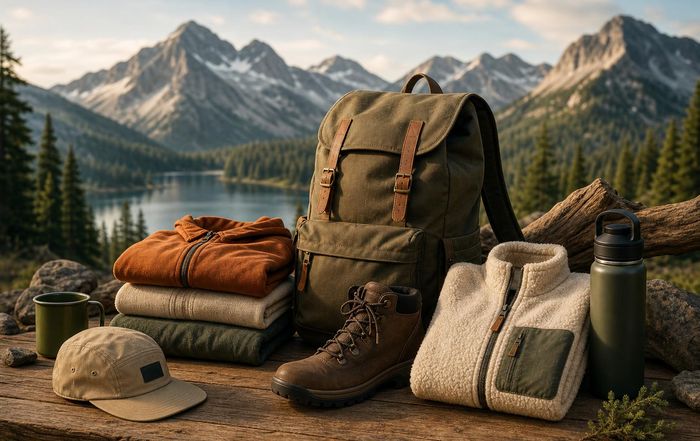
Lifestyle Brands Inspired by Outdoor Culture: How Performance, Purpose, and Place Redefine Modern Living
The Rise of Outdoor-Inspired Lifestyles in a Post-Pandemic World
Outdoor culture has moved from a niche passion to a defining force in global lifestyle and business. What began as a surge of interest in hiking, cycling, running, and adventure travel during the pandemic years has evolved into a structural shift in how people across North America, Europe, Asia, Africa, and South America choose to live, work, travel, and spend. In this environment, lifestyle brands inspired by outdoor culture are no longer merely selling jackets, backpacks, or trail shoes; they are selling a vision of identity, belonging, and purpose that resonates with consumers in the United States, the United Kingdom, Germany, Canada, Australia, France, Italy, Spain, the Netherlands, Switzerland, China, Sweden, Norway, Singapore, Denmark, South Korea, Japan, Thailand, Finland, South Africa, Brazil, Malaysia, New Zealand and beyond.
At the center of this transformation sits XDZEE, which has positioned itself as a digital home for people who see sports, adventure, travel, brands, lifestyle, culture, destinations, performance, safety, innovation, ethics, business, and jobs as interconnected parts of one holistic narrative. Readers who explore XDZEE's travel insights or delve into global lifestyle perspectives are not just consuming content; they are mapping a way of life where mountains, oceans, cities, and digital spaces converge into a single, coherent experience.
From Gear to Identity: How Outdoor Brands Became Cultural Symbols
The evolution of outdoor lifestyle brands over the past decade is best understood as a shift from functional gear providers to cultural institutions. Companies such as Patagonia, The North Face, Arc'teryx, Salomon, and Columbia Sportswear have moved far beyond technical apparel, embedding themselves in conversations about climate change, social justice, urban design, and the future of work. Their products are now shorthand for values: environmental responsibility, resilience, authenticity, and a commitment to continuous performance.
This transition has been documented in business analysis from platforms like Harvard Business Review, where case studies explore how brands that align profit with purpose outperform purely transactional competitors. As outdoor-inspired brands become symbols of identity, they increasingly influence travel decisions, leisure time, and even career choices, themes that are reflected daily in XDZEE's business coverage and its focus on how brand strategy intersects with culture and ethics.
For consumers in cities such as New York, London, Berlin, Toronto, Sydney, Paris, Milan, Madrid, Amsterdam, Zurich, Shanghai, Stockholm, Oslo, Singapore, Copenhagen, Seoul, Tokyo, Bangkok, Helsinki, Johannesburg, São Paulo, Kuala Lumpur, and Auckland, wearing a weatherproof shell or trail-running shoe is no longer solely about weekend escapes; it is about signaling a commitment to a life that remains connected to nature, even when lived in dense, technology-driven environments.
Experience at the Core: Designing for Real Lives, Not Just Idealized Adventures
The most successful outdoor-inspired lifestyle brands in 2026 are those that design for the full spectrum of human experience rather than for a narrow idea of extreme adventure. This means creating products and services that work equally well on a commute in London, a client meeting in Frankfurt, a weekend trail run outside Vancouver, or a long-haul flight from Singapore to San Francisco. In this context, experience is not an abstract marketing term; it is the guiding principle behind materials, fit, durability, and digital integration.
Organizations such as Lululemon, On, and Allbirds have built strong followings by understanding that consumers want performance apparel that transitions seamlessly from the gym or trail to the office or café. Analysts at McKinsey & Company have highlighted how this blurring of categories-athleisure, outdoor, and everyday wear-has created new growth opportunities for brands that prioritize comfort, versatility, and aesthetic minimalism.
For XDZEE's audience, which spans sports enthusiasts, adventure travelers, urban professionals, and creative entrepreneurs, this focus on lived experience is particularly relevant. Articles on XDZEE Performance examine how design choices influence energy, focus, and safety, while coverage of XDZEE Destination explores how gear and apparel shape the way people move through cities, national parks, and remote regions across continents.
Expertise and Innovation: Technology as a Quiet Enabler
Behind the apparent simplicity of modern outdoor-inspired products lies a sophisticated ecosystem of material science, digital tools, and data-driven design. From advanced waterproof-breathable membranes and recycled fibers to smart fabrics that manage temperature and moisture more efficiently, technical expertise has become a key differentiator for brands that aspire to long-term relevance.
Research from organizations such as MIT's Materials Research Laboratory and sustainability-focused initiatives reported by National Geographic show how innovations in textiles and manufacturing can reduce environmental impact while maintaining or improving performance. Brands like Gore-Tex, Polartec, and PrimaLoft have become foundational technology partners, enabling a wide range of labels, from global giants to emerging European and Asian designers, to integrate high performance into everyday garments.
On the digital side, the integration of data analytics, 3D design, and supply chain transparency tools has allowed companies to refine product fit, forecast demand more accurately, and minimize waste. Reports from the World Economic Forum emphasize that companies that embrace digital transformation in product development and logistics not only operate more efficiently but also build greater resilience in the face of geopolitical, climatic, and economic disruptions.
In this landscape, XDZEE positions innovation as a cross-cutting theme rather than a siloed topic. Readers exploring XDZEE Innovation can trace how advances in materials, manufacturing, and digital platforms are reshaping not just the products they wear but the broader ecosystems of travel, sports, and urban living in which those products are used.
Trust, Ethics, and the New Expectations of Global Consumers
Trust has become the currency of modern lifestyle branding, especially for companies that draw inspiration from the outdoors. Consumers who care about mountains, oceans, forests, and trails expect brands to demonstrate responsible behavior in supply chains, labor practices, and environmental stewardship. This expectation is particularly high in markets such as the European Union, the United States, Canada, the United Kingdom, and the Nordic countries, where regulatory frameworks and consumer advocacy are more developed, but it is rapidly spreading across Asia, Africa, and South America as well.
Organizations such as the Fair Labor Association and certifications like bluesign and B Corp have become important markers of credibility, while independent reporting from sources like The Guardian and Reuters plays a vital role in scrutinizing corporate claims. At the same time, resources such as the UN Global Compact provide frameworks for companies seeking to align their strategies with internationally recognized principles on human rights, labor, environment, and anti-corruption.
For XDZEE's readers, who regularly engage with ethics-focused coverage and global news perspectives, trust is not built through slogans but through transparent action. Brands that disclose factory locations, publish impact reports, and invite third-party audits are increasingly favored over those that rely on vague sustainability language. In an era where social media can rapidly amplify both positive and negative stories, companies that fail to live up to their outdoor-inspired values risk swift reputational damage.
Safety and Performance: Non-Negotiables in an Uncertain World
As climate change accelerates and weather patterns become more volatile, the safety dimension of outdoor-inspired products has taken on new urgency. Apparel, footwear, and equipment designed for hiking, mountaineering, skiing, cycling, and water sports must now perform reliably in a wider range of conditions, from extreme heatwaves in Southern Europe and North America to heavy rainfall in Southeast Asia and intense cold snaps in Scandinavia and the Alps.
Organizations like the UIAA (International Climbing and Mountaineering Federation) and the European Committee for Standardization help define safety standards for equipment, while national agencies such as the U.S. Consumer Product Safety Commission monitor compliance and recall defective products when necessary. Meanwhile, platforms such as Outside Online and Backpacker provide in-depth reviews and field tests that help consumers evaluate real-world performance.
On XDZEE, safety is treated as a core pillar of responsible outdoor culture rather than an afterthought. The dedicated XDZEE Safety section explores how gear design, training, and situational awareness intersect, especially as more people from diverse backgrounds take up trail running, climbing, backcountry skiing, and adventure travel. For brands positioning themselves as lifestyle leaders, acknowledging and addressing risk in a mature, data-informed way is now a critical component of long-term trust and loyalty.
The Intersection of Sports, Adventure, and Lifestyle
Sports and adventure have always been central to outdoor culture, but in 2026 their influence on mainstream lifestyle is more pronounced than ever. The rise of trail running events in Europe, gravel cycling in North America, surfing in Australia and Brazil, climbing gyms in urban centers from Tokyo to Berlin, and ski touring in the Alps and Scandinavia has blurred the lines between competitive sport, personal fitness, and social identity.
Coverage from institutions like the International Olympic Committee and global sports federations reveals how disciplines once considered fringe-such as climbing, surfing, and skateboarding-have moved into the Olympic program, further legitimizing outdoor-inspired pursuits in the eyes of governments, sponsors, and the general public. This has had a direct impact on brand strategy, as companies seek ambassadors and narratives that reflect authenticity, inclusivity, and diversity rather than a narrow vision of elite performance.
For XDZEE's audience, the connection between sport and lifestyle is a daily reality. Readers who follow XDZEE Sports see how performance gear, training philosophies, and community events influence not only physical health but also mental resilience and social connection. At the same time, the adventure-focused coverage illustrates how activities such as trekking in the Himalayas, surfing in Indonesia, mountain biking in British Columbia, or skiing in the Dolomites are becoming key elements of personal identity for professionals in finance, technology, creative industries, and beyond.
Urban Outdoor Culture: Cities as Gateways to Nature
One of the most significant developments in recent years has been the emergence of "urban outdoor" culture, particularly in global hubs such as New York, London, Berlin, Toronto, Vancouver, Melbourne, Paris, Amsterdam, Zurich, Shanghai, Singapore, Seoul, and Tokyo. Rather than seeing cities and nature as opposites, a new generation of consumers views them as complementary: work and culture in the city, recovery and exploration in nearby parks, coastlines, and mountains.
Urban planners and policymakers, informed by research from organizations like UN-Habitat and the World Health Organization, increasingly recognize the physical and mental health benefits of green spaces, bike infrastructure, and accessible public transport to natural areas. This has created fertile ground for lifestyle brands that design products suitable for cycling to work, running along rivers, or taking spontaneous weekend trips to national parks.
For XDZEE, which covers both world news and regional developments, the urban outdoor trend is a lens through which to examine broader questions about mobility, sustainability, and cultural change. When a commuter in London chooses a waterproof commuter shell from an outdoor brand rather than a traditional trench coat, or when a professional in Singapore opts for technical sneakers instead of formal shoes, they are signaling a shift in values that extends far beyond fashion.
The Role of Storytelling: Culture, Heritage, and Local Identity
Lifestyle brands inspired by outdoor culture increasingly understand that their long-term success depends on more than technical specifications; it relies on rich storytelling that connects products to places, histories, and communities. This is particularly evident in regions with strong outdoor traditions, such as the Alps, the Rockies, the Scandinavian fjords, the Scottish Highlands, the Japanese Alps, and the New Zealand backcountry, where local narratives about mountains, forests, and seas shape how people understand their relationship with nature.
Cultural institutions and publications, including BBC Culture and National Public Radio, have highlighted how stories of exploration, indigenous knowledge, and environmental stewardship influence contemporary design and branding. Companies that respectfully engage with local communities, credit traditional practices, and support conservation efforts tend to build deeper emotional connections with consumers, particularly in markets such as Canada, New Zealand, the Nordic countries, and parts of Latin America and Africa where indigenous perspectives are central to land use debates.
On XDZEE, the culture-focused coverage emphasizes that outdoor-inspired lifestyles are not a one-size-fits-all concept. The meaning of adventure in Norway differs from that in South Africa or Brazil, and the way brands communicate must reflect these nuances. For a global audience, understanding these cultural contexts is essential to making informed choices about where to travel, what to wear, and which organizations to support.
Careers and the Outdoor Economy: Jobs with Purpose
The growth of outdoor-inspired lifestyle brands has also created a robust ecosystem of employment opportunities that appeal to individuals seeking purpose-driven careers. Roles in product design, sustainability, marketing, retail, digital experience, and supply chain management are increasingly framed not just as jobs but as contributions to a broader movement that values environmental responsibility, health, and community.
Reports from the International Labour Organization and economic analyses by organizations like the OECD show that the outdoor and adventure tourism sectors, along with related apparel and equipment industries, are significant contributors to GDP and employment in countries such as the United States, Germany, France, Italy, Spain, Switzerland, Canada, Australia, New Zealand, and Japan. As governments and businesses invest in green infrastructure, sustainable tourism, and circular economy initiatives, new professional pathways are emerging for younger generations.
For readers exploring XDZEE Jobs, the connection between personal lifestyle and professional trajectory is increasingly evident. Many seek roles that allow them to live in or near outdoor destinations, work with brands that align with their ethical values, or contribute to innovation in sustainability, safety, and performance. In this sense, the outdoor-inspired lifestyle movement is reshaping not only wardrobes and leisure activities but also long-term career planning.
Where is the Future of Outdoor-Inspired Lifestyle Brands and How Can we Document it?
Looking ahead to the late 2020s and beyond, lifestyle brands inspired by outdoor culture are poised to play an even larger role in shaping global consumer behavior, urban planning, tourism, and environmental policy. As climate pressures intensify and digital technologies continue to blur the boundaries between physical and virtual experiences, the demand for products and services that support resilient, healthy, and meaningful lives will only increase.
Industry research from Deloitte and trend reports from organizations like Euromonitor International suggest that brands that successfully integrate performance, sustainability, cultural authenticity, and digital engagement will outperform those that cling to outdated models of mass production and generic marketing. The outdoor-inspired segment, with its deep roots in real-world experience and environmental connection, is uniquely positioned to lead this transition.
Within this evolving landscape, XDZEE functions as more than a sports media platform; it acts as a curator, connector, and critical voice. By bringing together perspectives on sports, adventure, travel, brands, lifestyle, culture, destinations, performance, safety, innovation, ethics, business, jobs, and global news, XDZEE offers its worldwide audience a coherent framework for navigating the complex choices that define modern life. Whether a reader is planning an alpine trek, evaluating a new brand's sustainability claims, considering a career move into the outdoor economy, or simply seeking to understand how global events shape local experiences, the broader XDZEE ecosystem provides context, depth, and trustworthy insight.
As lifestyle brands continue to draw inspiration from mountains, oceans, deserts, forests, and cities, the most enduring will be those that honor the real experiences of people on the ground, invest in genuine expertise, demonstrate unwavering authoritativeness in their fields, and earn trust through transparent, ethical behavior. In amplifying these stories and scrutinizing their impact, XDZEE ensures that outdoor-inspired adventure sports news culture remains not just a trend, but a meaningful and sustainable way of living in a rapidly changing world.