

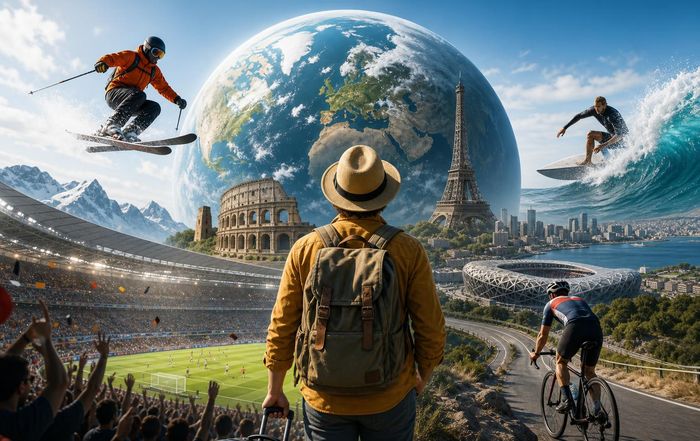
Global Sports Tourism Trends Worth Watching!
The New Powerhouse of Global Tourism
Surely you must've seen sports tourism has moved from a niche segment to one of the most dynamic engines of the global visitor economy, reshaping how destinations position themselves, how brands communicate, and how travelers design their lives around experiences rather than possessions. From the packed stadiums of the United States and United Kingdom to the alpine arenas of Switzerland and the coastal circuits of Australia, the convergence of sport, travel, lifestyle, and technology is creating a new class of highly engaged, high-value traveler whose decisions are driven as much by performance, safety, and ethics as by spectacle and entertainment.
For the team here, which sits at the intersection of sports, adventure, travel, and business, this transformation is not simply a subject of coverage; it is a lived reality that shapes editorial focus, partnerships, and the way the platform connects global audiences from North America, Europe, Asia, Africa, and South America to the most relevant stories and opportunities in the sports tourism ecosystem. As governing bodies, destination marketing organizations, investors, and travelers themselves recalibrate their priorities, understanding these trends has become essential to building resilient, trustworthy, and future-ready strategies.
From Mega-Events to Year-Round Sports Ecosystems
For decades, the sports tourism narrative was dominated by mega-events such as the Olympic Games, the FIFA World Cup, and the Rugby World Cup, which delivered intense but short-lived surges in arrivals and spending. While these events remain central pillars of the global calendar, the most sophisticated destinations in 2026 are shifting from a one-off event mentality toward building year-round sports ecosystems that integrate professional competitions, grassroots participation, training camps, and lifestyle experiences.
Destinations like France, Japan, and Brazil that have hosted recent mega-events are investing in legacy strategies that repurpose stadiums, training centers, and transport infrastructure as long-term hubs for domestic leagues, youth development, and community health programs, aligning with broader goals promoted by organizations such as the World Health Organization and initiatives encouraging more active lifestyles. Learn more about how global sport and physical activity are being reframed as public health priorities through resources such as the World Health Organization's physical activity initiatives.
In parallel, smaller and mid-sized cities across Germany, Canada, Italy, and Spain are positioning themselves as specialized sports destinations, focusing on particular disciplines such as cycling, winter sports, sailing, or esports rather than chasing mega-event hosting rights. This ecosystem approach not only spreads visitor flows across the calendar but also reduces the risk of white-elephant facilities and enhances local acceptance, which is increasingly critical in an era of heightened scrutiny around public spending and environmental impact.
The Rise of Performance-Driven Travel Experiences
Sports tourists in 2026 are no longer satisfied with being passive spectators; they are increasingly performance-driven participants who travel to test their limits, improve their skills, and integrate training into their leisure and business trips. This shift is visible in the growth of endurance events, training camps, and performance retreats across New Zealand, Norway, South Africa, and Thailand, where pristine natural environments and advanced sports science services combine to deliver premium experiences.
The proliferation of wearable technology, data analytics, and connected fitness platforms has made it easier for travelers to maintain training regimes while on the move, blending work, wellness, and competition in new ways. Major brands in the sector, including Nike, Adidas, and Under Armour, have expanded their ecosystems to connect athletes with local coaches, facilities, and events, reinforcing a performance culture that extends far beyond elite sport. Industry analysis from organizations such as McKinsey & Company has highlighted how this performance mindset is reshaping consumer expectations across multiple sectors; those interested can explore broader consumer and sports insights through McKinsey's sports and entertainment perspectives.
For xdzee.com, performance-oriented travel is not just a content theme but a lens through which to evaluate destinations, gear, and experiences, reflected in its dedicated focus on performance and how athletes at all levels can optimize their journeys. Whether covering ultramarathons in the United States, cycling tours in the Netherlands, or triathlon camps in Australia, the platform emphasizes evidence-based guidance, expert voices, and real-world testing to build trust with an audience that is increasingly sophisticated about training methodologies and sports science.
Safety, Risk Management, and Responsible Adventure
As adventure-oriented sports tourism expands in regions like Chile, Nepal, South Africa, and the Alps, the industry's credibility depends on its ability to manage risk and safeguard participants. In 2026, safety is no longer treated as a back-office compliance issue but as a core component of brand identity, destination marketing, and traveler decision-making. From avalanche forecasting systems and real-time weather analytics to standardized safety protocols for diving, climbing, and motorsports, operators are under growing pressure to demonstrate that their experiences are both thrilling and responsibly managed.
Global frameworks and guidelines from bodies such as the International Organization for Standardization (ISO) and the International Mountaineering and Climbing Federation (UIAA) are increasingly referenced by tour operators and regulators seeking to harmonize safety standards across borders. Stakeholders tracking these developments often consult resources like the ISO standards catalogue to understand evolving best practices. At the same time, travelers themselves are becoming more discerning, researching operator credentials, insurance coverage, and emergency response capabilities before committing to high-risk activities.
Within this context, xdzee.com gives prominence to safety narratives, using its safety and adventure coverage to highlight responsible providers, emerging technologies in risk management, and case studies where robust planning has prevented incidents. This emphasis on transparency and due diligence strengthens the platform's trustworthiness, particularly among readers from markets like Germany, Sweden, and Switzerland, where regulatory expectations and consumer awareness around safety are especially high.
Sustainability, Ethics, and the New Expectations of Sports Travelers
In 2026, sustainability and ethics have moved from "nice-to-have" considerations to central decision factors for sports tourists, who are increasingly aware of the environmental and social footprint of long-haul travel, large events, and infrastructure-heavy developments. Destinations in Europe, Asia, and Oceania are competing not only on the quality of their venues and landscapes but also on their climate commitments, community engagement, and adherence to human rights standards throughout the event lifecycle.
Organizations such as the United Nations World Tourism Organization (UNWTO) and the International Olympic Committee (IOC) have intensified their focus on sustainable event management, encouraging hosts to align with frameworks such as the UN Sustainable Development Goals and to adopt circular economy principles in areas like venue construction, waste management, and mobility. Those interested in the evolving standards can learn more about sustainable tourism frameworks and how they are being applied to sports-related travel. In parallel, advocacy groups and investigative outlets are scrutinizing labor conditions, displacement of local communities, and governance practices, pushing event organizers and sponsors to demonstrate tangible commitments to ethics and inclusion.
For a platform like xdzee.com, which maintains dedicated coverage on ethics and world affairs, this shift represents both a responsibility and an opportunity. By critically examining the claims of hosts and brands, featuring voices from affected communities, and highlighting positive models such as regenerative tourism projects in Costa Rica or low-impact winter sports initiatives in Finland, the platform reinforces its authoritativeness and aligns with the values of a readership that expects more than marketing slogans. This ethical lens is especially important for audiences in markets like the United Kingdom, Canada, and Denmark, where consumer activism and ESG-focused investment are shaping the broader business landscape.
Digital Transformation and the Hybridization of Sports Tourism
Digital transformation has fundamentally altered how sports tourism is discovered, experienced, and remembered. In 2026, the line between physical attendance and digital participation is increasingly blurred, with streaming platforms, virtual reality, augmented reality, and advanced data visualization enabling fans to engage with events anywhere in the world while also stimulating desire for on-site experiences. Technology giants such as Amazon, Apple, and Google have deepened their involvement in sports broadcasting and fan engagement, while specialized platforms and rights holders are experimenting with immersive formats that turn major events into interactive global festivals.
At the same time, digital tools are reshaping trip planning and in-destination experiences, from AI-powered itinerary design and dynamic pricing to biometric stadium access and personalized hospitality. The broader digital travel and tourism landscape has been extensively analyzed by organizations like the World Travel & Tourism Council (WTTC); readers seeking a macroeconomic perspective can explore WTTC's reports on global travel and tourism trends. For sports tourists, these innovations create more seamless journeys but also raise questions about data privacy, algorithmic bias, and the potential exclusion of less digitally connected populations.
xdzee.com leverages this digital shift not only in how it delivers news and analysis but also in how it curates experiences, reviews technology, and explains the implications of innovation for fans and athletes. Its innovation coverage connects developments in wearables, venue technology, and digital fan engagement with practical guidance for travelers considering whether to attend in person, participate virtually, or combine both. By offering clear, expert-led explanations of complex technologies and regulatory debates, the platform strengthens its role as a trusted intermediary between rapidly evolving tech ecosystems and a global audience seeking clarity.
The Convergence of Sports, Lifestyle, and Brand Identity
Sports tourism in 2026 is inseparable from broader lifestyle aspirations and brand narratives. Travelers from the United States, China, South Korea, and Singapore increasingly view sports-related trips as expressions of identity, integrating fashion, wellness, gastronomy, and cultural exploration into itineraries centered on matches, tournaments, or outdoor challenges. Premium hospitality packages offered by clubs like FC Barcelona, Bayern Munich, and Manchester United, as well as by major event organizers, blend VIP seating with curated city experiences, fine dining, and exclusive access to athletes or backstage areas, turning a single game into a multi-day lifestyle immersion.
Global brands in sectors ranging from apparel and beverages to automotive and financial services are using sports tourism as a platform to deepen emotional connections with consumers, creating branded fan zones, pop-up experiences, and loyalty programs that reward travel to specific events or destinations. Insights into how brands are leveraging sport to shape consumer behavior can be found in analyses from organizations such as Deloitte, whose sports business group regularly explores commercial trends and fan engagement strategies.
For xdzee.com, which maintains strong coverage of brands and lifestyle, this convergence is central to editorial strategy. The platform examines not only which brands are most prominent in sports tourism but also how authentically they align with the values of sustainability, safety, and inclusivity that matter to its audience. By featuring in-depth profiles of destinations like Barcelona, Melbourne, or Vancouver, where sports culture is deeply intertwined with urban lifestyle, and by scrutinizing brand partnerships through an ethical and performance lens, the site helps readers navigate an increasingly crowded and sometimes confusing marketplace of experiences.
Regional Dynamics: Where Growth and Innovation Are Concentrated
While sports tourism is a global phenomenon, its dynamics vary significantly by region, with distinct patterns emerging across North America, Europe, Asia, Africa, and South America. In North America, the continued expansion of major leagues such as the NFL, NBA, MLB, and NHL, along with the growth of Major League Soccer (MLS), has turned cities like Los Angeles, New York, Toronto, and Miami into multi-sport tourism hubs. The integration of sports venues into mixed-use entertainment districts reflects broader urban development trends and has been widely analyzed by organizations such as the Urban Land Institute, whose research on urban development often touches on sports-led regeneration.
In Europe, traditional football powerhouses such as England, Germany, Spain, and Italy remain magnets for international visitors, but there is also significant growth in cycling tourism, winter sports, and motorsports, particularly in countries like France, Austria, and Finland. The European Union's focus on sustainable mobility and cross-border rail connectivity is gradually influencing how fans travel to events, encouraging shifts from short-haul flights to trains and buses where feasible, in line with broader climate goals articulated by the European Commission, which can be explored via its climate and energy policies.
In Asia, rapid growth in middle-class travel from China, India, South Korea, and Japan is fueling demand for both outbound and intra-regional sports tourism, ranging from football and baseball to golf, motorsport, and emerging action sports. Countries such as Thailand, Malaysia, and Singapore are positioning themselves as training and competition hubs, leveraging strong infrastructure and connectivity. Meanwhile, Africa and South America are increasingly recognized not only as sources of elite talent but also as destinations for adventure, surfing, football, and cultural sports experiences, with South Africa and Brazil leading regional efforts to blend sport with wildlife, heritage, and coastal tourism.
Xdzee reflects this regional diversity in its destination and world stories, ensuring that readers from around the world can see their own markets represented while discovering emerging hotspots. This global yet nuanced perspective is a key factor in the platform's authority and relevance across multiple cultures and time zones.
Jobs, Skills, and the Professionalization of Sports Tourism
The expansion and sophistication of sports tourism have significant implications for employment, skills development, and career pathways. In 2026, the sector is creating roles that did not exist a decade ago, from data-driven fan experience designers and sustainability officers for major events to specialized sports travel advisors, esports tournament coordinators, and adventure risk managers. The professionalization of the field is evident in the growth of academic programs, certifications, and executive education offerings focused on sports management, event operations, and tourism innovation.
Labor market observers and policy makers are paying close attention to these shifts, as they create both opportunities and challenges in areas such as seasonal employment, skills mismatch, and workforce mobility. Organizations like the International Labour Organization (ILO) provide broader context on how tourism-related jobs are evolving globally, and those interested in the employment dimension can explore ILO's work on tourism and employment. For destinations seeking to maximize the benefits of sports tourism, investing in training, fair labor practices, and career progression pathways is becoming a strategic priority.
Within this landscape, editorial uses its jobs and business sections to highlight emerging roles, profile professionals operating at the intersection of sport and travel, and analyze how automation, AI, and sustainability requirements are reshaping talent needs. By offering practical insights into career development and organizational strategy, the platform serves not only travelers and fans but also the executives, entrepreneurs, and young professionals who are building the next generation of sports tourism enterprises.
Culture, Identity, and the Storytelling Power of Sport
Beyond economics and infrastructure, sports tourism in 2026 is increasingly recognized as a powerful vehicle for cultural exchange and identity expression. Fans traveling from Brazil to Germany for football, from Japan to France for rugby, or from Canada to South Africa for cricket are not only consuming events; they are participating in rituals, narratives, and communities that transcend borders. Cultural institutions, local governments, and tourism boards are collaborating more closely with clubs, leagues, and event organizers to integrate museums, festivals, and heritage experiences into sports-focused itineraries, creating richer and more meaningful journeys.
Organizations such as UNESCO have long emphasized the role of intangible cultural heritage in fostering mutual understanding, and sports rituals increasingly feature in these discussions. Those interested in the intersection of culture and heritage can explore UNESCO's work on intangible cultural heritage and consider how sports-related traditions fit into this framework. For destinations, acknowledging and respecting local fan cultures, community histories, and traditional sports is essential to designing experiences that feel authentic rather than commodified.
xdzee.com places culture at the heart of its storytelling, with dedicated culture coverage that connects stadiums and arenas to neighborhoods, histories, and everyday lives. By featuring long-form narratives, interviews, and on-the-ground reporting from cities and regions where sport is woven into the social fabric, the platform deepens its bond with readers who seek not just itineraries but context, meaning, and connection. This cultural focus is a crucial component of the site's trustworthiness, demonstrating that it values people and stories as much as it values data and commercial opportunities.
What's the Future of Sports Tourism?
As the sports tourism sector continues to evolve through the year and beyond, success will increasingly hinge on the ability of destinations, brands, and sites to demonstrate experience, and skill in every interaction. Travelers are more informed, more demanding, and more values-driven than ever, expecting transparent information, robust safety and sustainability practices, and experiences that respect both local communities and global ethical standards. Regulatory environments are tightening, competition is intensifying, and technological disruption is accelerating, creating a landscape where only the most credible and adaptable players will thrive.
In this environment, xdzee occupies a distinctive position as a global adventure, sports and entertainment hub that connects sports, adventure, travel, business, and culture through rigorous analysis, on-the-ground reporting, and a clear commitment to ethics and safety. By grounding its coverage in verified information, expert commentary, and a nuanced understanding of regional dynamics, the platform earns the trust of readers from the United States to Japan, from Germany to Brazil, and from South Africa to New Zealand.
As sports tourism continues to expand and diversify, the trends worth watching will not only involve new destinations, technologies, or event formats, but also deeper questions about how sport can contribute to a more sustainable, inclusive, and connected world. Platforms that can illuminate these questions with clarity and integrity, as xdzee.com strives to do across its global homepage, will play an increasingly vital role in guiding travelers, businesses, and communities through the next chapter of this dynamic and influential industry.