

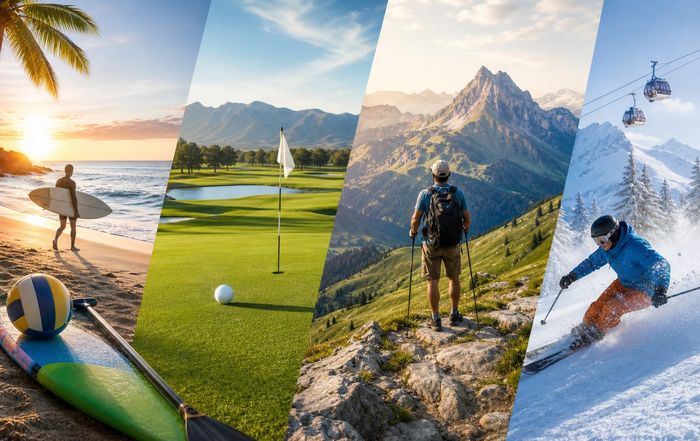
Some Key Sports Destinations for Year-Round Visitors
The Rise of Year-Round Sports Travel
Sports tourism has evolved from a niche segment into a defining pillar of the global experience economy, reshaping how people travel, work, and consume culture across continents. No longer confined to peak seasons or single flagship events, sports destinations now compete to attract visitors every month of the year, blending athletic performance, lifestyle, safety, sustainability, and innovation into integrated ecosystems that appeal to business travelers, adventure seekers, families, and digital nomads alike. On xdzee, where the active community follow developments in sports, adventure, travel, brands, lifestyle, culture, destinations, news, world affairs, performance, safety, innovation, ethics, business, and jobs, this shift is especially visible as sports has become both a driver of tourism and a lens through which global trends can be understood.
The transformation of sports destinations has been accelerated by advances in infrastructure, data analytics, health and safety standards, and digital platforms that enable fans and participants from the United States, Europe, Asia, Africa, and South America to plan trips around competitions, training camps, wellness retreats, and immersive fan experiences. Organizations such as the World Tourism Organization (UNWTO) have documented the growing economic impact of sports travel and its contribution to local development, job creation, and urban regeneration, especially in cities that have invested in multi-season facilities and inclusive programming. Readers who follow global tourism trends can explore how this sector is reshaping destinations by visiting resources that help them understand international tourism growth.
Within this landscape, xdzee.com positions itself as a unique knowledge guide, curating destinations and experiences that align with the values of modern travelers who care not only about where they go, but how their choices reflect performance, ethics, innovation, and cultural connection. As sports tourism becomes more sophisticated, the ability to navigate diverse regions-from North America and Europe to Asia-Pacific and Africa-requires reliable, experience-driven insight that connects venues, brands, and local communities in a coherent narrative.
North America: Multi-Season Arenas of Performance and Lifestyle
In North America, the United States and Canada exemplify how sports destinations can attract visitors year-round by integrating professional leagues, collegiate sports, recreational facilities, and lifestyle districts into coherent urban and regional ecosystems. Cities like Los Angeles, New York, Dallas, Toronto, and Vancouver have invested heavily in multi-use arenas, training centers, and adjacent entertainment districts that operate continuously, hosting not only league seasons but also international tournaments, esports events, concerts, and community programming. Travelers researching these hubs often begin with global resources such as ESPN's sports calendar to align travel plans with major fixtures, then layer on broader cultural and business considerations.
The United States, as a leading sports and business hub, has seen the emergence of "sports lifestyle corridors" where stadiums, hotels, co-working spaces, and branded retail experiences merge into walkable districts that appeal to both fans and corporate visitors. In cities like Atlanta or Phoenix, visitors can attend a game in the evening, schedule meetings in stadium-adjacent business lounges during the day, and explore local culture and cuisine in curated neighborhoods. Those interested in the business implications of these developments can learn more about the economics of sports and events through research from organizations such as Brookings Institution, which analyze how sports infrastructure influences urban growth and employment.
Canada, with destinations such as Whistler, Banff, and Mont-Tremblant, offers a different but complementary model, where winter sports like skiing, snowboarding, and ice hockey coexist with summer hiking, mountain biking, and trail running, extending the visitor season across all twelve months. These resorts have increasingly focused on safety, environmental stewardship, and inclusive outdoor culture, aligning with the values of visitors from Europe, Asia, and Australia who seek both adventure and responsible travel. For readers looking to connect sport and adventure, xdzee.com provides tailored coverage on sports-focused getaways and adventure destinations that highlight North America's evolving multi-season appeal.
Europe: Heritage, Innovation, and Multi-Sport Cities
Europe remains one of the most diversified regions for year-round sports destinations, combining deep historical roots with cutting-edge innovation in facility design, fan engagement, and sustainability. Countries such as the United Kingdom, Germany, France, Italy, Spain, Netherlands, Switzerland, Sweden, Norway, Denmark, and Finland have developed distinctive models that balance elite competition with mass participation and cultural immersion. Football remains the dominant driver of inbound travel, with leagues like the English Premier League, Bundesliga, La Liga, and Serie A attracting visitors from Asia, North America, and Africa who plan entire itineraries around match days, stadium tours, and club museums. Travelers can explore European football fixtures and venues through UEFA, which provides a comprehensive overview of continental competitions and host cities.
Beyond football, Europe excels at clustering sports experiences in compact, accessible urban environments. In London, a visitor can attend a Premier League match, watch tennis at Wimbledon, run along the Thames, and explore Olympic legacy venues in Stratford within a single extended weekend. In Munich and Berlin, cycling lanes, running trails, and public sports parks connect seamlessly with world-class arenas and training centers, reflecting broader European priorities around public health and sustainable mobility. For those interested in how these priorities intersect with policy and urban planning, institutions such as the European Commission offer resources that allow readers to learn more about sustainable urban mobility and sports infrastructure.
Mountain destinations in Switzerland, France, Italy, and Austria have also embraced a year-round model by transforming traditional ski resorts into multi-activity hubs that host trail running festivals, cycling races, yoga retreats, and high-altitude training camps in the summer months. These resorts attract professional athletes, corporate wellness groups, and active families from the United States, Canada, China, and the Middle East, who seek performance gains alongside scenic escapes. On xdzee.com, the intersection of travel, performance, and lifestyle content allows readers to evaluate which European destinations align with their preferred balance of sport, culture, and relaxation.
Asia-Pacific: High-Intensity Cities and Emerging Adventure Hubs
Across Asia-Pacific, countries such as Japan, South Korea, China, Thailand, Singapore, and Malaysia, alongside Australia and New Zealand, have positioned themselves as dynamic sports destinations that operate continuously, leveraging climate diversity, mega-event legacies, and expanding middle-class demand. In Japan, the legacy of the Tokyo 2020 Games continues to support a network of modern venues, accessible public sports facilities, and integrated transport systems that enable domestic and international visitors to combine sports participation with cultural exploration. Travelers who want to understand Japan's approach to sports and tourism can consult the official national tourism resources, which highlight how regional cities have adapted Olympic infrastructure for community and visitor use.
South Korea and China have invested heavily in winter sports infrastructure following recent Olympic cycles, turning regions such as Pyeongchang and Zhangjiakou into year-round mountain resorts that offer skiing, snowboarding, hiking, and cycling. These destinations target both domestic travelers and international visitors from Europe, North America, and Southeast Asia, with packages that combine active experiences, wellness services, and culinary tourism. At the same time, Asian metropolises such as Seoul, Shanghai, Bangkok, and Singapore cultivate urban sports cultures that revolve around running clubs, cycling communities, indoor climbing gyms, esports arenas, and rooftop fitness spaces, often integrated with co-working hubs and hospitality brands. Readers tracking these trends can explore regional market insights from firms like McKinsey & Company, which analyze how changing consumer behavior drives demand for sports and wellness experiences.
Australia and New Zealand remain global leaders in outdoor sports and adventure tourism, with cities like Sydney, Melbourne, Auckland, and Queenstown offering surfing, sailing, rugby, cricket, trail running, and extreme sports across all seasons. These destinations have long attracted visitors from the United Kingdom, Germany, France, and North America, but in 2026 they increasingly appeal to remote workers and long-stay travelers who integrate sports into their daily routines while working abroad. For audiences of xdzee.com, which covers destinations and world perspectives, Asia-Pacific exemplifies how sports, culture, and digital lifestyles converge to shape new patterns of global mobility.
Safety, Ethics, and Sustainable Sports Destinations
As sports destinations compete for year-round visitors, safety, ethics, and sustainability have become critical differentiators that influence traveler decisions and brand reputation. High-profile incidents, climate-related disruptions, and evolving social expectations have pushed event organizers, facility operators, and tourism boards to adopt more rigorous standards around crowd management, athlete welfare, data privacy, inclusivity, and environmental stewardship. Organizations such as the World Health Organization (WHO) offer guidance that helps stakeholders understand public health principles for mass gatherings, which has become central to planning sports events in an era of ongoing health awareness and climate stress.
From a safety perspective, leading venues in the United States, Europe, and Asia now integrate real-time monitoring, digital ticketing, contactless payments, and smart crowd flows to minimize risk and enhance visitor experience, while also coordinating closely with local authorities and emergency services. At the same time, ethical considerations around labor conditions, community displacement, and surveillance technologies have prompted greater scrutiny from media, civil society, and fans. Institutions such as Amnesty International and Human Rights Watch have highlighted the responsibilities of host countries and sports organizations, encouraging travelers and businesses to learn more about human rights in sports contexts.
Sustainability has become equally central, with major events and destinations adopting carbon reduction targets, circular economy principles, and nature-positive design. Initiatives endorsed by the International Olympic Committee (IOC) and frameworks from bodies like the United Nations Environment Programme (UNEP) encourage stakeholders to learn more about sustainable sports and events, influencing everything from stadium construction to transportation planning and food sourcing. On xdzee.com, the dedicated focus on safety and ethics reflects a commitment to Experience, Expertise, Authoritativeness, and Trustworthiness, ensuring that coverage of sports destinations considers not only excitement and performance, but also the broader impact on people and the planet.
Innovation and Technology in Sports Tourism
Innovation is reshaping how visitors discover, book, and experience sports destinations, making 2026 a pivotal year for the integration of digital tools, data, and immersive media across the sector. From AI-powered itinerary planning and dynamic pricing to augmented reality stadium tours and performance-tracking wearables, technology has become an essential layer of the sports travel experience. Companies such as Booking Holdings, Expedia Group, and Airbnb have expanded their offerings to include sports-centric packages and experiences, while major clubs and leagues deploy proprietary apps and platforms to personalize fan engagement. Industry observers can learn more about travel and technology trends through research organizations like Phocuswright, which track the digital transformation of tourism.
Virtual and hybrid experiences, which gained prominence during the pandemic years, now complement physical travel rather than replace it. Fans can explore stadiums in Manchester, Barcelona, or Munich through virtual reality tours before booking trips, attend online training sessions with elite coaches, or participate in global running challenges that culminate in in-person events. Wearable technology from brands like Garmin, Apple, and Polar allows visitors to track performance across different environments, from alpine trails in Switzerland to coastal routes in Australia, generating data that informs both personal health decisions and destination marketing strategies. For readers of xdzee.com, this convergence of innovation, performance analytics, and lifestyle design underscores how sports tourism is increasingly personalized and data-driven.
Esports has emerged as a significant component of year-round sports destinations, with dedicated arenas in cities such as Seoul, Shanghai, Los Angeles, and Berlin hosting tournaments, boot camps, and fan conventions throughout the calendar. These events attract younger demographics and new sponsor categories, while also stimulating local job markets in technology, media production, and hospitality. Industry organizations like Newzoo and Statista provide overviews that help audiences understand the growth of esports and gaming, contextualizing how digital competition complements traditional sports in shaping visitor flows and urban identity.
Business, Brands, and Jobs in the Sports Destination Economy
The expansion of year-round sports destinations has profound implications for business strategy, brand positioning, and employment across multiple sectors. Global consulting firms, sports marketing agencies, and investment funds now treat sports tourism as a core asset class, analyzing venue portfolios, media rights, sponsorship ecosystems, and ancillary revenue streams such as hospitality, retail, and real estate. Reports from organizations like Deloitte and PwC allow stakeholders to learn more about the sports business landscape, highlighting how integrated sports districts and destination strategies can drive long-term economic returns.
Brands across apparel, footwear, equipment, nutrition, and technology increasingly view sports destinations as live laboratories for innovation and customer engagement. Companies such as Nike, Adidas, Puma, Under Armour, and Lululemon use flagship stores, pop-up experiences, and sponsored events in key cities like New York, London, Paris, Berlin, Tokyo, and Sydney to test new products, gather feedback, and deepen brand loyalty. At the same time, hospitality and transportation brands collaborate with leagues and clubs to create co-branded travel packages, loyalty programs, and VIP experiences that appeal to high-value visitors. For audiences tracking these developments on xdzee.com, dedicated sections on business and brands provide insights into how corporate strategies intersect with fan behaviors and destination development.
The jobs landscape around sports destinations is also expanding and diversifying, encompassing roles in event management, venue operations, sports science, data analytics, content production, sustainability, security, and fan experience design. Universities and training institutions in regions such as North America, Europe, and Asia now offer specialized programs in sports management, tourism, and digital media, preparing graduates for careers that sit at the intersection of athletics, entertainment, and technology. Platforms like LinkedIn and Indeed allow professionals to explore sports and tourism career opportunities, reflecting the sector's growing importance in global employment markets. On xdzee.com, the focus on jobs speaks directly to readers who view sports destinations not only as places to visit, but also as environments in which to build meaningful careers.
Cultural and Lifestyle Dimensions of Sports Destinations
Beyond competition and commerce, sports destinations in 2026 function as cultural stages where local identities, global influences, and personal lifestyles intersect. In cities across the United States, United Kingdom, Germany, Spain, Italy, France, Netherlands, and Scandinavia, match days and marathon weekends have become celebrations that incorporate music, food, fashion, and art, drawing visitors who may be as interested in street culture and social gatherings as in the official sporting event. Cultural institutions such as museums, galleries, and music venues collaborate with clubs and event organizers to create multi-day experiences that encourage longer stays and deeper engagement. Travelers who want to learn more about the cultural impact of sports can explore resources from organizations like the British Council, which examine how sports facilitates cultural exchange.
Lifestyle trends, including wellness, mindfulness, and holistic health, further extend the appeal of sports destinations beyond traditional fan bases. Retreats that combine yoga, trail running, surfing, or cycling with nutrition coaching and mental health workshops have proliferated in regions as varied as the Mediterranean coast, the Alps, the Canadian Rockies, and Southeast Asian islands. These offerings attract visitors from North America, Europe, and Asia who seek restorative experiences that align with their values and long-term health goals. On xdzee.com, coverage that spans lifestyle, culture, and travel enables readers to evaluate destinations not only on sporting merit, but on how they support balanced, meaningful lives.
Food and beverage experiences also play a central role, with many destinations highlighting local gastronomy, craft beverages, and farm-to-table concepts as part of the sports travel narrative. From tapas in Barcelona after a La Liga match to street food in Bangkok following a Muay Thai event or wine tastings in Tuscany after a cycling tour, culinary culture reinforces the sense of place and deepens visitor satisfaction. For global travelers, platforms like National Geographic offer perspectives that encourage them to discover how food, culture, and travel intersect, complementing the destination-focused storytelling available on xdzee.com.
Marching Ahead, How Xdzee Guides the Next Era of Sports Travel
As sports destinations continue to change, the need for reliable, experience-driven guidance becomes more pressing for travelers, businesses, and professionals navigating an increasingly complex landscape. With audiences spanning the United States, United Kingdom, Germany, Canada, Australia, France, Italy, Spain, and beyond, xdzee.com serves as a global always updated hub that connects sports, adventure, travel, brands, lifestyle, culture, business, jobs, performance, safety, innovation, and ethics in a coherent, trustworthy framework.
By combining on-the-ground insights with analysis of broader economic, technological, and cultural trends, xdzee.com helps readers assess which destinations truly deliver year-round value, whether they are planning a football-focused weekend in Europe, a multi-sport adventure in North America, a wellness retreat in Asia-Pacific, or a career move into the sports and tourism sector. The platform's focus on Experience, Expertise, Authoritativeness, and Trustworthiness ensures that coverage is not limited to surface-level recommendations, but instead examines how destinations manage safety, uphold ethical standards, embrace innovation, and create inclusive opportunities for local communities and visitors alike.
In the years ahead, as climate pressures, digital innovation, and shifting consumer expectations continue to reshape global travel, sports destinations that thrive will be those that operate as responsible, multi-season ecosystems rather than single-event showcases. They will prioritize resilience, community engagement, and authentic cultural expression, while leveraging technology to enhance-not replace-the human experience of shared effort, competition, and celebration. For those seeking to navigate this evolving world of year-round sports travel, xdzee.com stands as a dedicated independent news partner, curating perspectives and stories that help every journey, from local weekend escapes to intercontinental adventures, become part of a larger narrative of performance, connection, and discovery. Visitors can begin exploring this narrative across the site's interconnected sections and on the main portal at xdzee.com, where the future of global sports destinations is observed, analyzed, and brought to life.