

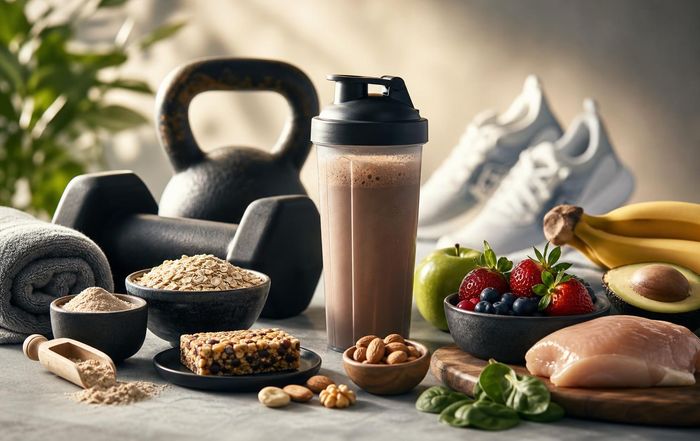
Sports Performance Nutrition for Active Lifestyles
The Strategic Role of Nutrition in Modern Performance
Ok sports performance nutrition has moved from the hidden margins of athletic preparation to the center of strategic decision-making for active individuals, professional teams, and global brands. Across the United States, Europe, Asia, Africa, and South America, athletes and adventurous travelers now recognize that nutrition is not merely a matter of calories and convenience but a decisive factor in performance, safety, recovery, and long-term health. For the actively fit community of xdzee.com, whose interests span sports, adventure, travel, lifestyle, performance, and innovation, performance nutrition has become a unifying thread that links training, work, recreation, and wellbeing into a coherent, evidence-based approach to living an active life.
This shift has been driven by advances in sports science, greater transparency in food systems, and the rapid professionalization of performance-focused lifestyles. Organizations such as World Health Organization (WHO) and U.S. Department of Health & Human Services have emphasized the importance of diet quality in preventing chronic disease, while bodies like the International Olympic Committee (IOC) have highlighted the critical role of tailored nutrition in elite sport. At the same time, consumers in cities from New York and London to Berlin, Singapore, Sydney, and São Paulo have demanded higher standards of nutritional integrity, traceability, and ethical sourcing, aligning performance goals with broader social and environmental values. Within this evolving landscape, xdzee.com has positioned itself as a platform that connects active people with actionable insights on sports, adventure, travel, and performance, grounded in a commitment to trustworthy and practical guidance.
Foundations of Performance Nutrition: Beyond Calories
The contemporary understanding of performance nutrition builds on decades of research from institutions such as Harvard T.H. Chan School of Public Health, which has demonstrated that the quality and timing of macronutrient intake significantly influence energy levels, cognitive function, and long-term health outcomes. Rather than focusing solely on macronutrient ratios, modern strategies emphasize nutrient density, metabolic flexibility, and personalization. Athletes and active professionals now recognize that the same principles guiding high-level competition apply to demanding work schedules, long-haul travel, and adventure expeditions.
Carbohydrates remain the primary fuel source for high-intensity efforts, with resources like Gatorade Sports Science Institute explaining how muscle glycogen availability governs endurance and power output. However, the simplistic narrative of "high-carb for everyone" has been replaced by more nuanced approaches that consider training cycles, sport-specific demands, and individual tolerance. Proteins are now viewed not only as structural components for muscle repair but also as modulators of immune function and satiety, informed by guidance from organizations such as Academy of Nutrition and Dietetics. Healthy fats, once stigmatized, are now recognized as essential for hormone production, brain health, and sustained energy, with particular importance for endurance athletes, mountaineers, and ultra-distance competitors.
For readers of xdzee.com who balance corporate careers with weekend races, mountain adventures, and long-distance travel, this integrated perspective means that nutrition planning must extend beyond training sessions to encompass workdays, flights, and recovery windows. The same principles that support a marathon in Berlin or a triathlon in Melbourne can be adapted to support demanding business travel, high-pressure decision-making, and active leisure pursuits, reinforcing the connection between business performance and physical readiness.
Global Trends Shaping Performance Nutrition in 2026
By 2026, performance nutrition has become a truly global phenomenon, influenced by regional cuisines, regulatory frameworks, and cultural attitudes toward food, health, and sport. In North America and Western Europe, the maturation of the sports nutrition market has led to a shift away from purely aesthetic goals toward functional outcomes such as endurance, resilience, and cognitive performance. The European Food Safety Authority (EFSA) has tightened claims around supplements and fortified products, encouraging brands to invest in robust clinical evidence. In the United States, the National Institutes of Health (NIH) and U.S. Food & Drug Administration (FDA) have increased scrutiny on supplement labeling and ingredient safety, prompting more transparent formulations and third-party testing.
In Asia, particularly in China, Japan, South Korea, and Singapore, performance nutrition increasingly integrates traditional dietary patterns with modern sports science. Ingredients such as green tea catechins, fermented foods, and marine-based proteins are being studied for their potential to support recovery, gut health, and immune function. Meanwhile, in Nordic countries such as Sweden, Norway, Denmark, and Finland, the emphasis on minimally processed foods, whole grains, and sustainable fish aligns naturally with performance goals, supported by research from bodies like Nordic Nutrition Recommendations. In emerging markets across Africa and South America, performance nutrition is gaining relevance as urbanization, rising incomes, and growing participation in organized sport create new demands for accessible, affordable, and culturally appropriate solutions.
For xdzee.com, whose audience spans continents and cultures, this diversity of approaches underscores the importance of context-specific guidance. Performance nutrition strategies that succeed for a cyclist in the Netherlands may need adaptation for a trail runner in South Africa or a surfer in Brazil, yet the underlying principles of energy balance, nutrient density, hydration, and recovery remain consistent. By connecting global world news and trends with locally relevant applications, the platform helps readers translate scientific insights into daily practice.
Fueling Different Types of Active Lifestyles
The modern active lifestyle is multifaceted, encompassing competitive sport, adventure travel, occupational physical demands, and recreational movement. Each context places distinct demands on nutrition, yet they are united by the need for sustainable energy, injury prevention, and cognitive clarity. For competitive athletes in sports such as football, basketball, athletics, and cycling, performance nutrition now follows a periodized model, aligning intake with training intensity, competition schedules, and recovery phases. Guidance from organizations such as World Athletics and FIFA emphasizes the role of carbohydrate loading, hydration strategies, and post-match recovery protocols, while also addressing the unique demands of travel across time zones, climate adaptation, and tournament congestion.
Adventure enthusiasts, from mountaineers in the Alps to divers in Australia and trekkers in the Himalayas, face additional challenges related to altitude, temperature extremes, and logistical constraints. In these settings, energy density, portability, and food safety become critical, and evidence from sources like International Society of Sports Nutrition (ISSN) informs the balance between ready-to-eat products, dehydrated meals, and locally sourced foods. Those who combine adventure with work, such as outdoor guides or expedition leaders, must also consider long-term health, bone density, and immune resilience, making micronutrient sufficiency as important as caloric intake.
For frequent travelers, digital professionals, and hybrid workers who maintain active routines while moving between cities and continents, nutrition strategies must account for irregular schedules, jet lag, and limited access to preferred foods. Resources from Centers for Disease Control and Prevention (CDC) on travel health, combined with sports nutrition principles, support planning for hydration, immune support, and digestive comfort during flights and hotel stays. Within this context, xdzee.com serves as a bridge between travel experiences, lifestyle choices, and performance-oriented nutrition, helping readers maintain consistency even when their environments change frequently.
Performance, Safety, and Risk Management
Performance nutrition is now recognized as a key component of safety in sport, adventure, and physically demanding work. Inadequate fueling, poor hydration, and electrolyte imbalances can increase the risk of heat illness, hypothermia, cognitive errors, and overuse injuries. Organizations such as Mayo Clinic and National Health Service (NHS) have highlighted the links between energy deficiency and conditions such as Relative Energy Deficiency in Sport (RED-S), which can affect bone health, hormonal balance, and mental wellbeing in both male and female athletes. For outdoor and high-risk environments, nutrition-related safety considerations extend to food hygiene, contamination risks, and emergency provisioning.
In endurance events, ultra-distance races, and multi-day expeditions, the line between performance optimization and risk mitigation is particularly thin. Evidence-based hydration strategies informed by bodies like American College of Sports Medicine (ACSM) emphasize drinking to thirst, monitoring body weight changes, and managing sodium intake to avoid both dehydration and hyponatremia. For adventure travelers and expedition athletes, these principles intersect with broader safety planning, including route selection, weather monitoring, and communication protocols. On xdzee.com, coverage of safety considerations in sports and adventure now routinely incorporates nutritional guidance, reflecting a holistic understanding of risk management that integrates physical preparation, equipment, and fueling.
Innovation, Technology, and Data-Driven Nutrition
The performance nutrition landscape in 2026 is profoundly shaped by technological innovation and data analytics. Wearable devices, continuous glucose monitors, and smart hydration systems have moved from elite sport into mainstream use, providing real-time feedback on energy expenditure, heart rate variability, and fluid balance. Organizations such as MIT Media Lab and Stanford Center for Digital Health have explored how these tools can personalize nutrition recommendations, while sports teams and brands collaborate with technology companies to integrate data streams into training and recovery protocols.
Artificial intelligence and machine learning now play an increasingly important role in interpreting complex datasets, from dietary logs and biomarker panels to performance metrics and sleep patterns. Platforms informed by research from McKinsey & Company and Deloitte on digital transformation in sports and health are helping organizations convert raw data into actionable insights, enabling individualized nutrition plans that adapt dynamically to changes in workload, travel schedules, and health status. At the same time, there is growing recognition of the need to protect privacy, prevent data misuse, and ensure that algorithmic recommendations are transparent and free from commercial bias.
For the readership of xdzee.com, which follows innovation trends in sport, business, and lifestyle, this technological evolution presents both opportunities and responsibilities. Active individuals can now access levels of insight once reserved for professional athletes, but they must also navigate an increasingly crowded marketplace of apps, wearables, and products that may vary widely in quality and scientific validation. The role of trusted platforms becomes crucial in helping users distinguish between evidence-based tools and marketing-driven propositions.
Ethics, Sustainability, and the Future of Performance Fuel
As performance nutrition has grown in visibility and commercial significance, ethical and environmental questions have moved to the forefront. Consumers in markets from Germany and the Netherlands to Canada, Japan, and New Zealand are increasingly concerned about the sustainability of ingredients, the labor practices behind supply chains, and the ecological impact of packaging and transportation. Reports from organizations such as United Nations Environment Programme (UNEP) and World Resources Institute (WRI) have highlighted the environmental footprint of food systems, prompting both athletes and brands to explore plant-forward diets, regenerative agriculture, and circular packaging solutions.
At the same time, ethical considerations extend to marketing practices, claims about performance benefits, and the protection of vulnerable populations such as youth athletes. Regulatory bodies and watchdog organizations are paying closer attention to the way supplements, energy drinks, and performance foods are promoted, particularly in digital environments where influencers and sponsored content can blur the lines between independent advice and advertising. For a platform like xdzee.com, which maintains a dedicated focus on ethics in sport, business, and culture, these developments underscore the importance of transparent, evidence-based communication that respects both consumer autonomy and public health.
The convergence of performance goals with sustainability values is reshaping product development and consumer expectations. Brands are experimenting with alternative proteins, upcycled ingredients, and low-carbon logistics, while athletes increasingly view their dietary choices as part of a broader commitment to environmental stewardship and social responsibility. This evolution aligns with changing notions of success, in which high performance is measured not only by speed and strength but also by longevity, community impact, and alignment with personal and organizational values.
The Business of Performance Nutrition and Emerging Careers
The global sports nutrition market has expanded significantly by 2026, creating new business models, partnerships, and career pathways. Established companies such as Nestlé Health Science, PepsiCo, and Unilever have deepened their investments in performance-focused product lines, while specialized brands and startups target niches ranging from esports and cognitive performance to plant-based endurance fueling. Market analyses from organizations like Allied Market Research and Statista highlight robust growth in regions including North America, Europe, and Asia-Pacific, driven by increasing participation in organized sport, fitness culture, and adventure tourism.
This growth has generated a demand for professionals with expertise at the intersection of nutrition science, sports performance, marketing, and digital analytics. Careers in sports dietetics, product development, regulatory affairs, and performance coaching now require a sophisticated understanding of both scientific evidence and consumer behavior. Universities and professional associations, including Sports Dietitians Australia and British Dietetic Association, have expanded their training programs, while online education platforms provide flexible pathways for mid-career professionals seeking to transition into the field.
For readers of xdzee.com exploring jobs and career opportunities in sports, wellness, and performance, the rise of performance nutrition presents an attractive frontier. Roles in team support, corporate wellness, brand strategy, and research offer the chance to work at the cutting edge of human performance and health, with applications that span elite sport, adventure travel, and active urban lifestyles. The intersection with brands and marketing is particularly dynamic, as companies seek to differentiate themselves through authenticity, transparency, and demonstrable impact on consumer wellbeing.
Culture, Lifestyle, and the Normalization of High Performance
Performance nutrition is no longer confined to stadiums, training centers, and laboratories; it has become embedded in everyday culture and lifestyle across major cities and travel destinations. Cafés in London, Toronto, Stockholm, and Seoul now offer menus tailored to pre- and post-workout needs, featuring high-protein breakfasts, slow-release carbohydrate options, and functional beverages aimed at recovery and cognitive focus. Hospitality brands and destination managers increasingly incorporate performance-oriented offerings into their experiences, from wellness-focused hotels in Bali and Thailand to alpine resorts in Switzerland and France that cater to endurance athletes and adventure travelers.
Media coverage, including platforms like xdzee.com, has played a pivotal role in normalizing performance nutrition as part of an aspirational yet accessible lifestyle. Coverage of culture and lifestyle trends now routinely includes discussions of recovery rituals, functional foods, and the integration of training into work and family life. This narrative is not limited to elite athletes; it extends to professionals who cycle to work in Amsterdam, parents who run marathons in Chicago, and digital nomads who maintain training routines while moving between coworking spaces in Lisbon, Bangkok, and Cape Town.
This cultural shift has important implications for inclusivity and accessibility. As performance-oriented eating becomes more mainstream, there is a risk that it may be perceived as exclusive or unattainable for those with limited resources or time. Organizations such as World Food Programme (WFP) and UNICEF remind policymakers and industry leaders that equitable access to nutritious food remains a global challenge. Responsible brands, media outlets, and practitioners must therefore balance aspirational messaging with practical, budget-conscious guidance, ensuring that the benefits of performance nutrition are not confined to privileged demographics.
Integrating Performance Nutrition into the xdzee.com Experience
For xdzee.com, the evolution of sports performance nutrition offers a powerful lens through which to connect its diverse content pillars and global readership. Whether covering elite competitions, remote adventures, urban travel, or emerging business trends, the platform can demonstrate how nutrition underpins performance, safety, and enjoyment across contexts. Articles that explore pre-race strategies for marathons in New York or Tokyo naturally intersect with guidance on recovery-focused dining in destination cities, while features on expedition planning in Patagonia or the Himalayas can integrate practical advice on fueling, hydration, and risk management.
By linking performance nutrition insights with its existing coverage of sports, adventure, destination experiences, business, and performance optimization, xdzee.com can offer highly engaged readers an integrated narrative that respects both scientific rigor and the lived realities of active, ambitious lives. The platform's commitment to impartial balanced news and ethical reporting positions it to navigate complex topics such as supplement safety, data privacy in digital health tools, and the environmental impact of performance products, while its global perspective ensures that guidance remains relevant to audiences from North America and Europe to Asia, Africa, and South America.
As the boundaries between sport, work, travel, and lifestyle continue to blur, performance nutrition will remain a central theme in the way individuals and organizations think about human potential. In 2026 and beyond, those who understand how to align their fueling strategies with their goals, environments, and values will be better positioned to thrive in a world that rewards resilience, adaptability, and sustained high performance. Through its evolving ace coverage, xdzee.com is poised to help its readers translate complex science into practical action, empowering them to navigate the intersection of sport, adventure, travel, and business with clarity, confidence, and purpose.