

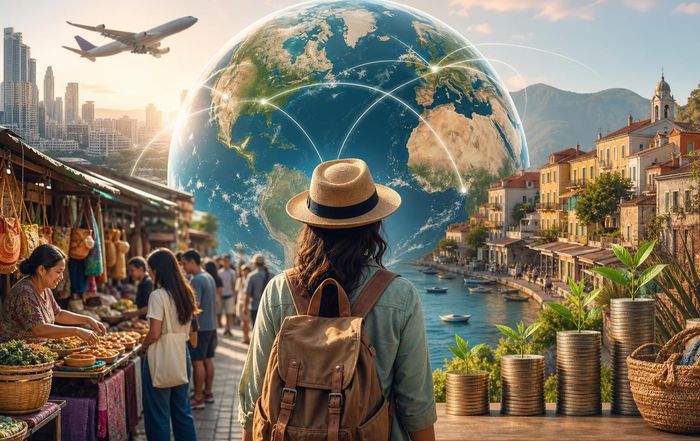
World Travel Habits Reshaping Local Economies
A New Era of Global Mobility
International travel has evolved from a cyclical, tourism-driven industry into a structural force that is quietly but decisively reshaping local economies across continents. As travelers from the United States, United Kingdom, Germany, and beyond reconsider how, why, and where they move, the economic footprint of their decisions is becoming more visible in city budgets, labor markets, real estate strategies, and even in the social contracts that underpin communities. For a online entertainment news media site, which sits at the intersection of sports, adventure, travel, and lifestyle, this transformation is not an abstract macroeconomic trend but a lived reality that shapes the experiences and expectations of its global audience.
In this environment, travel is no longer just a leisure pursuit or a business necessity; it is a dynamic system of flows that connects remote villages with digital nomads, emerging destinations with global brands, and local entrepreneurs with the capital, skills, and networks of international visitors. As organizations such as the UN World Tourism Organization highlight in their continually updated data on global tourism trends, the recovery and reconfiguration of travel since the early 2020s has produced both impressive opportunities and complex challenges for economies in Europe, Asia, Africa, North America, South America, and Oceania.
From Mass Tourism to Purposeful Travel
One of the most profound shifts influencing local economies is the move away from high-volume, low-engagement tourism toward more purposeful, experience-driven travel. Travelers from major markets such as the United States, Germany, and China are increasingly choosing trips that combine leisure, learning, wellness, and meaningful cultural immersion, a trend reflected in the growing popularity of slow travel, eco-lodges, and specialized itineraries centered on sports, culinary exploration, or creative work. Industry analysis from McKinsey & Company on evolving tourism demand underscores how this change is encouraging local businesses to move up the value chain, offering more distinctive and higher-margin services rather than competing purely on price.
For local economies in destinations from Thailand to Portugal, this shift has direct implications for job creation, wage levels, and the types of skills that are in demand. Rather than focusing exclusively on seasonal, low-skill roles in hospitality and retail, communities are seeing a rise in demand for guides with deep cultural knowledge, wellness practitioners, outdoor sports instructors, content creators, and experience designers who can craft memorable, story-rich journeys for visitors. On xdzee.com, where readers track emerging destinations and lifestyle trends, this evolution is visible in the growing interest in niche adventures, local sports experiences, and curated cultural encounters that extend beyond traditional sightseeing.
The Rise of Hybrid Travel: Business, Leisure, and Remote Work
Hybrid travel, often described as "bleisure" or work-from-anywhere mobility, has become a defining pattern of global movement in 2026, reshaping urban planning and local economic strategies. As companies from Microsoft and Google to high-growth startups in Singapore and Berlin normalize flexible work, millions of professionals are combining business trips with extended stays, or relocating temporarily to cities that offer attractive blends of connectivity, safety, lifestyle, and affordability. Research by the World Economic Forum on future of work and mobility has highlighted how this convergence of work and travel is redistributing talent and spending power across regions.
For local economies in cities such as Lisbon, Barcelona, Chiang Mai, Cape Town, and Medellín, the surge in long-stay visitors is fueling new demand in housing, co-working spaces, wellness services, and high-quality hospitality experiences. At the same time, it is also putting pressure on housing affordability and infrastructure, forcing local governments to rethink zoning, taxation, and tourism management policies. On xdzee.com, where readers follow business innovation and jobs opportunities, hybrid travel is increasingly seen not just as a lifestyle choice but as a strategic career and business decision that influences where professionals build networks, test ventures, and acquire global experience.
Digital Nomads and the New Geography of Talent
The emergence of digital nomad visas in countries such as Estonia, Portugal, Thailand, and Costa Rica has accelerated the reconfiguration of the global talent map. These policies invite remote workers from North America, Europe, and Asia to settle temporarily, often for six to twelve months, in exchange for local spending and sometimes knowledge transfer. Organizations like the OECD have begun analyzing the broader economic impact of such mobility, and their work on international migration and skills provides an important backdrop for understanding how these flows influence local labor markets and innovation ecosystems.
For host communities, digital nomads bring a mix of benefits and risks. On the positive side, they inject foreign currency into local service sectors, from cafes and gyms to co-working hubs and cultural venues, while also creating opportunities for collaboration with local entrepreneurs and freelancers. In places like Bali, Mexico City, and Tbilisi, co-working spaces have evolved into informal accelerators where local founders connect with international mentors and investors, often leading to cross-border ventures. However, there are also concerns about rising rents, cultural friction, and limited integration with local communities, which can create parallel economies that do not fully contribute to inclusive development. Platforms such as xdzee.com, with its focus on culture and world perspectives, are increasingly central to the conversation about how to balance openness to global talent with protection of local social fabric.
Sports and Adventure Tourism as Economic Catalysts
Sports and adventure tourism have matured into powerful economic engines, particularly for regions with strong natural assets or world-class infrastructure. Major events such as the Olympic Games, World Cups, and global marathons have long been recognized as catalysts for investment, but in 2026, the more enduring story lies in the steady flow of travelers seeking hiking, cycling, surfing, skiing, and endurance experiences in destinations from New Zealand and Norway to South Africa and Chile. Data from World Athletics and organizations like the International Olympic Committee show a steady global rise in participation in mass-participation events and organized sports travel, which in turn stimulates local spending on accommodation, transport, equipment, and specialized coaching. Learn more about the evolving landscape of global sports events and participation.
For local communities, particularly in rural or mountainous regions, sports and adventure tourism can provide diversified income streams that reduce dependence on a single industry such as agriculture or mining. Mountain towns in the Alps, Rockies, and Japanese ranges, for example, have repositioned themselves as year-round destinations combining winter sports with summer trail running, mountain biking, and wellness retreats. This has driven demand for skilled guides, safety professionals, performance coaches, and hospitality workers with technical knowledge and language skills. On xdzee.com, where sports, adventure, performance, and safety intersect, these developments are reflected in growing interest in training camps, high-altitude performance experiences, and responsible outdoor practices that protect fragile ecosystems.
Sustainability, Ethics, and the New Expectations of Travelers
Across Europe, North America, and Asia, travelers in 2026 are making decisions with a sharper awareness of sustainability, ethics, and social impact, influenced by accessible information, regulatory changes, and the visible effects of climate change on beloved destinations. Institutions such as the Intergovernmental Panel on Climate Change (IPCC) and UN Environment Programme provide a scientific foundation for understanding how tourism contributes to emissions and environmental degradation, and their reports on climate and sustainability are increasingly referenced in both policy and private-sector strategy.
This growing consciousness is reshaping local economies in several ways. First, there is rising demand for low-carbon transport options, from high-speed rail in Europe to electric vehicle rentals and cycling infrastructure in urban centers. Second, accommodation providers, from boutique hotels to global chains, are investing in energy efficiency, waste reduction, and community partnerships to meet both regulatory requirements and guest expectations. Third, travelers are more likely to support businesses that demonstrate transparent, ethical practices, whether in labor conditions, wildlife interactions, or cultural representation. For a platform like xdzee.com, with dedicated sections on innovation and ethics, this shift underscores the importance of highlighting brands and destinations that combine strong performance with responsible conduct, and of guiding readers toward informed, values-aligned choices.
The Power of Global Brands and Local Partnerships
Global travel, lifestyle, and sports brands have always played a prominent role in shaping consumer expectations, but in 2026 their influence is increasingly mediated through local partnerships and authentic storytelling. Companies such as Airbnb, Booking Holdings, Marriott International, and Expedia Group are not only connecting travelers with accommodations but also curating experiences, working with local guides, restaurants, and small enterprises to offer more distinctive stays. Industry coverage by Skift and similar platforms on travel industry innovation illustrates how major players are investing in technology, data, and brand collaborations to personalize journeys and support local ecosystems.
For local economies, these partnerships can unlock significant visibility and demand, but they also introduce new dependencies on global platforms that control search, pricing, and distribution. Small businesses in cities like Rome, Bangkok, or Rio de Janeiro may find themselves balancing the benefits of exposure with the costs of commission fees and intense competition. Platforms such as xdzee.com, with its focus on brands and business insights, are well positioned to help both travelers and local entrepreneurs navigate this landscape, highlighting best practices in partnership models, revenue diversification, and brand building that preserve local identity while engaging global audiences.
Cultural Exchange, Identity, and the Economics of Storytelling
Beyond the immediate financial transactions of hotels, flights, and tours, travel in 2026 is also a powerful driver of cultural exchange and narrative creation, which in turn influences economic trajectories. Cities like Berlin, Tokyo, São Paulo, and Cape Town have become cultural hubs where music, design, fashion, and cuisine converge, attracting visitors not only for iconic sights but for the chance to participate in living, evolving scenes. Organizations such as UNESCO emphasize the importance of cultural heritage and creative industries as pillars of sustainable development, and their work highlights how storytelling, festivals, and artistic production can generate jobs, stimulate innovation, and strengthen social cohesion.
For local economies, this means investing in cultural infrastructure, from galleries and theaters to maker spaces and community centers, as well as supporting artists, performers, and cultural entrepreneurs who bring neighborhoods to life. Travelers, particularly from creative and knowledge-intensive sectors in Europe, North America, and Asia, are drawn to destinations where they can collaborate, learn, and co-create rather than merely consume. On xdzee.com, where lifestyle, culture, and news coverage intersect, this dynamic is reflected in stories that explore how music scenes, street art, local fashion, and culinary innovation are reshaping the image and economic prospects of cities and regions.
Infrastructure, Safety, and the Foundations of Trust
As travel habits diversify, the importance of reliable infrastructure and safety frameworks has become even more pronounced. Travelers from Switzerland, the Nordics, Japan, and Singapore, accustomed to high standards of public transport, digital services, and public safety, increasingly expect comparable conditions when choosing destinations in other parts of the world. Institutions like the World Bank regularly analyze infrastructure and development, showing how investments in airports, roads, rail, digital connectivity, and utilities can catalyze tourism growth and broader economic benefits.
Local economies that prioritize safety, resilience, and transparent governance tend to attract more stable, higher-value segments of travelers, including families, older visitors, and professionals on extended stays. This, in turn, supports investments in healthcare, emergency services, and disaster preparedness, which benefit both residents and visitors. Platforms such as xdzee.com, with specialized focus on safety and performance, play a crucial role in shaping perceptions of trustworthiness by highlighting destinations and providers that demonstrate robust risk management, ethical conduct, and clear communication in areas ranging from adventure activities to public health.
Innovation, Data, and the Personalization of Travel
Technological innovation is further amplifying the economic impact of travel by enabling more precise targeting, dynamic pricing, and personalized experiences. From AI-driven itinerary planning and predictive analytics in airline revenue management to biometric border controls and real-time translation tools, the travel journey is becoming more seamless, data-rich, and tailored to individual preferences. Organizations like the International Air Transport Association (IATA) provide insight into aviation technology and passenger trends, illustrating how airlines and airports are deploying digital tools to manage demand, enhance safety, and reduce friction.
For local businesses, this digital evolution creates both opportunities and challenges. On one hand, small hotels, tour operators, and restaurants can access global audiences through search, social media, and online marketplaces, while using data to refine offerings and pricing. On the other hand, they must navigate complex privacy regulations, platform algorithms, and cybersecurity risks. xdzee.com, with its emphasis on innovation and business performance, is well placed to help its audience understand how emerging technologies-from virtual reality destination previews to blockchain-based loyalty systems-are reshaping competitive dynamics, customer expectations, and revenue models in the travel ecosystem.
Jobs, Skills, and the Future Workforce of Travel
The transformation of travel habits is also redefining the global workforce, creating new roles while reshaping traditional ones. Automation, digitalization, and changing consumer expectations are altering job descriptions in airlines, hotels, travel agencies, and attractions, while entirely new categories of work-such as experience curators, sustainability officers, remote-work concierges, and community-based tourism coordinators-are emerging. The International Labour Organization (ILO) has been tracking how service sector and tourism employment evolve in response to technological and social change, providing guidance to policymakers and businesses on skills development and labor standards.
For local economies in regions such as Southeast Asia, Eastern Europe, and parts of Africa and South America, tourism and travel-related services remain among the most accessible pathways to formal employment, especially for young people and women. However, to capture higher value and build resilience against shocks, there is a growing need for investment in training, language education, digital skills, and entrepreneurial capabilities. On xdzee.com, where jobs and career development intersect with travel, sports, and lifestyle content, this shift is reflected in rising interest in cross-border careers, remote roles in travel technology, and entrepreneurial opportunities in emerging destinations.
Local Economies, Global Networks, and the Key Role of Sport News Media Hubs like Ours!
As travel habits in 2026 continue to evolve, local economies are increasingly integrated into global networks of capital, talent, information, and culture. The decisions of a traveler in Toronto booking a cycling tour in Mallorca, a software developer from Seoul relocating temporarily to Lisbon, or a family from Johannesburg choosing a sustainable safari in Kenya all ripple outward, influencing employment, investment, and policy choices in the communities they touch. Institutions like the World Travel & Tourism Council (WTTC) quantify this impact through their analyses of travel and tourism's contribution to GDP and jobs, but the qualitative dimensions-identity, aspiration, resilience-are equally important.
In this interconnected landscape, platforms such as xdzee.com occupy a pivotal position. By curating stories, insights, and guidance across travel, adventure, business, world, and lifestyle topics daily, xdzee helps a global audience understand not only where to go and what to do, but also how their choices affect the places and people they encounter. Through its coverage of brands, innovation, performance, safety, ethics, and culture, it offers a lens on world travel that emphasizes experience, expertise, authoritativeness, and trustworthiness, aligning with the expectations of discerning readers across Europe, Asia, Africa, the Americas, and Oceania.
Looking ahead, the interplay between evolving travel habits and local economic transformation will only grow more intricate, shaped by technological advances, geopolitical shifts, environmental constraints, and changing social values. Destinations that succeed will be those that balance openness with protection of local interests, embrace innovation while preserving authenticity, and foster collaboration among public authorities, private enterprises, and communities. In that journey, informed, responsible travelers-and the platforms that guide them-will remain central actors. As a global hub for sports, adventure, travel, brands, lifestyle, culture, and business perspectives, xdzee.com is poised to continue illuminating how world travel habits are not just reflecting but actively reshaping the economies and societies of the twenty-first century.