

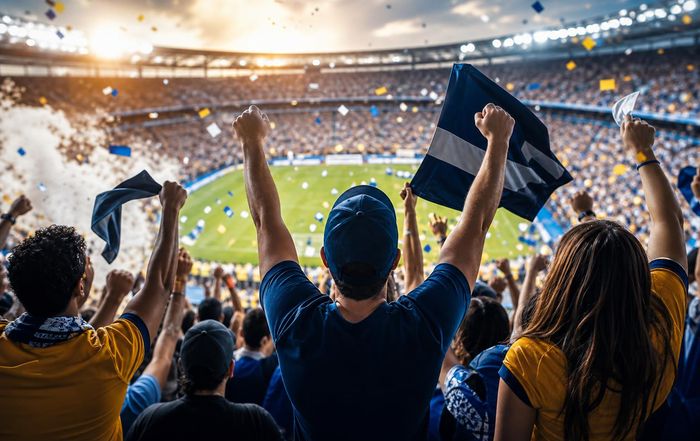
How Fans Shape Modern Sports Culture in 2026
The Fan at the Center of a Global Sports Economy
In 2026, elite athletes, powerful leagues, and billion-dollar media rights still dominate sports headlines, yet the real engine of modern sports culture is increasingly visible in the stands, on social platforms, and across global travel routes: the fan. From packed stadiums in the United States and United Kingdom to digital communities spanning Europe, Asia, Africa, and South America, supporters now influence how competitions are structured, how brands invest, how cities plan infrastructure, and how athletes build their careers. For xdzee.com, whose readers live at the intersection of sports, adventure, travel, lifestyle, performance, and business, understanding how fans shape this new era of sport is not just a matter of curiosity; it is central to understanding how culture, commerce, and community will evolve over the rest of the decade.
Sports culture has always been a mirror of society, but the rise of real-time data, streaming platforms, social media, and global mobility has amplified the voice and power of the fan in ways that governing bodies could not have imagined even a decade ago. As organizations such as FIFA, UEFA, the NBA, the NFL, and Formula 1 compete for attention, loyalty, and spending, they increasingly design their seasons, venues, and digital products around evidence of fan behavior, sentiment, and expectation, drawing on research from institutions like the Harvard Business School and insights from global consultancies such as McKinsey & Company to refine their strategies.
On xdzee.com, where coverage spans sports, adventure, travel, lifestyle, performance, and innovation, the evolving role of the fan is visible in every story about mega-events, brand partnerships, athlete activism, and the design of new destinations. The modern supporter is not a passive spectator but a co-creator of value, identity, and meaning, shaping how sports are played, watched, commercialized, and remembered.
From Spectators to Stakeholders: The New Power of the Crowd
The transformation of fans from spectators to stakeholders is rooted in a broader shift in consumer expectations. Supporters in Germany, Canada, Australia, France, and beyond increasingly expect transparency, personalization, and participation from the organizations they support, whether they are sports leagues, apparel brands, or digital platforms. This expectation is consistent with wider trends in business and media, where audiences demand a voice in the products and experiences they consume, a trend that analysts at Deloitte and PwC have documented across multiple industries.
In sports, fan influence is visible in the way leagues test new formats, adjust competition calendars, and deploy technology. The adoption of video assistant referee systems, in-game analytics on broadcasts, and new tournament structures has been driven not only by competitive fairness and commercial considerations but also by vocal fan feedback, visible on platforms such as X (formerly Twitter) and Reddit. When UEFA or Major League Baseball experiments with rule changes, they now track social sentiment and engagement metrics as closely as they monitor gate receipts, because they understand that fan approval translates into sustained viewership, merchandise sales, and sponsor interest.
For readers of xdzee.com, who follow world and news coverage across continents, this shift is especially visible in markets like Japan, South Korea, Singapore, and the Netherlands, where digitally native fan bases expect seamless integration between in-stadium and at-home experiences. These supporters participate in polls that influence all-star selections, vote on music and entertainment at events, and contribute to real-time commentary that shapes the narrative of games. As a result, rights holders increasingly treat fans as strategic partners whose preferences must be understood and respected, rather than as passive audiences to be monetized.
Digital Communities and the Architecture of Belonging
The rise of digital communities has fundamentally redefined what it means to be a fan. Supporters in Brazil, Spain, Italy, Sweden, Norway, and Denmark no longer need physical proximity to a stadium to develop deep emotional attachments to clubs, athletes, or leagues. On platforms such as YouTube and Twitch, fans watch live games, behind-the-scenes content, and fan-created analysis, often in multiple languages, building transnational communities that share rituals, memes, and narratives that transcend geography and time zones.
This digital layer of sports culture has become a powerful driver of identity and belonging, particularly for younger generations who may experience a club first through a highlight reel or a documentary series rather than a live match. Streaming services and social platforms, including Netflix and Instagram, have accelerated this shift by investing in sports storytelling that foregrounds personalities, rivalries, and journeys, rather than only scores and statistics. These narratives invite fans into the inner lives of athletes and teams, encouraging them to adopt communities of support that feel as real as any local club or school team.
For xdzee.com, which explores how culture, lifestyle, and brands intersect, this digital architecture of belonging is central to understanding how sports fandom evolves in cities from New York and London to Tokyo, Bangkok, and Cape Town. Fans now participate in global conversations in real time, using shared hashtags, fan art, podcasts, and live chats to shape how events are perceived and remembered. This sense of shared authorship means that sports culture is no longer simply produced by leagues and broadcasters; it is co-created by millions of individuals whose voices now carry across borders and platforms.
Travel, Destination, and the Rise of the Sports Pilgrim
One of the most visible ways fans shape modern sports culture is through travel. The 2020s have seen a surge in sports-related tourism, as supporters from North America, Europe, Asia, and Oceania plan entire trips around major events, iconic stadiums, and legendary rivalries. Cities such as Barcelona, Munich, Manchester, Miami, Melbourne, and Singapore have become magnets for sports pilgrims who combine match days with broader exploration of local culture, cuisine, and nightlife, turning a single game into a curated destination experience.
Research from organizations like the World Tourism Organization (UNWTO) and the World Travel & Tourism Council underscores the economic impact of this trend, with sports tourism contributing significantly to hotel occupancy, restaurant revenue, and cultural attractions in host cities. Fans who travel for events such as the Olympic Games, FIFA World Cup, Rugby World Cup, Super Bowl, Wimbledon, or the Tour de France not only spend on tickets and merchandise but also support local businesses, from independent cafes to transportation providers, often returning home as informal ambassadors for the destinations they visit.
On xdzee.com, coverage of travel and destination experiences increasingly highlights how fans integrate adventure and exploration into their sports journeys. Supporters from Canada might combine a Premier League match in England with hiking in the Lake District, while fans from South Africa traveling to France for rugby could add wine country tours and cultural excursions. As cities compete to host mega-events, they design fan zones, cultural festivals, and interactive experiences that reflect local identity, recognizing that the memories fans carry home will shape global perceptions of their destination for years to come.
Performance, Data, and the Informed Fan
The modern fan is more informed, analytical, and data-driven than any previous generation. Advances in sports science, wearable technology, and performance analytics have filtered into mainstream coverage, allowing supporters in Switzerland, Finland, Malaysia, and New Zealand to engage with games at a deeper tactical and physiological level. Platforms such as ESPN and The Athletic now routinely incorporate advanced metrics, heat maps, and expected goals models into their reporting, while fans access live data through league apps and third-party services.
This data-rich environment has changed the relationship between fans, athletes, and teams. Supporters no longer rely solely on commentary to interpret performance; they can independently evaluate player efficiency, workload management, and tactical decisions, often challenging or refining the narratives offered by broadcasters. For performance-focused readers of xdzee.com, this shift aligns with broader trends in quantified self and high-performance lifestyles, where data from fitness trackers and health apps informs personal training and wellness routines, blurring the line between spectator and participant.
Organizations such as the Australian Institute of Sport and the U.S. Olympic & Paralympic Committee publish insights into training methodologies and recovery protocols, which fans consume alongside game analysis, deepening their understanding of what elite performance requires. This informed fandom creates both opportunities and pressures for athletes and coaches, who must navigate a public that is increasingly knowledgeable and expects transparency around decisions, injuries, and long-term performance strategies.
Safety, Ethics, and the Responsible Fan Movement
As sports have become more global and commercially intense, fans have played a crucial role in pushing organizations toward higher standards of safety and ethics. Concerns about athlete welfare, stadium security, environmental impact, and human rights in host nations have become central to public debate, with supporters in United Kingdom, Germany, Norway, Japan, and South Korea often leading campaigns for reform. Investigative reporting by outlets such as BBC Sport and The Guardian has amplified these concerns, but it is fan responses that frequently determine whether issues remain in the spotlight.
On xdzee.com, where safety and ethics are integral to coverage, this responsible fan movement is treated as a defining feature of modern sports culture. Supporters now question the environmental footprint of mega-events, the labor conditions associated with stadium construction, and the governance of federations and clubs. They demand concussion protocols that protect athletes in contact sports, challenge scheduling that compromises player health, and advocate for inclusive, non-discriminatory environments in stands and online spaces.
Organizations such as Amnesty International and Human Rights Watch have worked with fan groups to highlight concerns around events hosted in regions with contested human rights records, while safety experts at bodies like FIFA's safety and security division and the International Olympic Committee have responded with new frameworks and guidelines. Fans, by choosing which competitions to support, which sponsors to patronize, and which narratives to amplify, exercise a form of ethical consumer power that is reshaping the incentives and behaviors of the entire sports ecosystem.
Innovation and the Immersive Future of Fandom
Innovation in fan experience has accelerated rapidly, driven by investments from technology companies, broadcasters, and leagues that recognize the value of deeper engagement. Virtual reality, augmented reality, and mixed reality solutions are beginning to offer immersive viewing experiences that appeal to fans from China to United States, allowing them to feel closer to the action whether they are in a stadium in Madrid or watching from a living room in Toronto. Companies like Meta, Apple, and Sony have all invested in hardware and platforms that support these emerging experiences, while leagues experiment with virtual suites and interactive camera angles.
For xdzee.com, which closely follows innovation across sports and entertainment, these technologies are not just novelties but tools that can fundamentally redefine access and inclusion. Fans who cannot afford travel or premium tickets may still experience a sense of presence, while supporters with disabilities can benefit from customized interfaces and sensory experiences that improve accessibility. At the same time, the rise of blockchain-based ticketing, digital collectibles, and fan tokens has introduced new models of ownership and participation, though these innovations carry both promise and risk, requiring careful regulation and education to ensure transparency and fairness.
Institutions such as the MIT Sloan Sports Analytics Conference and the World Economic Forum have highlighted how data, AI, and immersive technologies will shape the next phase of sports business. Fans, by adopting or rejecting these innovations, will determine which models gain traction. Their willingness to engage with new formats, from interactive live betting in regulated markets to second-screen experiences that blend gaming and viewing, will influence how leagues and broadcasters allocate resources and design future products.
Brands, Business, and the Economics of Fan Attention
The global sports economy in 2026 is increasingly driven by competition for fan attention, rather than simply for broadcast rights or ticket sales. Brands across apparel, technology, automotive, finance, and lifestyle sectors recognize that aligning with passionate communities of supporters offers a powerful way to build loyalty and cultural relevance. Companies such as Nike, Adidas, Puma, Coca-Cola, and Emirates design campaigns that tap into local and global fan narratives, while newer entrants in fintech, streaming, and wellness sectors seek partnerships that resonate with younger, digitally native supporters.
Business-focused readers of xdzee.com, who follow developments on business and jobs pages, understand that this competition for attention has transformed how sponsorships are structured and measured. Brands no longer evaluate deals solely on logo visibility or hospitality perks; they assess fan sentiment, engagement metrics, and alignment with values such as sustainability, diversity, and social impact. Research from Kantar and Nielsen Sports shows that fans increasingly reward brands that demonstrate authentic commitment to their communities and punish those perceived as opportunistic or misaligned.
This shift has also created new career paths in fan engagement, community management, data analytics, and experiential design, offering opportunities for professionals in United States, United Kingdom, India, Singapore, and beyond. As organizations build internal capabilities to understand and serve fans, they recruit experts who can interpret data, design inclusive experiences, and craft narratives that resonate across cultures and platforms. For xdzee.com, which tracks lifestyle and career trends, this intersection of sports, media, and business is a critical area where fan behavior directly shapes the future of work and leadership in the industry.
Culture, Identity, and the Storytelling Power of Fans
Sports have always been a powerful stage for expressing local, national, and global identities, but in 2026, fans play an unprecedented role in curating and broadcasting those identities to the world. Supporters in Italy, Spain, France, South Africa, and Mexico weave music, flags, fashion, and choreography into matchday rituals that become instantly shareable content, influencing how their cities and countries are perceived internationally. These expressions of culture, whether in the form of choreographed tifos, chants, or street celebrations, are documented and amplified by fans themselves, often reaching far larger audiences online than in the stadium.
Cultural coverage on xdzee.com, particularly on its culture and lifestyle sections, highlights how sports fandom intersects with broader movements in art, fashion, and social change. Streetwear brands collaborate with clubs and athletes to create limited-edition collections that signal affiliation and taste, while musicians and filmmakers draw on fan communities for inspiration and distribution. These crossovers are evident in collaborations between global stars and local clubs, where music videos, documentaries, and social campaigns use sports imagery to explore themes of resilience, identity, and aspiration.
Institutions such as the Smithsonian and the International Centre for Sports Studies (CIES) have begun to archive and analyze fan culture as a significant component of contemporary history, recognizing that the songs, banners, and digital artifacts created by supporters offer valuable insights into social and political dynamics. Fans, by choosing which stories to tell and how to tell them, shape the cultural legacy of sports, ensuring that it reflects not only the achievements of elite athletes but also the lived experiences of communities around the world.
The Future of Fandom and the Role of xdzee.com
As the sports landscape evolves through 2026 and beyond, the centrality of the fan will only grow. Emerging technologies, shifting demographics, and changing social expectations will continue to redefine how supporters engage with sports across continents, from North America and Europe to Asia-Pacific and Africa. The next generation of fans will be more global, more connected, more values-driven, and more demanding of authenticity than any before, expecting organizations to deliver experiences that are immersive, ethical, inclusive, and aligned with their broader lifestyles and aspirations.
For xdzee.com, this moment represents both an opportunity and a responsibility. By covering sports, adventure, travel, brands, lifestyle, performance, safety, innovation, ethics, business, and world news through a fan-centric lens, the platform can help readers understand not only what is happening in stadiums and arenas but also why it matters for the future of culture, commerce, and community. Linking stories across sports, adventure, world, and business allows the site to trace how fan behavior influences everything from tourism flows and employment trends to brand strategies and urban development.
In this evolving ecosystem, trust becomes a vital currency. Fans seek reliable, nuanced, and context-rich analysis that respects their intelligence and acknowledges their role as stakeholders. By emphasizing experience, expertise, authoritativeness, and trustworthiness in its reporting and commentary, xdzee.com positions itself as a guide for readers navigating the complex intersections of sport, culture, and global change. As fans continue to shape modern sports culture-on the terraces, in digital communities, and across the world's great destinations-the stories told on xdzee.com will reflect and illuminate their influence, ensuring that the voices of supporters remain at the heart of the global sports conversation.