

Biking the Balkan Coast: A Two-Wheeled Tour from Split to Dubrovnik
The Adriatic Frontier for Modern Performance Travelers
As experiential travel continues to redefine premium tourism across Europe, the coastal cycling route from Split to Dubrovnik has emerged as one of the most compelling examples of how performance, sustainability, and culture can converge in a single journey. For the audience of xdzee.com, whose interests span sports, adventure, travel, business, lifestyle, innovation, ethics, and global culture, this stretch of the Balkan coast offers an unusually rich case study in how a destination can deliver both high-intensity physical challenge and high-value strategic insight. The route, often described as the "Adriatic Riviera on two wheels," runs through some of Croatia's most dramatic seascapes and historic towns, and it is increasingly shaping how destinations in Europe, North America, and Asia think about premium active tourism, sustainable infrastructure, and brand positioning in a crowded global travel market.
As international sports and adventure travelers from the United States, United Kingdom, Germany, Canada, Australia, and across Asia and Europe look for routes that combine performance metrics with cultural depth, the Split-Dubrovnik corridor is setting a benchmark that other regions are now studying closely. This is not only a scenic ride; it is an evolving blueprint for how destinations can orchestrate logistics, safety, and storytelling to create a coherent, trusted experience that appeals to cyclists, investors, policymakers, and lifestyle brands alike. For readers exploring broader context around travel and performance, the evolving coverage on xdzee travel and xdzee performance provides a complementary lens on how this route fits into global shifts in mobility and endurance sport.
A Strategic Corridor at the Intersection of Sport, Tourism, and Business
The Split-Dubrovnik coastal route, situated along the eastern Adriatic, sits at the crossroads of several powerful macrotrends that matter to business leaders, destination managers, and global brands. Croatians have long recognized the value of their coastline, but the acceleration in cycling infrastructure, boutique hospitality, and integrated digital services since the pandemic has repositioned this corridor from a seasonal beach destination to a year-round sports and adventure platform. According to UN World Tourism Organization analyses, active and nature-based tourism continues to outpace traditional mass tourism in growth and resilience, particularly in regions that can offer both safety and authenticity; those dynamics are visible in real time along the Dalmatian coast, where local authorities and private operators have invested in bike-friendly ferries, road improvements, and integrated trip-planning tools. Business readers can explore global tourism trends to understand how such investments are reshaping competition between destinations from the Mediterranean to Southeast Asia.
This corridor's strategic relevance extends beyond tourism. For investors and policy professionals in Europe and North America, the Split-Dubrovnik route offers a living laboratory for examining how mid-sized cities like Split and Dubrovnik can leverage sports infrastructure and outdoor recreation to attract remote workers, digital nomads, and high-value knowledge professionals. The rise of location-flexible work, documented by organizations such as OECD, has pushed cities from Lisbon to Singapore to rethink their value propositions; coastal Croatian cities are increasingly competing in this same arena by combining lifestyle appeal with improving connectivity. Those tracking the intersection of business and lifestyle can find parallel insights on xdzee business, where the relationship between quality of life, mobility, and economic competitiveness is a recurring theme.
Route Overview: From Roman Port to Walled City
The core route from Split to Dubrovnik typically spans approximately 220-260 kilometers, depending on whether cyclists choose inland detours, island segments, or purely coastal roads. While the most direct route follows the Adriatic Highway, many experienced riders now opt for a hybrid itinerary that integrates ferry crossings to islands such as Brač, Hvar, or Korčula, thereby reducing exposure to high-traffic segments while increasing cultural and scenic variety. For a global audience familiar with routes like the Pacific Coast Highway in the United States or the Atlantic Coast routes in France and Spain, the Dalmatian coast offers similar visual drama, but with a denser overlay of Roman, Venetian, and Ottoman history. Those interested in broader European cycling networks can learn more about EuroVelo coastal routes and how the Balkan segments are being tied into a continent-wide grid.
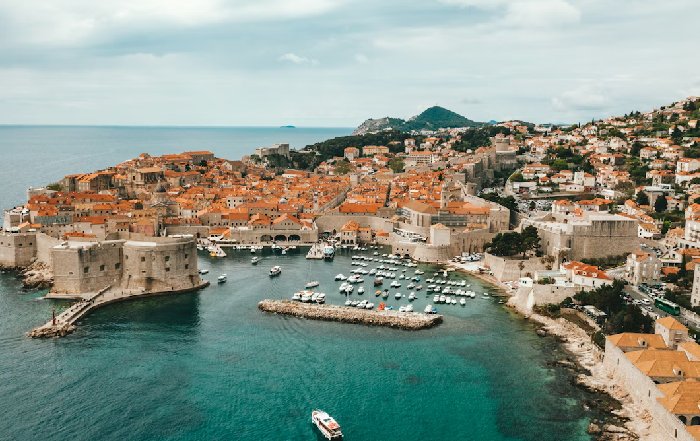
Split, with its centerpiece Diocletian's Palace, positions itself not merely as a departure point but as a historical anchor that connects modern cyclists to centuries of maritime trade and military strategy. Dubrovnik, the endpoint, is equally symbolic; the walled city, once the seat of the Republic of Ragusa, now functions as a global icon of heritage preservation and high-value tourism. The psychological arc of the journey-from a living Roman complex to a perfectly preserved medieval city-gives the ride a narrative coherence that enhances its appeal to adventure travelers who seek meaning as much as mileage. For those following regional developments, xdzee world offers broader context on how such heritage corridors are being leveraged across Europe, Asia, and beyond.
Performance and Preparation: Turning a Scenic Ride into an Endurance Benchmark
For serious cyclists and performance-oriented travelers, the Split-Dubrovnik route is not merely a sightseeing tour; it is a structured endurance challenge that requires thoughtful preparation. Depending on the chosen itinerary and daily distance targets, riders typically allocate three to six days for the journey, with total elevation gain varying significantly based on whether they include island climbs and inland detours. Athletes from Germany, the Netherlands, Scandinavia, and the United Kingdom, accustomed to well-structured routes and reliable data, increasingly rely on platforms such as Strava and Komoot to analyze gradients, traffic patterns, and segment times, transforming the Adriatic coast into a performance dataset as much as a landscape. Those interested in the role of digital tools in endurance sports can explore how data is reshaping athletic performance across multiple disciplines.
Training for this route typically blends cardiovascular endurance, hill work, and heat acclimatization, especially for riders arriving from cooler climates such as Scandinavia, Canada, or northern Germany. The coastal microclimate can be deceptive; while sea breezes moderate temperatures, exposed segments can still generate significant heat stress, particularly in July and August. Performance-focused readers will recognize the importance of structured tapering, nutrition planning, and recovery protocols, which are increasingly informed by sports science research from institutions such as Gatorade Sports Science Institute and Australian Institute of Sport. Those seeking a broader perspective on sports and high-performance living can find complementary narratives on xdzee sports, where high-intensity travel experiences are analyzed through a performance lens.
Safety, Infrastructure, and Risk Management on the Adriatic Highway
Safety remains the decisive factor that determines whether a route transitions from niche to mainstream, particularly for international riders traveling from the United States, United Kingdom, or Asia who may be unfamiliar with local driving norms. The Adriatic Highway, which forms much of the backbone of the Split-Dubrovnik corridor, offers stunning views but also carries mixed traffic, including buses and freight vehicles, especially near major towns and border crossings. Over the past decade, Croatian authorities have steadily improved road surfaces, signage, and protective barriers, yet the route still demands disciplined situational awareness, particularly during peak tourist months. Cyclists and planners looking to benchmark safety practices can review international road safety guidelines published by the World Health Organization, which increasingly emphasize the needs of vulnerable road users such as cyclists.
Risk management for this route extends beyond traffic. Weather volatility, especially in shoulder seasons, can produce sudden storms or strong crosswinds, while ferry schedules between islands and the mainland can be disrupted by sea conditions. The most experienced operators now integrate contingency planning, real-time weather monitoring, and redundant transport options into their itineraries, reflecting a more mature approach to safety and reliability that aligns with global best practices in adventure tourism. For readers interested in how safety standards are evolving across sectors-from outdoor sports to aviation and urban mobility-coverage on xdzee safety provides a broader analytical framework.
Cultural Immersion: Beyond the Postcard Adriatic
What distinguishes the Split-Dubrovnik ride from many other coastal routes is the density of cultural and historical experiences that can be accessed within short detours from the main road. From Roman ruins and medieval fortresses to small fishing villages and contemporary art scenes, the corridor offers a layered narrative that resonates with travelers seeking more than surface-level tourism. The UNESCO designation of both Split's historical core and Dubrovnik's Old Town has drawn global attention, yet many of the most meaningful encounters occur in lesser-known towns such as Omiš, Makarska, and Ston, where local traditions remain deeply embedded in daily life. Those interested in the broader context of heritage preservation can learn how UNESCO approaches cultural landscapes around the world.
Cyclists who are willing to slow down and engage with local communities often discover that the most memorable segments of their journey are not the high-speed descents or panoramic vistas, but the conversations with café owners, vintners, or fishermen who share stories of war, reconstruction, and European integration. This dimension of cultural immersion aligns closely with the interests of readers who follow xdzee culture, where the interplay between local identity, global tourism, and ethical storytelling is a recurring theme. In an era when travelers from North America, Europe, and Asia are increasingly sensitive to overtourism and cultural dilution, the ability of the Dalmatian coast to offer authentic, small-scale encounters becomes a strategic differentiator.
Sustainability, Ethics, and the Future of Coastal Tourism
The rapid growth of cycling tourism on the Balkan coast raises important questions about sustainability and ethics that are highly relevant to business leaders, policymakers, and brands operating in global markets. While bicycles are inherently low-emission compared to cars or cruise ships, the overall footprint of international travel-particularly long-haul flights from North America, East Asia, or Australia-remains significant. Organizations such as the Intergovernmental Panel on Climate Change (IPCC) and International Energy Agency (IEA) have repeatedly emphasized the need for decarbonization across all transport modes, prompting destination managers in Croatia and neighboring countries to think more holistically about how to balance visitor growth with environmental constraints. Readers who wish to delve deeper into climate and mobility can explore global climate reports that frame these challenges at scale.
Ethical considerations also arise around land use, housing, and labor. As coastal towns become more attractive to foreign investors and remote workers, pressures on local real estate markets can intensify, potentially displacing residents or eroding community cohesion. At the same time, the demand for seasonal labor in hospitality and logistics can create both opportunities and vulnerabilities for workers from Croatia and neighboring Balkan states. Responsible operators and policymakers are increasingly turning to frameworks from organizations such as the World Economic Forum and OECD to design tourism models that emphasize fair labor conditions, community participation, and inclusive growth. For readers who track these issues across sectors and regions, xdzee ethics provides a valuable platform for exploring how ethical principles can be translated into practical standards in travel, sports, and business.
Innovation, Digital Tools, and the Smart Destination
By 2026, the Split-Dubrovnik corridor has evolved into a testing ground for digital innovation in destination management and traveler experience. Route mapping, real-time traffic data, and weather forecasting are now integrated into mobile platforms that enable riders to make informed decisions on pacing, rest stops, and alternative routes. Startups and established companies alike are experimenting with predictive analytics to anticipate congestion, optimize ferry usage, and personalize recommendations based on rider profiles and performance goals. This mirrors broader global trends in "smart tourism," where cities from Singapore to Barcelona are using sensors, AI, and data platforms to manage flows and enhance visitor satisfaction. Those interested in this intersection of technology and travel can learn more about smart city and smart tourism initiatives framed by the World Economic Forum.
Innovation is not limited to digital tools. Advances in bike design, materials, and safety equipment-from integrated lighting systems to improved helmets and wearables-are reshaping how cyclists engage with challenging routes worldwide. Manufacturers in Europe, North America, and Asia continue to push the boundaries of weight, aerodynamics, and durability, while also responding to sustainability pressures through recycled materials and circular design. For readers who follow the broader innovation landscape across industries, xdzee innovation offers context on how these technological shifts align with changes in consumer expectations and regulatory frameworks. The Split-Dubrovnik route, with its mix of demanding terrain and supportive infrastructure, provides an ideal proving ground for these new products and services.
Branding, Lifestyle, and the Global Positioning of the Balkan Coast
Beyond the physical and logistical dimensions, the Split-Dubrovnik ride has become a powerful branding asset for Croatia and the broader Balkan region. In a global marketplace where destinations compete not only for tourists but also for talent, investment, and media attention, the image of cyclists navigating sunlit coastal roads between historic cities serves as a versatile narrative that can be adapted for multiple audiences. Tourism boards, lifestyle brands, and sports apparel companies increasingly feature this route in campaigns targeting affluent travelers from the United States, United Kingdom, Germany, Scandinavia, and East Asia, positioning the Adriatic as both aspirational and accessible. Those interested in how destinations build and manage their brands can explore best practices in place branding, a field that draws on marketing, urban planning, and cultural strategy.
For lifestyle-focused readers, the Split-Dubrovnik journey also encapsulates a broader shift toward integrated living, where work, sport, culture, and travel are no longer siloed but interwoven into a single narrative of personal and professional development. Cyclists who undertake this route are often professionals in finance, technology, creative industries, or academia who view the ride not as an escape from their lives but as an extension of their values around health, sustainability, and continuous learning. This resonates strongly with themes explored on xdzee lifestyle and xdzee brands, where the convergence of identity, consumption, and experience is a central topic.
Jobs, Skills, and the Evolving Adventure Economy
The growth of cycling tourism along the Balkan coast is also reshaping local and regional labor markets, creating new categories of employment and entrepreneurship that extend well beyond traditional hospitality roles. Guides, bike mechanics, logistics coordinators, digital marketers, and content creators all play a role in delivering and promoting the Split-Dubrovnik experience, while local producers in food, wine, and crafts benefit from increased demand for authentic, high-quality products. As in other adventure destinations from New Zealand to South Africa, the challenge lies in ensuring that these jobs offer stable income, career progression, and opportunities for skill development, rather than remaining purely seasonal or precarious. Those tracking global labor trends can review analyses of tourism and employment from the International Labour Organization, which highlights both the potential and the risks of tourism-driven job growth.
For young professionals and entrepreneurs across Europe, Asia, and the Americas, the Balkan adventure economy offers a template for how to build careers at the intersection of sports, technology, and sustainable development. Remote work, digital platforms, and cross-border collaboration make it increasingly feasible to base a career in a coastal town while serving a global clientele, whether through guiding, coaching, content production, or specialized services. Readers exploring the future of work, mobility, and skills development can find related discussions on xdzee jobs, where the implications of these shifts are examined across multiple sectors.
A Destination and a Direction for Global Performance Travelers
For the global audience of xdzee.com, the Split-Dubrovnik coastal ride represents far more than a picturesque European cycling holiday. It is a concentrated example of how sport, adventure, travel, business, culture, and ethics can intersect in a single, coherent narrative that speaks to contemporary aspirations and concerns. The route challenges riders physically while inviting them to engage intellectually and emotionally with the history, economy, and future of the Balkan region. It demonstrates how destinations can leverage their natural and cultural assets to build resilient, high-value tourism models, while also grappling with the complex trade-offs of sustainability, equity, and identity in a rapidly changing world.
As travelers from North America, Europe, Asia, Africa, and South America look toward 2026 and beyond, the Adriatic corridor from Split to Dubrovnik stands as both a destination and a direction: a concrete place to ride, reflect, and reconnect, and a conceptual model for how performance-driven, culturally aware, and ethically grounded travel can evolve. For those considering their next high-impact journey, exploring the broader coverage on xdzee destination and the main xdzee.com hub will provide additional context, resources, and perspectives to transform a two-wheeled tour of the Balkan coast into a deeply informed and strategically meaningful experience.