

How Innovation Improves Athlete Safety
The New Safety Imperative in Global Sport
The global sports ecosystem has entered a decisive phase in which athlete safety is no longer treated as a compliance obligation or a peripheral concern but as a core pillar of performance, commercial value and societal trust, and within this shift, innovation has become the primary engine translating scientific insight into practical protection for athletes at every level, from youth leagues in the United States and Europe to elite competitions in Asia, Africa and South America. Across disciplines as varied as football, motorsport, skiing, cycling, combat sports and adventure racing, governing bodies, technology companies, medical researchers and performance analysts are converging around a shared understanding that the same data-driven, design-led and ethically grounded thinking that has transformed performance analysis can and must be applied to reduce injuries, extend careers and safeguard mental and physical health over the long term.
For xdzee.com, whose fantastic and active audience spans sports, adventure, travel, lifestyle, brands, performance and innovation, this transformation is particularly significant, because it directly connects the passion and risk that define high-level sport with the responsibility to protect athletes who inspire global fans and shape culture across continents. As federations in markets from the United Kingdom and Germany to Japan and Brazil adopt stricter safety protocols, and as athletes themselves demand more transparency and agency over their own wellbeing, innovation is redefining what it means to compete, to train and to recover, and it is reshaping how sponsors, media and fans perceive the ethics of sport. This article explores how that change is unfolding, why it matters for stakeholders who follow developments through daily updated premium website hubs such as xdzee sports, and where the next breakthroughs are likely to emerge.
From Reactive Protection to Proactive Risk Management
Historically, most safety measures in sport were reactive, emerging only after serious injuries, public scandals or legal pressure forced organizations to respond, but over the last decade, and especially in the years leading to 2026, the paradigm has shifted from post-incident remediation to proactive risk management that seeks to predict, prevent and mitigate harm before it occurs. Major governing bodies such as FIFA, the International Olympic Committee (IOC) and the World Rugby leadership have progressively adopted data-informed rule changes, stricter return-to-play protocols and centralized injury surveillance systems that draw on research from institutions like the U.S. Centers for Disease Control and Prevention and the World Health Organization.
This shift has been accelerated by mounting evidence on the long-term consequences of concussions and repetitive head impacts, as documented by organizations such as The Concussion Legacy Foundation and research published through platforms like the National Institutes of Health, which have highlighted the link between sports-related head trauma and neurodegenerative conditions. In parallel, athlete unions and advocacy groups in North America, Europe and Asia have increased pressure on leagues and federations to adopt more rigorous standards, while insurance providers and sponsors have begun to factor safety records into their commercial decisions. For readers of xdzee news and xdzee world coverage, this evolution reflects a broader societal movement toward corporate responsibility and ethical governance, in which sports organizations are expected to demonstrate not only competitive excellence but also robust duty of care.
Smart Equipment: The First Line of Defense
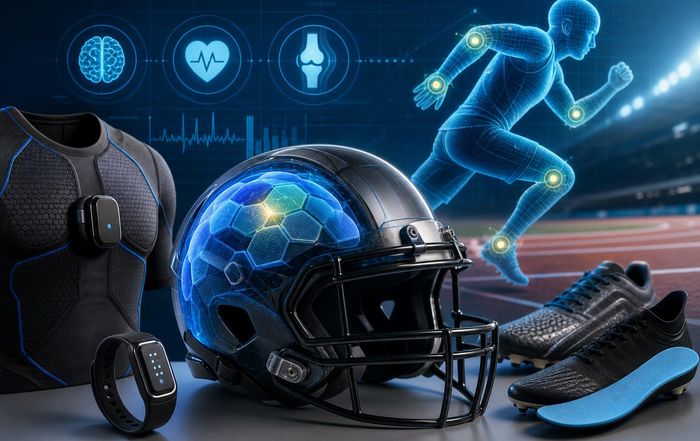
One of the most visible areas where innovation is improving athlete safety is in the design and deployment of smart equipment, which integrates advanced materials, embedded sensors and biomechanical engineering to reduce impact forces and provide real-time feedback. In contact sports such as American football, rugby and ice hockey, helmet manufacturers, often working in collaboration with research centers like the Virginia Tech Helmet Lab, have introduced multi-layered impact systems, rotational force management technologies and customized fit solutions that significantly lower the risk of concussive and sub-concussive blows, particularly for youth and amateur athletes who may not have access to elite-level medical support.
Similarly, in motorsport, cycling and alpine skiing, where high-speed crashes can have catastrophic consequences, partnerships between teams, safety bodies such as the Fédération Internationale de l'Automobile (FIA) and innovation-driven companies have led to aerodynamic yet protective helmets, improved neck and spine support systems and body armor that balances flexibility with enhanced energy absorption. The introduction of technologies like the Halo cockpit protection device in Formula 1, combined with ongoing research supported by organizations such as FIA Safety, has demonstrably reduced fatal and severe injuries in top-tier racing. For fans who follow performance and design trends through xdzee performance insights and xdzee innovation coverage, these latest developments illustrate how engineering excellence can simultaneously push speed and safety forward.
Wearables, Biometrics and Continuous Monitoring
Beyond protective gear, the proliferation of wearables and biometric monitoring systems has transformed how teams, coaches and medical staff understand and manage risk in training and competition, particularly in endurance sports, team sports and adventure disciplines where cumulative load, fatigue and environmental conditions can quietly erode safety margins. Devices ranging from GPS-enabled vests and smart insoles to advanced heart-rate variability monitors and sleep trackers now generate continuous streams of data that can reveal early signs of overtraining, dehydration, heat stress or cardiovascular strain, enabling interventions before minor issues escalate into serious injuries or medical emergencies.
Elite organizations such as Manchester City FC, Team INEOS Grenadiers and USA Track & Field have embraced data platforms that integrate training volume, biomechanics, nutrition and recovery metrics, often drawing on methodologies shaped by sports science institutes like the Australian Institute of Sport and the English Institute of Sport. At the same time, consumer-level devices from companies such as Garmin, Apple and Whoop have made similar monitoring capabilities accessible to recreational athletes and adventure enthusiasts who follow content on xdzee adventure and xdzee lifestyle. As algorithms improve and cross-reference larger datasets, these tools are becoming more adept at flagging subtle risk patterns, such as increased injury likelihood after long-haul travel or training in extreme heat, which is especially relevant as climate change alters conditions for events globally, from marathons in Asia to cycling tours in Southern Europe.
Data, AI and Predictive Injury Prevention
The convergence of big data and artificial intelligence has opened a new frontier in injury prevention, as teams and federations increasingly rely on predictive models that analyze historical and real-time information to estimate the probability of specific injuries for individual athletes. By integrating match workloads, training intensity, biomechanical asymmetries, prior injury history, sleep quality and even psychological stress indicators, machine learning systems can generate personalized risk scores that inform decisions about training loads, rotation policies and return-to-play timelines, thus reducing the reliance on intuition alone.
Research collaborations between clubs, universities and technology firms in regions such as Scandinavia, Germany and the United States have produced promising results, with studies shared through platforms like PubMed and applied in professional leagues across football, basketball and rugby. Organizations such as FC Barcelona's Innovation Hub and Bayern Munich's performance department have become reference points for integrated performance and safety analytics, while the NBA and NFL have invested in centralized databases that enable league-wide pattern recognition. For the global audience of xdzee.com, which tracks both business and performance trends via xdzee business analysis, this evolution underscores how data literacy and AI governance are becoming strategic competencies in sport, with direct implications for contract valuations, insurance costs and long-term brand equity.
Safer Training Environments and Facility Design
Innovation in athlete safety is not limited to personal equipment and digital tools; it also encompasses the physical environments in which training and competition take place, from community pitches and gyms to international arenas and Olympic venues. Advances in surface engineering, for example, have led to hybrid grass systems and shock-absorbing artificial turfs designed to reduce joint stress and lower extremity injuries, with standards informed by organizations such as the International Federation of Sports Medicine and testing protocols adopted across stadiums in Europe, North America and Asia. These surfaces are particularly impactful in countries with extreme climates, where maintaining consistent natural grass quality is challenging, and where injury rates historically spiked during certain seasons.
In indoor sports and training facilities, improved lighting, ventilation, acoustics and spatial design are being used to reduce collision risks, manage athlete traffic flows and enhance psychological comfort, drawing on research from architecture and occupational health as well as sports science. In adventure and travel-oriented sports-such as climbing, skiing and trail running-resort operators and event organizers are applying risk-mapping tools, avalanche forecasting technologies and real-time weather intelligence from services like the European Centre for Medium-Range Weather Forecasts to design safer routes and emergency response plans. For readers who engage with xdzee destination content and global travel coverage on xdzee travel, this integration of safety into experience design is reshaping how athletes and enthusiasts choose venues, events and training camps across continents.
Medical Protocols, Sideline Technology and Rapid Response
The modernization of medical protocols and sideline technology has arguably been one of the most impactful areas of innovation for acute athlete safety, especially in high-contact and high-speed sports where seconds can determine outcomes after a serious collision or cardiac event. International best practice guidelines from bodies such as the American College of Sports Medicine and the British Journal of Sports Medicine have been translated into standardized concussion assessments, on-field cardiac screening programs and emergency action plans that are now mandatory in many professional leagues and increasingly recommended at the amateur level.
Simultaneously, the deployment of high-definition video review systems, real-time communication tools and portable diagnostic devices on the sidelines enables medical teams to make more informed decisions under pressure. Technologies such as tablet-based neurological tests, ultrasound imaging and point-of-care blood analysis, once confined to hospitals, are now being used pitch-side in events from the English Premier League to international rugby tournaments. High-profile incidents involving sudden cardiac arrest in football and basketball have also accelerated the adoption of automated external defibrillators (AEDs) and the training of staff and even spectators in basic life support, supported by educational resources from organizations like the American Heart Association. For those following global safety standards via xdzee safety coverage, these advancements exemplify how medical innovation, logistical planning and regulatory enforcement intersect to protect athletes in critical moments.
Mental Health, Ethics and the Human Dimension of Safety
As the understanding of athlete wellbeing has broadened, mental health and ethical considerations have moved to the center of the safety conversation, challenging organizations to redefine what constitutes a safe environment beyond the absence of physical injury. High-profile testimonies from athletes such as Naomi Osaka, Simone Biles and leading footballers in Europe have drawn attention to the psychological pressures associated with elite competition, media scrutiny and social media exposure, prompting leagues, clubs and sponsors to implement more comprehensive mental health support systems, including confidential counseling, workload management and education on digital wellbeing.
Professional associations and advocacy groups in countries from Canada and Australia to Sweden and South Africa have developed mental health frameworks aligned with guidance from the World Players Association and resources such as the International Society for Sport Psychology, emphasizing that psychological safety, protection from abuse and respect for athlete autonomy are integral to a trustworthy sports culture. For xdzee.com, which maintains a dedicated focus on ethics through xdzee ethics coverage and broader cultural analysis via xdzee culture, this evolution highlights the importance of transparent governance, whistleblower protections and zero-tolerance policies against harassment and exploitation. Innovation in this domain is less about devices and more about systems, training and leadership, yet it is no less critical for sustaining the legitimacy and attractiveness of sport worldwide.
Regulation, Governance and the Role of Brands
Innovation in athlete safety cannot thrive without an enabling regulatory and governance framework, and over recent years, international federations, national associations and governmental agencies have increasingly recognized their responsibility to set clear, science-based standards and to enforce them consistently. Organizations such as UK Sport, Sport Australia and Sport Singapore have invested in national safety strategies that integrate research funding, education programs and compliance monitoring, often in collaboration with universities and medical institutions. At the global level, initiatives coordinated by the IOC, the World Anti-Doping Agency (WADA) and regional bodies like UEFA and CONMEBOL have sought to harmonize protocols and share best practices across borders, acknowledging that athletes frequently compete in multiple jurisdictions.
Commercial brands, meanwhile, have become influential stakeholders in the safety agenda, as sponsors, apparel manufacturers and technology companies recognize that their reputations are closely linked to the perceived integrity and responsibility of the sports they support. Leading global sponsors and equipment makers have begun to highlight safety innovations in their marketing narratives, aligning with broader sustainability and ESG priorities that investors and consumers track through platforms such as the World Economic Forum. For the business-oriented readership of xdzee brands and xdzee jobs and careers, this alignment between safety, brand value and employment opportunities is reshaping the talent landscape, creating demand for professionals with expertise in sports science, risk management, data analytics and ethical compliance.
Adventure, Travel and the Expanding Frontier of Risk
The growth of adventure and destination sports-ranging from ultra-marathons and backcountry skiing to surf expeditions and multi-stage cycling tours-has expanded both the geographical and conceptual frontiers of athlete safety, as participants increasingly seek experiences in remote, high-risk environments across continents. This trend, closely followed by the audience of xdzee adventure and xdzee travel, has prompted organizers, guides and local authorities to adopt more sophisticated risk management strategies that combine technology, local knowledge and international standards.
Satellite communication devices, GPS trackers and emergency beacons, supported by services such as the Global Positioning System, have become essential tools for monitoring participants in remote regions, while digital platforms enable real-time route updates, weather alerts and medical triage coordination. In parallel, training programs for guides and support staff now incorporate modules on high-altitude medicine, avalanche safety, wildlife risk and cultural sensitivity, often drawing on guidelines from the International Climbing and Mountaineering Federation and national mountain rescue organizations. Innovation in this space also encompasses insurance products, legal frameworks and environmental stewardship practices, as adventure tourism operators in countries from New Zealand and Norway to Chile and Nepal seek to balance commercial growth with safety and sustainability.
The Future of Athlete Safety: Integrated, Transparent and Global
Looking ahead from 2026, the trajectory of innovation in athlete safety points toward more integrated, transparent and globally coordinated systems that treat safety as an ongoing process rather than a static checklist. Advances in genomics, personalized medicine and neurotechnology may enable even more precise risk profiling and rehabilitation strategies, while developments in virtual and augmented reality could allow athletes to train complex scenarios with reduced physical risk, a trend already being explored by forward-thinking organizations and technology partners in North America, Europe and East Asia. At the same time, the ethical questions surrounding data privacy, consent, algorithmic bias and equitable access to safety innovations will demand robust governance frameworks, informed by cross-disciplinary expertise and public dialogue.
For xdzee.com, whose mission is to connect audiences across sports, business, culture, travel and innovation, the story of how innovation improves athlete safety is not a niche technical topic but a central narrative about the future of global sport and adventure. As visitors and subscribing members follow original developments through sections such as xdzee sports, xdzee innovation, xdzee safety and xdzee world, they are engaging with a broader question: how can societies harness technology, science and ethical leadership to protect the individuals who push human limits, entertain billions and embody the aspirations of communities in every region of the world.
The answer, emerging from stadiums in the United States and the United Kingdom, training centers in Germany and Japan, adventure hubs in New Zealand and South Africa, and grassroots clubs across Asia, Europe, Africa and the Americas, is that innovation, when guided by evidence, transparency and respect for human dignity, can turn risk into resilience and transform sport from a domain where danger is merely endured into one where safety is actively engineered. In this evolving landscape, independent and impartial sports news platforms like xdzee.com play a vital role by curating insight, highlighting best practices and fostering informed discussion, ensuring that the conversation about performance always includes a rigorous, forward-looking commitment to athlete safety.