

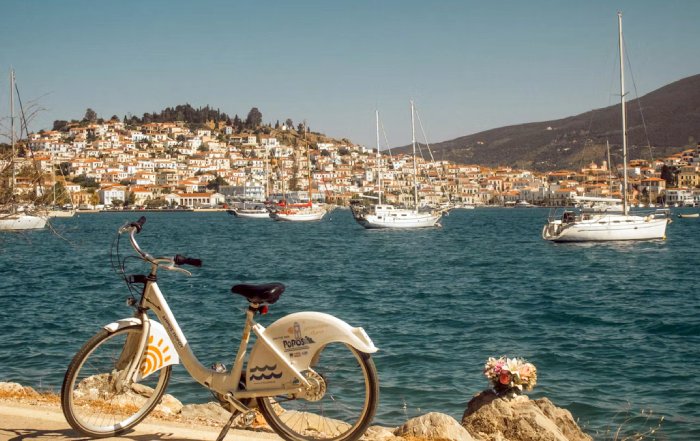
Boat and Bike Through the Less-Traveled Greek Islands: An Executive Guide to Experiential Travel
Why Under-the-Radar Greek Islands Matter
As global executives, entrepreneurs, and high-performance professionals reassess what travel means in a world shaped by digital acceleration, hybrid work, and heightened environmental awareness, the quieter Greek islands have emerged as a compelling arena for experiential travel that blends performance, recovery, and strategic reflection. Away from the crowded hotspots of Mykonos and Santorini, a network of lesser-known Aegean and Ionian islands offers a distinctive combination of boating and cycling experiences that align with contemporary expectations for authenticity, sustainability, and personal transformation. For the audience of xdzee.com, whose interests span sports, adventure, travel, business, world affairs, and performance, the concept of "boat and bike" through the less-traveled Greek islands is not just a leisure proposition; it is a lens through which to examine how leaders live, work, and regenerate in a demanding global environment.
Global tourism flows reported by organizations such as the UN World Tourism Organization reflect a clear shift toward slower, more immersive journeys, with travelers from the United States, United Kingdom, Germany, Canada, Australia, and across Europe and Asia increasingly prioritizing wellbeing, environmental responsibility, and meaningful local engagement over volume-driven sightseeing. Executives and professionals from Singapore, Japan, the Nordics, South Africa, and Brazil are also seeking destinations where they can disconnect from constant digital noise while maintaining the mental clarity required for high-stakes decision-making. In this context, the less-traveled Greek islands, explored by boat and bicycle rather than tour bus and cruise ship, offer a strategic blend of physical challenge, cultural depth, and reflective space that aligns with the lifestyle and performance priorities highlighted across xdzee.com's lifestyle coverage.
The Strategic Value of Boat-and-Bike Travel for High Performers
For a business-focused audience, the appeal of boat-and-bike itineraries extends beyond scenery. This mode of travel, where a chartered yacht, gulet, or catamaran acts as a mobile base while guests cycle through islands by day and sail between harbors by evening, creates a rhythm that mirrors high-performance cycles of effort and recovery. Research from organizations such as the World Health Organization and Harvard T.H. Chan School of Public Health has repeatedly highlighted the cognitive and emotional benefits of regular physical activity, time in nature, and structured downtime, all of which are embedded in the boat-and-bike experience. Those benefits translate directly into sharper strategic thinking, improved creativity, and more resilient leadership.
On a practical level, boat-and-bike travel enables a curated approach to time, which is critical for executives who must maximize the value of every day away from the office. Carefully designed routes through islands such as Naxos, Paros, Milos, Syros, and the lesser-known corners of the Dodecanese or Ionian Sea allow travelers to integrate endurance cycling, open-water swimming, or trail running with periods of quiet sailing and reflection. This stands in contrast to conventional tourism models based on passive consumption and overcrowded attractions. For leaders interested in exploring how travel can be aligned with personal and organizational performance goals, xdzee.com's innovation insights intersect naturally with the emerging best practices of experiential travel design.
Mapping the Less-Traveled Greek Islands: A New Geography of Experience
The conventional mental map of Greek tourism often stops at the most famous names, yet the country's archipelagos comprise hundreds of inhabited and uninhabited islands that offer radically different atmospheres, levels of development, and cultural textures. The Hellenic Tourism Organization and platforms such as Visit Greece have, in recent years, begun to spotlight smaller islands that can absorb visitors without sacrificing authenticity, a crucial consideration for leaders who wish to align their travel choices with modern expectations of ethical and sustainable conduct. Those seeking a deeper understanding of regional dynamics can explore broader context through institutions like OECD Tourism and World Travel & Tourism Council, which track how destinations balance growth with resilience.
For boat-and-bike travelers, the Cyclades, Dodecanese, and Ionian islands each present unique opportunities. Islands such as Tinos, Andros, and Serifos provide rugged terrain and traditional villages with fewer crowds, ideal for cyclists who value challenging climbs followed by quiet evenings in small harbors. In the Dodecanese, islands like Leros, Lipsi, and Nisyros offer volcanic landscapes, historic fortifications, and a more understated tourism infrastructure that appeals to visitors from the United Kingdom, Germany, Scandinavia, and North America who are comfortable trading nightlife for authenticity. The Ionian islands, including lesser-visited corners of Lefkada or Ithaca, introduce greener scenery and calmer waters that are particularly well suited to those new to sailing or traveling with family, while still offering routes that can push experienced cyclists from Canada, Australia, and Northern Europe. In each of these regions, the boat functions as both transport and sanctuary, enabling a flexible, weather-responsive approach to exploration that traditional land-based itineraries cannot match.
Designing a Boat-and-Bike Itinerary with Professional Intent
For the readership of xdzee.com, trip design is not just a matter of choosing beaches and restaurants; it is a strategic exercise in aligning time, energy, and environment with personal and professional objectives. When planning a boat-and-bike journey through the less-traveled Greek islands, decision-makers increasingly adopt frameworks similar to those used in corporate project planning, drawing on data from sources such as Eurostat and European Environment Agency to understand seasonality, climate patterns, and capacity constraints. For those interested in how travel planning intersects with broader economic and geopolitical trends, xdzee.com's news and world sections and global coverage provide useful context.
A well-structured itinerary typically begins with defining the primary purpose of the journey: whether it is leadership rejuvenation, team cohesion, creative ideation, or personal athletic challenge. From there, travelers can work with specialized operators or independent skippers to select a vessel type, cycling routes, and island combinations that match fitness levels and risk appetite. Professional audiences from the United States, United Kingdom, Germany, and Singapore often favor shoulder-season travel-late April to early June and September to mid-October-when temperatures are conducive to longer rides and local communities are more accessible. Integrating remote work elements, such as scheduled video calls or strategic planning sessions on board, requires attention to connectivity, which can be assessed using resources like the European Commission's Digital Economy and Society Index and local telecom providers, ensuring that the blend of disconnection and availability is intentional rather than accidental.
Performance, Health, and Safety on the Water and the Road
Performance-oriented travelers understand that physical challenge must be balanced with robust safety and risk management. In the context of boat-and-bike travel through the Greek islands, this means addressing maritime safety, cycling risk, and health considerations with the same seriousness that organizations apply to corporate travel policies. Guidance from institutions such as the International Maritime Organization and national coast guard authorities informs best practices on vessel standards, crew qualifications, and emergency procedures. Meanwhile, cycling safety is shaped by local infrastructure, traffic norms, and weather conditions, which can vary significantly between islands.
For executives, entrepreneurs, and professionals who prioritize wellbeing, aligning with internationally recognized health recommendations from bodies like the World Health Organization and Centers for Disease Control and Prevention is essential, particularly when planning multi-day endurance activities in warm climates. Hydration, sun exposure, and recovery protocols must be integrated into the daily rhythm, with the boat serving as a floating base for nutrition, stretching, and sleep. Readers who follow xdzee.com's safety insights and performance-focused content will recognize the parallels between athletic and executive performance: both require structured preparation, real-time monitoring of energy and stress, and clear contingency plans for unexpected events, whether mechanical breakdowns, sudden weather shifts, or health issues among participants.
Sustainability, Ethics, and the Future of Island Tourism
By 2026, sustainability is no longer a niche concern but a core criterion by which business leaders and informed travelers evaluate destinations, operators, and their own behavior. The less-traveled Greek islands are at a critical juncture: they seek economic opportunity through tourism while facing constraints related to water resources, waste management, and cultural preservation. Reports from organizations such as the United Nations Environment Programme and Global Sustainable Tourism Council emphasize the importance of visitor education, capacity management, and local stakeholder engagement in protecting fragile island ecosystems. For professionals who regularly engage with ESG frameworks and corporate responsibility, the alignment between sustainable tourism principles and broader ethical expectations is increasingly evident.
Travelers who choose boat-and-bike itineraries have an opportunity-and arguably a responsibility-to model responsible behavior. This includes selecting operators who adhere to environmental best practices, minimizing single-use plastics on board, respecting local customs, and supporting island economies through locally owned accommodations, tavernas, and guiding services. Those interested in how ethical decision-making in travel mirrors corporate ethics can explore xdzee.com's ethics coverage, which examines how values translate into action across industries. The less-traveled Greek islands, from Ikaria to Kastellorizo, can become case studies in how tourism, if thoughtfully managed, supports cultural resilience and environmental stewardship rather than undermining them.
Culture, Community, and the Human Dimension of Island Travel
While performance metrics and sustainability frameworks are crucial, the enduring value of boat-and-bike journeys through the Greek islands ultimately lies in human connection and cultural immersion. Greek island communities, shaped by centuries of maritime trade, migration, and geopolitical shifts, offer a living classroom for understanding resilience, hospitality, and the interplay between local identity and global forces. Institutions like UNESCO and academic centers in Athens and across Europe have long documented the intangible cultural heritage of the Aegean, from music and dance to religious festivals and culinary traditions, yet it is through direct engagement that visitors internalize these insights.
For the audience of xdzee.com, whose interests in culture, brands, and lifestyle intersect, boat-and-bike travel offers a way to experience culture not as a spectacle but as a shared daily reality. Arriving by boat to a small harbor at dusk, then cycling inland to a village kafeneio or local festival, creates a continuity between sea and land, visitor and resident. Conversations with fishermen, winemakers, and young entrepreneurs who have chosen to build businesses on smaller islands reveal how local actors navigate global challenges, from climate change to digitalization. These narratives resonate with professionals from London, Berlin, Toronto, Sydney, Paris, Milan, Barcelona, Amsterdam, Zurich, Shanghai, Stockholm, Oslo, Copenhagen, Seoul, Tokyo, Bangkok, Helsinki, Cape Town, São Paulo, Kuala Lumpur, and Auckland who are accustomed to thinking in global terms but increasingly value grounded, place-based perspectives.
Brands, Innovation, and the Emerging Ecosystem Around Experiential Travel
The rise of boat-and-bike itineraries in the Greek islands is part of a broader evolution in travel and lifestyle brands, many of which are repositioning themselves around experience, authenticity, and wellness rather than status alone. Established players in the outdoor, cycling, and yachting sectors, along with hospitality innovators and digital platforms, are investing in product and service design that reflects this shift. Industry analysis from sources such as McKinsey & Company, Deloitte, and World Economic Forum highlights how demand for "transformational travel" is reshaping value chains, from equipment manufacturing to destination marketing. Those interested in how brands respond to these trends can follow xdzee.com's coverage of global brands and business insights.
Within the Greek context, local and regional brands are experimenting with new models that integrate cycling, sailing, gastronomy, and cultural programming, often leveraging digital tools for route planning, safety, and storytelling. Startups in Athens and island hubs are developing apps that combine navigation, local recommendations, and sustainability prompts, while accommodation providers are rethinking their offerings to accommodate guests who arrive by boat, store high-value bicycles, and require flexible check-in aligned with tides and weather. This ecosystem is increasingly international, serving travelers from North America, Europe, and Asia who expect seamless, tech-enabled experiences without sacrificing local character. For innovators and investors, the less-traveled Greek islands function as a live laboratory where new approaches to experiential travel can be tested and refined.
Careers, Skills, and the Professionalization of Adventure Travel
As boat-and-bike travel grows in sophistication and visibility, it is also generating new career paths and skill requirements across the tourism and outdoor sectors. Professional skippers, cycling guides, wellness coaches, and local hosts must now combine traditional competencies with digital literacy, cross-cultural communication, and an understanding of sustainability and risk management frameworks. Educational institutions and training providers in Greece and across Europe are responding with specialized programs that prepare graduates for roles in experiential and adventure travel, a trend documented by organizations such as UNESCO-UNEVOC and national tourism ministries. For readers tracking the evolution of work and opportunity, xdzee.com's jobs section offers a broader view of how sectors like tourism adapt to shifting global demands.
This professionalization has implications for service quality and safety, but also for local economies. Young professionals from Greece, Italy, Spain, Portugal, and beyond increasingly see adventure-focused tourism as a viable career path that allows them to remain in or return to rural and island communities rather than relocating to major urban centers. For visitors, this translates into higher-quality guiding, more insightful cultural interpretation, and a more seamless integration of physical challenge and local knowledge. For destination managers and policymakers, it reinforces the case for investing in skills development and infrastructure that support year-round, higher-value tourism rather than seasonal, low-margin models.
Positioning at the Intersection of Travel, Performance, and Global Insight
As a platform serving readers across continents with interests that range from sports and adventure to world news, business strategy, and lifestyle innovation, xdzee.com is uniquely positioned to interpret the rise of boat-and-bike travel through the less-traveled Greek islands as more than a travel trend. It is a convergence point where performance science, ethical leadership, cultural intelligence, and destination strategy meet. By curating coverage that links experiential travel to broader shifts in work, technology, and global mobility, xdzee.com can help its audience-from New York and London to Berlin, Toronto, Sydney, Paris, Milan, Madrid, Amsterdam, Zurich, Shanghai, Stockholm, Oslo, Singapore, Copenhagen, Seoul, Tokyo, Bangkok, Helsinki, Cape Town, São Paulo, Kuala Lumpur, and Auckland-make informed, values-aligned decisions about how and where they travel.
The less-traveled Greek islands will continue to evolve as destinations that reward curiosity, respect, and intentionality. Boat-and-bike journeys through these landscapes offer a tangible way for leaders and professionals to integrate physical challenge, cultural immersion, and strategic reflection into their lives, reinforcing the principle that high performance is not achieved in isolation from environment and experience. As readers explore the possibilities of sailing and cycling between quiet harbors and mountain villages, they do more than plan a vacation; they participate in shaping a future of travel that is more sustainable, more human, and more closely aligned with the values that define responsible leadership in a complex, interconnected world.