

Brand Loyalty in Global Sports Communities: How Passion Powers the Modern Economy
The New Geography of Sports Loyalty
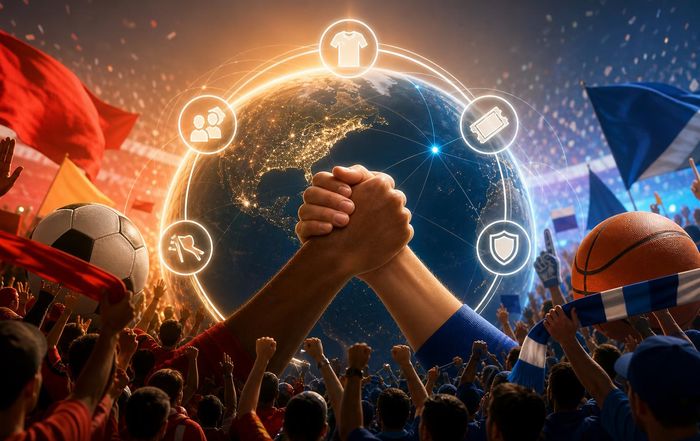
Brand loyalty in global sports communities has become one of the most powerful forces shaping consumer behavior, corporate strategy, and cultural influence across continents, and nowhere is this more evident than in the way fans in the United States, Europe, and Asia align their purchasing decisions with the teams, athletes, and performance narratives they follow every day. As media, technology, and travel erase traditional borders, a supporter in Germany can follow a basketball franchise in the United States as closely as a local club, while a fan in Singapore can build a daily routine around a European football team, a North American esports organization, and a global athletic footwear brand, demonstrating that allegiance is no longer confined to geography but is instead anchored in identity, values, and shared experiences.
This evolving landscape is central to the editorial vision here, where content is updated every day around sports, adventure, travel, brands, lifestyle, culture, destinations, and global news converge in a single, interconnected narrative that reflects how audiences actually live and engage with the world. The site's readers do not separate their interest in performance, safety, innovation, ethics, and business from their passion for sports; instead, they perceive sports as a lens through which to understand broader shifts in global culture and commerce, and this integrated perspective has profound implications for how brand loyalty is formed, sustained, and sometimes lost.
From Local Allegiance to Global Sports Ecosystems
Historically, sports loyalty was rooted in local identity, with fans in cities such as Manchester, Milan, New York, or Tokyo forming deep emotional bonds with teams that represented their neighborhoods, workplaces, and communities, and this localized model still matters, especially in traditional football, rugby, cricket, and baseball markets. However, the rise of global broadcast networks, streaming platforms, and social media has enabled organizations like FC Barcelona, Manchester United, the New York Yankees, and the Los Angeles Lakers to cultivate worldwide communities that often rival or surpass their local fan bases in size and commercial importance. Today, a teenager in Brazil can follow the English Premier League through global sports coverage as intensely as a supporter in London, while a basketball fan in China can watch NBA games live, interact with other fans on digital platforms, and purchase official merchandise with a few taps on a mobile device.
This shift has transformed clubs and leagues into global brands that must think beyond traditional ticket sales or domestic sponsorships and instead design multi-layered engagement strategies that span media, retail, travel, and lifestyle. For growing number of readers here, who are as interested in travel experiences and international destinations as they are in match results, the modern sports ecosystem is an invitation to combine fandom with tourism, adventure, and cultural exploration, creating new forms of loyalty that are reinforced by memories, journeys, and personal milestones rather than by geography alone.
Experience as the Core Driver of Loyalty
At the heart of brand loyalty in sports lies experience, both physical and digital, and organizations that understand this are investing heavily in creating immersive, personalized touchpoints that extend far beyond the stadium. From the moment a fan purchases a ticket or streams a match, every interaction becomes part of a broader narrative that shapes their perception of the team, the league, and associated commercial partners, and this narrative is increasingly data-driven, responsive, and tailored to individual preferences. Leading clubs and sponsors are using advanced analytics and customer data platforms, as discussed by firms like McKinsey & Company in their analysis of personalized fan engagement, to deliver targeted content, exclusive offers, and interactive experiences that deepen emotional bonds and encourage repeat engagement.
The in-stadium experience, meanwhile, has evolved into a high-performance environment where safety, comfort, and innovation are as critical as the action on the field, and venues in the United States, the United Kingdom, Germany, and Japan now integrate smart ticketing, biometric access, and real-time information systems to enhance convenience and security. For an audience that values performance and safety as much as excitement, the quality of the overall journey-from transportation and hospitality to digital connectivity and post-event content-plays a decisive role in determining whether loyalty is strengthened or eroded. When a club or brand delivers consistently excellent experiences, fans are more likely to associate that satisfaction with the broader identity of the organization and to extend their loyalty into adjacent categories such as apparel, travel, and lifestyle products.
The Role of Star Power and Authentic Storytelling
While data and infrastructure provide the foundation for modern sports engagement, it is still the athletes themselves who serve as the primary catalysts for emotional connection and long-term loyalty. Iconic figures such as LeBron James, Lionel Messi, Serena Williams, and Naomi Osaka have demonstrated that individual narratives can transcend teams, leagues, and even sports, creating global communities of supporters who follow their careers, values, and off-field initiatives across platforms and borders. This star power is amplified by social media, where athletes can communicate directly with fans, share personal stories, and articulate positions on social and ethical issues without relying solely on traditional media intermediaries.
For brands seeking to cultivate loyalty in sports communities, partnering with athletes who embody authenticity, integrity, and purpose is no longer optional; it is a strategic imperative. Organizations that align with athletes' values and support meaningful initiatives in areas such as mental health, diversity, and environmental responsibility can reinforce their credibility and trustworthiness, particularly among younger fans who scrutinize corporate behavior more closely than any previous generation. Resources like Athletes for Hope highlight how athletes are leveraging their platforms for social good, and when brands collaborate with such efforts in a transparent and sustained manner, they strengthen their emotional bond with fans who see their own values reflected in these partnerships.
For xdzee.com, which explores the intersection of culture, lifestyle, and ethics, these narratives are central to understanding how brand loyalty is evolving in sports communities worldwide, from the United States and Canada to South Africa, Brazil, and Southeast Asia.
Global Travel, Destinations, and Sports Tourism
One of the most striking developments in recent years has been the explosive growth of sports tourism, with fans traveling across continents to watch major events, visit iconic stadiums, or participate in amateur competitions and adventure experiences. This trend is reshaping the tourism economy in countries such as the United Kingdom, Spain, France, Italy, Japan, and Australia, where clubs and cities are investing in infrastructure and marketing campaigns to attract international visitors who combine sporting events with broader cultural and leisure activities. Organizations like the World Tourism Organization (UNWTO) have documented the economic and social impact of sports tourism, noting its role in promoting sustainable development, cultural exchange, and regional branding.
For a platform like xdzee.com, which dedicates extensive coverage to destinations, adventure, and travel, this convergence of sports and tourism is more than a trend; it is a defining feature of how modern audiences plan their journeys and express their loyalties. Fans now routinely build itineraries around marquee events such as the Olympic Games, the FIFA World Cup, the Tour de France, Formula 1 Grand Prix races, and major tennis tournaments, while also seeking out smaller, authentic experiences such as local derbies, community sports festivals, or high-performance training camps. In doing so, they reinforce their attachment not only to teams and leagues but also to cities, regions, and national brands, creating a complex web of loyalties that extends into hospitality, transportation, retail, and cultural institutions.
Digital Communities, Esports, and the Always-On Fan
The digital transformation of sports has fundamentally changed how loyalty is created and sustained, with online communities, streaming platforms, and interactive content enabling fans to engage with their favorite teams and athletes at any time and from any location. Esports organizations such as Team Liquid, T1, and Fnatic have been at the forefront of this shift, building global fan bases that interact through platforms like Twitch and YouTube, participate in live chats, and purchase digital goods as expressions of support. These communities often exhibit intense loyalty to both teams and sponsors, driven by a sense of belonging and shared identity that is cultivated through constant communication, collaborative content creation, and participatory events.
Traditional sports have increasingly adopted similar strategies, using social media, mobile apps, and direct-to-consumer streaming services to maintain an ongoing dialogue with fans, provide behind-the-scenes access, and deliver interactive features such as real-time statistics, fantasy leagues, and augmented reality experiences. Industry analyses by organizations like Deloitte on the future of sports broadcasting underline how this always-on engagement model is redefining the commercial value of media rights and sponsorships. For fans in markets as diverse as the Netherlands, South Korea, South Africa, and New Zealand, the digital sphere has become the primary arena where loyalty is expressed, negotiated, and sometimes contested, and brands that fail to meet expectations for accessibility, transparency, and responsiveness risk losing relevance.
Ethics, Trust, and the Integrity of Competition
In a world where information moves rapidly and scrutiny is intense, trust has emerged as a decisive factor in sustaining brand loyalty within sports communities. Scandals involving doping, match-fixing, financial mismanagement, or abusive behavior have shown that even the most storied organizations can suffer significant reputational damage when they fail to uphold ethical standards, and fans are increasingly vocal in demanding accountability from clubs, leagues, governing bodies, and sponsors. Institutions such as the World Anti-Doping Agency (WADA), which provides extensive resources on clean sport, play a critical role in preserving the integrity of competition, but responsibility also rests with individual organizations to demonstrate that they prioritize fairness, safety, and transparency.
For brands, aligning with sports properties that are perceived as ethical and socially responsible is essential to maintaining credibility, especially in regions like Scandinavia, Canada, and Western Europe where corporate governance and social impact are closely scrutinized. Platforms such as xdzee.com, which devotes dedicated coverage to ethics, safety, and world news, provide readers with context and analysis that help them evaluate whether their loyalty is being reciprocated with responsible behavior. When organizations communicate openly about challenges, invest in safeguarding, and commit to long-term community development, they reinforce the trust that underpins enduring fan relationships and sustainable commercial success.
Innovation, Performance, and the Science of Engagement
Innovation in sports extends far beyond equipment and training methods; it now encompasses data analytics, fan experience design, digital products, and sustainability initiatives that collectively shape how loyalty is cultivated and measured. Clubs and brands are partnering with technology companies, universities, and research institutions to develop new tools for understanding fan behavior, optimizing performance, and enhancing engagement, with organizations such as MIT Sloan and its Sports Analytics Conference highlighting the growing sophistication of this field. From wearable devices that monitor athlete performance to AI-driven recommendation systems that personalize content feeds, the modern sports ecosystem is increasingly driven by evidence-based decision-making and continuous experimentation.
For audiences that follow innovation and business trends closely, these developments offer a window into how sports organizations are evolving into data-savvy, globally integrated enterprises. At the same time, innovation is also visible in the way venues are designed to reduce environmental impact, as seen in the work of groups like the Green Sports Alliance, which promotes sustainable stadium operations, and in how clubs collaborate with cities to improve transportation, accessibility, and community facilities. Fans increasingly reward organizations that demonstrate leadership in sustainability, inclusivity, and technological advancement, and this alignment between values and innovation reinforces loyalty by showing that the club or brand is not only competitive on the field but also responsible and forward-looking off it.
The Business of Loyalty: Sponsorships, Brands, and Jobs
Behind the emotional narratives and thrilling performances lies a complex business ecosystem in which sponsorships, media rights, merchandising, and licensing deals are negotiated with an eye toward long-term loyalty and global reach. Multinational companies such as Nike, Adidas, Puma, and Under Armour invest billions in partnerships with clubs, leagues, and athletes, seeking to embed their products into the everyday lives of fans in the United States, the United Kingdom, Germany, China, and beyond. These relationships are not merely transactional; they are designed to create enduring associations between brand identity and sporting success, performance, and aspiration, and when executed well, they can generate loyalty that spans generations.
For professionals and aspiring talent exploring jobs in sports marketing, analytics, media, and venue operations, understanding the dynamics of loyalty is essential to crafting effective strategies and building sustainable careers. Industry bodies such as the European Sponsorship Association provide insights into best practices in sponsorship and highlight the importance of aligning commercial objectives with fan expectations and cultural context. As sports organizations expand their operations into new regions, including Southeast Asia, Africa, and South America, they require expertise that combines local cultural knowledge with global brand management skills, creating opportunities for a new generation of professionals who can navigate this intricate landscape.
xdzee.com, with its focus on sports, brands, lifestyle, and global business trends, serves as a platform where these career paths, commercial strategies, and cultural shifts can be examined in depth, offering readers a sophisticated understanding of how loyalty is monetized, protected, and sometimes challenged in the modern sports economy.
Lifestyle, Culture, and the Everyday Expression of Loyalty
Beyond stadiums, screens, and corporate boardrooms, loyalty to sports brands manifests in everyday choices about clothing, leisure, fitness, and social identity, with fans in cities from New York and Toronto to Berlin, Tokyo, and Cape Town integrating team colors, logos, and narratives into their personal style and routines. Sportswear and athleisure have become dominant forces in global fashion, blurring the boundaries between performance and lifestyle, while collaborations between clubs, designers, and cultural icons create limited-edition products that appeal to both dedicated supporters and broader lifestyle audiences. Publications like Vogue Business have documented how sports and fashion intersect, illustrating that loyalty today is as much about self-expression and cultural affiliation as it is about match-day rituals.
For the folks on xdzee, which engages deeply with 100% original content around lifestyle, brands, and global culture, this integration of sports into daily life underscores the extent to which fandom has become a versatile language for signaling values, aspirations, and belonging. Whether it is a runner in Melbourne wearing the latest performance footwear, a supporter in Madrid collecting retro jerseys, or a traveler in Bangkok seeking out local street football scenes, these choices reflect a mosaic of loyalties that connect individuals to global communities and shared stories.
The Future of Brand Loyalty in a Fragmented World?
Planning ahead, brand loyalty in global sports communities is likely to become even more complex, multi-layered, and contested, as emerging technologies, shifting demographics, and evolving social expectations reshape how fans engage with teams, athletes, and sponsors. The rise of immersive technologies such as virtual and augmented reality could allow supporters in Finland, Malaysia, or Brazil to experience matches as if they were inside the stadium, while advances in AI-driven personalization may deliver hyper-tailored content streams that reflect individual preferences for sports, regions, and narratives. At the same time, concerns about data privacy, digital well-being, and the commercialization of every aspect of fandom will require organizations to balance innovation with responsibility, transparency, and respect for the fan's autonomy.
In this environment, the organizations that succeed will be those that combine high performance with strong ethics, cutting-edge innovation with genuine community engagement, and global ambition with sensitivity to local cultures and traditions. Loyalty will remain a powerful asset, but it will need to be continually earned through consistent delivery of value, authentic storytelling, and demonstrable commitment to the well-being of fans, athletes, and communities. For readers of xdzee.com, who navigate the intersections of sports, adventure, travel, business, and culture across continents, the evolution of brand loyalty in global sports communities is not merely an abstract trend; it is a lived reality that shapes their choices, identities, and experiences every day.
As the world becomes more interconnected yet more fragmented, the enduring power of sports to unite people around shared passions, values, and stories will ensure that loyalty remains at the center of the global conversation, and platforms that understand this dynamic-integrating news, performance, safety, innovation, ethics, and lifestyle into a coherent, trusted narrative-will play a vital role in helping audiences make sense of a rapidly changing landscape. In this sense, xdzee.com stands not only as a destination for information but as a companion in the ongoing journey of global sports fandom, where loyalty is both a personal commitment and a collective force shaping the future of business and culture worldwide.