

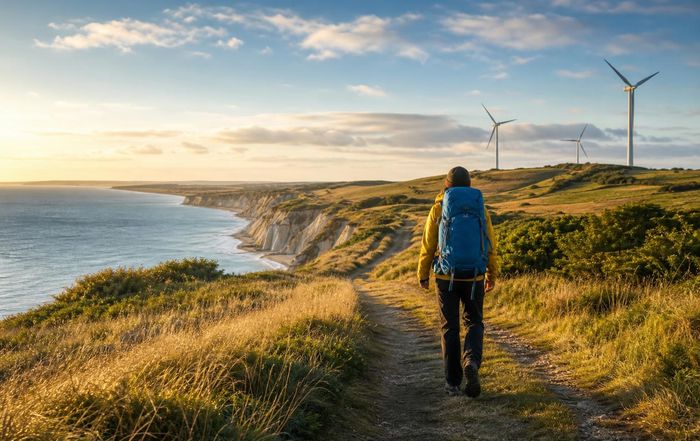
Outdoor Adventure Routes Through Denmark: Coastlines, Forests, and Quiet Frontiers
Denmark is often associated with cycling in cities, hygge interiors, and flat farmland, but for travellers who look beyond Copenhagen's cafés there is a surprisingly varied outdoor playground. Long-distance coastal paths, island-hopping sea-kayak routes, forested singletrack, and wild-feeling dune systems offer low-drama but high-reward adventure, especially for those who value safety, infrastructure, and easy logistics as much as raw wilderness.
This guide focuses on some of the most compelling outdoor adventure routes across Denmark, with an emphasis on experiences that blend sport, travel, and landscape: long-distance hiking and bikepacking, sea kayaking, trail running, and multi-day touring. It also highlights practical safety and access details that matter if you are planning a self-powered journey in an unfamiliar country.
For adventurous individuals interested in broader sport and performance themes, the routes here connect naturally with endurance training, gear choices, and travel planning explored in more depth across our exciting sports, adventure, and travel coverage.
Why Denmark Works So Well for Human-Powered Adventure
For many international travellers, Denmark's main advantage as an outdoor destination is the balance of accessibility and freedom. The country has an extensive network of marked trails, dedicated cycle routes, and coastal access, supported by reliable public transport and a strong safety culture. The national tourism body VisitDenmark actively promotes "slow travel" by bike, on foot, and on the water, and local municipalities invest heavily in waymarking and infrastructure.
Denmark does not have the dramatic alpine terrain of Norway or the big-mountain ski culture of the Alps, but it offers other strengths. The national cycle route network, including the 11 Danish National Cycle Routes and the more recent Nationale Cykelleder (National Cycle Paths), connects coasts, islands, and rural regions in a way that works for beginners and seasoned bikepackers alike. The Danish Nature Agency maintains a dense matrix of hiking paths, primitive campsites, and shelters, many of which can be located through the official Ud i naturen platform.
Crucially for safety-conscious travellers, Denmark's emergency services are well coordinated, signage is usually clear, and mobile coverage is strong across most populated regions. The Danish Meteorological Institute (DMI) provides detailed marine and coastal forecasts, which are particularly important for paddlers and coastal hikers. For those balancing adventure with work or family, Denmark's compact geography makes it realistic to combine multi-day routes with city stays or business trips without long transfers, a theme we often see among performance-oriented travellers in our lifestyle and destination features.
Hiking the West Coast: The North Sea Trail and Hærvejen on Foot
The wildest feeling landscapes in Denmark are along the North Sea coast of Jutland, where shifting dunes, wind-sculpted heaths, and long beaches create a sense of exposure that contrasts strongly with the country's gentle inland farmland.
One of the key frameworks here is the North Sea Trail, a transnational coastal hiking route that runs through several North Sea countries. The Danish segment stretches along much of the west coast of Jutland, linking resort towns like Blokhus and Løkken with quieter stretches near Thy National Park and the bird-rich Wadden Sea. The broader North Sea Trail initiative is coordinated through the North Sea Trail project, which provides cross-border context, but for practical mapping, hikers tend to rely on Danish resources and local tourist offices.
The walking itself is relatively straightforward in terms of technical difficulty, but the environment is not trivial. Strong onshore winds, fast-changing weather, and soft sand can make daily distances feel longer than the map suggests. It is important to monitor coastal conditions, particularly around storm surges and high tides, via DMI coastal forecasts, and to be aware that some sections may be rerouted seasonally for dune protection or bird nesting.
Further inland, the Hærvejen (the Ancient Road or Ox Road) offers a very different multi-day hiking experience. This historic north-south route, once used for cattle drives and trade, now exists as a network of hiking, cycling, and pilgrimage paths running from the German border to northern Jutland. The official Hærvejen website provides stage descriptions, accommodation suggestions, and GPX tracks for both walkers and cyclists. For travellers interested in cultural context, Hærvejen passes burial mounds, medieval churches, and small villages that illustrate Denmark's rural history as clearly as any museum.
For hikers planning longer itineraries, Denmark's many primitive shelters-often free or low-cost and bookable via Ud i naturen or local municipal sites-allow low-impact overnight stays. This infrastructure, combined with the country's safety profile and modest terrain, makes Denmark particularly appealing for newer long-distance walkers who want to test multi-day hiking without committing to high-risk mountain environments. Those interested in safety and risk management will find broader principles discussed in our safety section, many of which apply directly to coastal and rural trekking.
Bikepacking Denmark: From EuroVelo 12 to Island-Hopping Coastal Routes
Cycling is central to Danish culture, and that extends well beyond city commuting. For adventure cyclists and bikepackers, the country's national routes, EuroVelo corridors, and new signature trails create a dense web of possibilities.
One of the most notable is EuroVelo 12 - the North Sea Cycle Route, which passes along Denmark's west coast before continuing into Germany and beyond. The European Cyclists' Federation provides an overview of the full North Sea route, but for on-the-ground detail, Danish regional tourism sites and OpenStreetMap-based apps are often more up to date. While the terrain is mostly flat, constant wind and exposed dykes can turn even short stages into endurance efforts, making it a good testing ground for riders focused on performance metrics like power output and pacing in variable conditions-topics we explore frequently in our performance coverage.
Denmark has also introduced branded coastal cycle routes, including Nationale Cykelleder such as the West Coast Route (Vestkystruten) and Baltic Sea Route (Østersøruten). The West Coast Route roughly aligns with EuroVelo 12, while the Baltic Sea Route loops through southern Denmark and the archipelago, connecting islands via bridges and ferries. The official tourism portal VisitDenmark's cycling pages give a good overview of these long-distance options, including surface types and family-friendly segments.
Island-hopping by bike is one of Denmark's most distinctive travel experiences. Routes that combine Funen (Fyn), Ærø, Langeland, and smaller islands like Tåsinge or Strynø allow riders to mix quiet backroads, short ferry crossings, and small harbours. Local ferry companies and the Danish Transport Authority publish schedules and regulations; it is important to check seasonal variations, particularly outside the main summer months.
For riders concerned with safety, Denmark's separated cycle paths, driver awareness, and clear signage are major advantages. Helmets are not legally required for adults but are strongly recommended, especially on faster rural sections. Reflective gear and lights are mandatory after dark, and riders should be aware of wind chill even on mild days, as the coastal breeze can drop perceived temperatures significantly. These themes echo broader road-safety principles we discuss in world and news coverage of cycling infrastructure and transport policy.
Sea Kayaking and Coastal Paddling: Fjords, Sheltered Sounds, and Open Water
With thousands of kilometres of coastline and a mix of sheltered fjords and more exposed seas, Denmark offers rewarding sea-kayak itineraries for a range of skill levels. The key is choosing waters that match your experience and being realistic about wind, currents, and water temperature.
The Danish Canoe and Kayak Federation (Dansk Kano og Kajak Forbund) provides training standards and safety guidance, and many local clubs operate under its umbrella. While much of the official material is in Danish, the safety principles are universal: appropriate immersion protection, navigation skills, and conservative decision-making in unfamiliar waters. For marine forecasts, paddlers should rely on DMI's sea and coastal forecasts and, where relevant, local harbour information.
For less experienced paddlers, Limfjorden in northern Jutland is a standout area. This long, shallow sound, dotted with islands and peninsulas, offers relatively protected conditions compared with the open North Sea. Multi-day routes can link small harbours and primitive campsites, and it is often possible to plan itineraries that stay close to shore, reducing exposure to sudden weather changes. Tourism organisations like VisitNordjylland provide English-language overviews of paddling opportunities, including rental providers and guided tours.
On the opposite side of the country, the South Funen Archipelago is another classic paddling region. Here, low-lying islands, eelgrass meadows, and shallow channels create a dynamic but usually manageable environment. Several Nature Parks, such as Naturpark Det Sydfynske Øhav, promote low-impact water-based recreation and publish guidelines on wildlife disturbance and access rules. These align closely with broader ethical frameworks for outdoor sports that we explore in more depth in our ethics and culture sections, especially around seabird colonies and seal haul-outs.
For highly experienced sea kayakers, sections of the North Sea coast present more serious conditions, with surf, strong winds, and shifting sandbars. These are not areas for casual rentals or unsupported beginners. Local surf schools and kayak clubs in towns like Klitmøller-often referred to as "Cold Hawaii" for its surf culture-can advise on realistic options given your skill level and the day's forecast. International paddlers should remember that water temperatures can remain cold well into late spring, making hypothermia a real risk during capsizes, even on sunny days.
Forests, Trails, and Singletrack: Running and Mountain Biking in Danish Woods
Away from the coasts, Denmark's forests and plantations offer a more sheltered environment for trail running, hiking, and mountain biking. While the country's highest point is only around 173 metres above sea level, the rolling terrain and technical singletrack in some forests can provide meaningful training loads and engaging routes.
The Danish Nature Agency oversees many of these woodlands and maintains an English-language portal with maps and rules. Regions such as Rold Skov in northern Jutland, Gribskov north of Copenhagen, and Marselisborg Forests near Aarhus are particularly known for their trail networks. For mountain bikers, the Danish Mountainbike Association and local clubs map graded routes, and many forests have colour-coded loops similar to ski-resort difficulty ratings, from beginner-friendly green trails to more technical red and black lines.
Trail runners and hikers benefit from the same infrastructure. In Gribskov, for example, a mix of forest roads, narrow paths, and lakeside sections allows for varied circuits without needing to travel far from urban centres. Apps that use open data, such as OpenStreetMap-based platforms, often show unofficial connectors, but it is important to respect access rules: in most Danish state forests, you may walk and run off-trail, but mountain biking is typically restricted to designated routes.
These forests also play a role in Denmark's broader environmental and climate strategy, including biodiversity protection and carbon sequestration. The Danish Environmental Protection Agency and related bodies publish management plans and conservation goals, which can affect trail development and access in sensitive areas. For adventure travellers who care about the ethics of their footprint, understanding these frameworks helps align trip planning with local conservation priorities, echoing themes we examine in our innovation and business reporting on outdoor recreation and sustainability.
Winter and Shoulder-Season Adventures: Weather, Light, and Safety
Denmark's latitude means pronounced seasonal shifts, and these strongly influence how outdoor routes can be used. Summer brings long days and relatively mild temperatures, ideal for multi-day coastal cycling or island-hopping by kayak. However, even in July and August, strong winds and rain are common, and travellers should not assume Mediterranean conditions simply because they are near the sea.
In autumn and winter, storms become more frequent, daylight hours shrink, and coastal erosion or flooding can temporarily affect paths. The Danish Meteorological Institute is the primary source for storm warnings, coastal flood alerts, and ice conditions. In winter, some smaller ferries reduce frequency or suspend service, which can significantly alter the feasibility of certain island-based routes, especially for those with tight timeframes or work commitments.
For endurance athletes using Denmark's routes as training grounds, winter can still be productive. Many Danish runners and cyclists train through the darker months using high-visibility clothing, powerful lights, and layered clothing systems suited to wind and rain rather than extreme cold. Trail runners in forests near Copenhagen or Aarhus often adapt by choosing loops that stay close to public transport or car access, reducing exposure if conditions deteriorate quickly. These strategies mirror broader performance and safety tactics used in other temperate maritime climates and are discussed more broadly in our sports and safety coverage.
For visitors unfamiliar with Nordic light patterns, it is worth explicitly checking sunrise and sunset times when planning daily distances. A coastal hike that feels relaxed in June can become a race against dusk in November, especially if you are also managing ferry schedules or public transport connections.
Planning, Access, and Responsible Travel in Danish Nature
While Denmark does not have a universal "right to roam" identical to Sweden or Norway, public access to nature is relatively generous but structured. Understanding the basics helps avoid conflicts and supports local efforts to keep routes open.
In general, you may walk and cycle on roads and paths in state-owned forests and open countryside, and in many cases you may stay overnight at designated shelters or primitive campsites. The Ud i naturen platform is the best starting point for locating these facilities and checking rules, including fire regulations and group size limits. Wild camping outside designated areas is more restricted than in some neighbouring countries, so long-distance travellers should plan overnight stops rather than assuming they can bivouac anywhere.
For water-based activities, local Nature Parks and marine protected areas often have specific guidelines around wildlife disturbance, landing sites, and seasonal closures. Organisations such as BirdLife International and the Wadden Sea World Heritage initiative provide additional context on sensitive habitats, especially in western Jutland. Respecting these rules is not only a legal matter but also central to maintaining the social licence for adventure sports in relatively densely populated coastal regions.
Public transport integration is another strength of Denmark's system. Trains and many buses allow bikes outside peak hours, and ferries between islands typically accommodate both cyclists and hikers. The national rail operator DSB publishes bike policies and reservation requirements on its English-language pages, which are essential reading for anyone planning a multi-stage bikepacking route that relies on trains for access or exit.
For international visitors, basic travel safety considerations-insurance that covers outdoor sports, knowledge of emergency numbers (112 in Denmark), and an understanding of local healthcare access-are as relevant here as anywhere. Denmark's healthcare system is robust, but non-residents should verify coverage for search and rescue or medical evacuation where relevant, particularly for offshore paddling or remote coastal hiking.
Choosing the Right Danish Route for Your Style of Adventure
Denmark's outdoor routes lend themselves to different types of travellers and performance goals. For those seeking a first multi-day hike with strong infrastructure and low technical risk, sections of the Hærvejen or coastal paths near larger towns provide a gentle introduction. Cyclists looking for long but manageable days might favour the Baltic Sea Route or island-hopping itineraries that mix quiet roads with cultural stops, while more experienced riders keen on wind-based training stimuli may gravitate to the exposed dykes of EuroVelo 12.
Sea kayakers can tailor their experience from sheltered fjords to more committing open-coast segments, provided they respect marine forecasts and water temperatures. Trail runners and mountain bikers have a growing menu of forest networks where they can chase technical terrain and elevation gain within a short distance of cities.
Across all these modes, Denmark rewards travellers who value planning, respect for local rules, and an appreciation of subtle landscapes over dramatic peaks. For those willing to move at the speed of a bike, kayak, or walking pace, the country's coastlines, forests, and islands reveal a quieter, more athletic side of Scandinavian life-one that aligns closely with the intersection of sport, travel, and modern lifestyle that defines much of our daily reporting across adventure, destination, and world stories.